You're viewing 3 free preview questions for Biology HL — subscribe to unlock 60 more, plus the Full Question Bank, Mock Papers & Worksheets.Upgrade
Transfer of Energy and Matter · Paper 1 — Free Biology HL Practice Questions

1FoundationMCQBiogeochemical cycles: Carbon, nitrogen, and water cycles1 markPaper 1~2 min
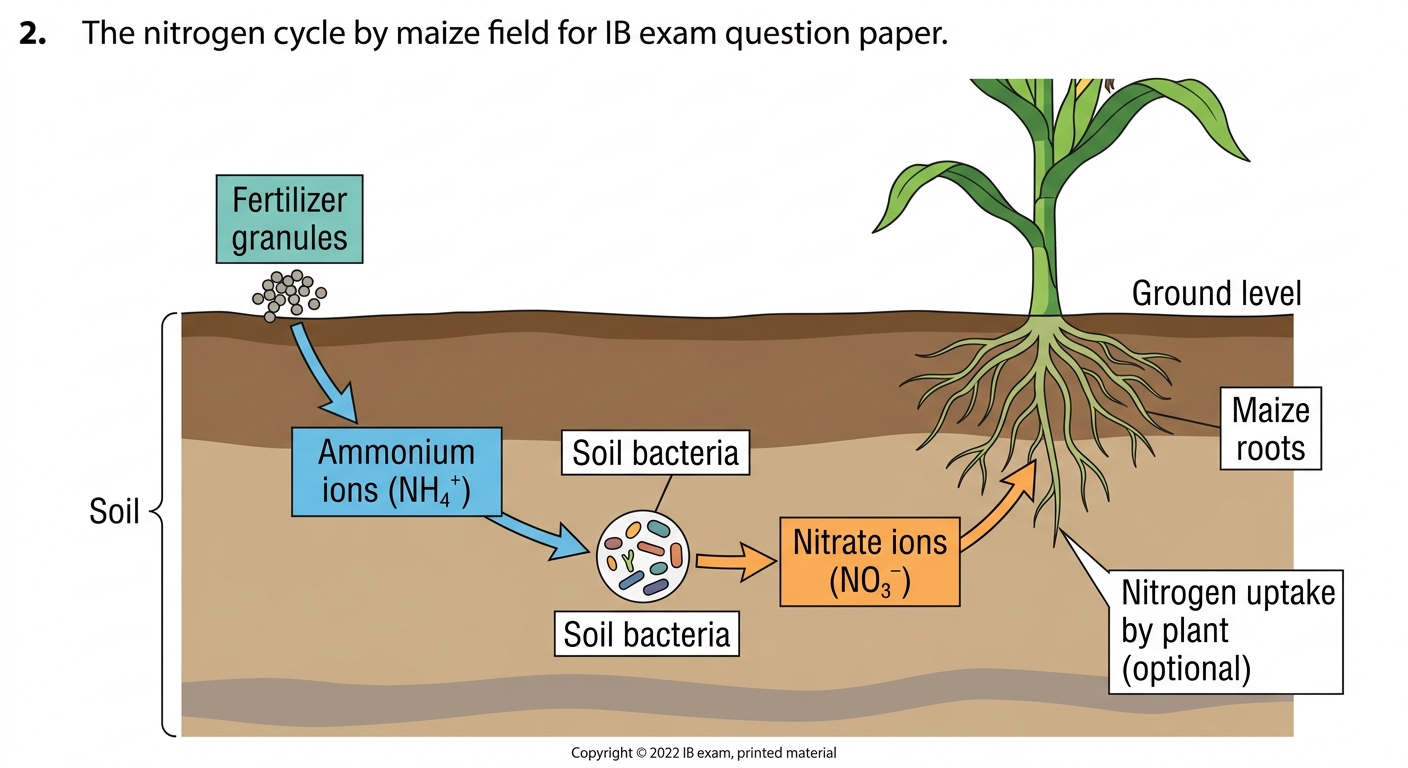
A farmer applies an ammonium-based fertilizer to a maize crop. Soil bacteria oxidize the ammonium ions () first to nitrite ions () and then to nitrate ions (), which are absorbed by the maize roots. Which process carried out by these soil bacteria directly produces the available to the plant?

Solutions
2FoundationMCQBiogeochemical cycles: Carbon, nitrogen, and water cycles1 markPaper 1~2 min
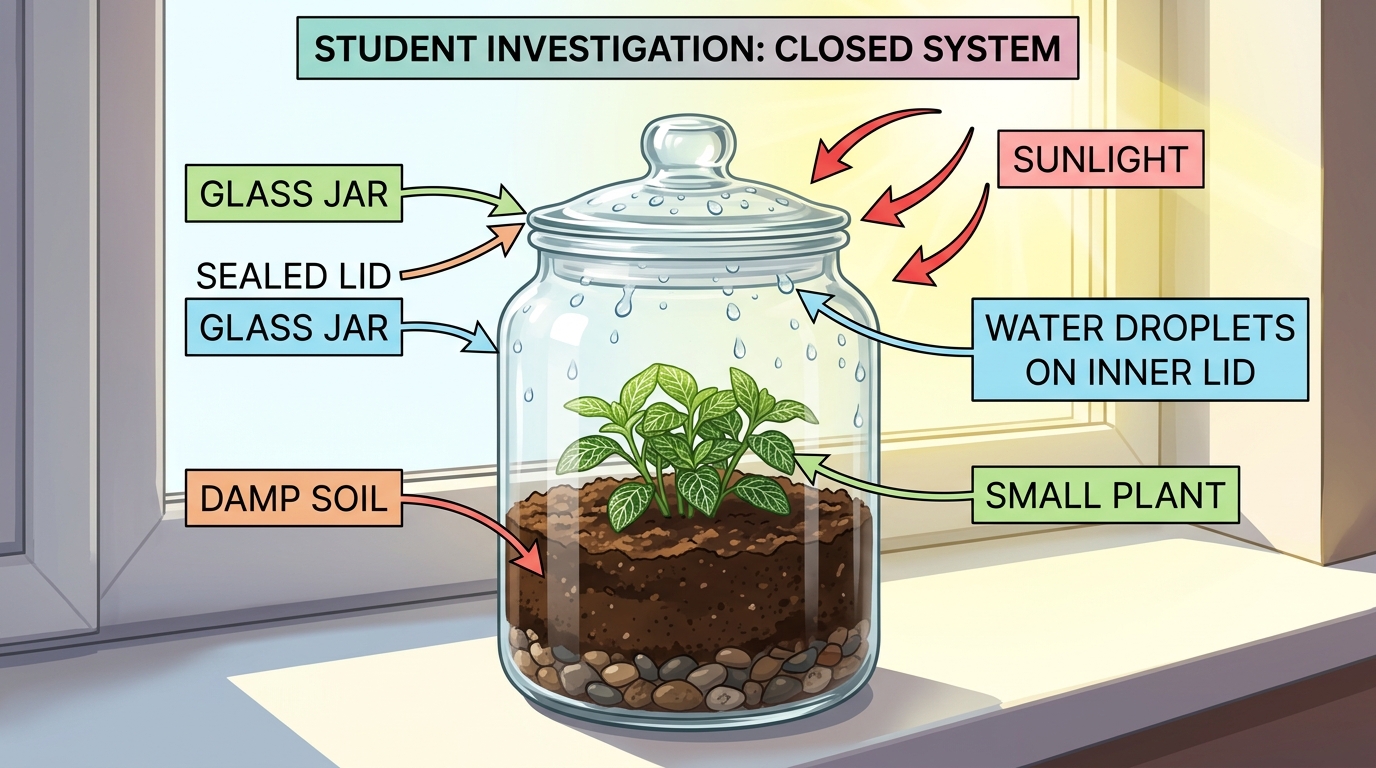
A sealed glass jar containing damp soil and a small plant is placed on a sunny windowsill. Water droplets form on the inside of the glass lid. Which two water-cycle processes are directly responsible for the formation of these droplets?
Solutions
3MasteryMCQEnergy flow in ecosystems: Trophic levels and food webs1 markPaper 1~2 min
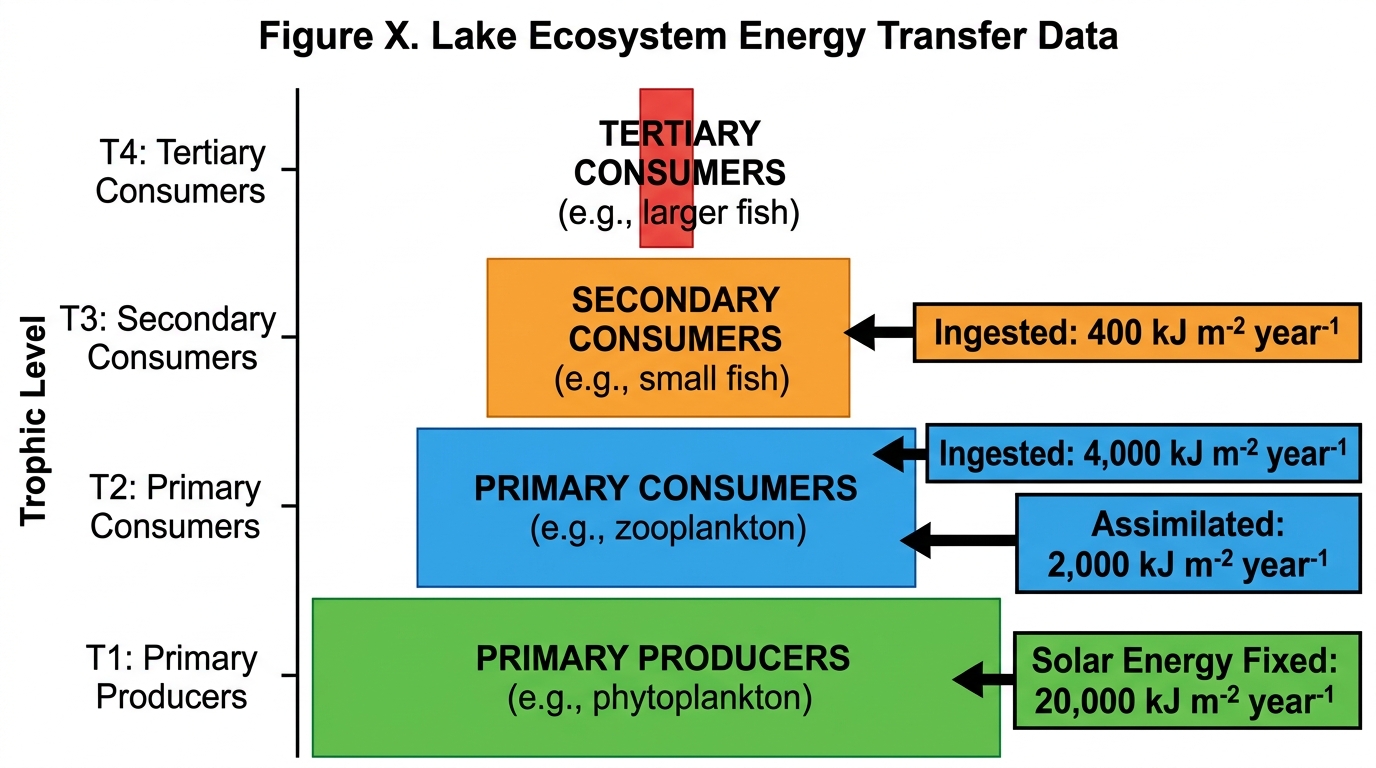
In a freshwater lake ecosystem, phytoplankton fix of solar energy. Zooplankton ingest but assimilate only . Applying a trophic efficiency of 10%, what is the expected energy assimilated by the secondary consumers?
Solutions
That's every free question here — 3 of 63.
+60 more questions, plus Mock Papers & Worksheets, are waiting in Premium.