You're viewing 208 free preview questions for Biology HL — subscribe to unlock 1 more, plus the Full Question Bank, Mock Papers & Worksheets.Upgrade
Water · Paper 1 — Free Biology HL Practice Questions

1FoundationMCQRole of water in living organisms1 markPaper 1~2 min
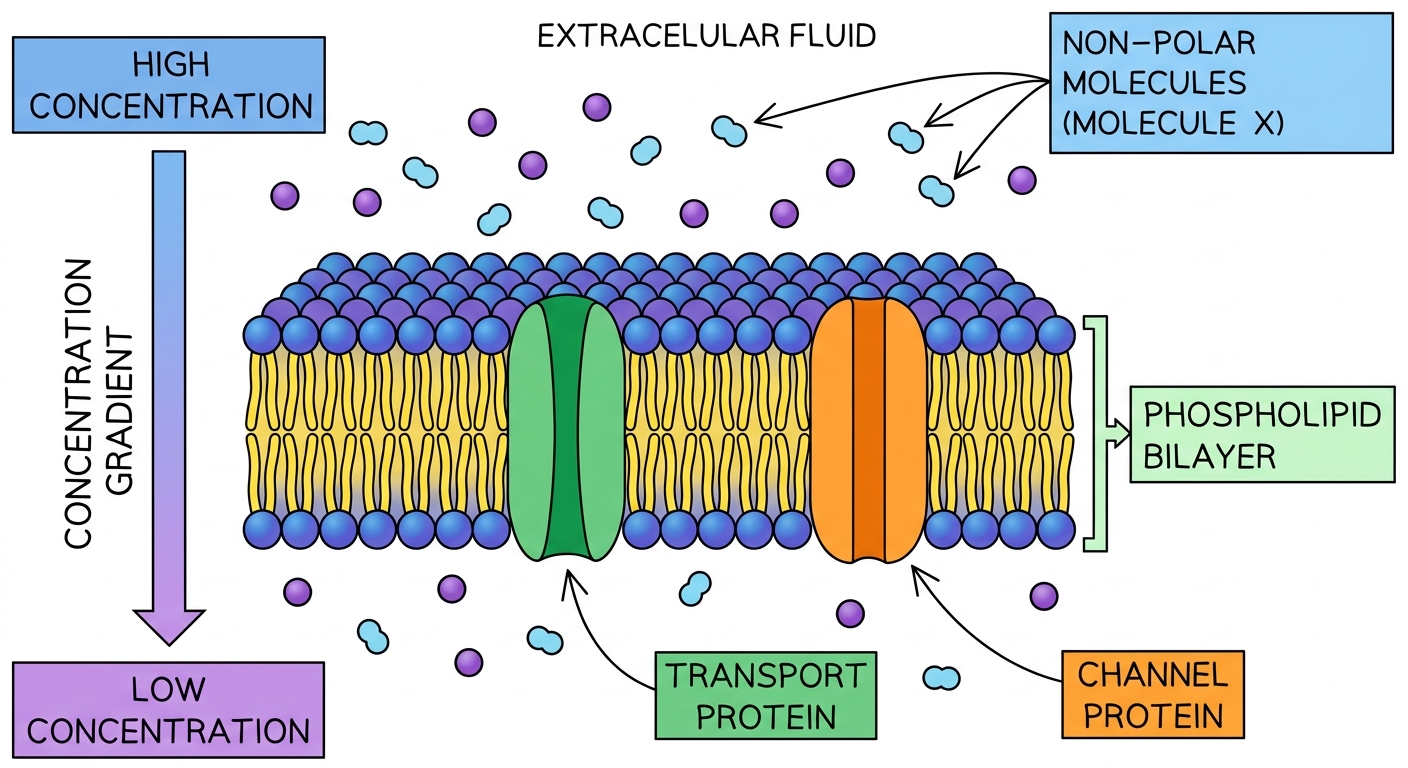
A researcher adds molecule X to a liver cell extract. Molecule X is small, non-polar, and dissolves readily in the phospholipid bilayer. Which mechanism best describes how molecule X crosses the plasma membrane?

Solutions
2FoundationMCQRole of water in living organisms1 markPaper 1~2 min
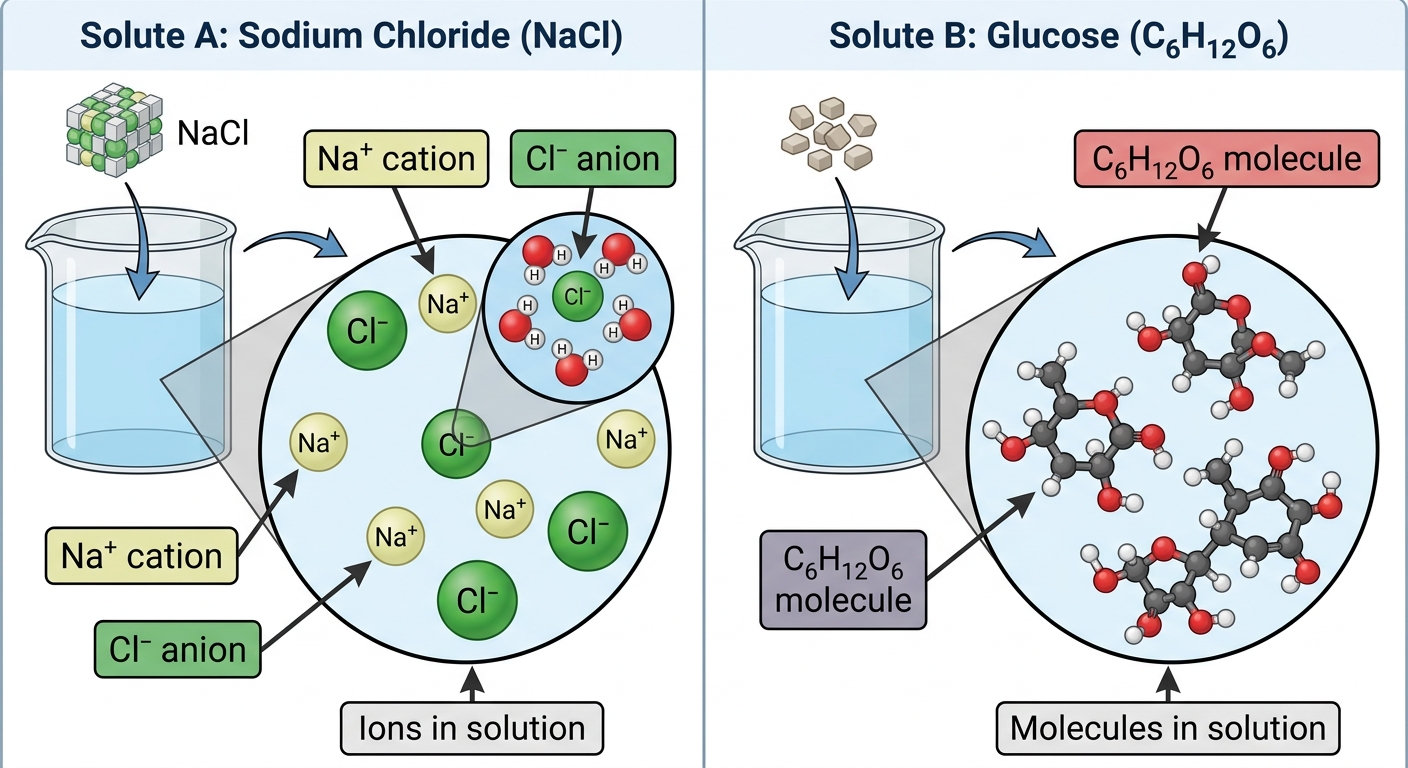
When sodium chloride and glucose are each dissolved in water, which statement correctly compares the number of solute particles produced per formula unit of each solute?
Solutions
3FoundationMCQRole of water in living organisms1 markPaper 1~2 min
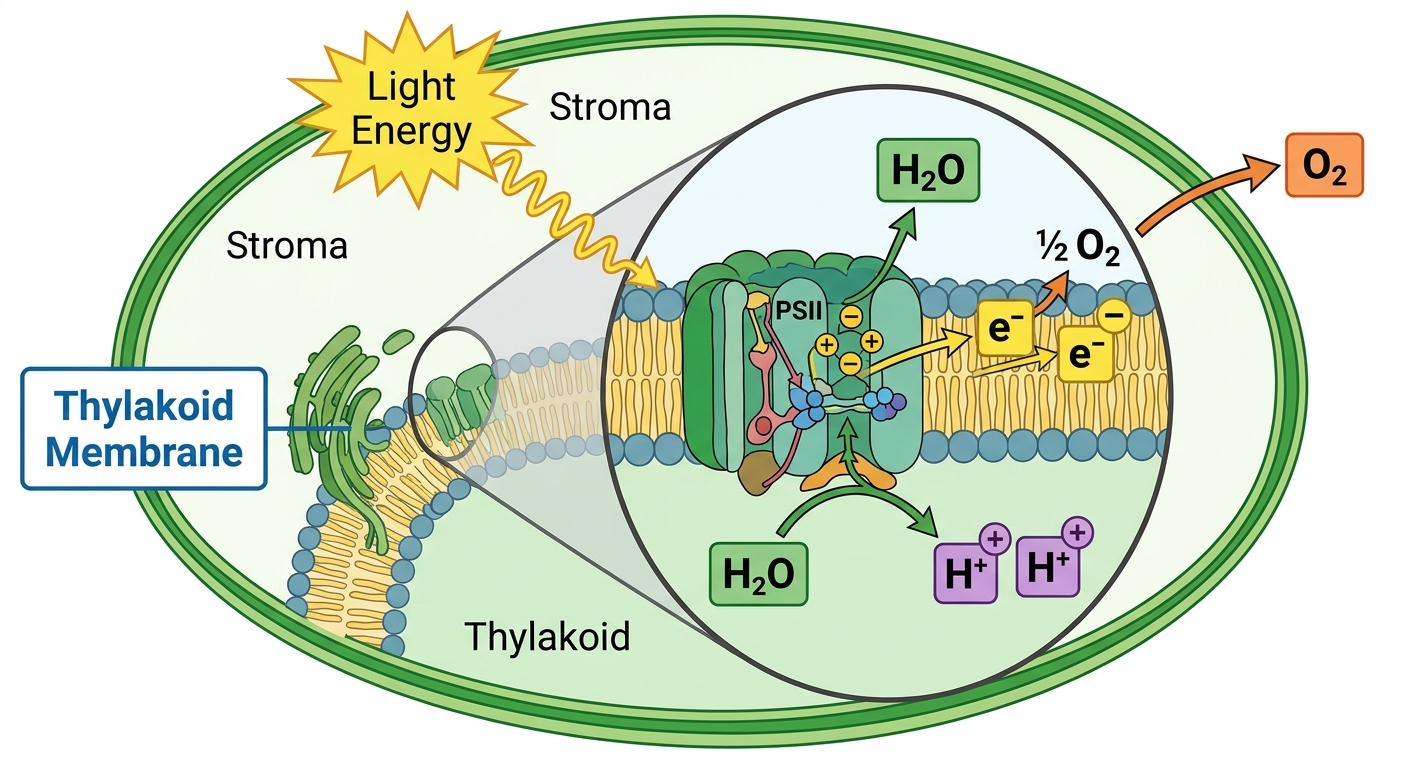
In the light-dependent reactions of photosynthesis, water undergoes photolysis. Which molecule is produced directly from this photolysis of water?
Solutions
4FoundationMCQRole of water in living organisms1 markPaper 1~2 min
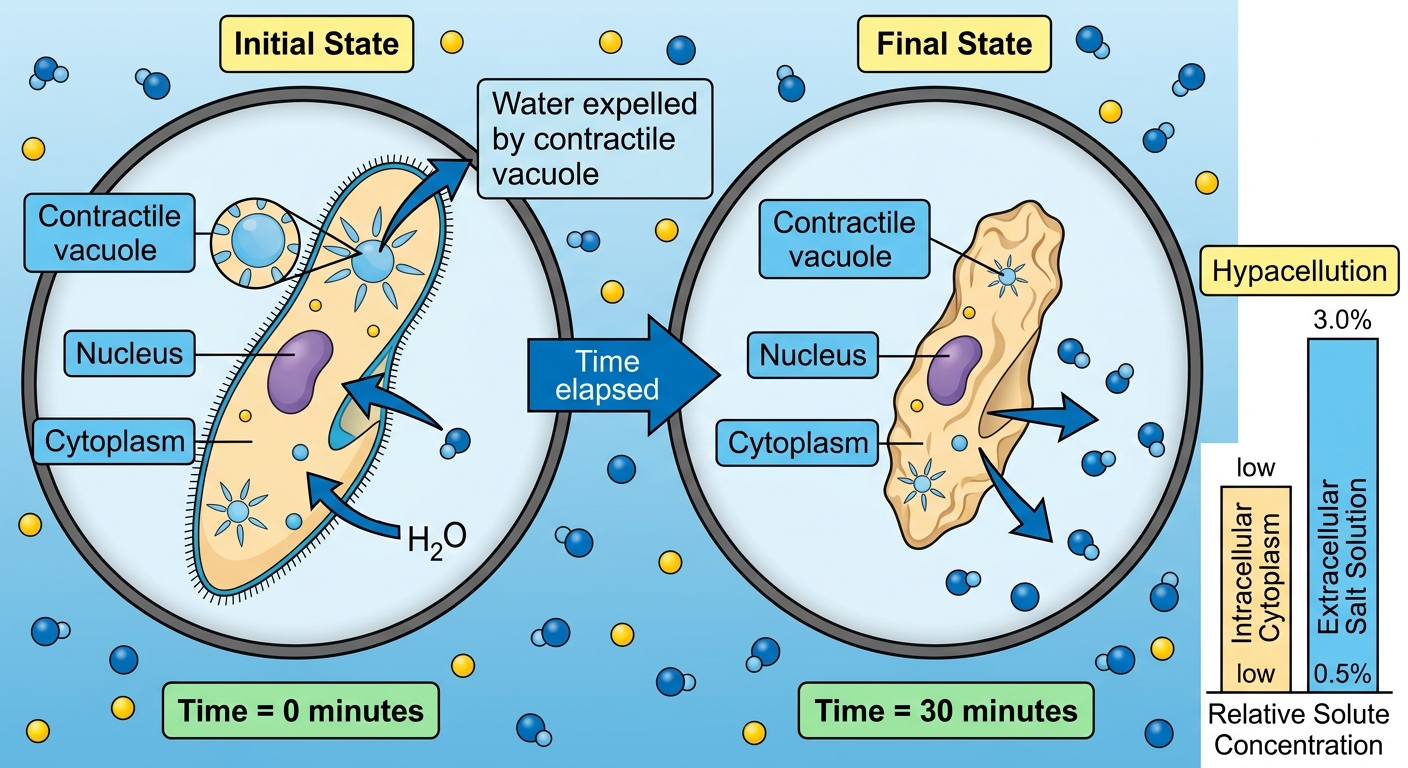
A Paramecium caudatum cell, normally maintained in freshwater, is transferred into a salt solution whose solute concentration is higher than that of its cytoplasm. Which of the following best explains the change in cell volume observed immediately after transfer, before any osmoregulatory response occurs?
Solutions
5FoundationMCQRole of water in living organisms1 markPaper 1~2 min
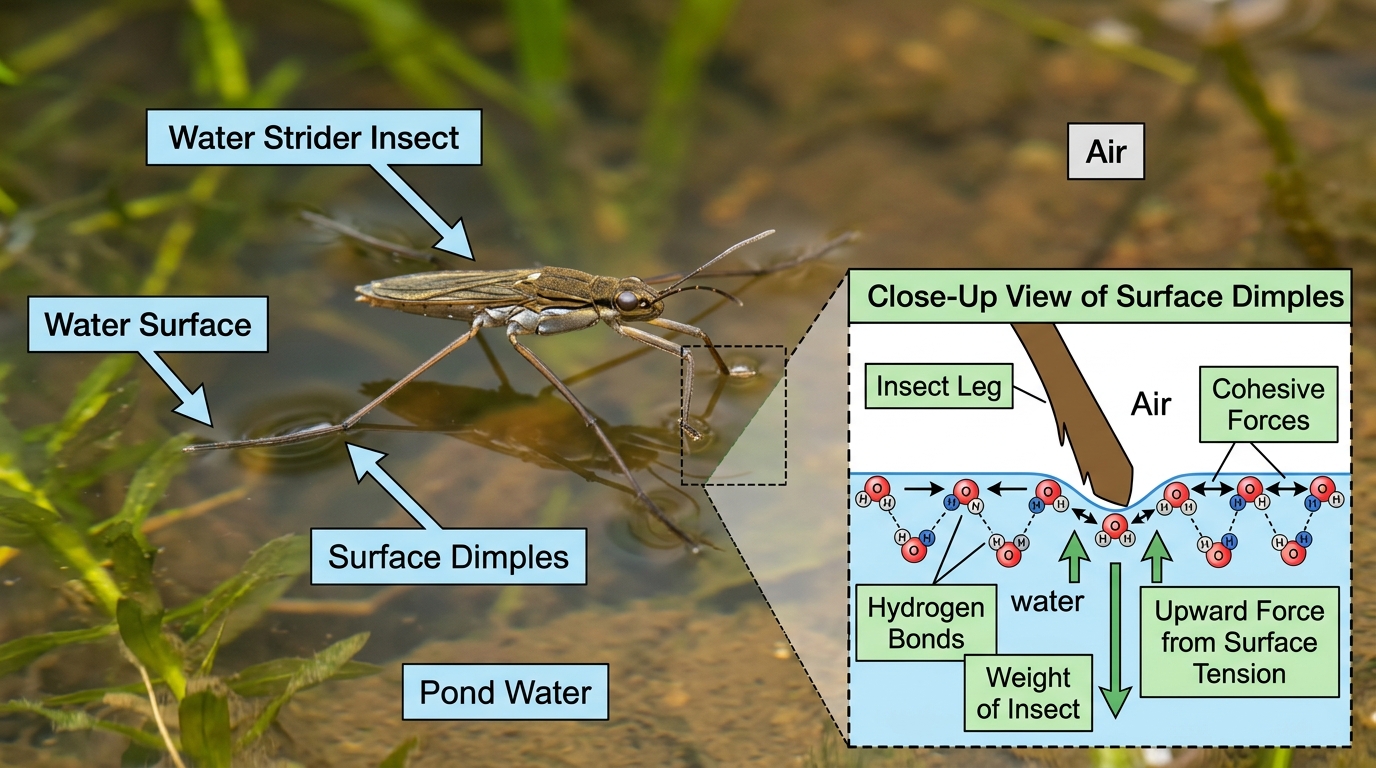
A water strider (Gerris sp.) is observed moving across the surface of a pond without breaking through. The legs of the water strider are hydrophobic and do not pierce the surface film. Which property of water directly enables the surface film to support the insect's weight?
Solutions
6FoundationMCQRole of water in living organisms1 markPaper 1~2 min
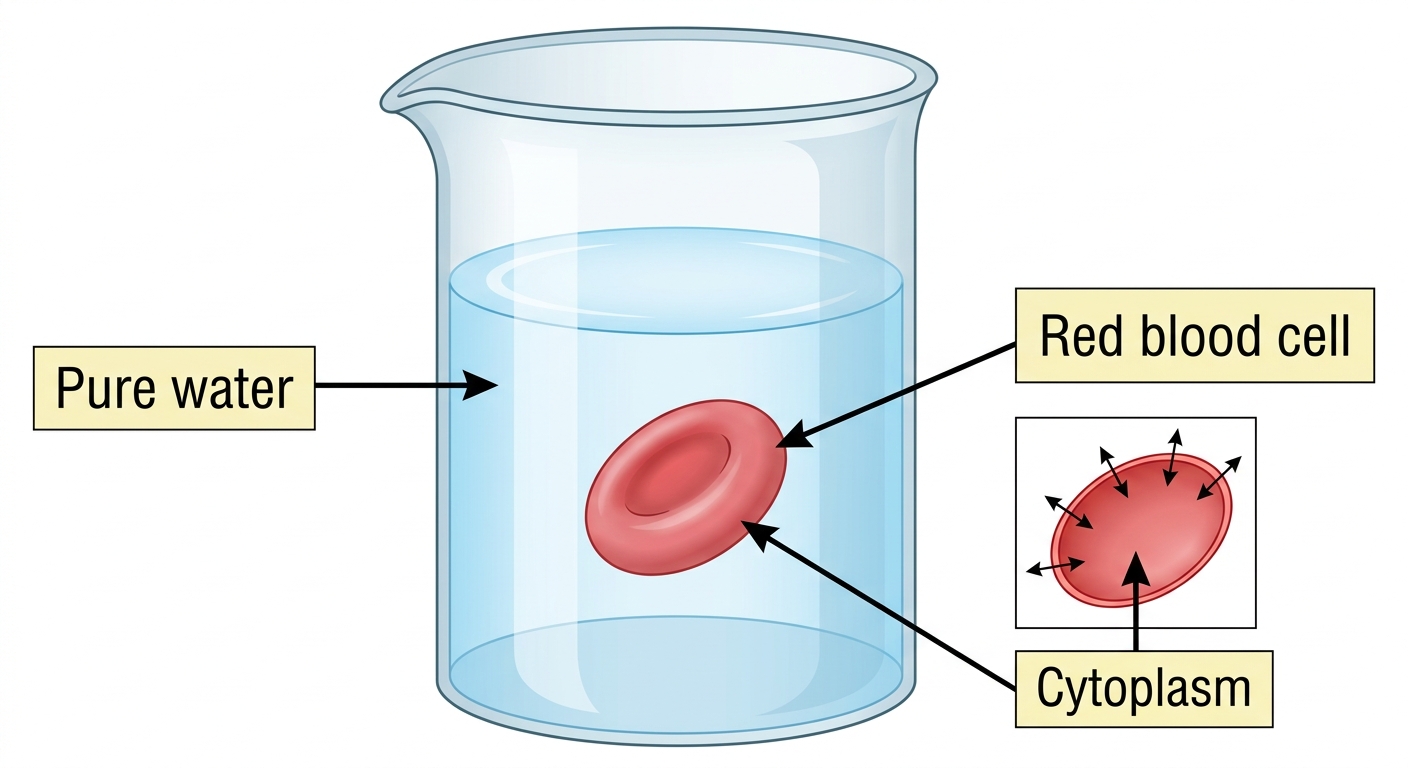
A red blood cell is placed into a beaker of pure water. Which of the following correctly describes the net movement of water molecules and the resulting change in the cell?
Solutions
7FoundationMCQRole of water in living organisms1 markPaper 1~2 min
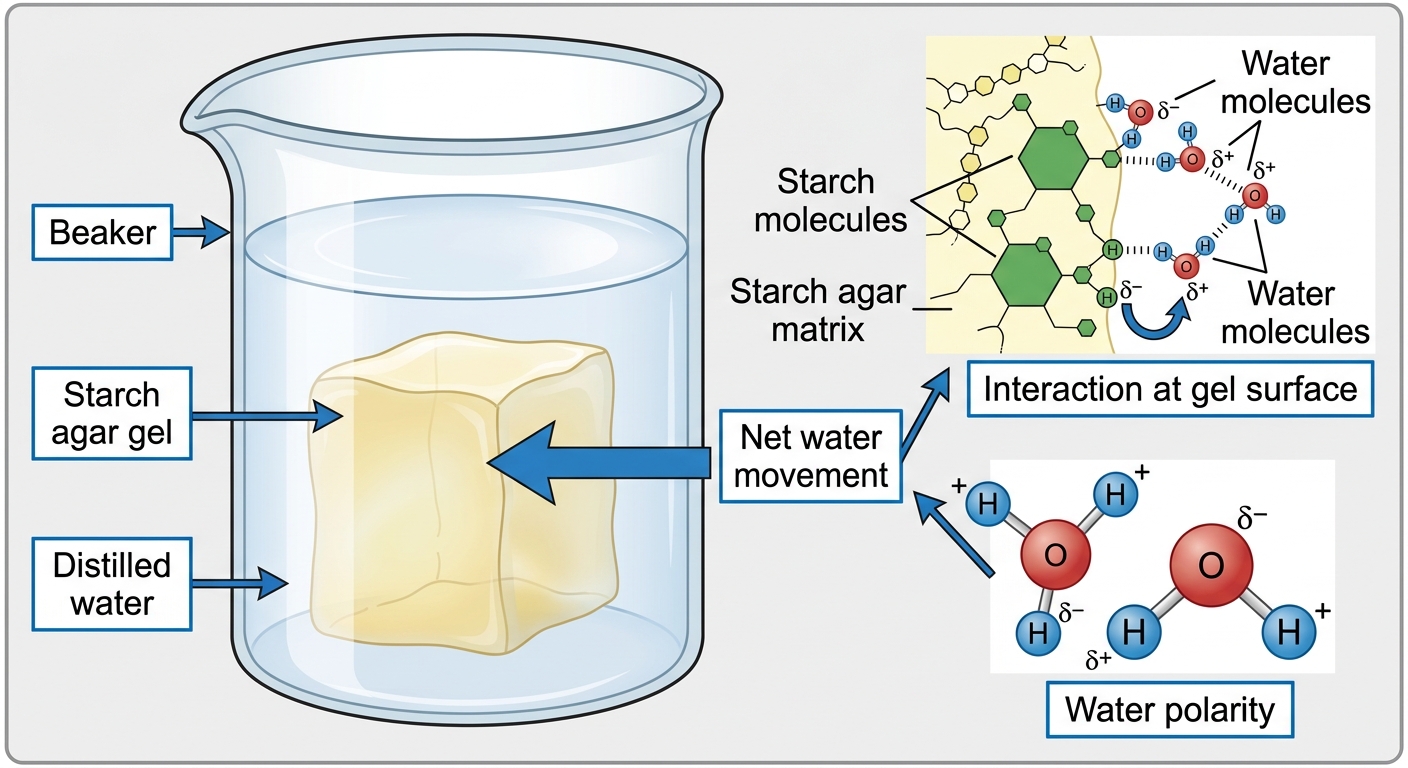
A student places a small piece of starch agar gel into a beaker of distilled water. After 30 minutes, the gel has increased in mass due to water molecules entering the gel. Which property of water best explains why water molecules move into the gel in this way?
Solutions
8FoundationMCQRole of water in living organisms1 markPaper 1~2 min
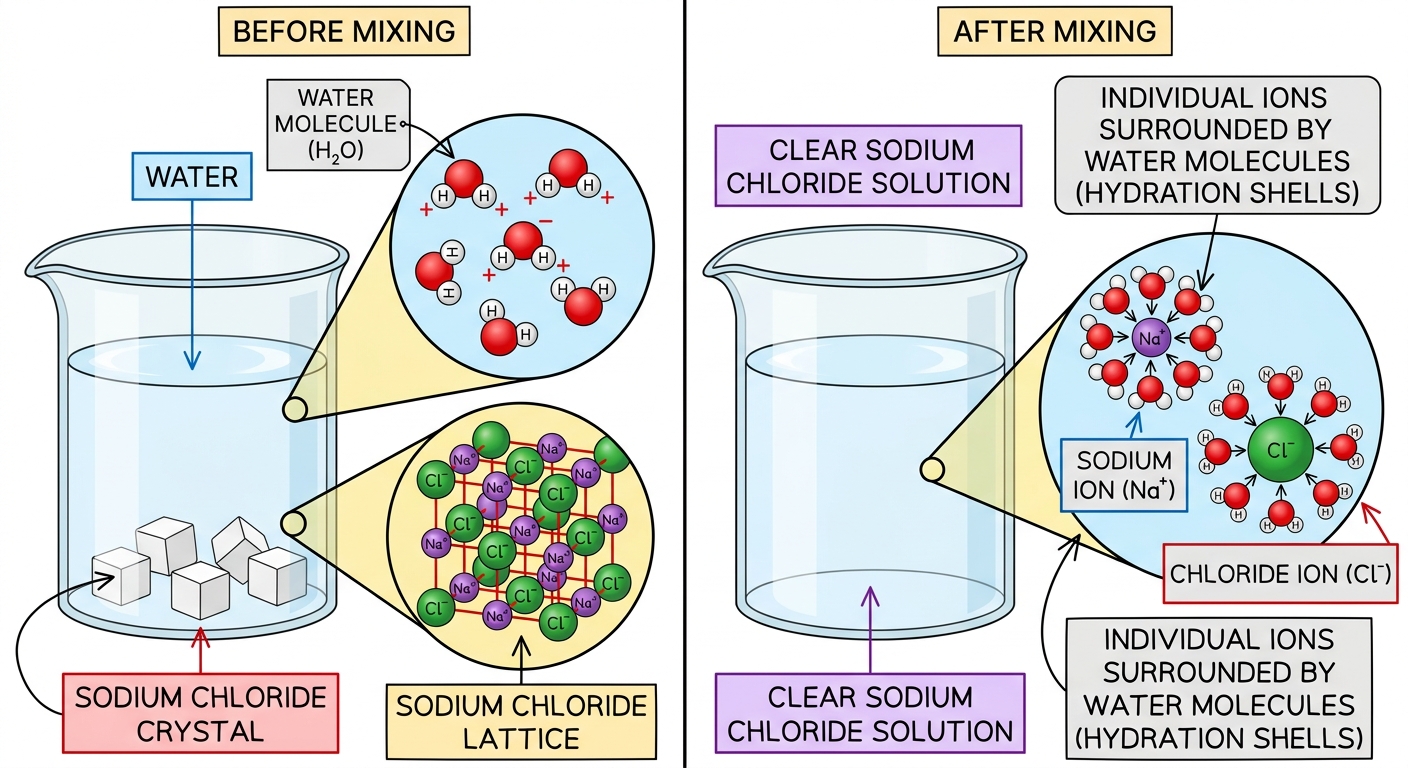
Which property of water is directly responsible for the dissolution of sodium chloride, as the polar ends of water molecules surround and stabilise the separated and ions?
Solutions
9FoundationMCQRole of water in living organisms1 markPaper 1~2 min
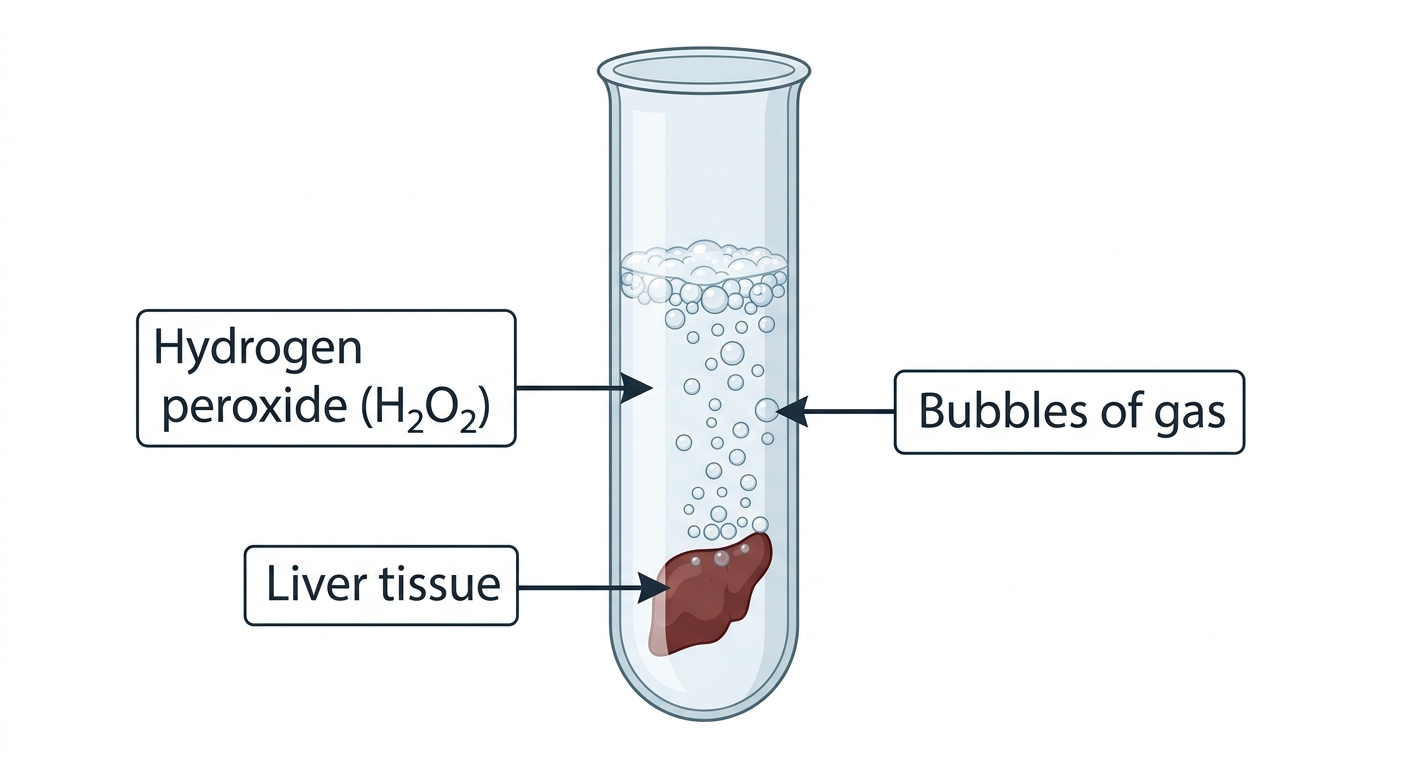
A small piece of liver tissue is added to a test tube containing hydrogen peroxide (). Bubbles of oxygen gas are immediately produced. Which property of water is most directly responsible for enabling the enzymatic reaction that generates these bubbles?
Solutions
10FoundationMCQWater as a solvent1 markPaper 1~2 min
A crystal of potassium permanganate is added to a beaker of distilled water. After several hours, the entire volume of water has a uniform purple colour. Which property of water best explains why the crystal dissolves and disperses evenly throughout the water?
Solutions
11FoundationMCQWater as a solvent1 markPaper 1~2 min
Which property of water best explains why glucose dissolves readily in water but vegetable oil does not?
Solutions
12FoundationMCQWater as a solvent1 markPaper 1~2 min
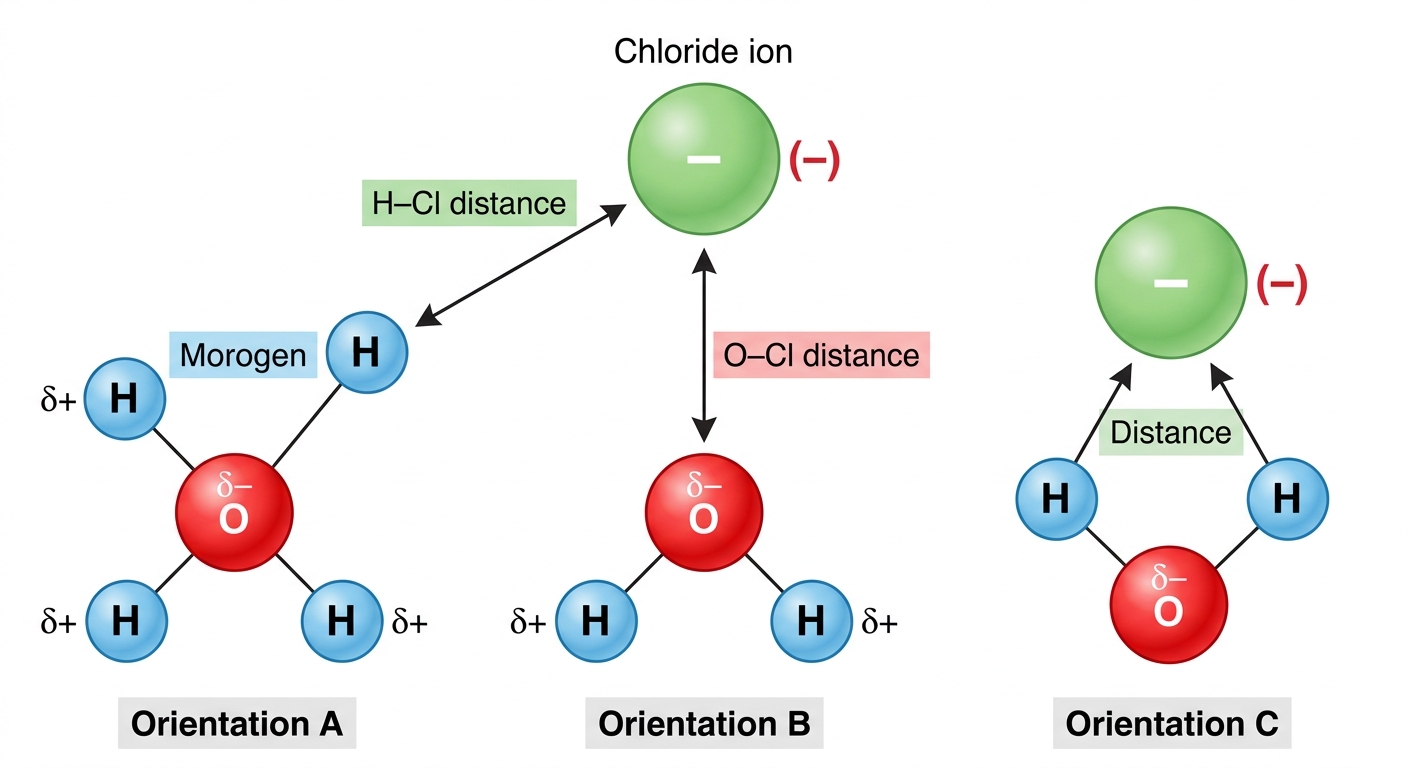
When sodium chloride dissolves in water, water molecules orientate themselves around each ion. Which orientation correctly shows how a water molecule is attracted to a chloride ion (Cl⁻)?
Solutions
13FoundationMCQWater as a solvent1 markPaper 1~2 min
Which property of water allows ionic compounds such as NaCl to dissolve, with and ions becoming surrounded by water molecules?
Solutions
14FoundationMCQWater as a solvent1 markPaper 1~2 min
A student prepares two solutions: Solution X contains NaCl dissolved in water, and Solution Y contains iodine () dissolved in ethanol. Which statement best explains why NaCl dissolves readily in water but not in ethanol, while dissolves readily in ethanol but not in water?
Solutions
15FoundationMCQWater as a solvent1 markPaper 1~2 min
Which property of water molecules allows ionic compounds such as sodium chloride to dissolve in seawater?
Solutions
16FoundationMCQWater as a solvent1 markPaper 1~2 min
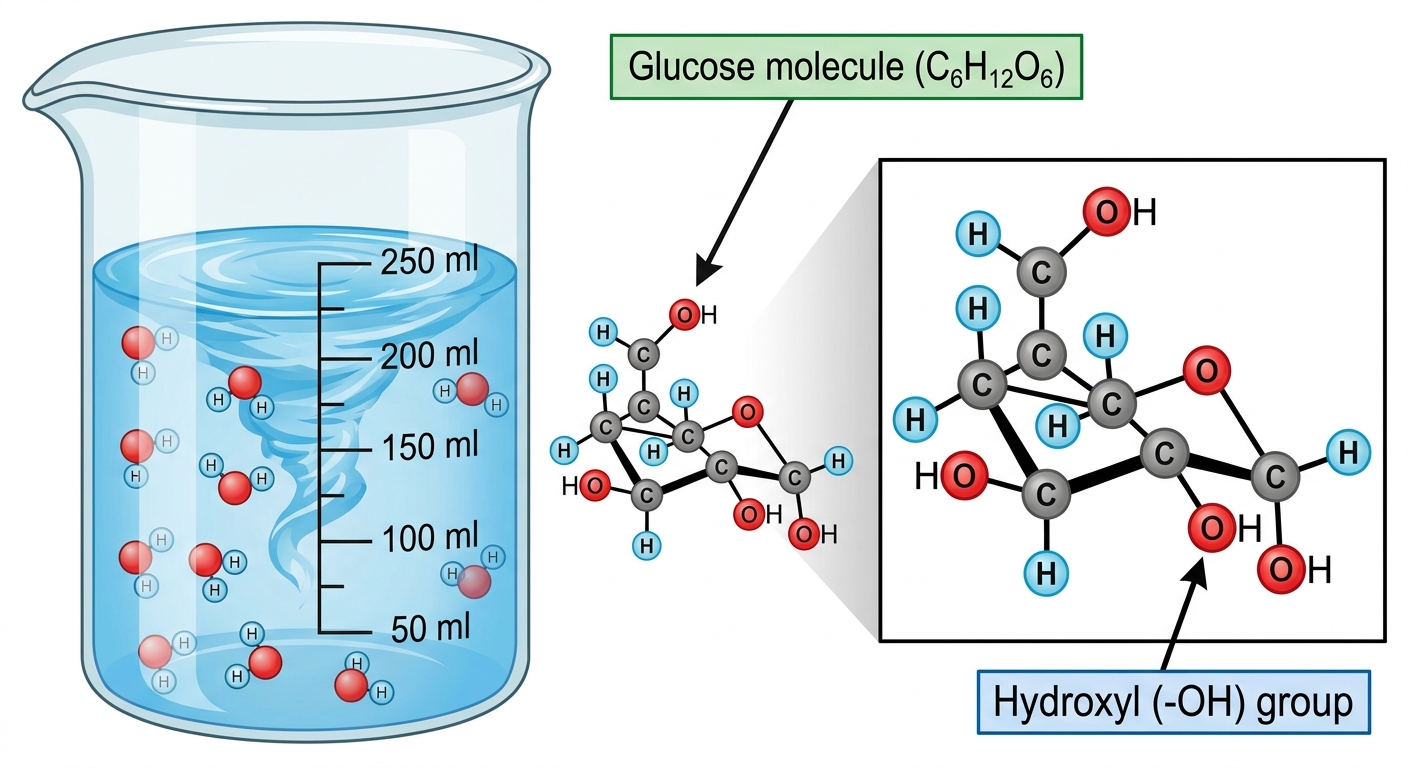
Which property of glucose molecules is primarily responsible for their solubility in water?
Solutions
17FoundationMCQWater’s role in temperature regulation1 markPaper 1~2 min
A hiker with a body temperature of drinks of water at . The specific heat capacity of water is . Assuming all thermal energy is transferred from the body to the water with no heat loss to the surroundings, how much thermal energy, in kJ, does the hiker's body transfer to the water?
Solutions
18FoundationMCQWater’s role in temperature regulation1 markPaper 1~2 min
A person drinks of water at . The body temperature is and the specific heat capacity of water is . How much thermal energy, in kJ, must the body transfer to warm the water to body temperature?
Solutions
19FoundationMCQWater’s role in temperature regulation1 markPaper 1~2 min
A small pond (volume ) and a nearby puddle (volume ) each receive the same solar energy input of . The specific heat capacity of water is , and the density of water is . What are the temperature increases of the pond and the puddle respectively?
Solutions
20FoundationMCQWater’s role in temperature regulation1 markPaper 1~2 min
A swimming pool contains 50 000 L of water (density = 1 kg L). On a sunny day, the water absorbs kJ of thermal energy. The specific heat capacity of water is 4.2 kJ kg °C. Which of the following correctly states the temperature increase and explains its biological significance for aquatic organisms?
Solutions
Showing 20 of 208 free questions
That's every free question here — 208 of 209.
+1 more questions, plus Mock Papers & Worksheets, are waiting in Premium.