You're viewing 4 free preview questions for Chemistry HL — subscribe to unlock 127 more, plus the Full Question Bank, Mock Papers & Worksheets.Upgrade
Electron-Pair Sharing Reactions · Paper 1 — Free Chemistry HL Practice Questions

1FoundationMCQCoordinate covalent bonding1 markPaper 1~2 min
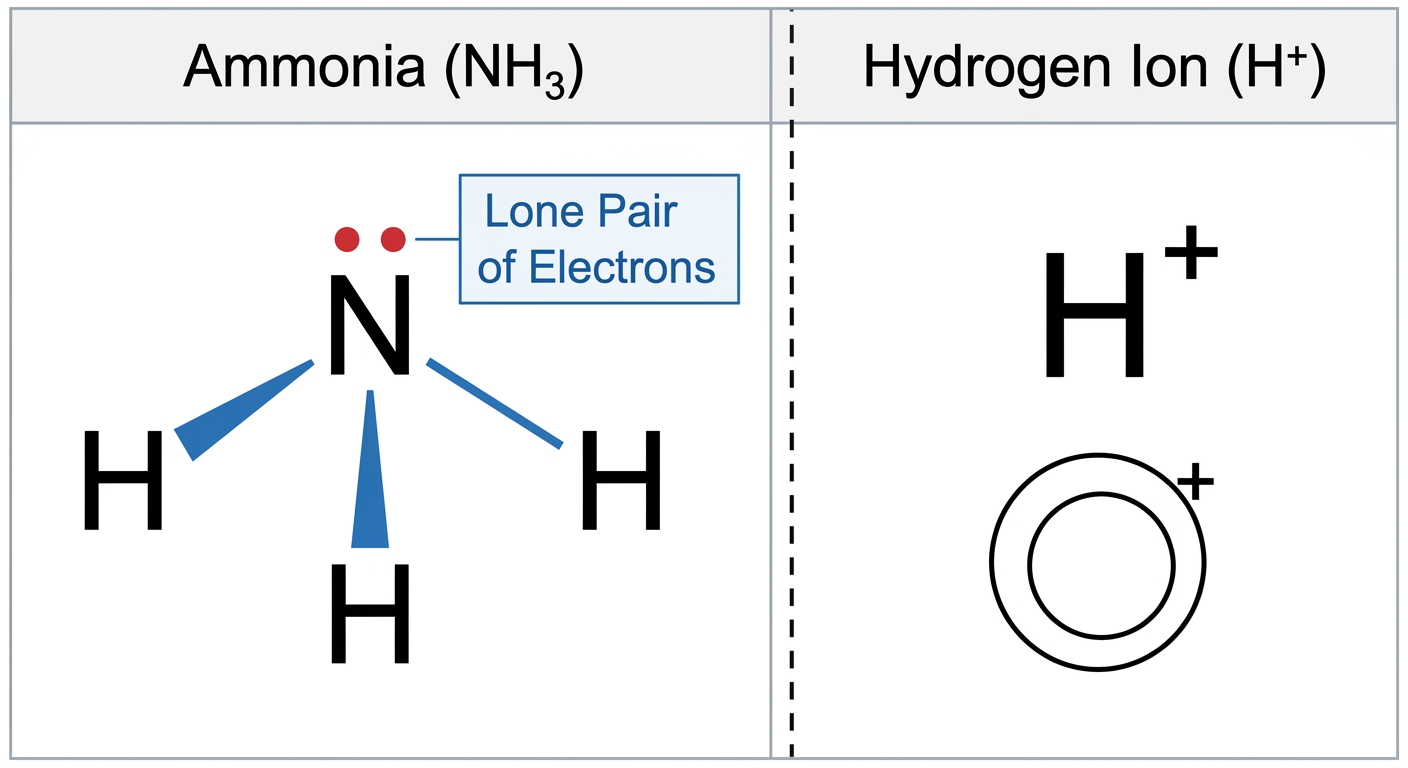
When ammonia reacts with a hydrogen ion to form the ammonium ion, , which statement correctly describes the bond formed and the formal charge on nitrogen in ?

Solutions
2FoundationMCQCoordinate covalent bonding1 markPaper 1~2 min
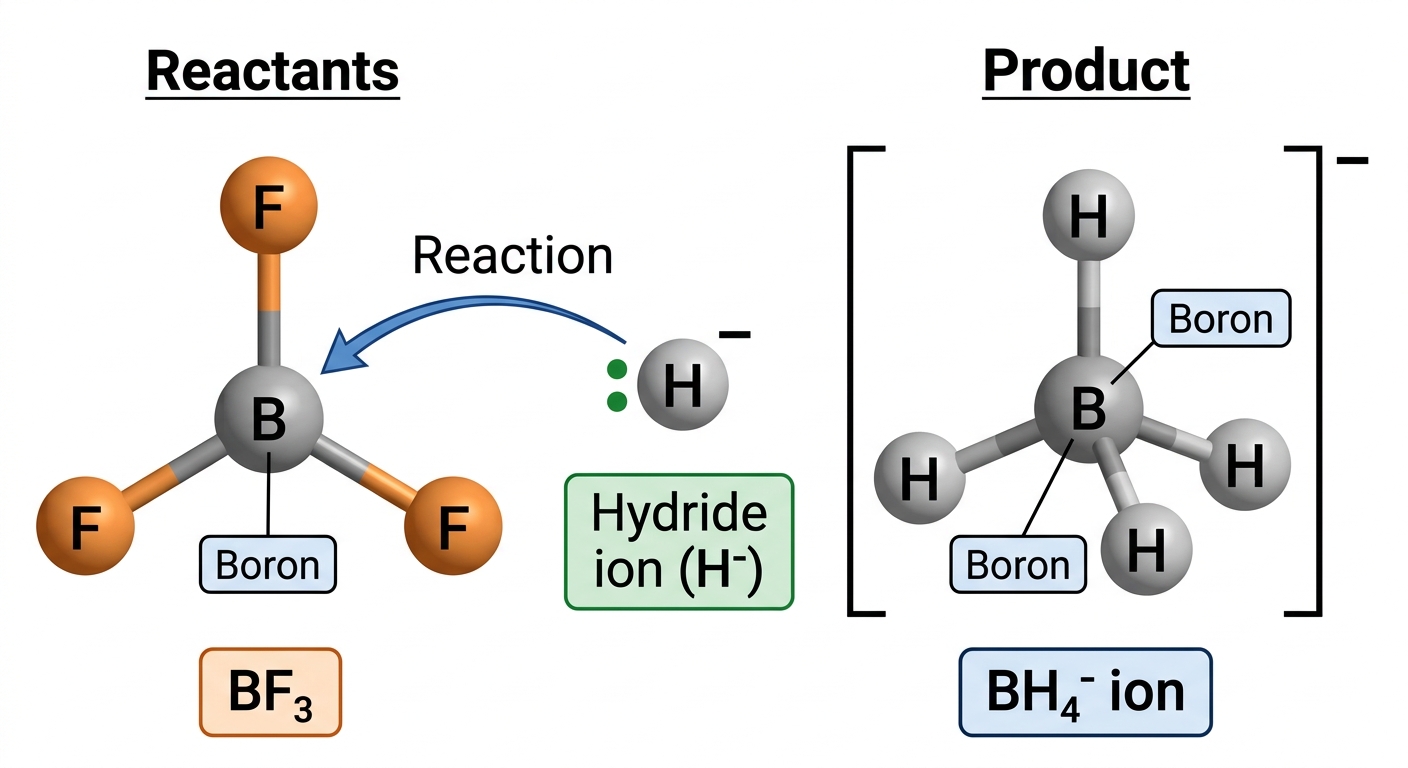
A hydride ion, , donates its lone pair to boron trifluoride, , forming the tetrahydridoborate ion, . What is the change in hybridisation of the boron atom and the molecular geometry of the species as becomes ?
Solutions
3FoundationMCQCoordinate covalent bonding1 markPaper 1~2 min
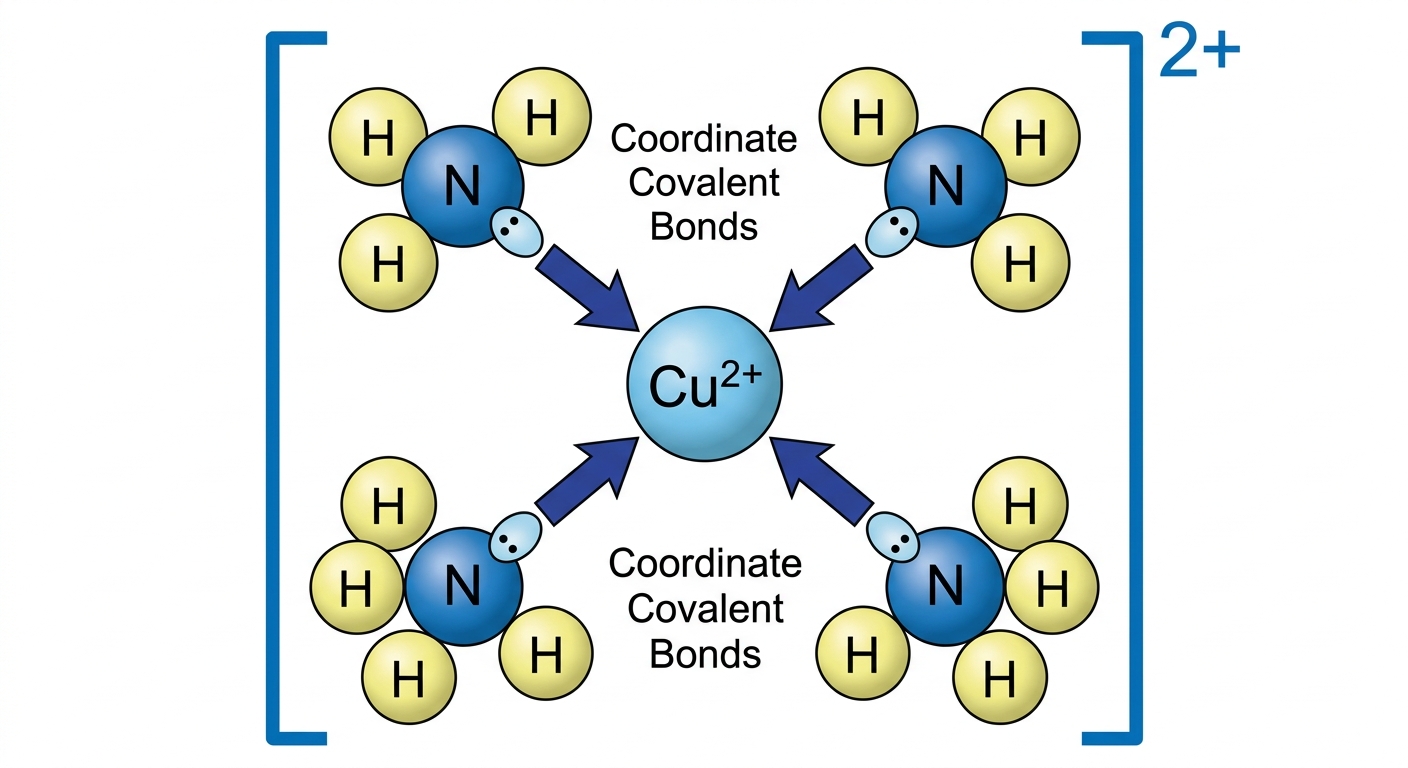
In the complex ion , which statement correctly describes the Cu–N bond and identifies the Lewis acid in this interaction?
Solutions
4MasteryMCQLewis acids and bases1 markPaper 1~2 min
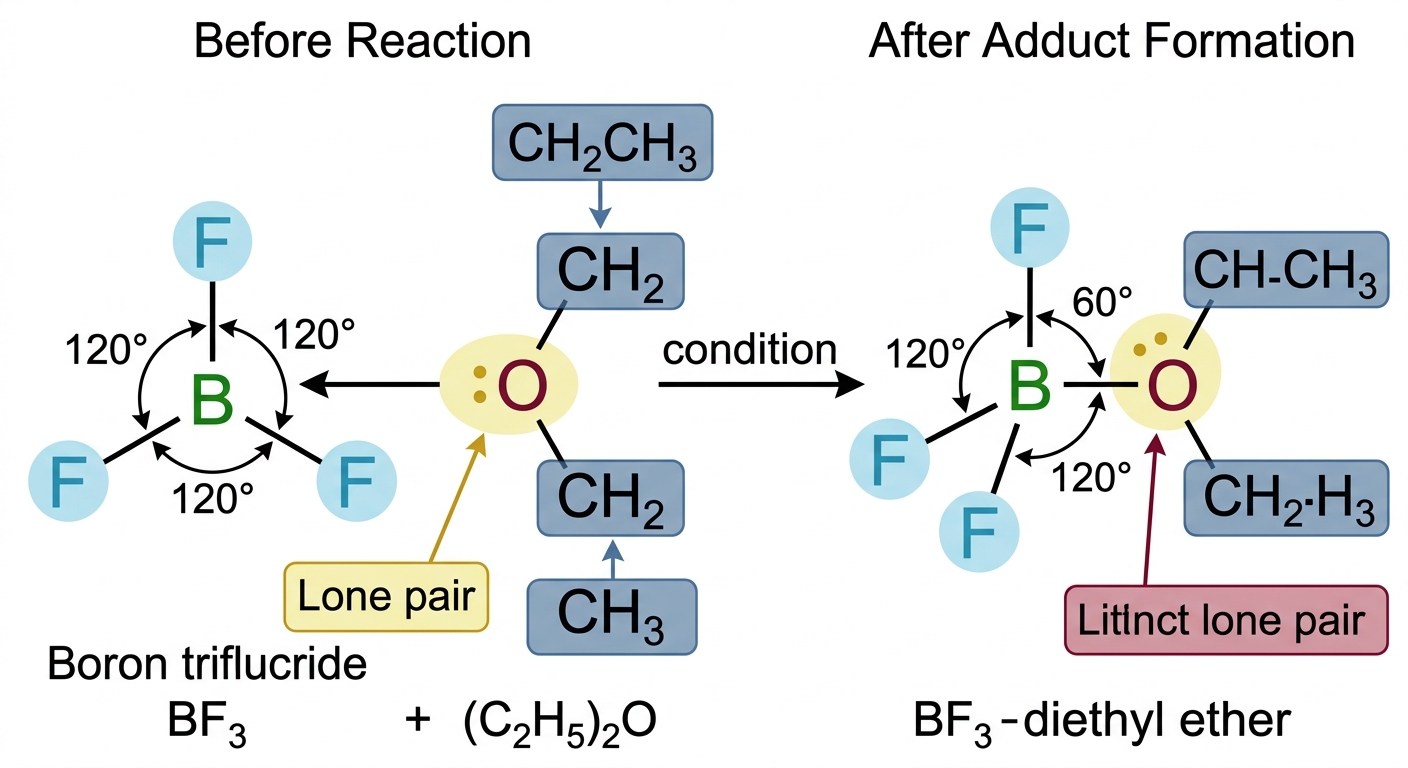
Boron trifluoride, , reacts with diethyl ether, , to form a stable adduct in which the oxygen atom donates a lone pair to the boron atom. Which change in hybridisation of the boron atom occurs when this adduct forms?
Solutions
That's every free question here — 4 of 131.
+127 more questions, plus Mock Papers & Worksheets, are waiting in Premium.