You're viewing 4 free preview questions for Chemistry HL — subscribe to unlock 160 more, plus the Full Question Bank, Mock Papers & Worksheets.Upgrade
From Models to Materials · Paper 1 — Free Chemistry HL Practice Questions

1FoundationMCQSolids, liquids, and gases: Structural differences1 markPaper 1~2 min
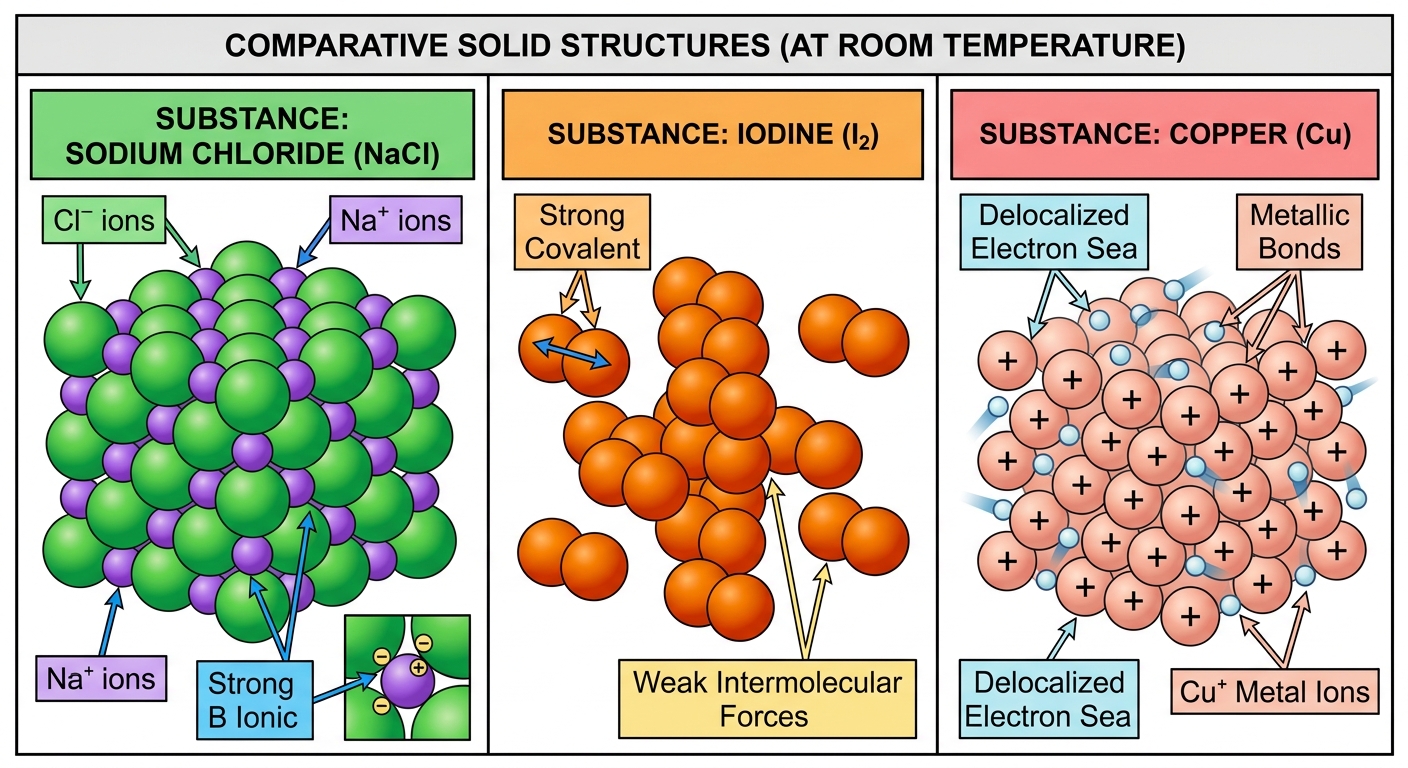
Three solids — sodium chloride (NaCl), iodine (I₂), and copper (Cu) — are tested for electrical conductivity at room temperature. Only one conducts. Which statement correctly identifies the conducting solid and explains why?

Solutions
2FoundationMCQSolids, liquids, and gases: Structural differences1 markPaper 1~2 min
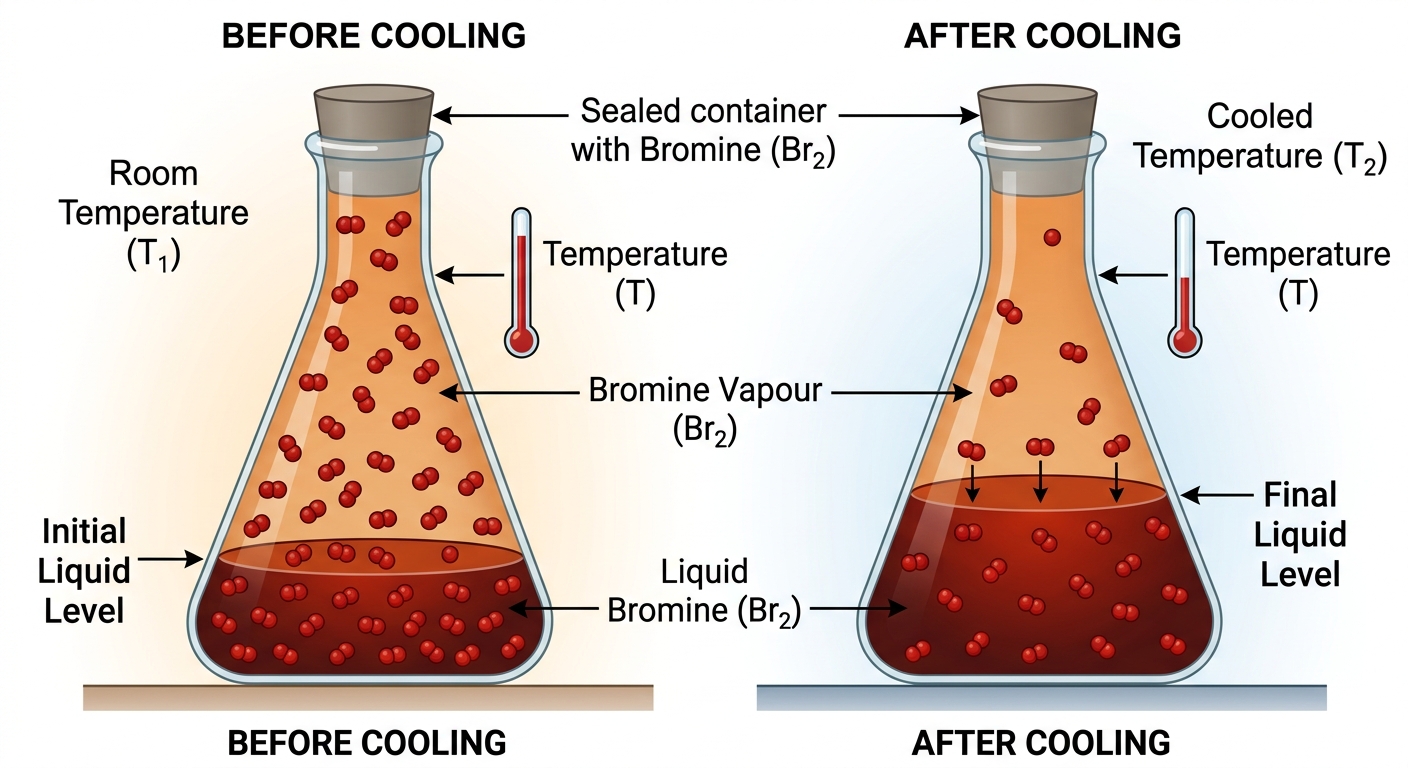
When liquid bromine, , is placed in a sealed container at room temperature, it reaches equilibrium with its vapour. The container is then cooled until some vapour condenses. Which statement correctly describes the change in both the arrangement and the average kinetic energy of the bromine particles as condensation occurs?
Solutions
3FoundationMCQSolids, liquids, and gases: Structural differences1 markPaper 1~2 min
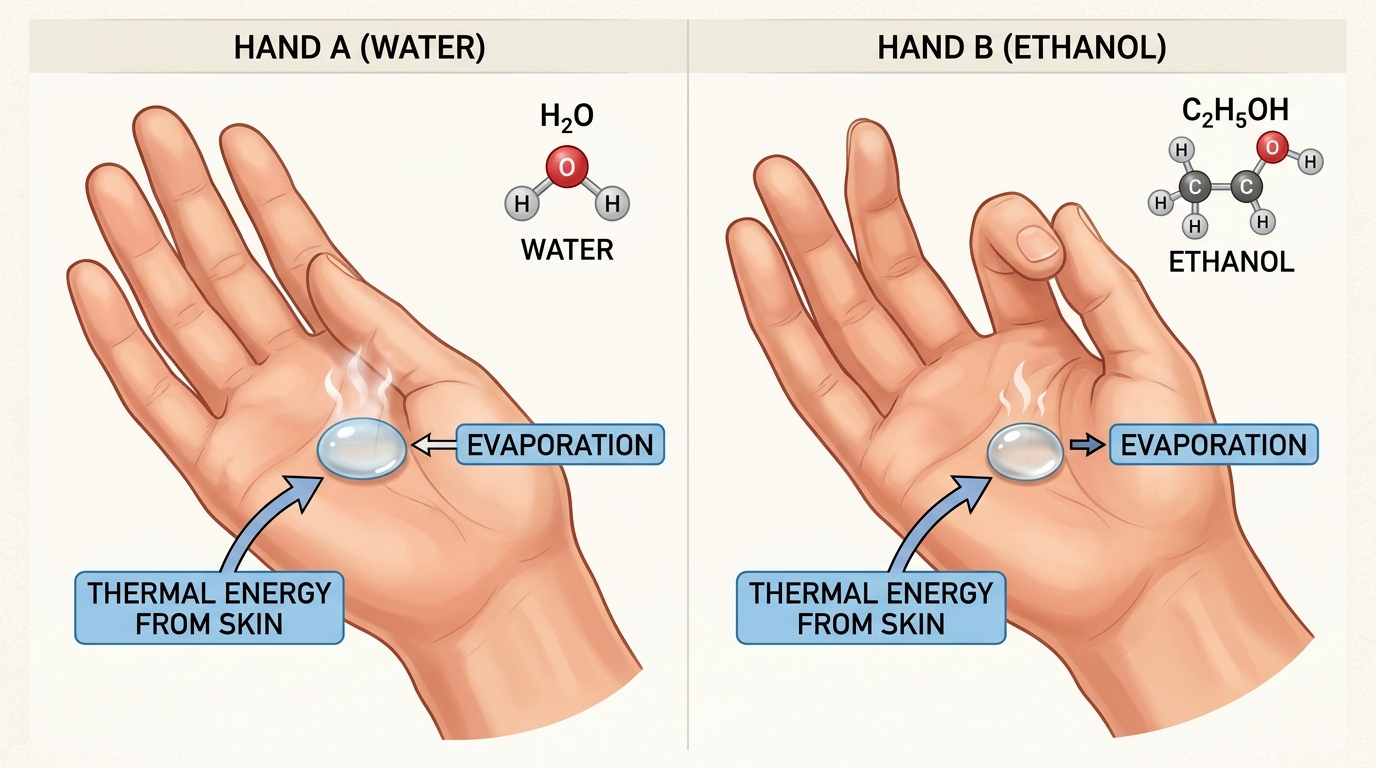
A drop of ethanol () placed one hand feels noticeably colder than a drop of water () placed on the other hand as each evaporates. Which statement best explains this observation?
Solutions
4MasteryMCQSolids, liquids, and gases: Structural differences1 markPaper 1~2 min
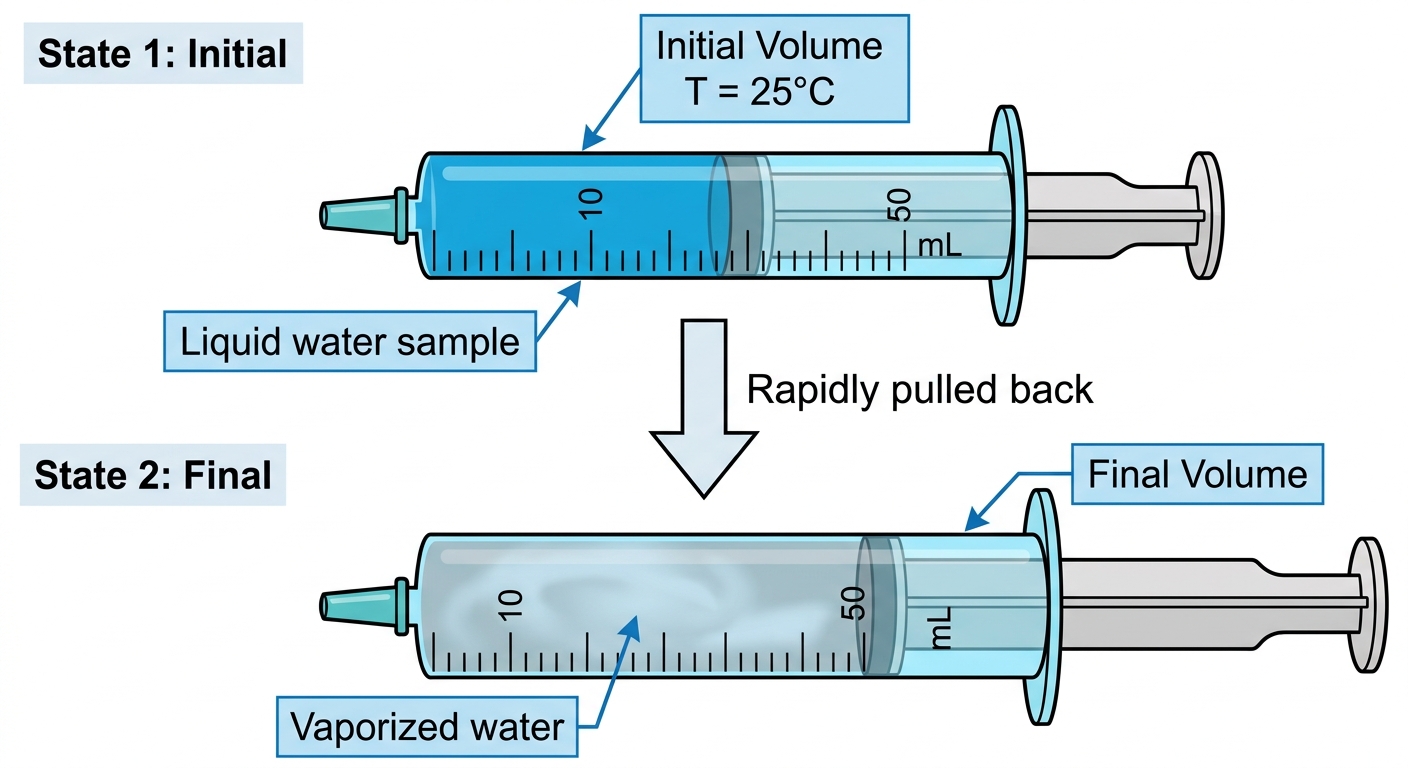
A sealed syringe contains liquid water at . The plunger is pulled back until the internal pressure drops to . The vapour pressure of water at is . Which statement best explains why the liquid water vaporizes completely under these conditions?
Solutions
That's every free question here — 4 of 164.
+160 more questions, plus Mock Papers & Worksheets, are waiting in Premium.