Functional Groups: Classification of Organic Compounds · Paper 2 — Free Chemistry SL Practice Questions
Free questions
Open in full, with answers, mark scheme and examiner insights.
IUPAC naming conventions for organic compounds
The structure of compound W is shown.
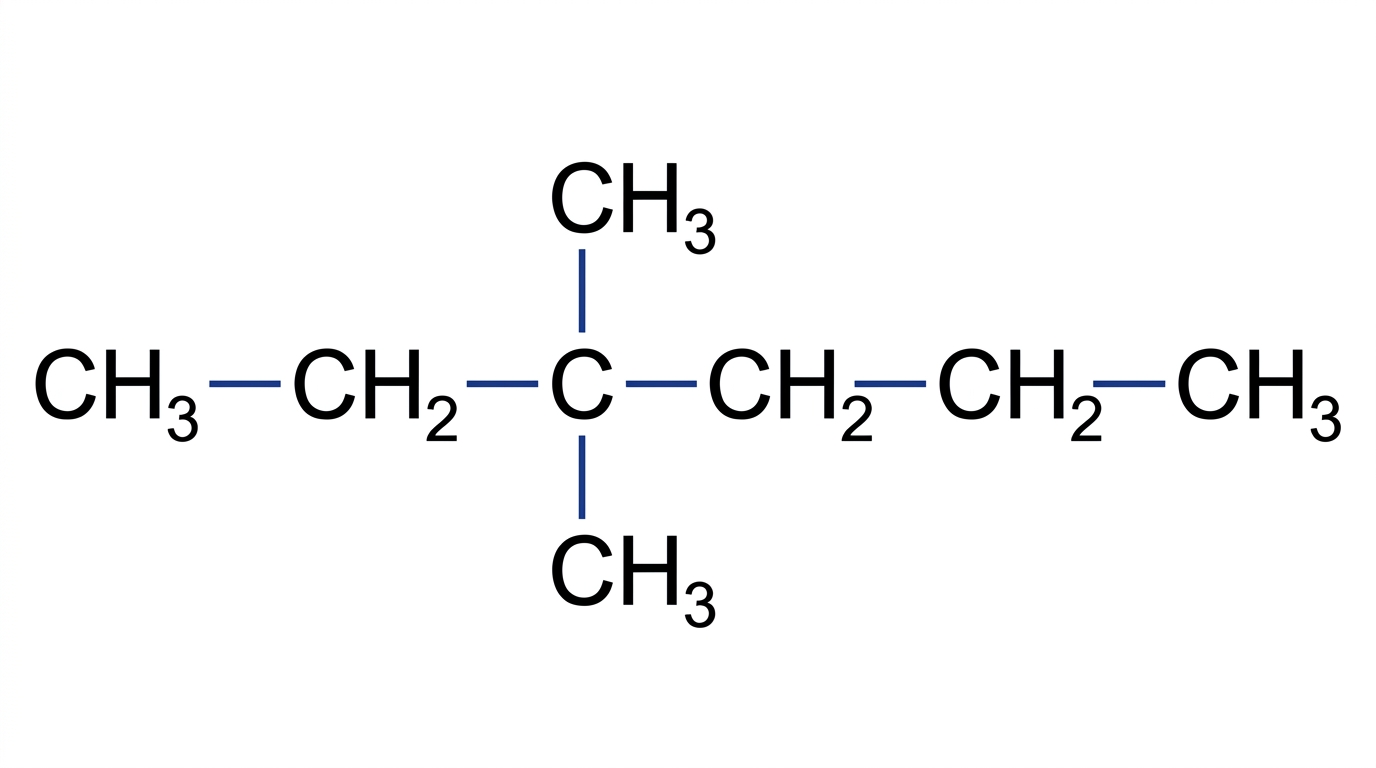
State the number of carbon atoms in the longest continuous chain.
Deduce the IUPAC name of W.
A student names W as 4,4-dimethylhexane. Explain why this name is incorrect.
Deduce the molecular formula of W.
revisionprep.com
Summary Answer
Not available for this question.
Model Answer
Not available for this question.
Marking Scheme
Not available for this question.
Examiner Insights
Not available for this question.
Isomerism and structural formulas
Four skeletal formulae A, B, C and D of compounds with the molecular formula are shown in the diagram.
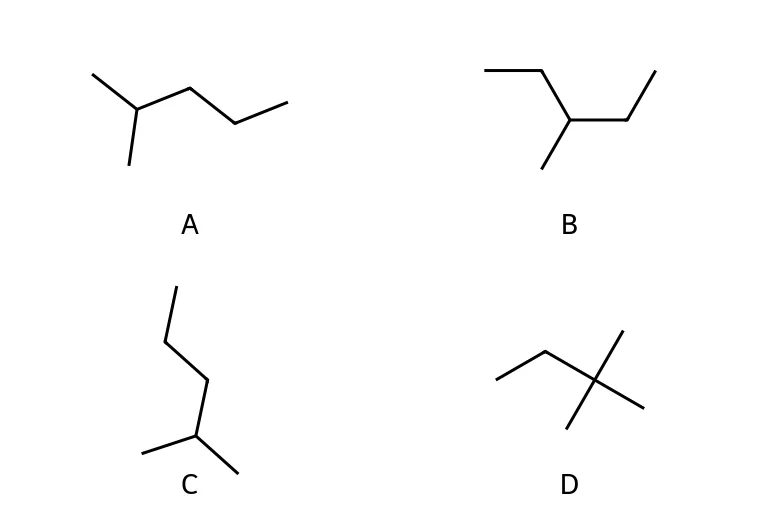
Identify the two skeletal formulae that represent the same compound.
Deduce the IUPAC names of the three different compounds shown.
State the name of one structural isomer of C6H14 that is not shown.
revisionprep.com
Summary Answer
Not available for this question.
Model Answer
Not available for this question.
Marking Scheme
Not available for this question.
Examiner Insights
Not available for this question.
IUPAC naming conventions for organic compounds
The skeletal formula of an alkane is shown.
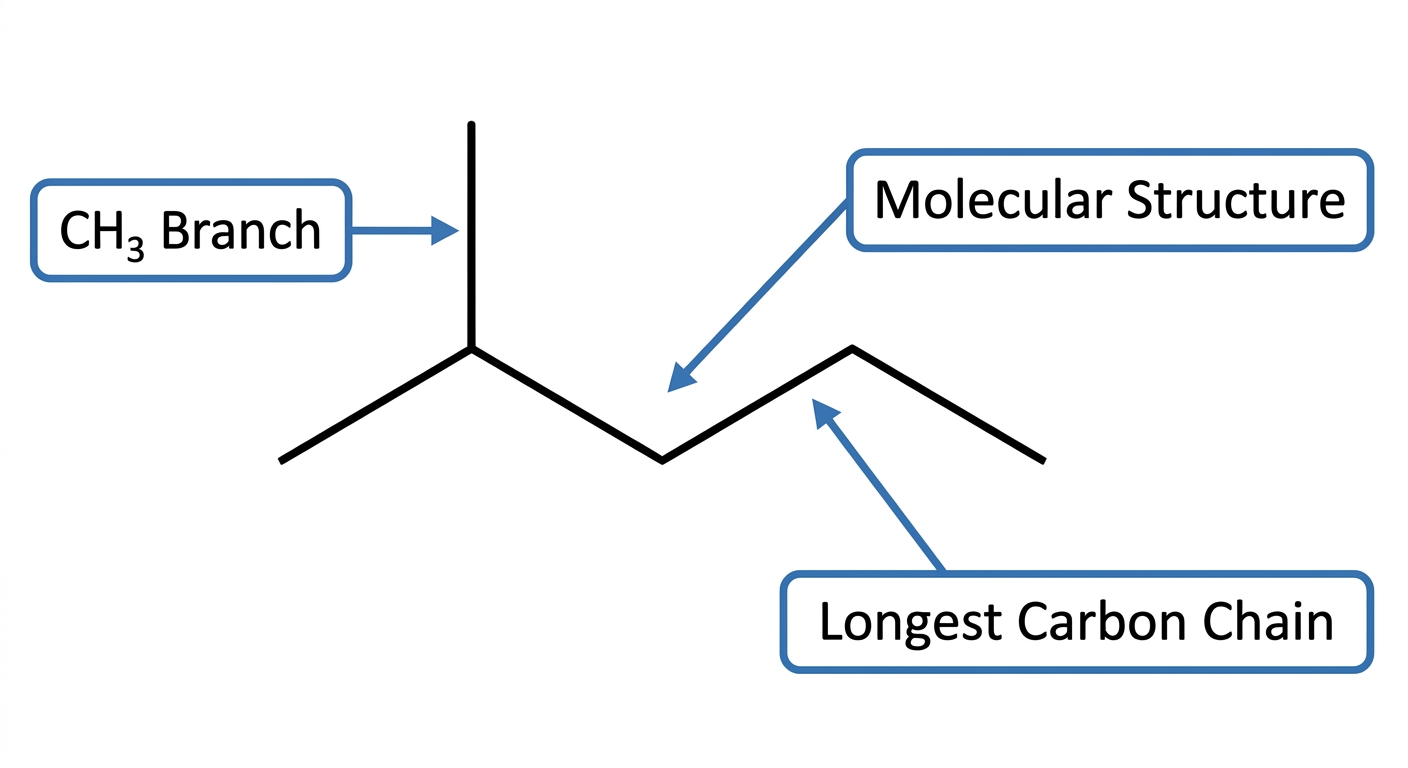
State the molecular formula of the alkane.
State its IUPAC name.
A student names it 4-methylpentane. Explain the error.
Predict, with a reason, whether hexane has a higher or lower boiling point than this alkane.
revisionprep.com
Summary Answer
Not available for this question.
Model Answer
Not available for this question.
Marking Scheme
Not available for this question.
Examiner Insights
Not available for this question.
Introduction to organic chemistry and functional groups
A compound from a flavour study has the skeletal formula shown.
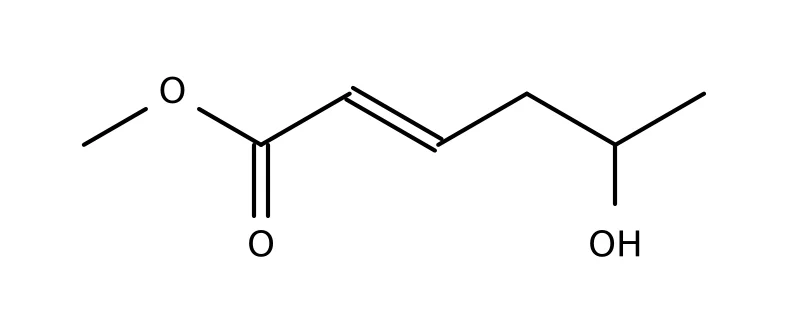
List the three functional groups present in the molecule.
Deduce the molecular formula of the compound.
Determine the empirical formula of the compound.
Explain why the alcohol group in this compound is classified as secondary.
revisionprep.com
Summary Answer
Not available for this question.
Model Answer
Not available for this question.
Marking Scheme
Not available for this question.
Examiner Insights
Not available for this question.
Introduction to organic chemistry and functional groups
Four compounds have similar molar masses but different boiling points.
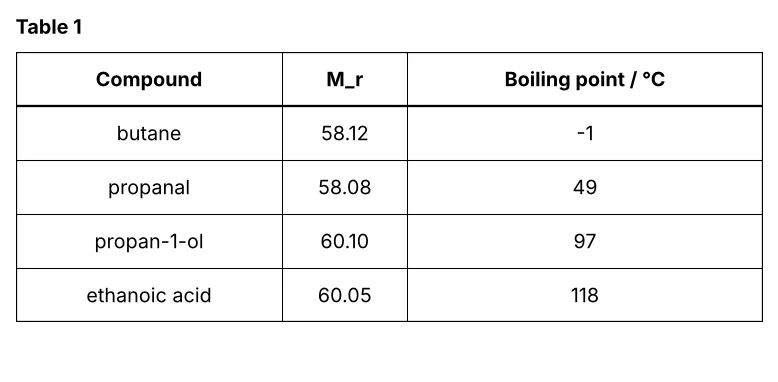
Identify the homologous series of each of the four compounds.
State the strongest type of intermolecular force between molecules of propan-1-ol.
Discuss the order of boiling points of the four compounds in terms of the intermolecular forces in each.
Suggest why ethanoic acid boils at a higher temperature than propan-1-ol, although both have the same relative molecular mass.
Calculate the percentage by mass of oxygen in propan-1-ol, .
revisionprep.com
Summary Answer
Not available for this question.
Model Answer
Not available for this question.
Marking Scheme
Not available for this question.
Examiner Insights
Not available for this question.
Alcohols, aldehydes, ketones, carboxylic acids, and amines
Alcohol Q has the molecular formula and a boiling point of . Q does not change the colour of acidified potassium dichromate(VI) on warming. The boiling points of three of its isomers are: butan-1-ol , butan-2-ol and ethoxyethane .
State the class of alcohols that do not change the colour of acidified potassium dichromate(VI) on warming.
Deduce the name of Q and explain your answer.
Explain why Q has the lowest boiling point of the four alcohol isomers of .
State the type of structural isomerism between ethoxyethane and Q.
Explain why ethoxyethane has a much lower boiling point than Q.
revisionprep.com
Summary Answer
Not available for this question.
Model Answer
Not available for this question.
Marking Scheme
Not available for this question.
Examiner Insights
Not available for this question.
That's every free question here — 6 of 252.
+246 more questions, plus Mock Papers & Worksheets, are waiting in Premium.