You're viewing free preview questions. Upgrade to access more Chemistry SL questions.Upgrade
Introduction to the Particulate Nature of Matter · Paper 1 — Free Chemistry SL Practice Questions

1FoundationMCQProperties of matter1 markPaper 1~2 min
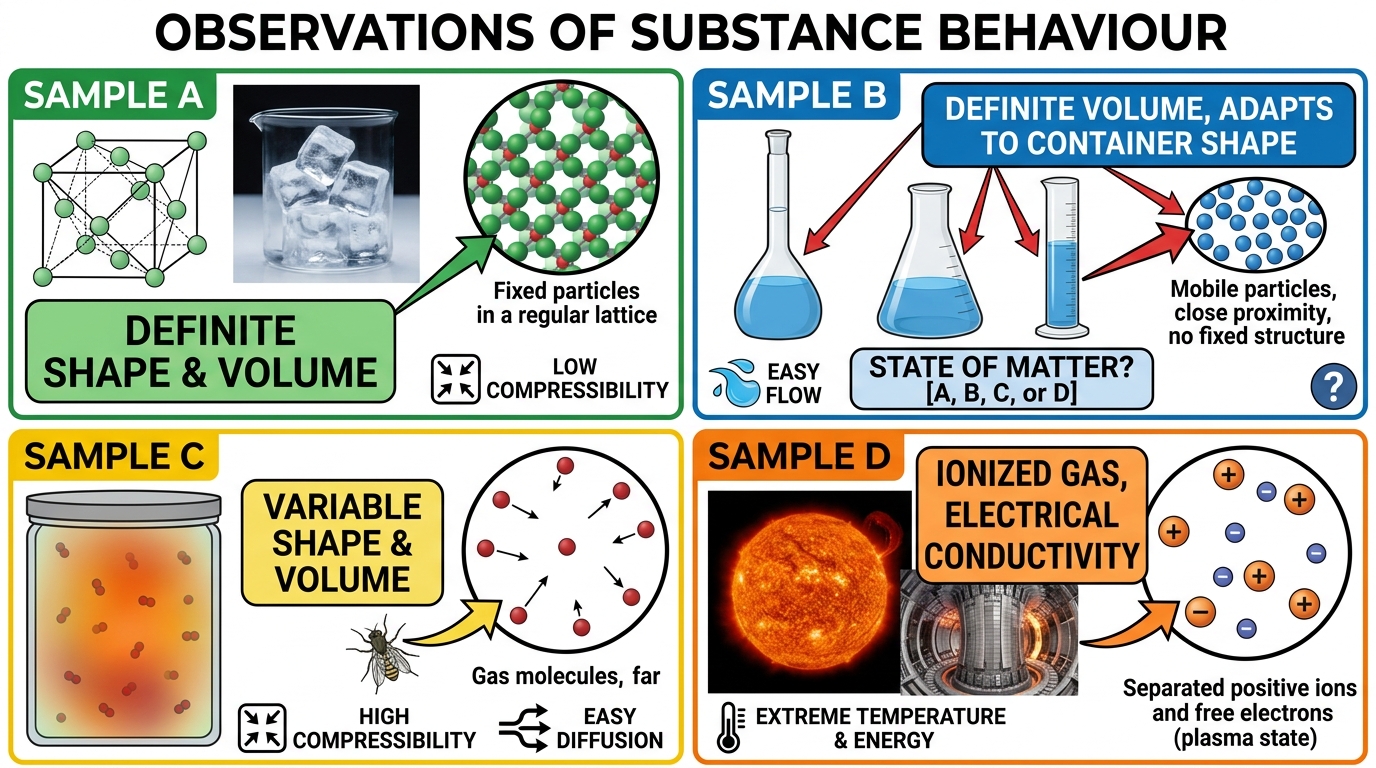
A liquid sample and a gaseous sample are each placed in separate sealed containers of twice their original volume. Which row correctly describes the behavior of both samples?

Solutions
2FoundationMCQProperties of matter1 markPaper 1~2 min
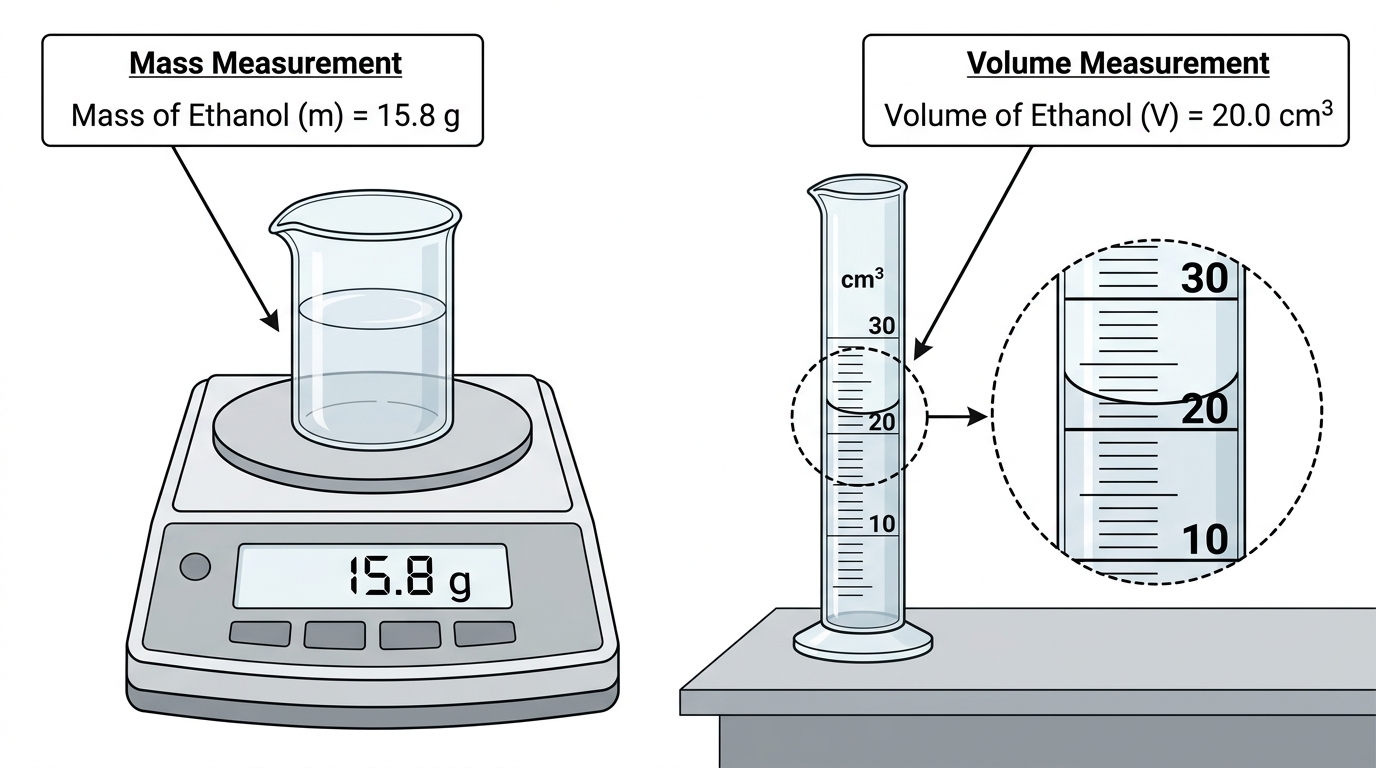
A student measures the mass of a sample of ethanol as and its volume as . What is the density of the ethanol?
Solutions
3FoundationMCQProperties of matter1 markPaper 1~2 min
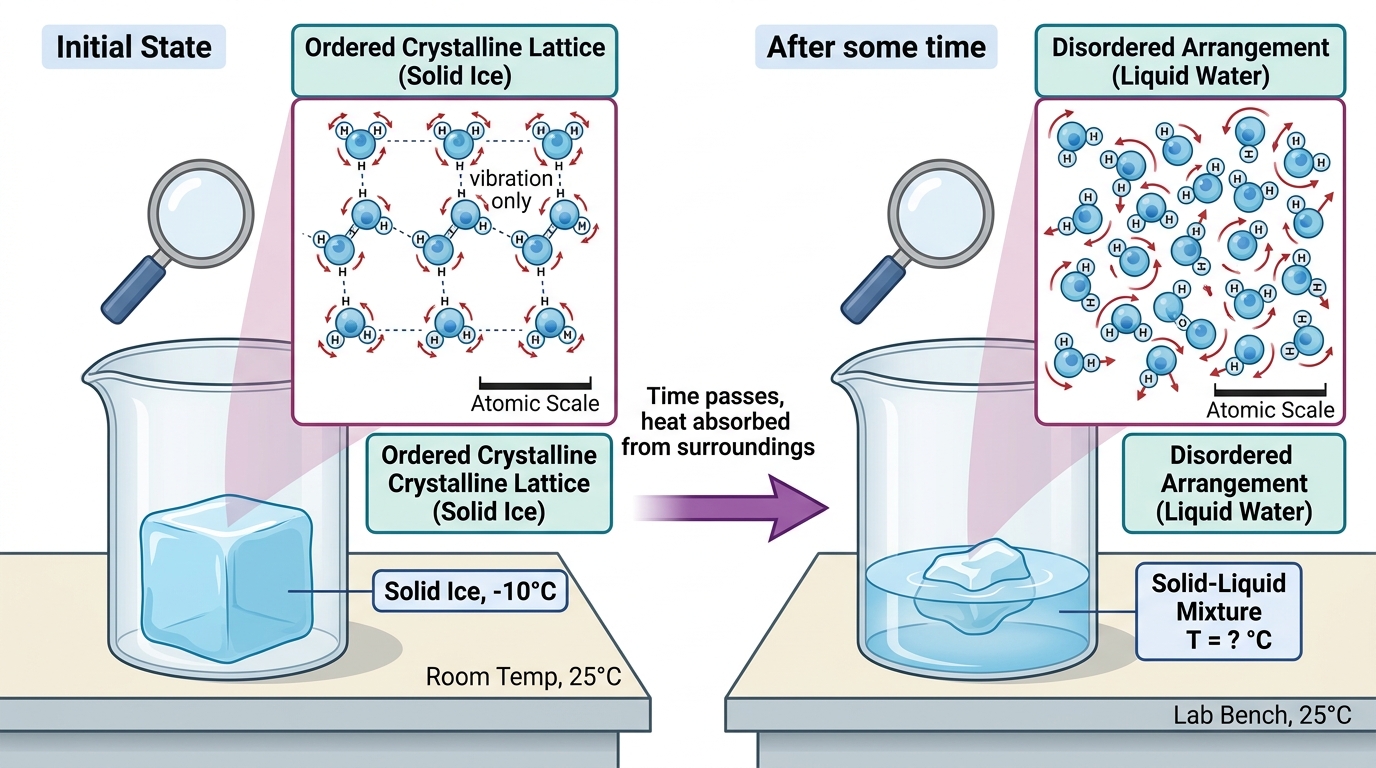
When ice at melts to liquid water at , which of the following correctly describes the change in particle arrangement and motion?
Solutions
4FoundationMCQMolecular theory and the nature of matter1 markPaper 1~2 min
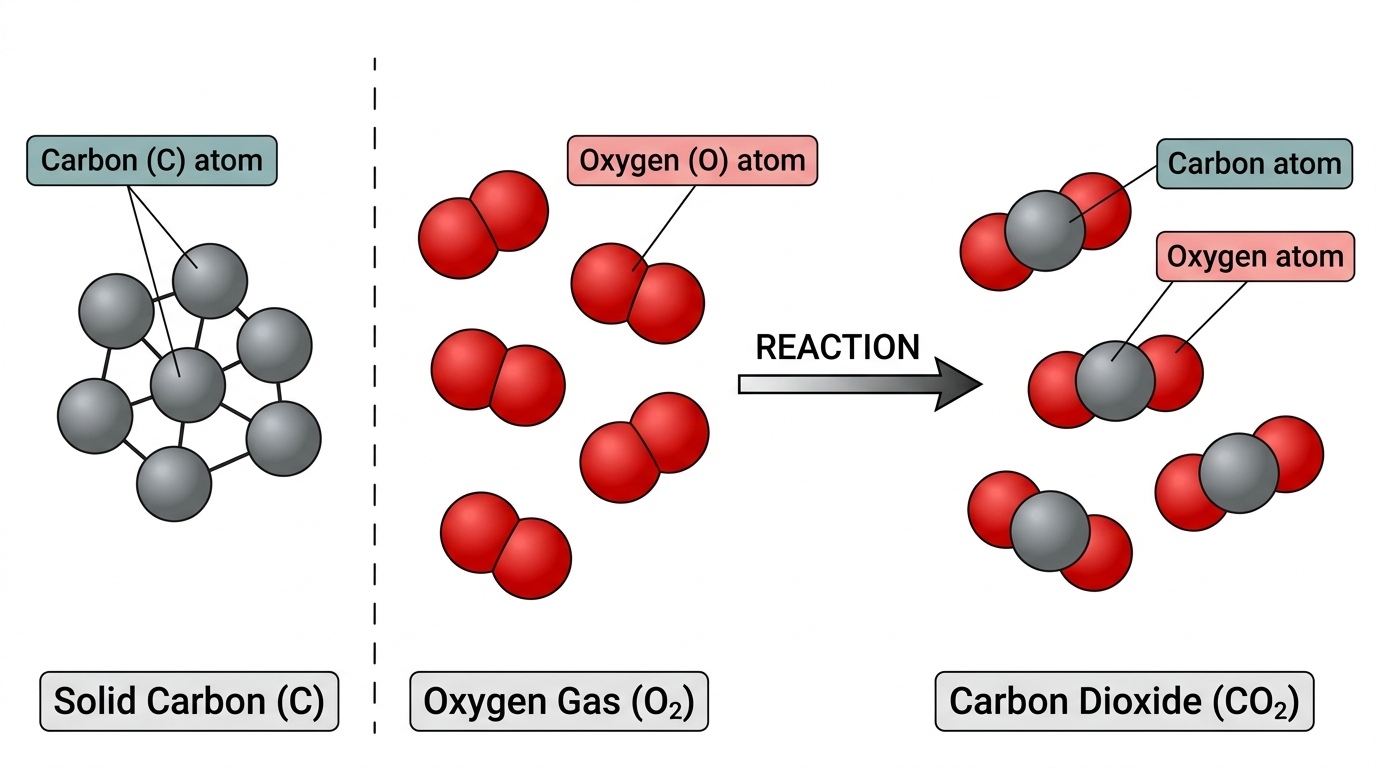
In the reaction , Dalton's postulate that atoms of different elements have different, fixed masses is used to predict the mass composition of carbon dioxide. Using atomic masses and , which mass ratio of carbon to oxygen in is directly predicted by this postulate?
Solutions
5FoundationMCQProperties of matter1 markPaper 1~2 min
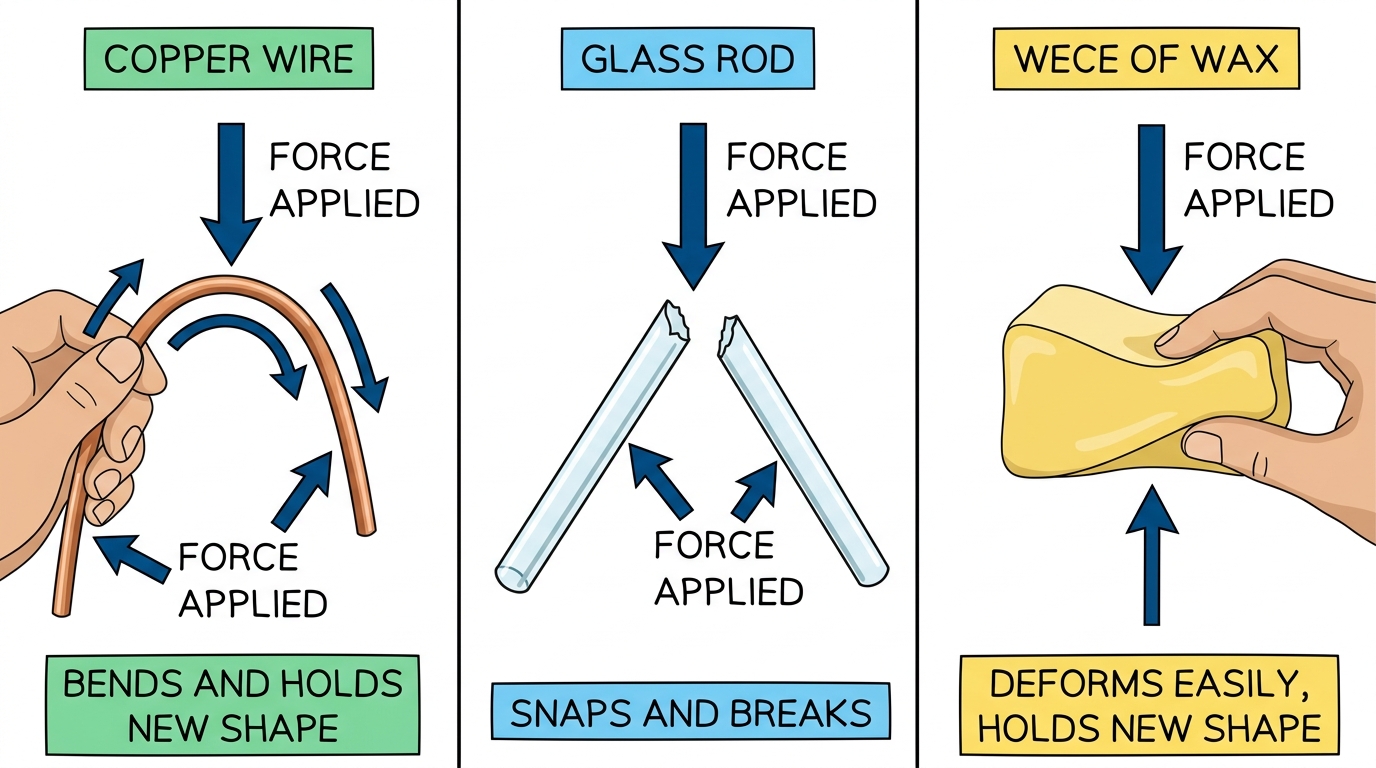
A copper wire bends and stays bent when force is applied. A glass rod snaps under the same force. A piece of wax deforms easily and retains its new shape. Which row correctly classifies these three materials?
Solutions
6FoundationMCQProperties of matter1 markPaper 1~2 min
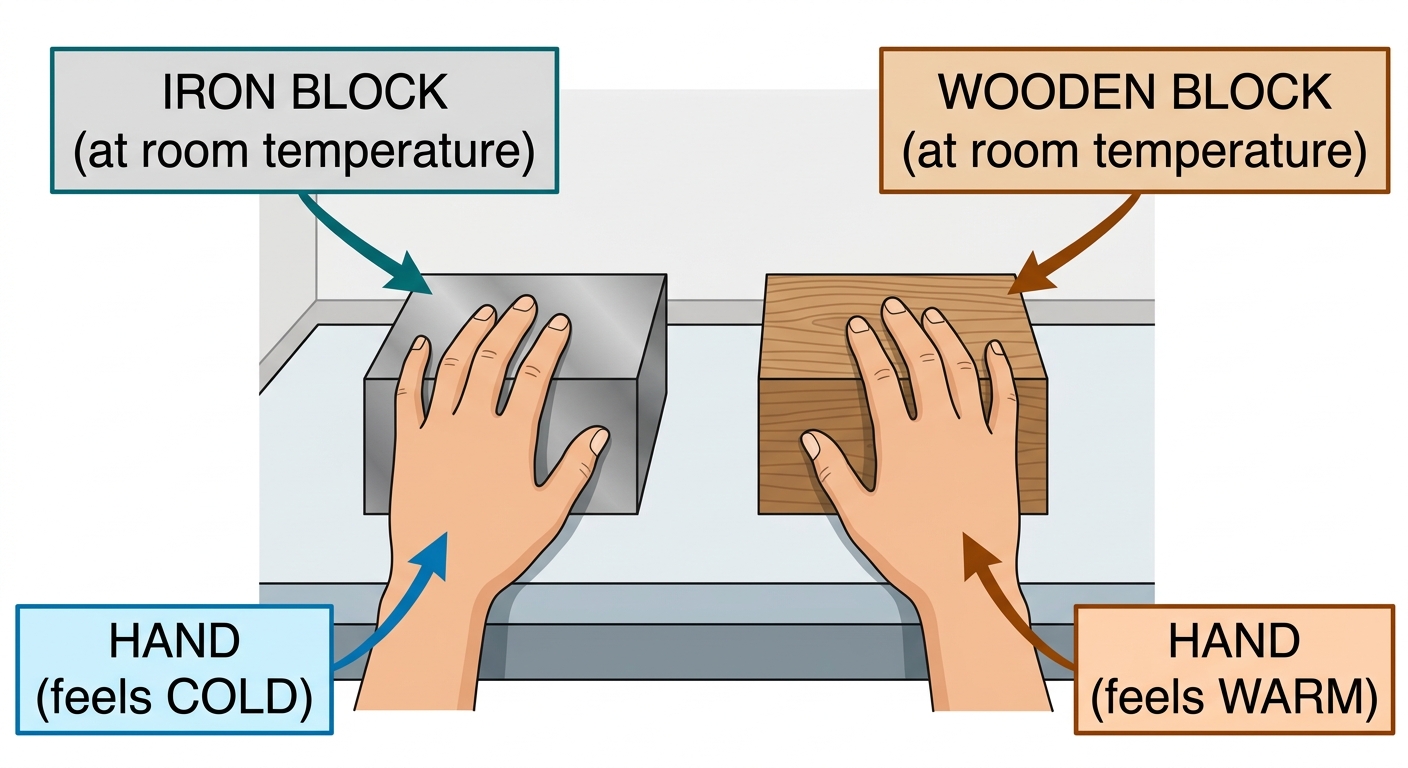
A block of iron and a block of wood are both left in a room until they reach the same temperature. When touched, the iron feels cold but the wood feels warm. Which physical property best explains this difference in sensation?
Solutions
7FoundationMCQMolecular theory and the nature of matter1 markPaper 1~2 min
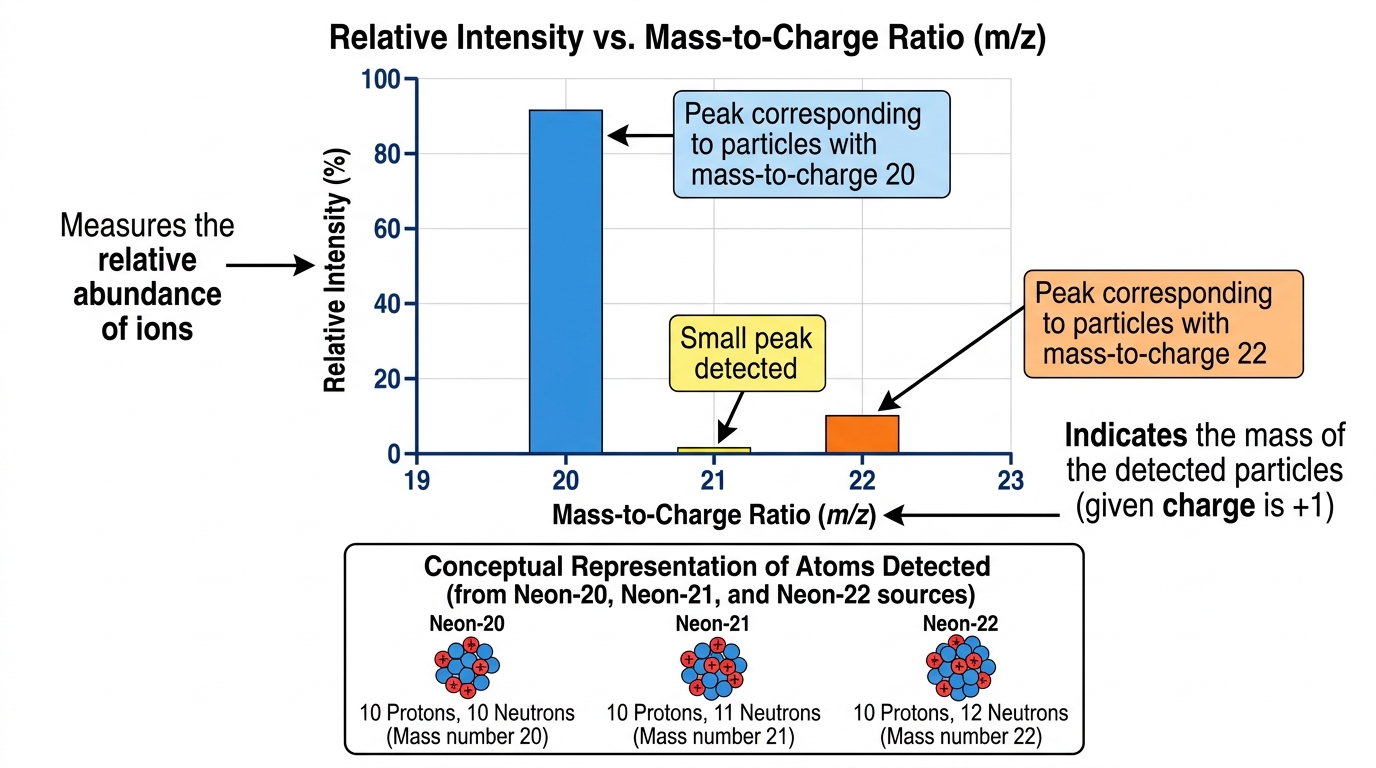
Dalton proposed that all atoms of the same element are identical in mass. Which experimental discovery directly contradicted this postulate?
Solutions
8FoundationMCQProperties of matter1 markPaper 1~2 min
Which statement best explains, in terms of particle behaviour, why a solid has a fixed shape while a gas fills its entire container?
Solutions
9FoundationMCQProperties of matter1 markPaper 1~2 min
A student measures the mass of a sample of ethanol and records . The accepted density of ethanol at this temperature is , but the student's calculated density is . Which of the following is the most likely cause of this discrepancy?
Solutions
10FoundationMCQMolecular theory and the nature of matter1 markPaper 1~2 min
Dry ice (solid ) is placed in a warm room at standard pressure. Which process describes the phase change that occurs?
Solutions
11FoundationMCQMolecular theory and the nature of matter1 markPaper 1~2 min
Atoms of the same element that have different numbers of neutrons, and therefore different mass numbers, are called
Solutions
12FoundationMCQProperties of matter1 markPaper 1~2 min
A pure liquid substance at does not conduct electricity and has a melting point of and a boiling point of . What is the state of this substance at ?
Solutions
13FoundationMCQProperties of matter1 markPaper 1~2 min
A block of ice at is placed into of water at . After the ice completely melts, the final temperature of the mixture is . Which statement best explains why the final temperature is lower than the initial temperature of the water?
Solutions
14FoundationMCQSolid, liquid, gas phases and changes of state1 markPaper 1~2 min
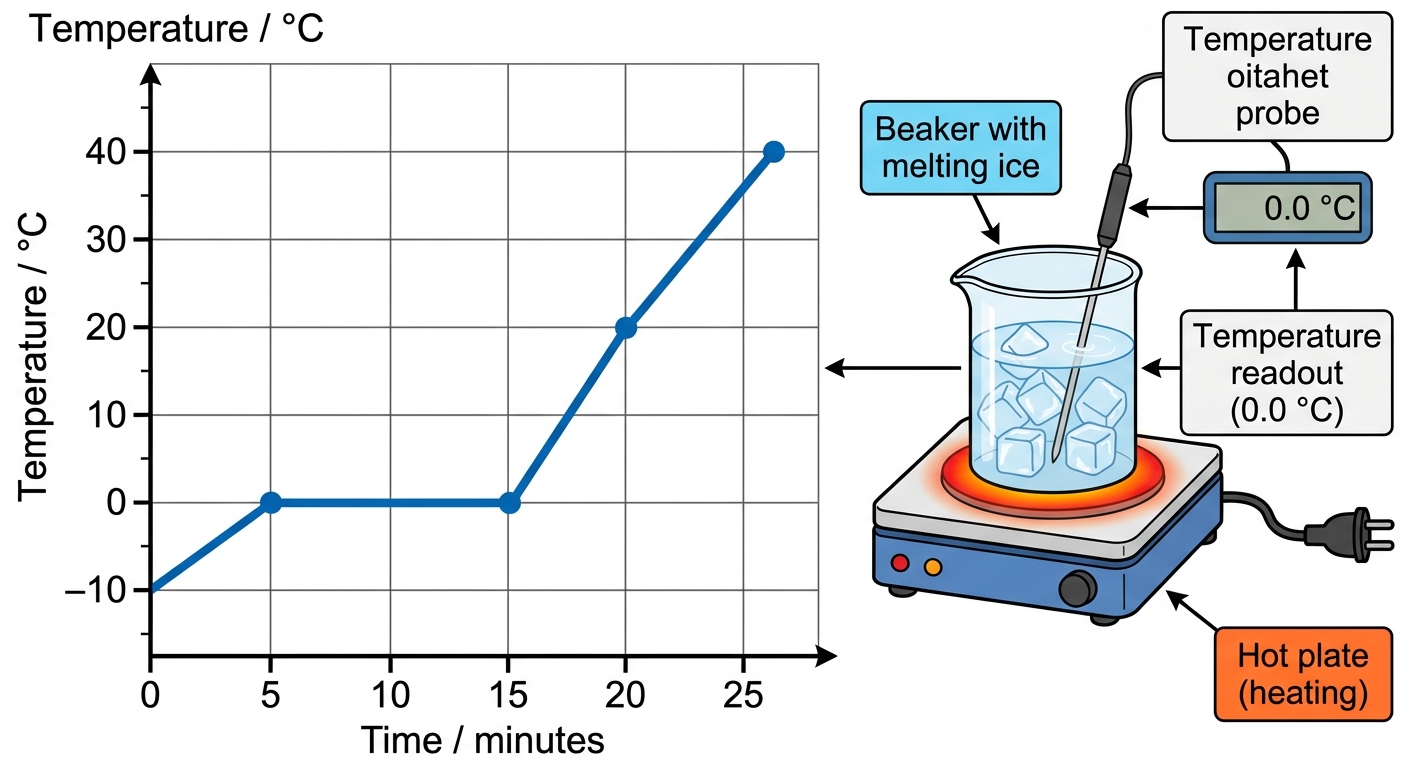
During the melting of ice at , the temperature remains constant even though heat is continuously supplied. Which statement correctly explains this observation?
Solutions
15FoundationMCQProperties of matter1 markPaper 1~2 min
Three identical ice cubes at are each placed into of liquid at : Beaker 1 contains water, Beaker 2 contains ethanol, and Beaker 3 contains olive oil. After 5 minutes, the ice in Beaker 2 has melted the most and the ice in Beaker 3 has melted the least. Which physical property of the liquids best accounts for the difference in melting rates?
Solutions
16FoundationMCQSolid, liquid, gas phases and changes of state1 markPaper 1~2 min
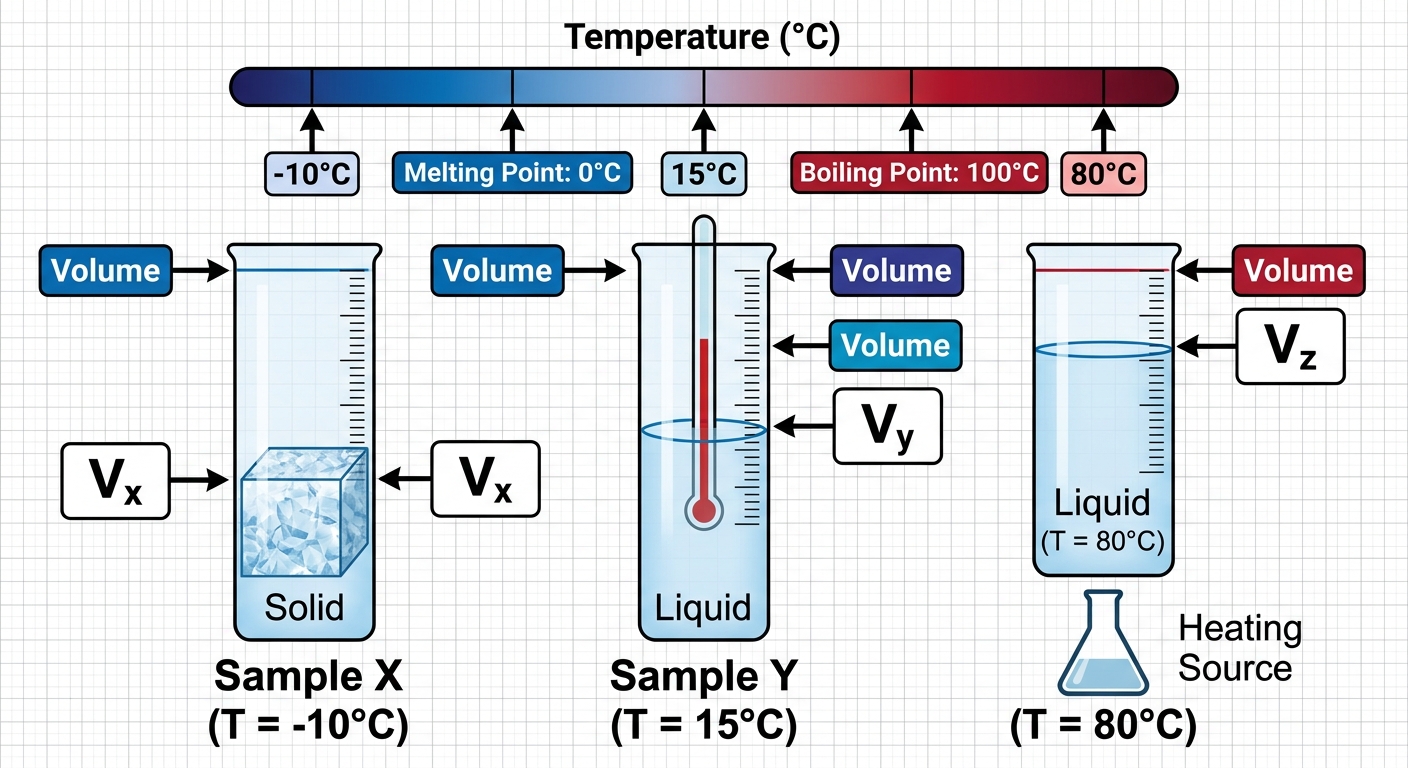
Three samples of the same pure substance, each of mass , are held at different temperatures. The substance has a melting point of and a boiling point of . Sample X is at , Sample Y is at , and Sample Z is at . No evaporation occurs. Which correctly ranks the volumes of the three samples from smallest to largest?
Solutions
17FoundationMCQMolecular theory and the nature of matter1 markPaper 1~2 min
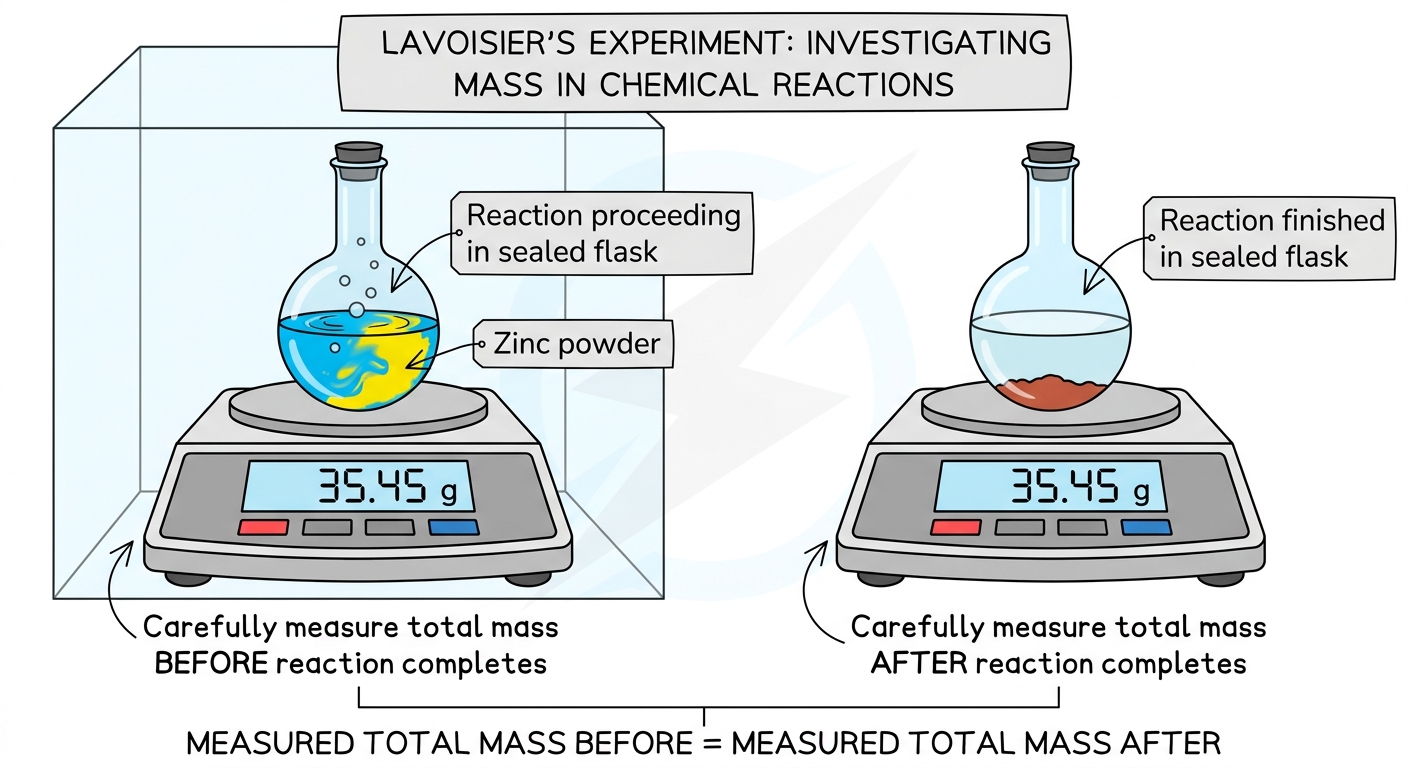
Lavoisier measured the total mass of reactants and products in a sealed container and observed no change in mass. Which postulate of Dalton's atomic theory is most directly supported by this observation?
Solutions
18FoundationMCQSolid, liquid, gas phases and changes of state1 markPaper 1~2 min
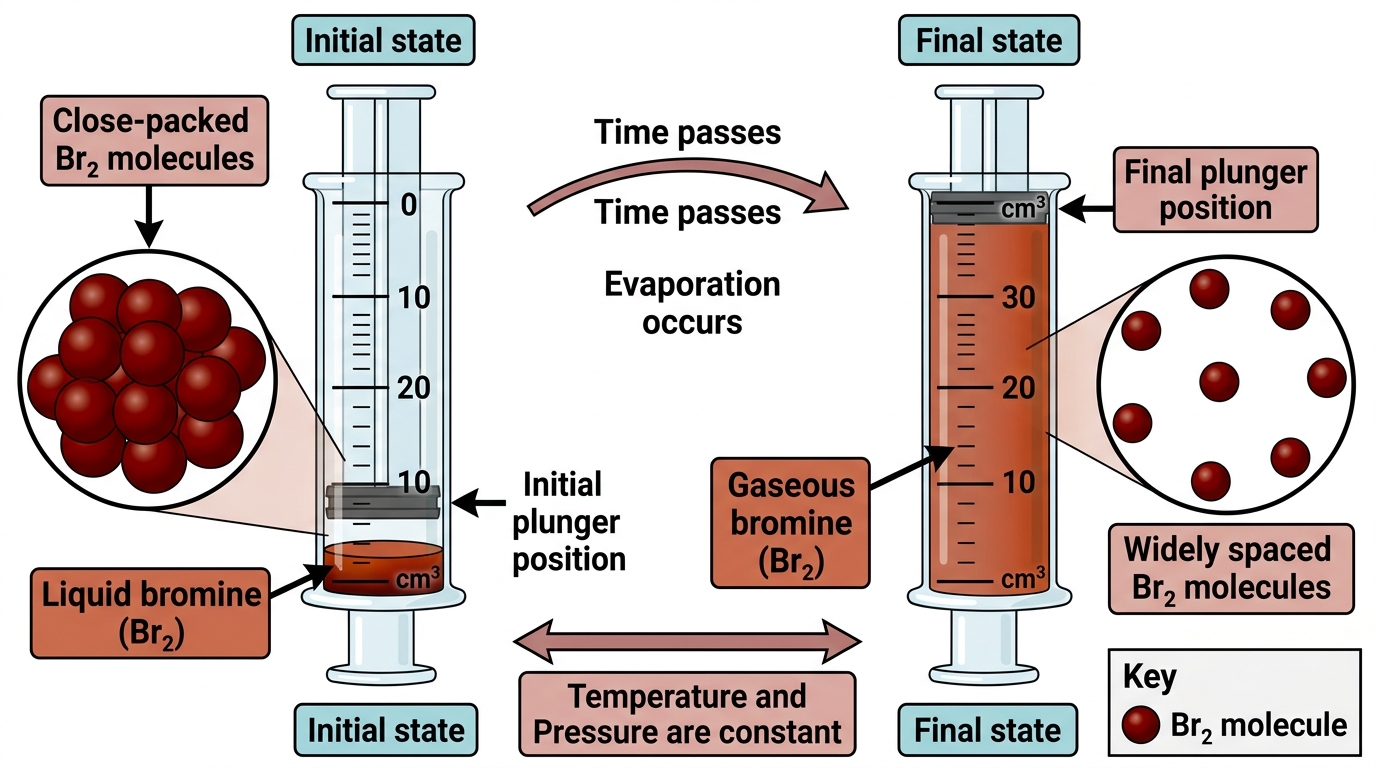
A few drops of liquid bromine, , are injected into a sealed gas syringe at constant temperature and pressure. The liquid disappears and the syringe expands to a volume many hundreds of times greater than the original volume of liquid. Which statement best explains this large increase in volume?
Solutions
19FoundationMCQSolid, liquid, gas phases and changes of state1 markPaper 1~2 min
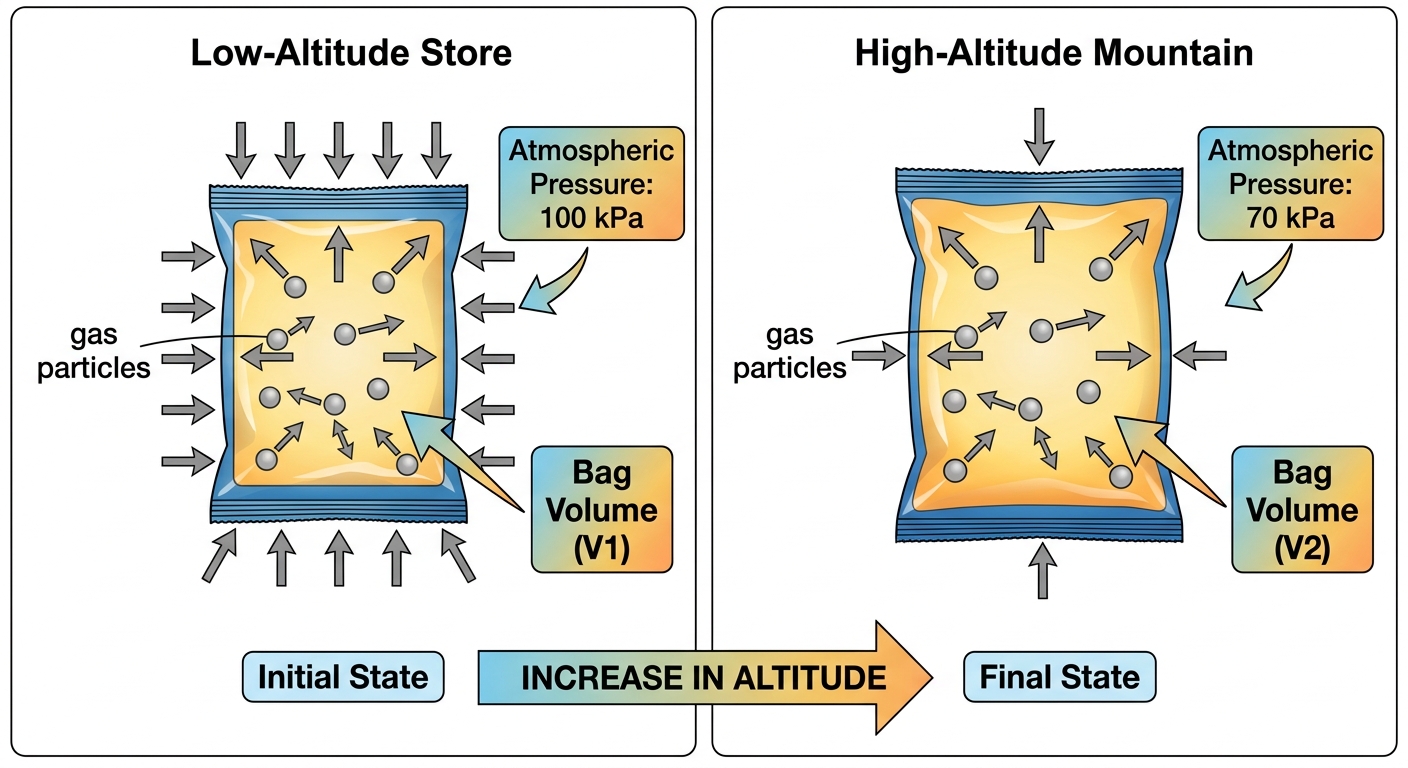
A sealed bag of chips is taken from a store at low altitude, where atmospheric pressure is , to a mountain location where atmospheric pressure is . The bag visibly expands. Assuming temperature remains constant, which statement best explains this observation?
Solutions
20FoundationMCQSolid, liquid, gas phases and changes of state1 markPaper 1~2 min
A sealed 1.0 dm³ flask contains liquid water at 50 °C. The flask is cooled to 5 °C. Which statement correctly describes the arrangement and motion of the water molecules at 5 °C?
Solutions
Showing 20 of 99 free questions