You're viewing 3 free preview questions for Maths AA HL — subscribe to unlock 355 more, plus the Full Question Bank, Mock Papers & Worksheets.Upgrade
Derivatives and Their Applications · Paper 1 — Free Maths AA HL Practice Questions
1FoundationSAQ-SDefinition of a derivative (rate of change)8 marksPaper 1~12 min

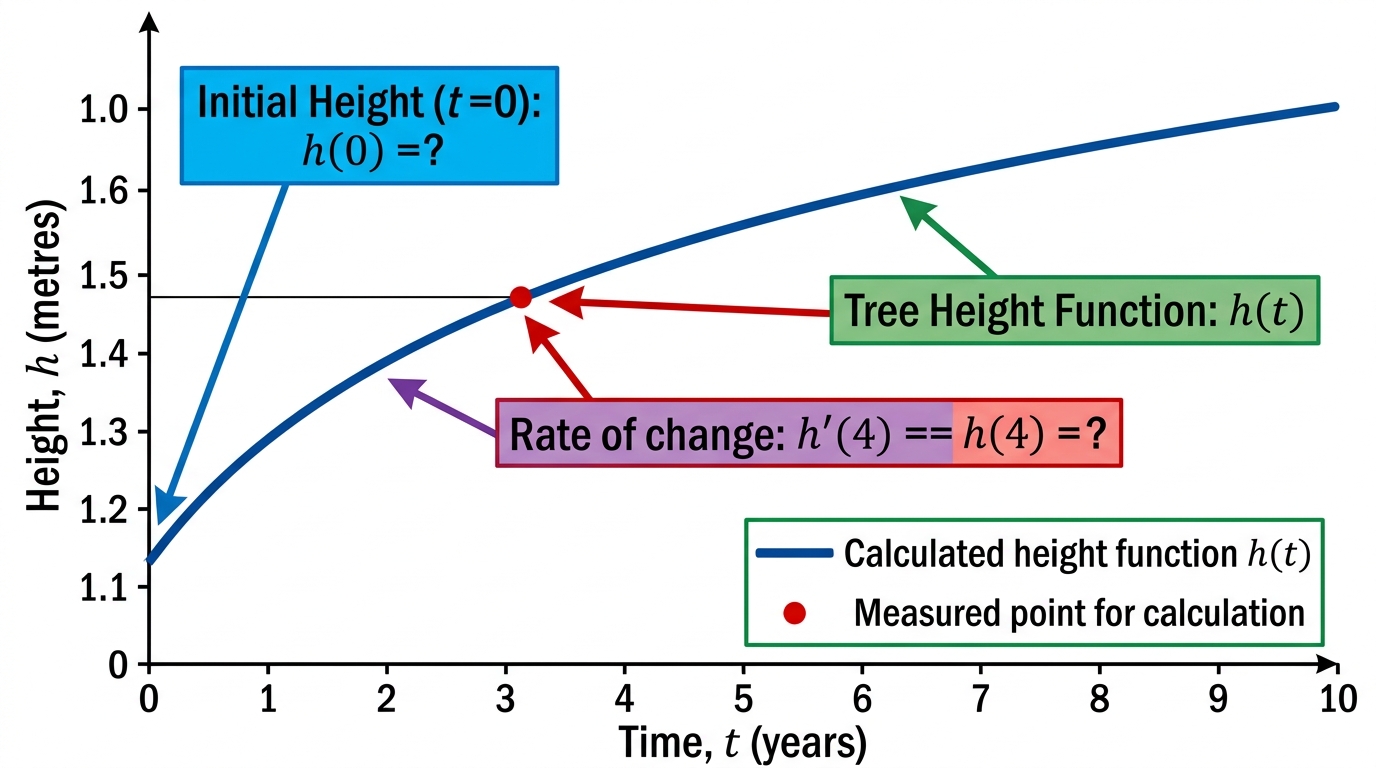
The height of a tree, metres, years after it was planted is modelled by
(a)
Using the limit definition of the derivative, show that
[3 marks]
(b)
Find the instaneous rate of growth of the tree when , and interpret this value in context. [2 marks]
(c)
The owner claims the tree's rate of growth will eventually fall below metres per year. Determine the value of at which this occurs and comment on whether the model remains realistic for large . [3 marks]

Solutions
2MasterySAQ-SDefinition of a derivative (rate of change)5 marksPaper 1~8 min
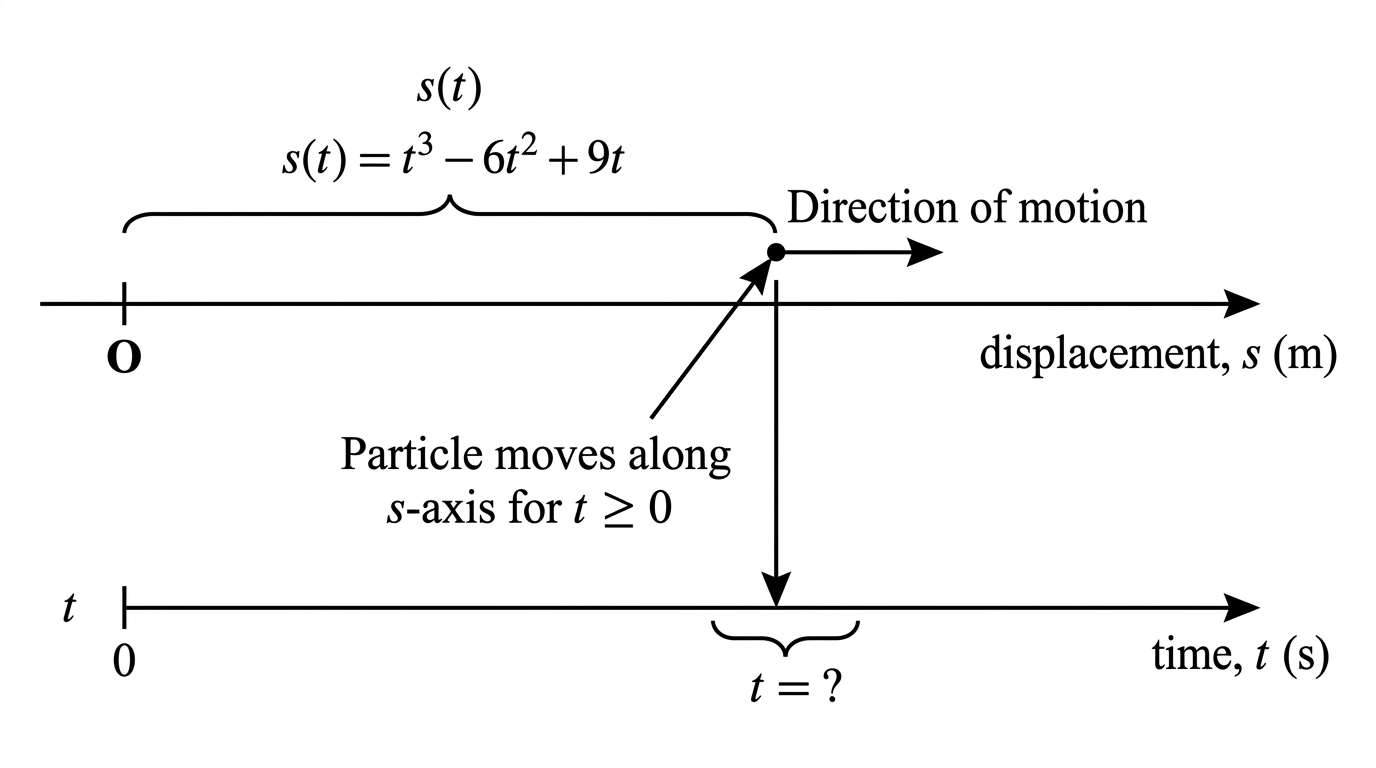
A particle moves along a straight line such that its displacement metres from a fixed point at time seconds is given by , for .
(a)
Use the definition of the derivative as a limit to show that . [3 marks]
(b)
Hence find the values of at which the particle is instaneously at rest. [2 marks]
Solutions
3ChallengeSAQ-LDefinition of a derivative (rate of change)8 marksPaper 1~12 min
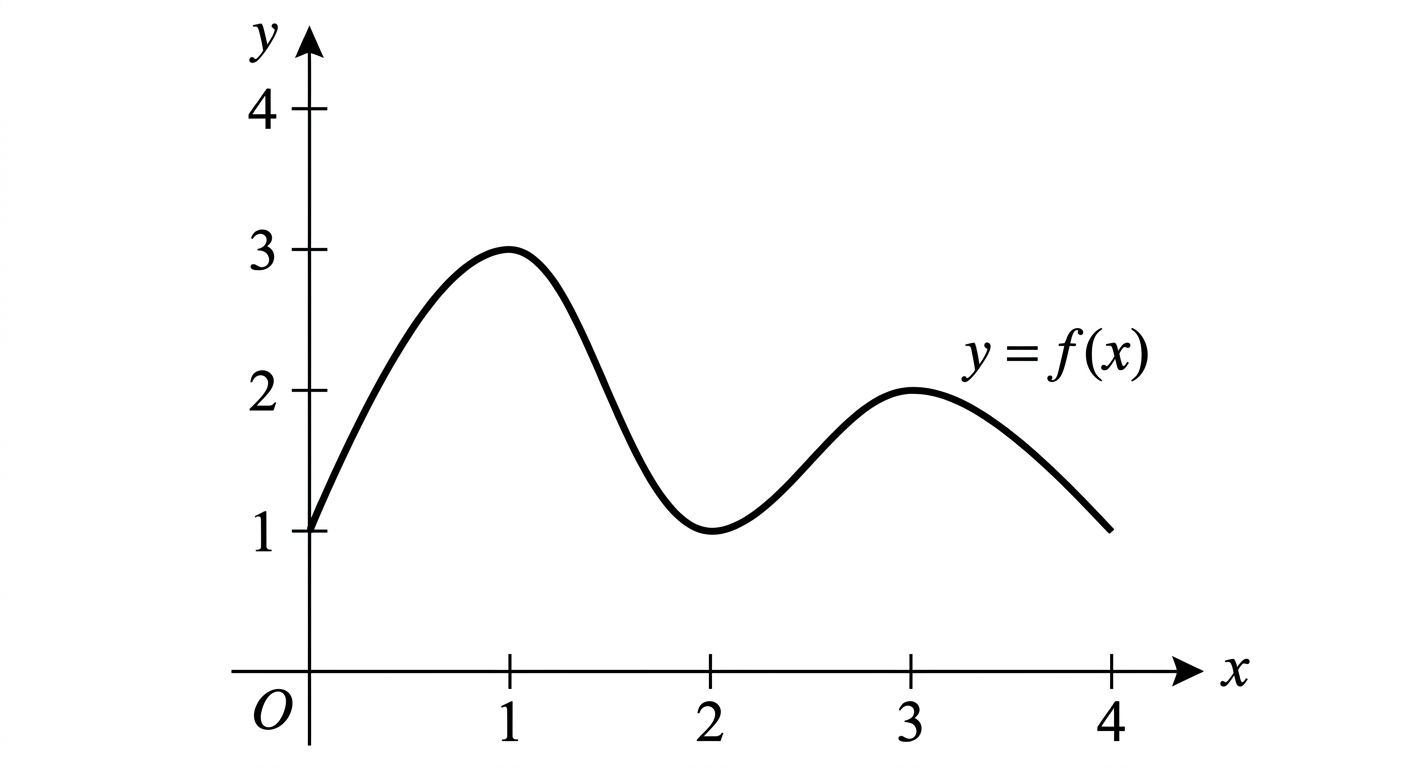
The graph of for is shown below. The function is continuous and differentiable on .
Let .
(a)
Using the geometric interpretation of the derivative, state the value of , justifying your answer. [2 marks]
(b)
Determine the value of . [3 marks]
(c)
(i) Show that . Hence write in terms of and . [2]
(ii) Given that , find the value of . Hence determine a value of in the interval at which , other than , justifying your answer. [3 marks]
(ii) Given that , find the value of . Hence determine a value of in the interval at which , other than , justifying your answer. [3 marks]
Solutions
That's every free question here — 3 of 358.
+355 more questions, plus Mock Papers & Worksheets, are waiting in Premium.