Partial Fractions and Systems of Equations · Paper 1 — Free Maths AA HL Practice Questions
Free questions
Open in full, with answers, mark scheme and examiner insights.
Partial fractions
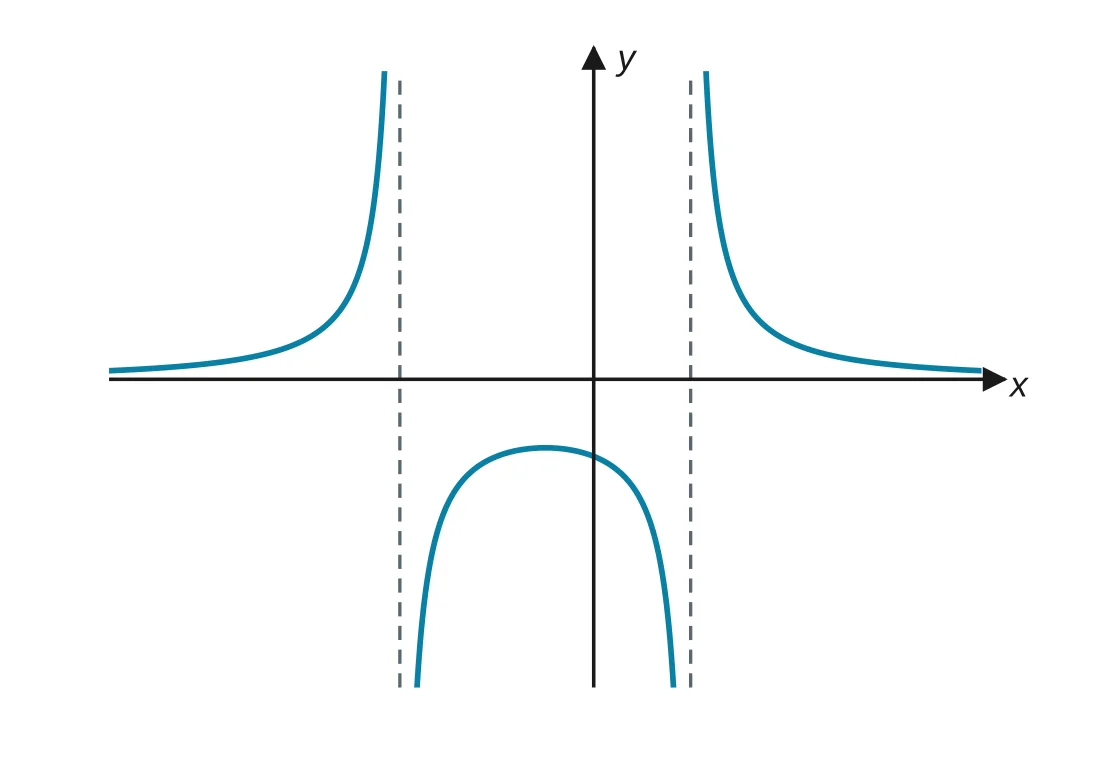
Let . The diagram shows the graph of .
Express in partial fractions.
Write down the equations of the vertical asymptotes of the graph.
revisionprep.com
Summary Answer
Not available for this question.
Model Answer
Not available for this question.
Marking Scheme
Not available for this question.
Examiner Insights
Not available for this question.
Systems of linear equations up to three unknowns
Consider the system of equations
Show that the system has no solution.
Describe the relationship between the first two planes.
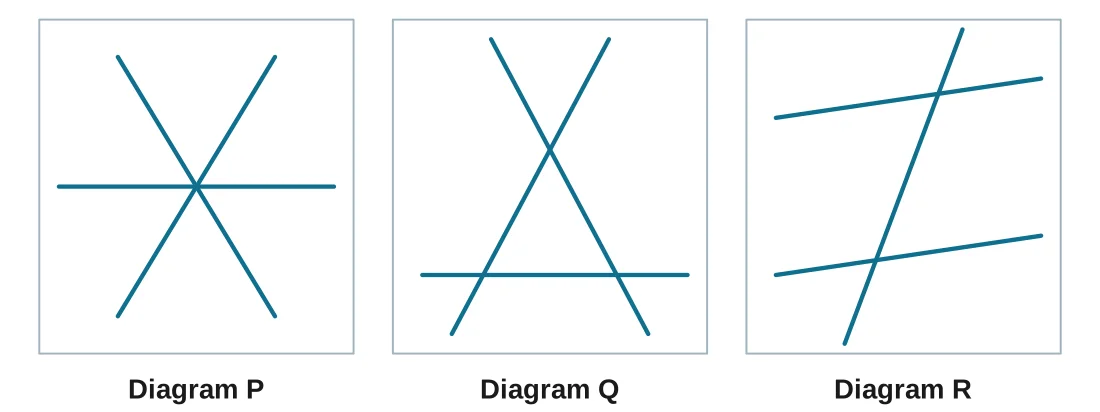
Each diagram shows three planes viewed along a direction parallel to all three. State which diagram shows the arrangement of the planes in this system.
revisionprep.com
Summary Answer
Not available for this question.
Model Answer
Not available for this question.
Marking Scheme
Not available for this question.
Examiner Insights
Not available for this question.
Partial fractions
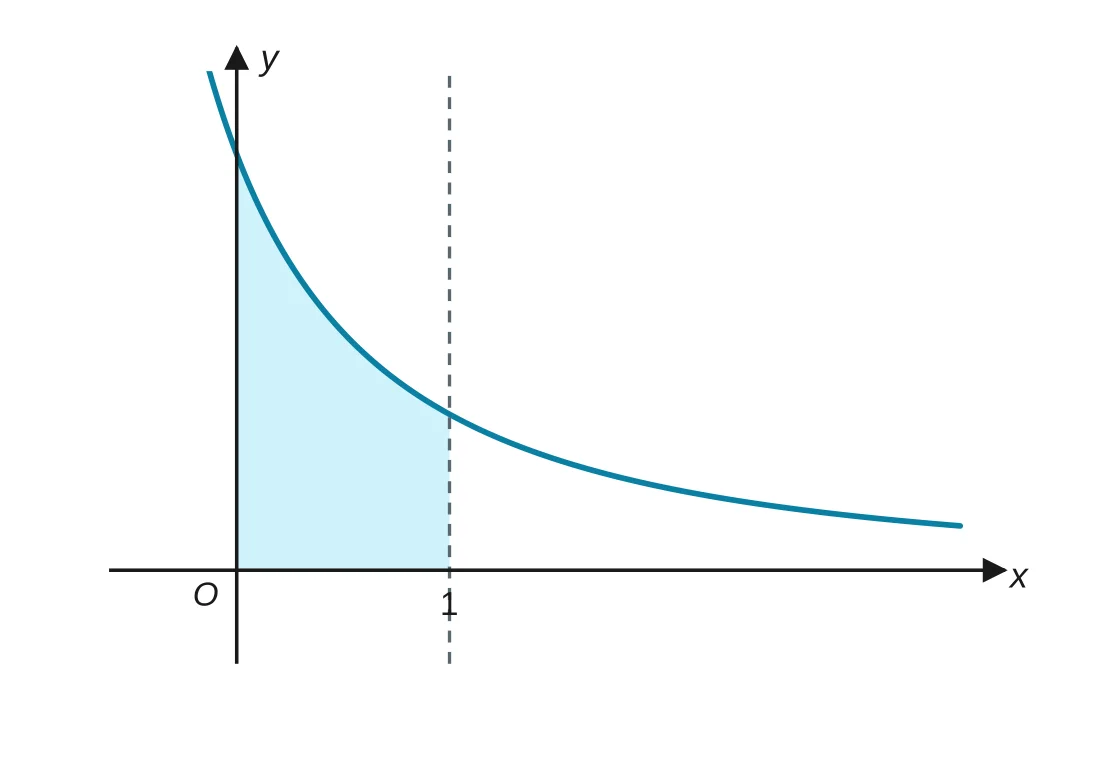
The diagram shows part of the graph of . The shaded region is bounded by the curve, the -axis, the -axis and the line .
Express in partial fractions.
Find the exact area of the shaded region, giving your answer in the form , where .
Explain why the area of the shaded region is less than .
revisionprep.com
Summary Answer
Not available for this question.
Model Answer
Not available for this question.
Marking Scheme
Not available for this question.
Examiner Insights
Not available for this question.
Systems of linear equations up to three unknowns
Consider the system
Show that the system has no solution.
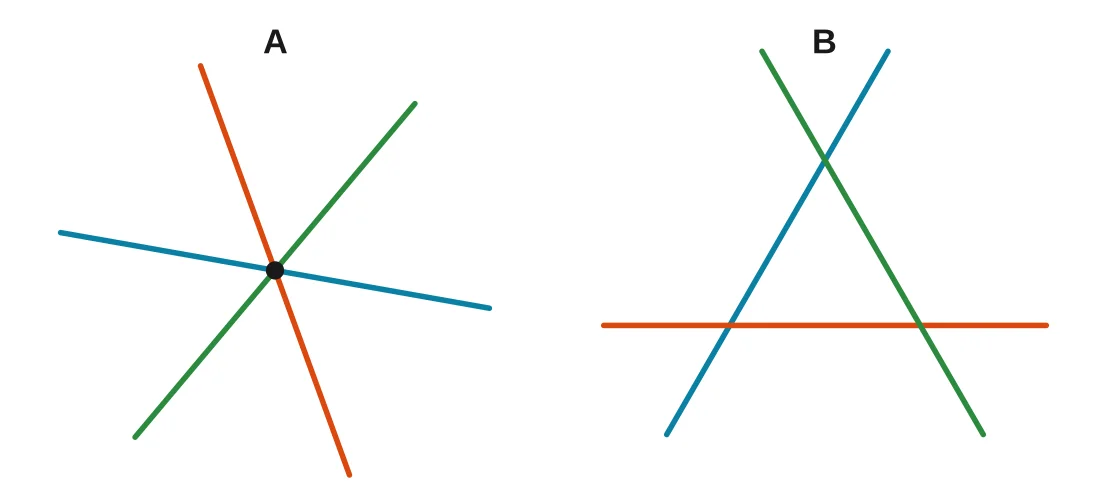
Describe the geometric arrangement of the three planes, with reference to the diagrams A and B, which show each arrangement viewed along a common direction.
revisionprep.com
Summary Answer
Not available for this question.
Model Answer
Not available for this question.
Marking Scheme
Not available for this question.
Examiner Insights
Not available for this question.
Partial fractions
Let , .
Express in partial fractions.
Show that .
Show that .
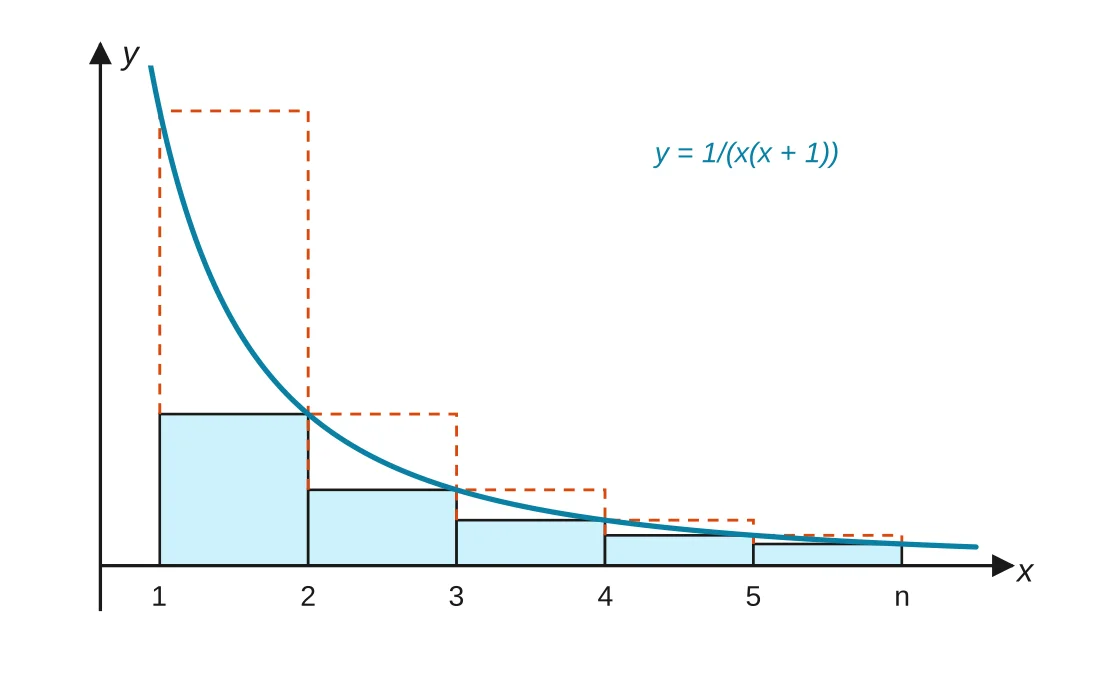
The diagram shows the graph of for , with rectangles of width drawn below the curve (shaded) and above the curve (dashed).
By considering the areas of the rectangles, explain why .
Hence show that .
By letting , deduce that .
revisionprep.com
Summary Answer
Not available for this question.
Model Answer
Not available for this question.
Marking Scheme
Not available for this question.
Examiner Insights
Not available for this question.
Systems of linear equations up to three unknowns
The planes , and are given, where .
Show that when the equation of can be obtained from the equations of and .
For , find a vector equation of the line of intersection of the three planes.
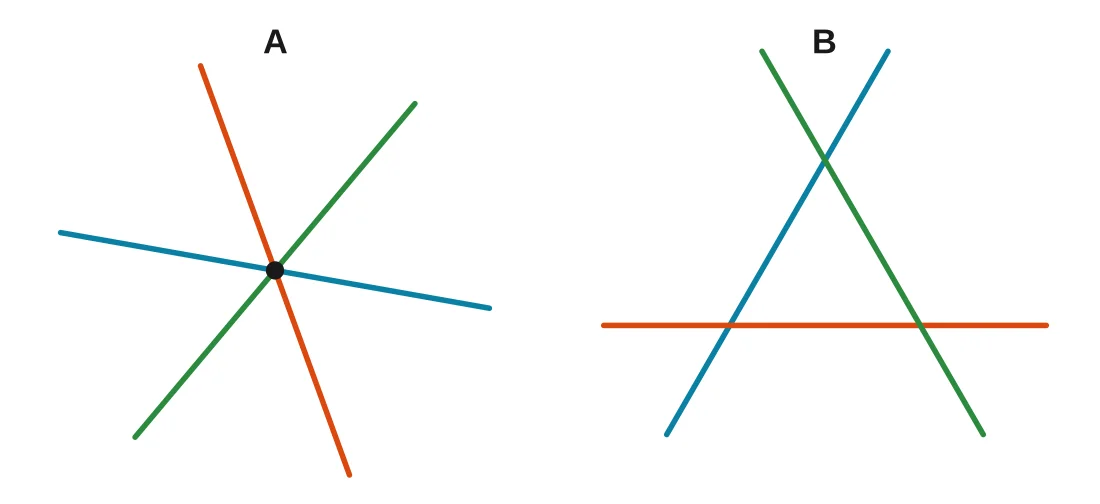
For , explain why the system has no solution, and describe the arrangement of the planes.
The diagrams A and B show two arrangements of three planes viewed along a common direction. Identify which diagram corresponds to and which to .
revisionprep.com
Summary Answer
Not available for this question.
Model Answer
Not available for this question.
Marking Scheme
Not available for this question.
Examiner Insights
Not available for this question.
That's every free question here — 6 of 47.
+41 more questions, plus Mock Papers & Worksheets, are waiting in Premium.