Differentiation Rules · Paper 1 — Free Maths AA SL Practice Questions
Free questions
Open in full, with answers, mark scheme and examiner insights.
Derivatives of standard functions; chain, product and quotient rules
A company models the cost, in dollars, of producing units of a product as , for .
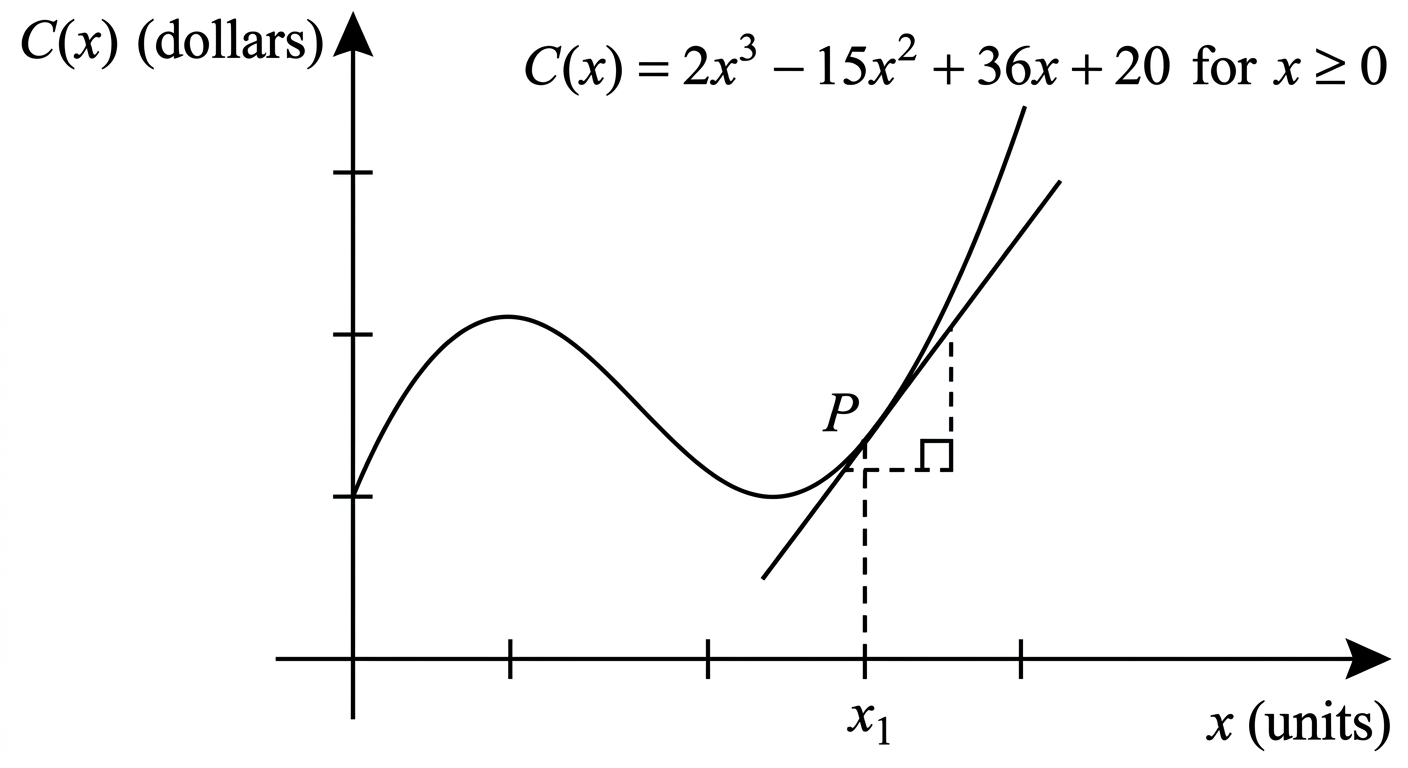
Find .
Find the values of for which .
Determine which value of found in part (b) gives a local minimum of . Justify your answer.
revisionprep.com
Summary Answer
Not available for this question.
Model Answer
Not available for this question.
Marking Scheme
Not available for this question.
Examiner Insights
Not available for this question.
The second derivative
The diagram shows the graph of , the second derivative of a function , for . The graph is a straight line that crosses the -axis at .
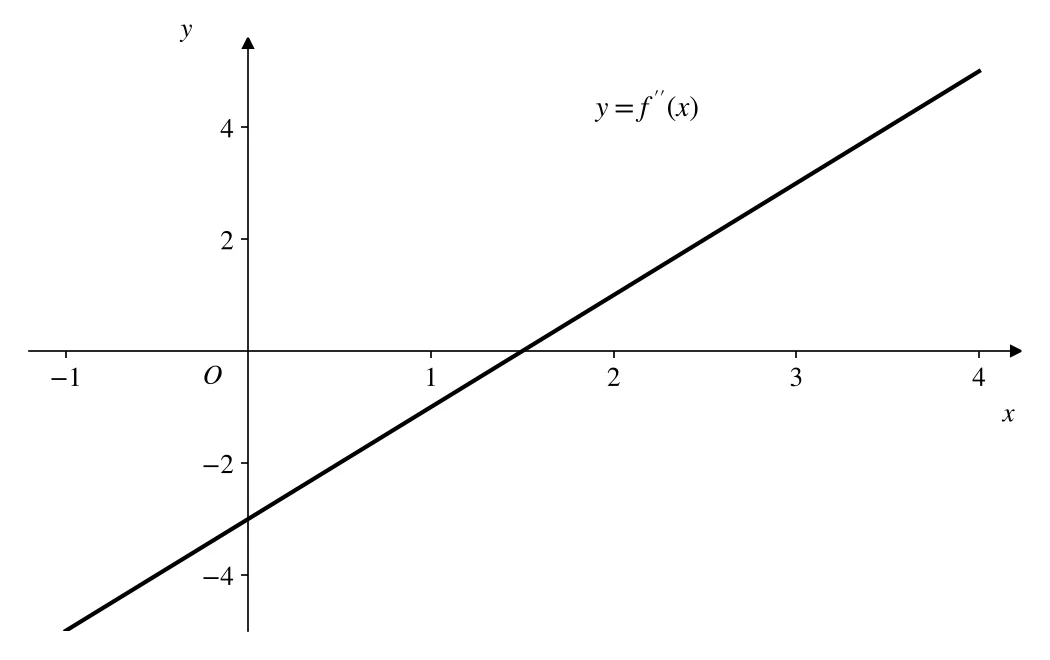
Write down the set of values of for which the graph of is concave up.
Write down the -coordinate of the point of inflexion of the graph of . Justify your answer.
State whether has a local maximum or a local minimum at . Give a reason for your answer.
revisionprep.com
Summary Answer
Not available for this question.
Model Answer
Not available for this question.
Marking Scheme
Not available for this question.
Examiner Insights
Not available for this question.
Derivatives of standard functions; chain, product and quotient rules
The function is defined by , for .
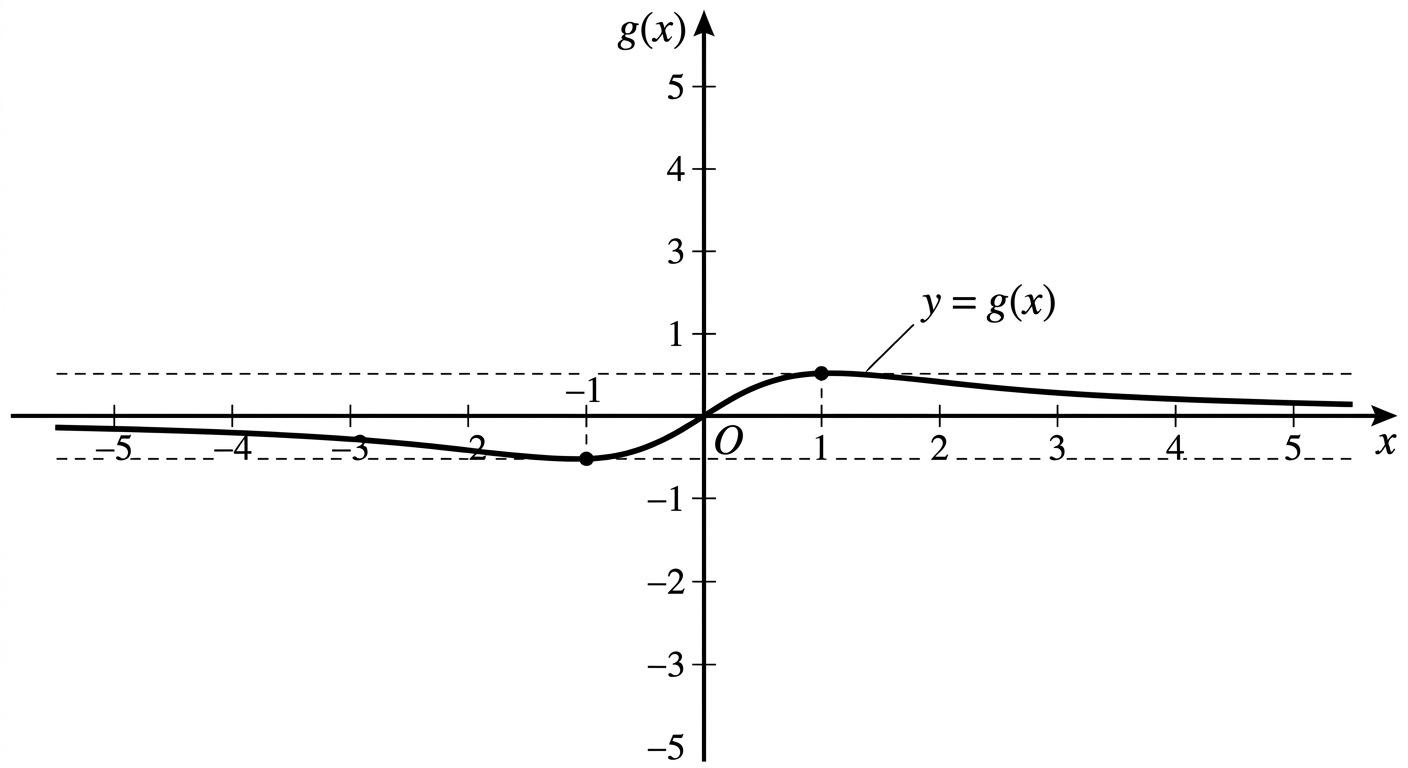
Show that .
Hence find the -coordinates of the points on the graph of where the tangent is horizontal.
Hence determine the range of , justifying your answer.
revisionprep.com
Summary Answer
Not available for this question.
Model Answer
Not available for this question.
Marking Scheme
Not available for this question.
Examiner Insights
Not available for this question.
The second derivative
The diagram shows the graph of , the derivative of a function , for . The graph of passes through the origin O and has turning points at and .
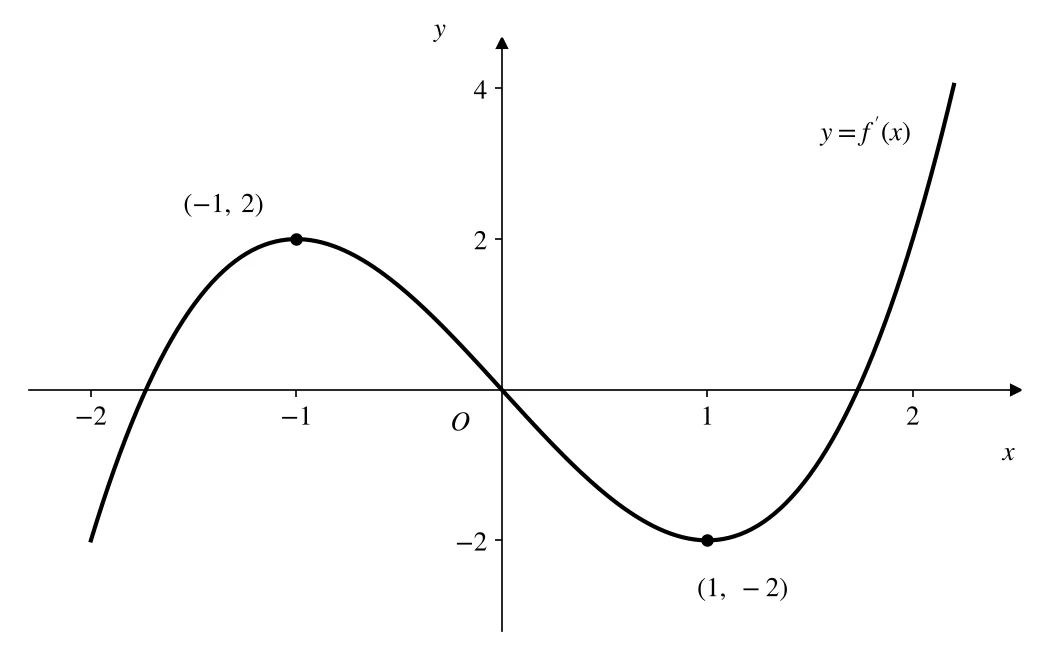
Write down the -coordinates of the points of inflexion of the graph of . Justify your answer.
Write down the set of values of for which the graph of is concave down.
Determine whether has a local maximum, a local minimum or neither at . Justify your answer.
Sketch the graph of for , showing clearly where it meets the -axis.
revisionprep.com
Summary Answer
Not available for this question.
Model Answer
Not available for this question.
Marking Scheme
Not available for this question.
Examiner Insights
Not available for this question.
Derivatives of standard functions; chain, product and quotient rules
Let , for .
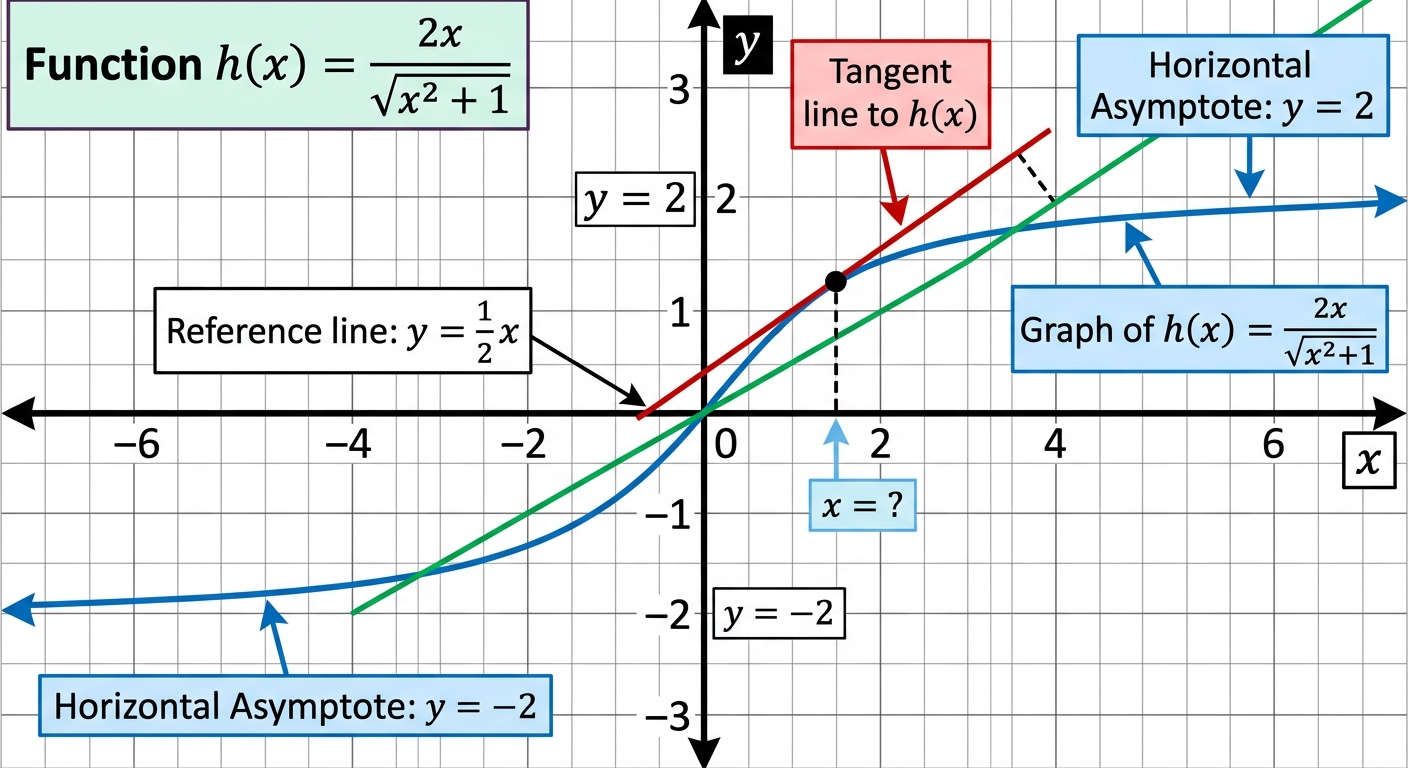
Determine , expressing your answer as a single simplified fraction.
Find the -coordinates of all points on the graph of where the tangent line is parallel to .
revisionprep.com
Summary Answer
Not available for this question.
Model Answer
Not available for this question.
Marking Scheme
Not available for this question.
Examiner Insights
Not available for this question.
The second derivative
Let , for . The diagram shows part of the graph of .
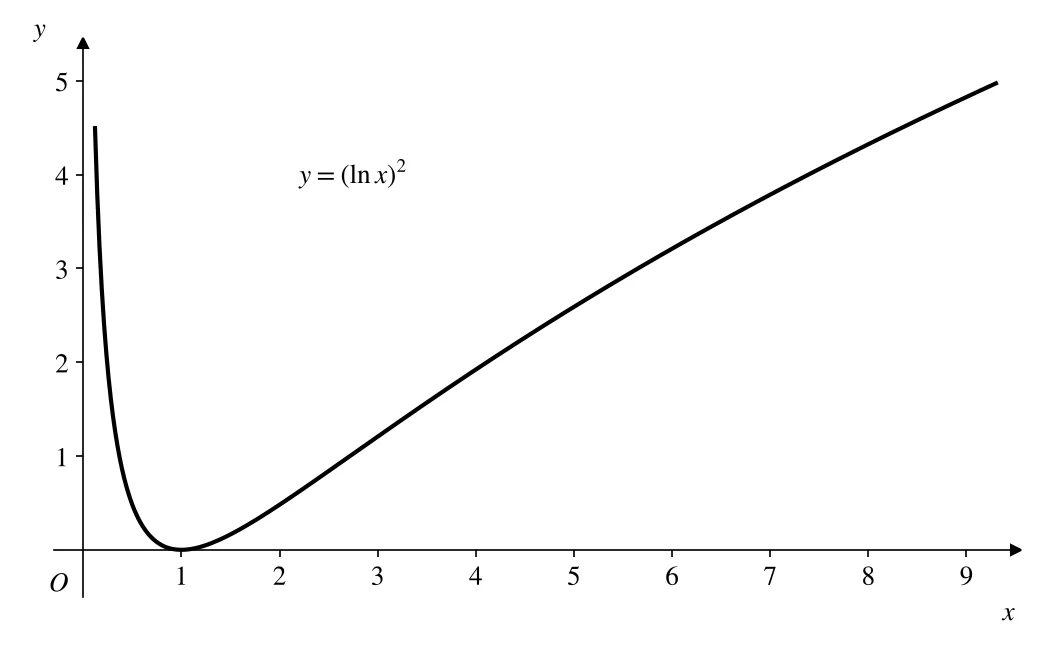
Find .
Find the coordinates of the stationary point of the graph of .
Show that .
Use to determine the nature of the stationary point.
Find the coordinates of the point of inflexion of the graph of .
Show that the tangent to the graph of at the point of inflexion passes through the point .
revisionprep.com
Summary Answer
Not available for this question.
Model Answer
Not available for this question.
Marking Scheme
Not available for this question.
Examiner Insights
Not available for this question.
That's every free question here — 6 of 124.
+118 more questions, plus Mock Papers & Worksheets, are waiting in Premium.