Transformations of Graphs · Paper 2 — Free Maths AA SL Practice Questions
Free questions
Open in full, with answers, mark scheme and examiner insights.
Transformations of graphs
The diagram shows the graph of , where . The graph of is transformed to the graph of , where .
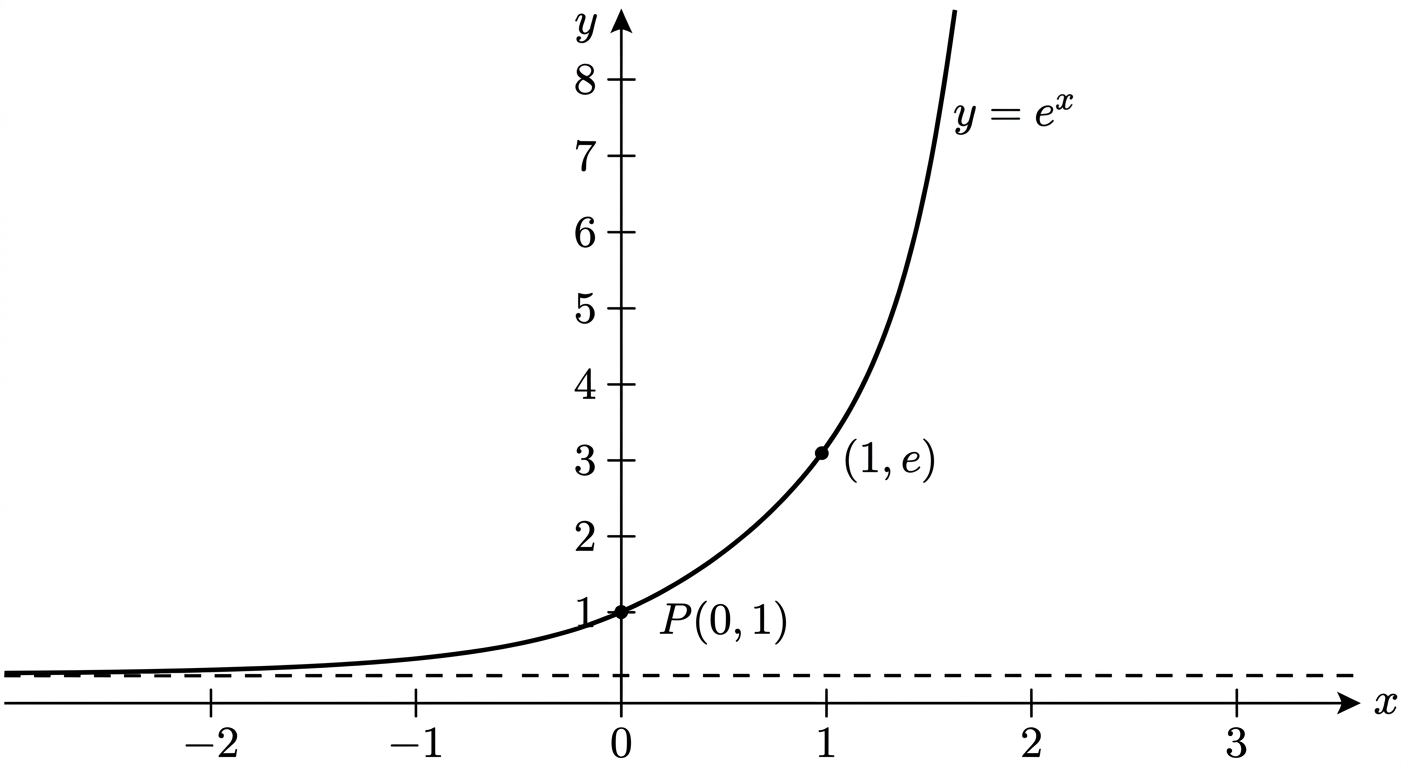
Describe the two transformations that map the graph of onto the graph of .
Write down the image of the point .
Write down the equation of the horizontal asymptote of the graph of .
The graph of is translated by . Find the set of values of for which the new graph meets the -axis.
revisionprep.com
Summary Answer
Not available for this question.
Model Answer
Not available for this question.
Marking Scheme
Not available for this question.
Examiner Insights
Not available for this question.
Transformations of graphs
The diagram shows the graph of , where for .
The function is obtained by applying the following transformations to in order:
- a reflection in the -axis, - a horizontal stretch with scale factor , - a translation of units in the negative -direction.
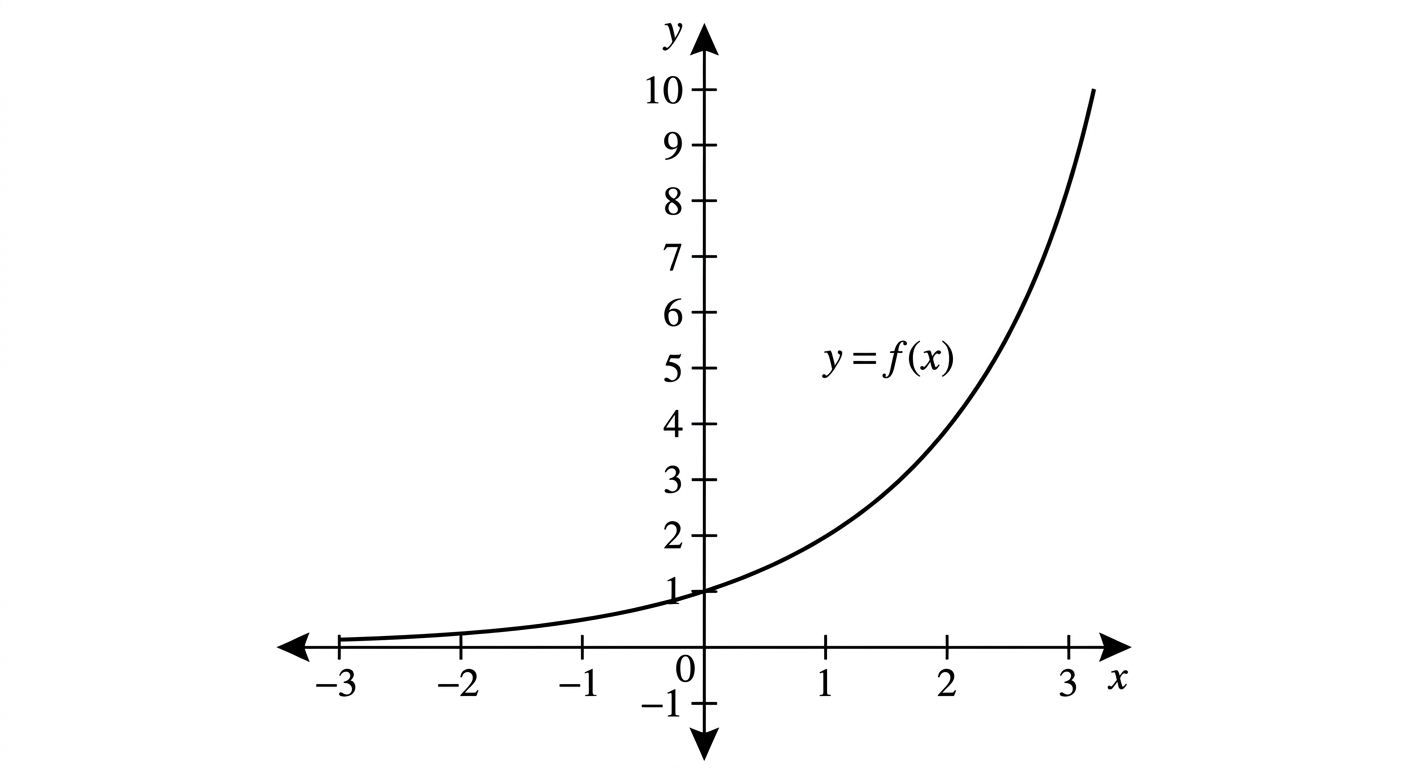
Show that .
Hence find the exact value of for which .
revisionprep.com
Summary Answer
Not available for this question.
Model Answer
Not available for this question.
Marking Scheme
Not available for this question.
Examiner Insights
Not available for this question.
Transformations of graphs
The function is defined by for .
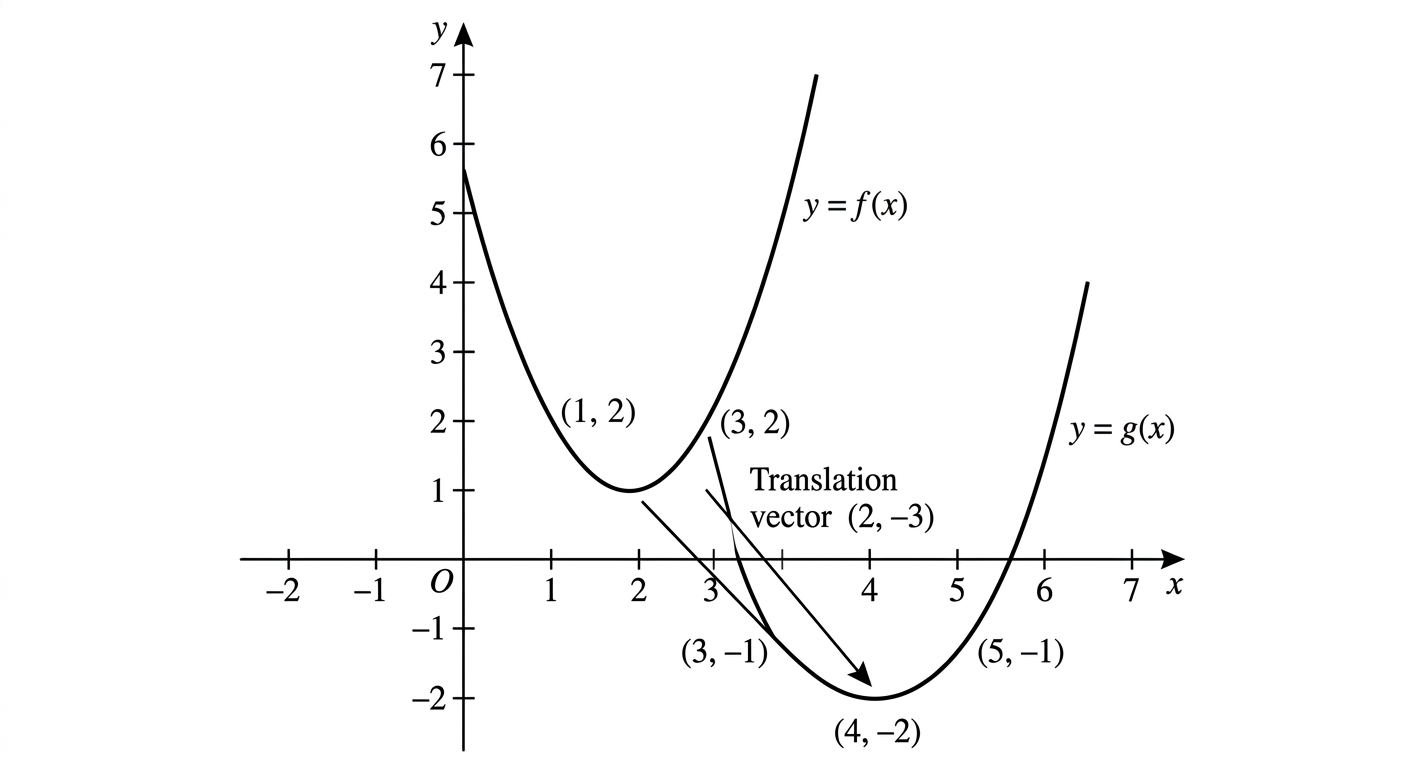
Express in the form , where .
The graph of is translated by the vector to give the graph of . Find an expression for in the form , where .
The graph of is reflected in the -axis to give the graph of , where . Determine the number of intersections between the graphs of and , justifying your answer.
revisionprep.com
Summary Answer
Not available for this question.
Model Answer
Not available for this question.
Marking Scheme
Not available for this question.
Examiner Insights
Not available for this question.
Transformations of graphs
The graph of has a local maximum at and a local minimum at .
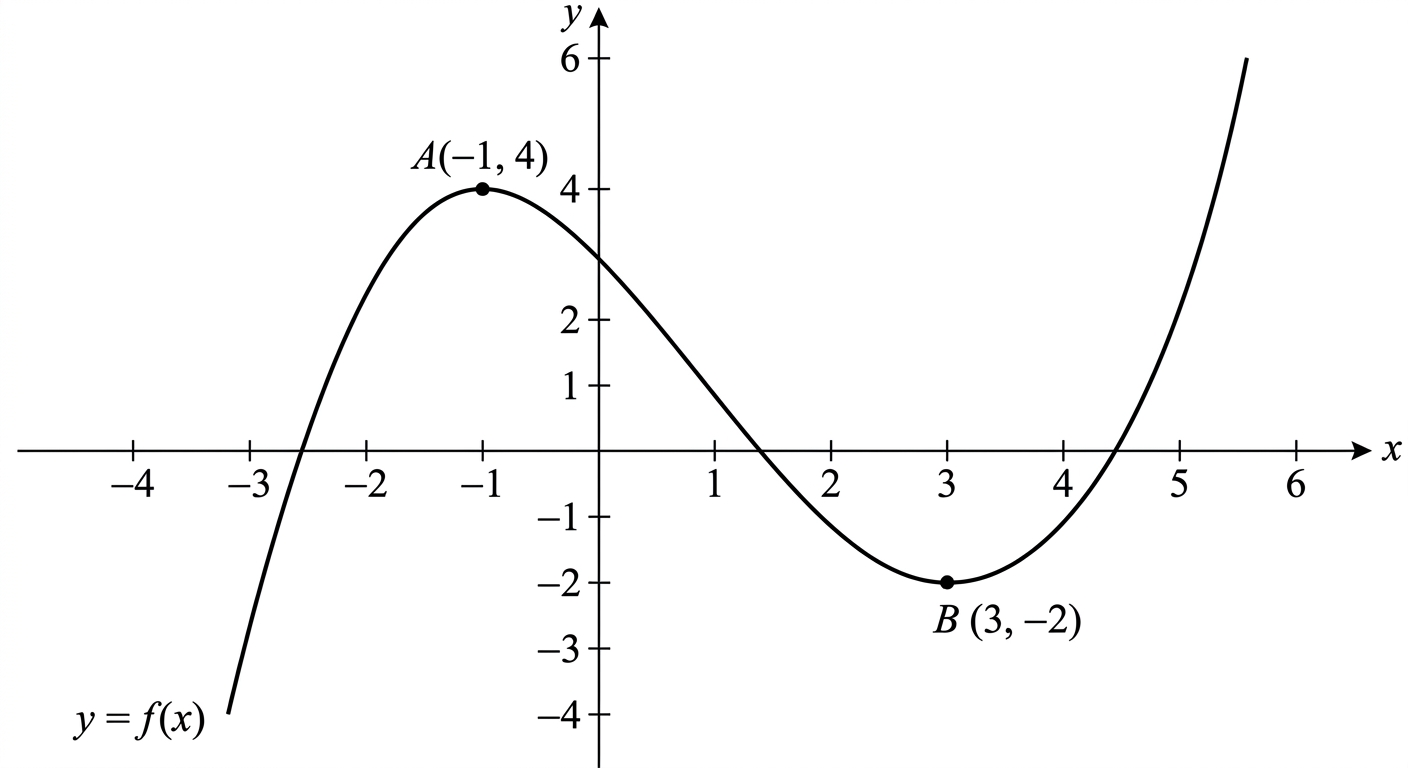
The graph of is stretched vertically by a factor of , then translated by the vector to give the graph of . Determine the coordinates of the images of and under this composite transformation.
The graph of is reflected in the -axis, then stretched horizontally by a factor of , to give the graph of . Calculate the coordinates of the images of and under this composite transformation.
revisionprep.com
Summary Answer
Not available for this question.
Model Answer
Not available for this question.
Marking Scheme
Not available for this question.
Examiner Insights
Not available for this question.
Transformations of graphs
The function is defined by , for .
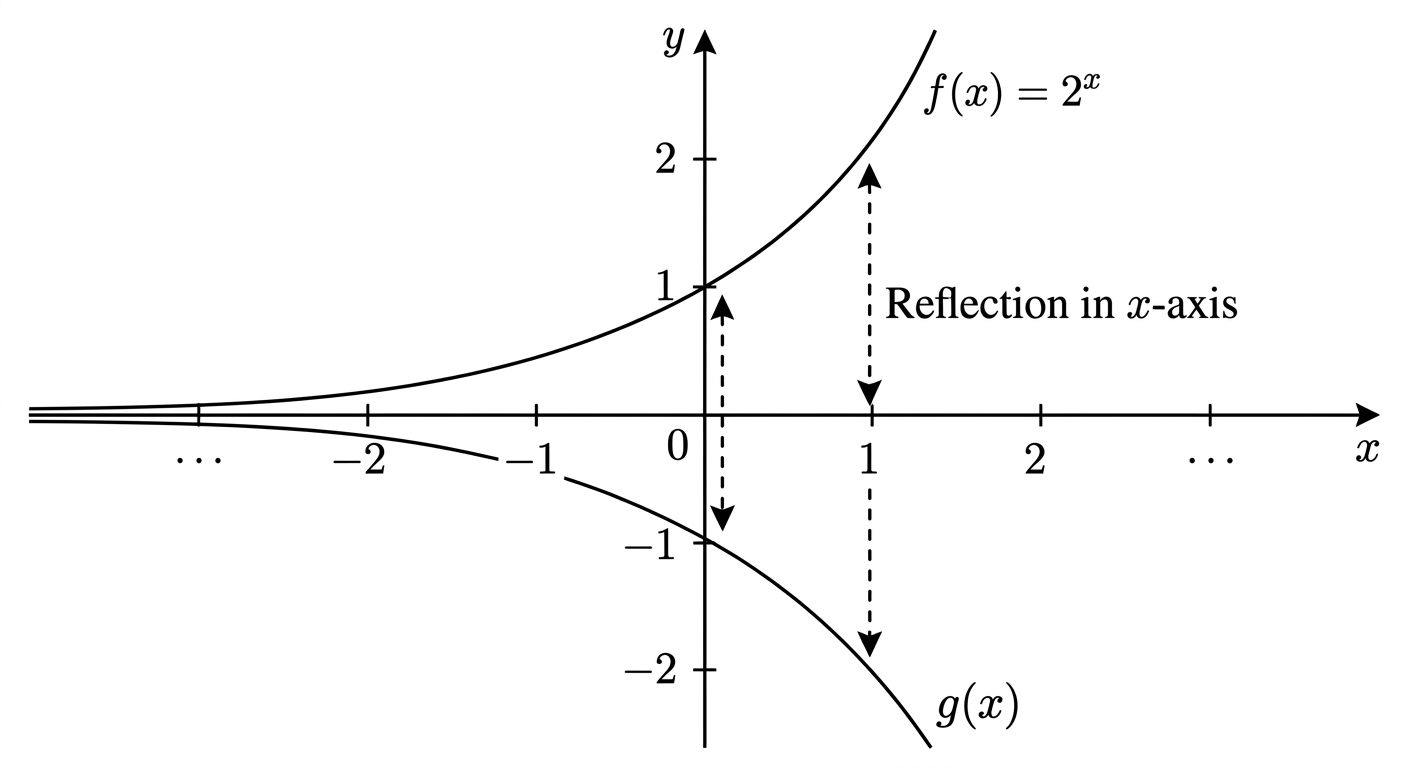
The graph of is obtained by reflecting the graph of in the -axis. Write down .
The graph of is obtained by translating the graph of by units upward and then reflecting it in the -axis. Find , giving your answer in the form , where .
Determine the range of and hence state whether the graphs of and intersect. Justify your answer.
revisionprep.com
Summary Answer
Not available for this question.
Model Answer
Not available for this question.
Marking Scheme
Not available for this question.
Examiner Insights
Not available for this question.
Transformations of graphs
A function is defined by , for .
The graph of is transformed to obtain the graph of a function by the following sequence of transformations:
1. A reflection in the -axis 2. A translation by the vector 3. A stretch parallel to the -axis with scale factor
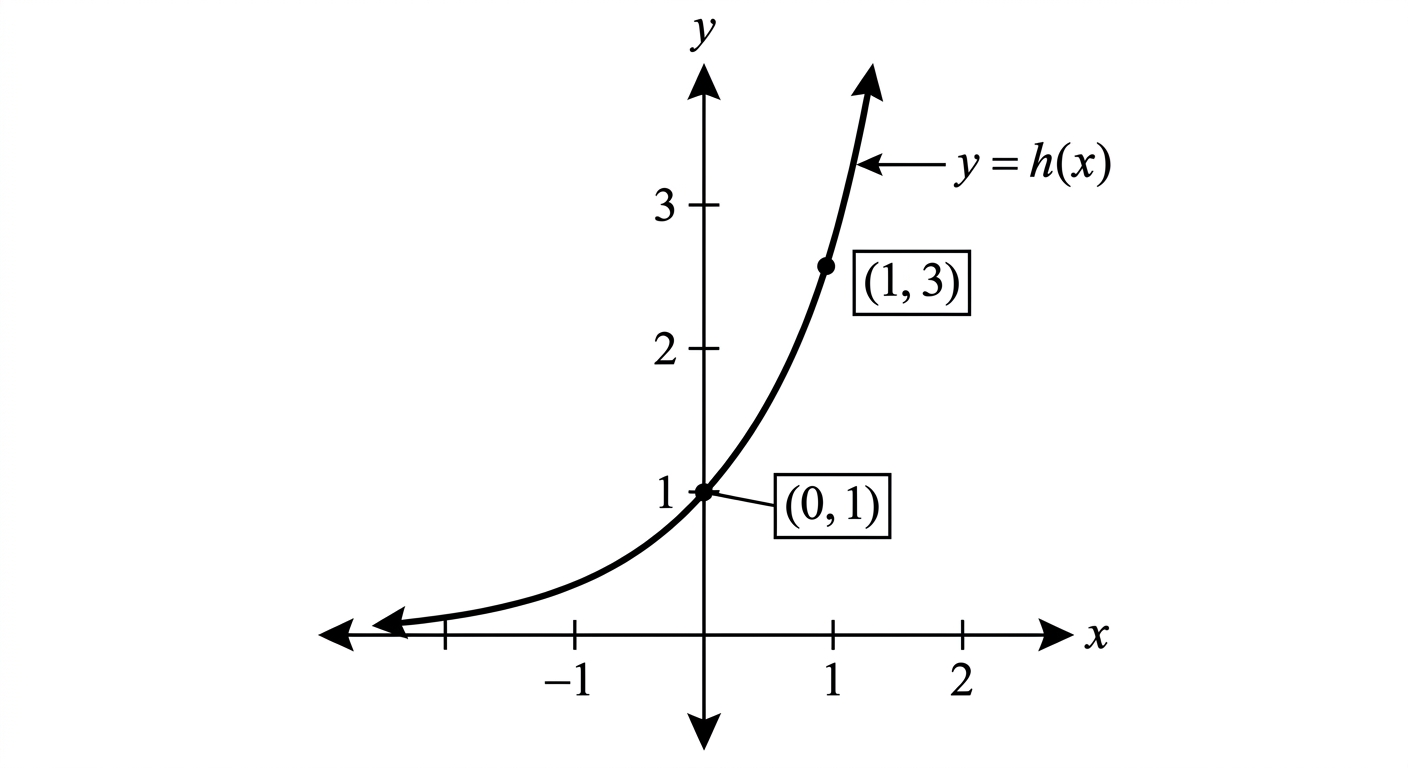
Determine an expression for in the form , where .
The graph of is reflected in the -axis and then translated vertically by units to produce the graph of . Given that the graph of passes through the point , determine the value of .
State the equation of the horizontal asymptote of and hence determine the range of .
revisionprep.com
Summary Answer
Not available for this question.
Model Answer
Not available for this question.
Marking Scheme
Not available for this question.
Examiner Insights
Not available for this question.
That's every free question here — 6 of 87.
+81 more questions, plus Mock Papers & Worksheets, are waiting in Premium.