Binomial Theorem and Counting Principles · Paper 2 — Free Maths AA SL Practice Questions
Free questions
Open in full, with answers, mark scheme and examiner insights.
The binomial theorem for natural n; nCr and Pascal's triangle
Consider the expansion of .
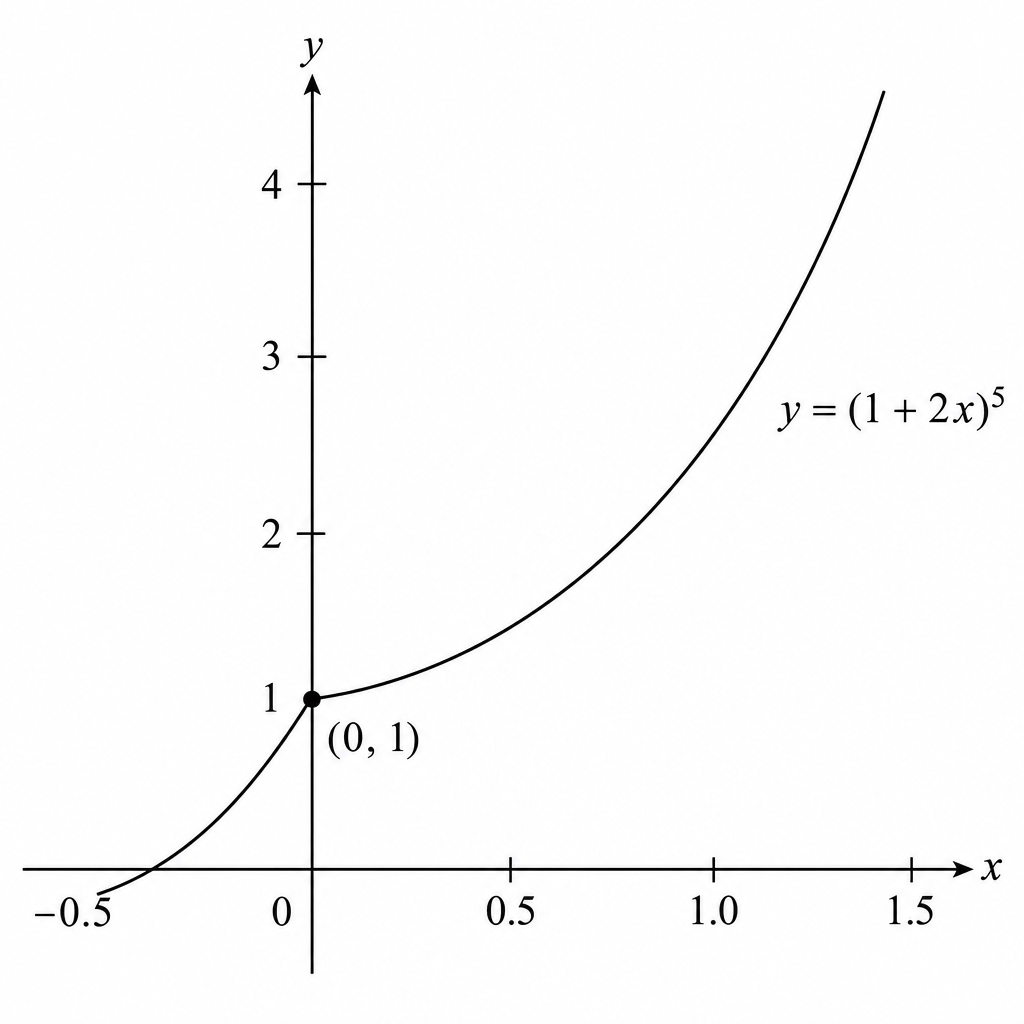
Write down the first three terms of the expansion in ascending powers of .
Hence find an approximate value for , giving your answer correct to 4 decimal places.
revisionprep.com
Summary Answer
Not available for this question.
Model Answer
Not available for this question.
Marking Scheme
Not available for this question.
Examiner Insights
Not available for this question.
The binomial theorem for natural n; nCr and Pascal's triangle
Consider the binomial expansion of .
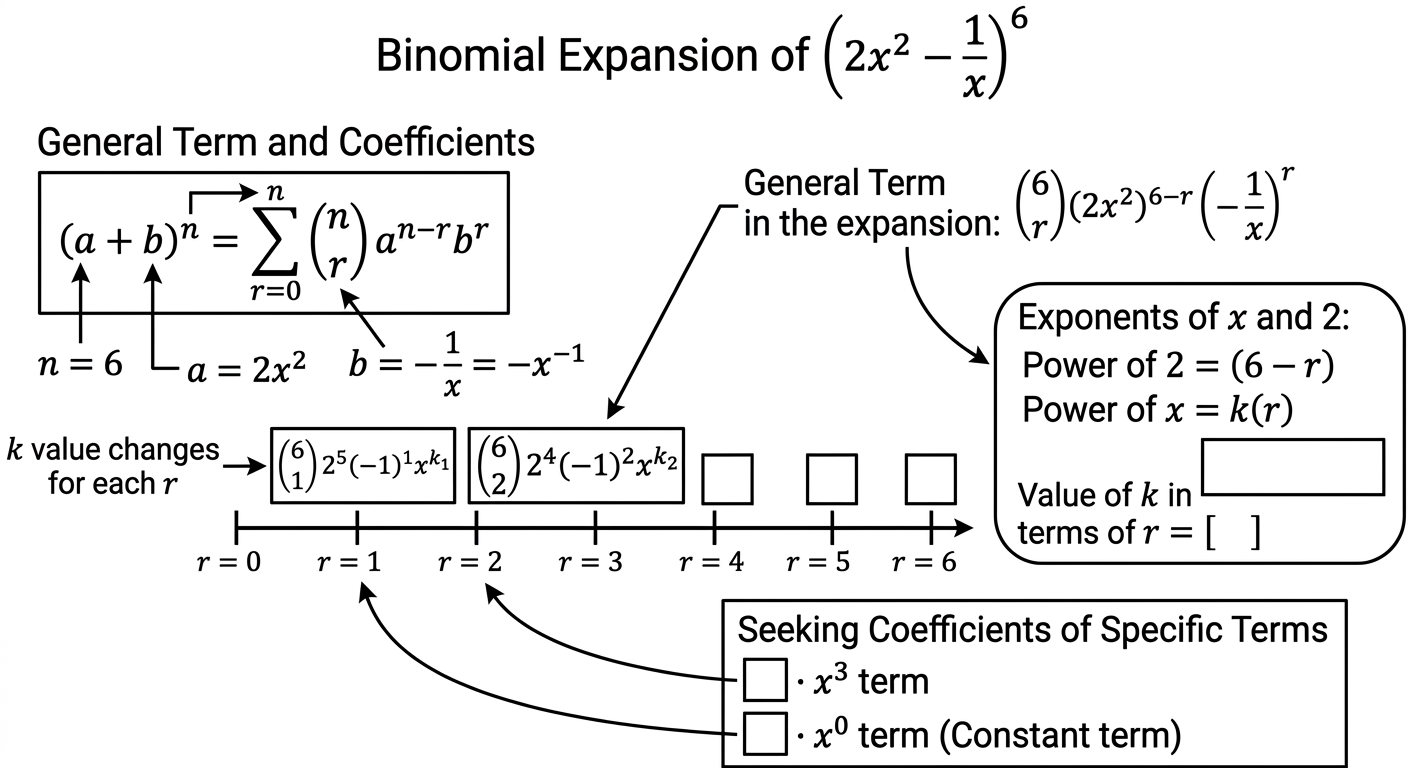
Show that the general term of the expansion can be written as .
Hence calculate the coefficient of in the expansion.
Determine the constant term in the expansion.
revisionprep.com
Summary Answer
Not available for this question.
Model Answer
Not available for this question.
Marking Scheme
Not available for this question.
Examiner Insights
Not available for this question.
The binomial theorem for natural n; nCr and Pascal's triangle
The general term of the binomial expansion of is
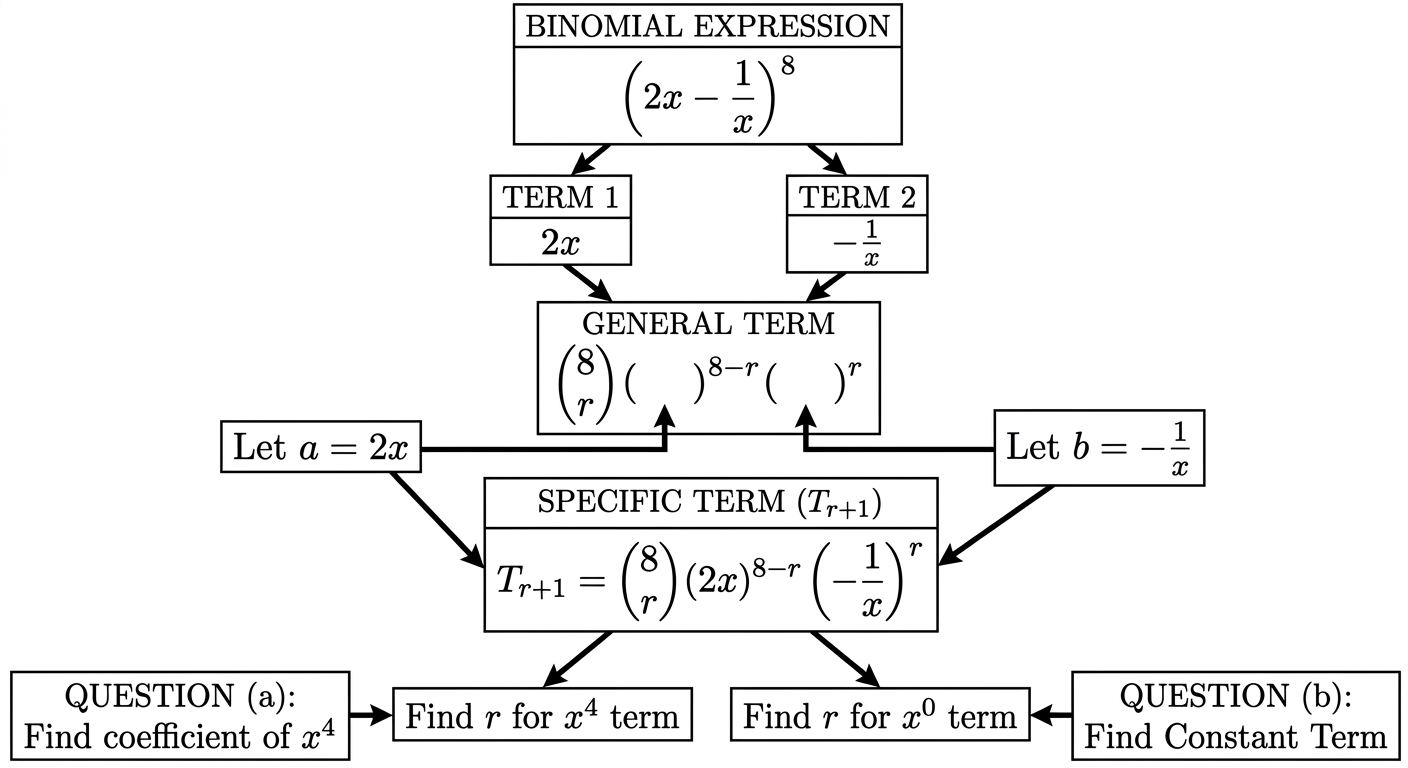
Show that the general term simplifies to .
Find the coefficient of in the expansion.
Hence find the constant term in the expansion of .
revisionprep.com
Summary Answer
Not available for this question.
Model Answer
Not available for this question.
Marking Scheme
Not available for this question.
Examiner Insights
Not available for this question.
The binomial theorem for natural n; nCr and Pascal's triangle
In the expansion of , where , the coefficient of the term is . Binomial theorem:
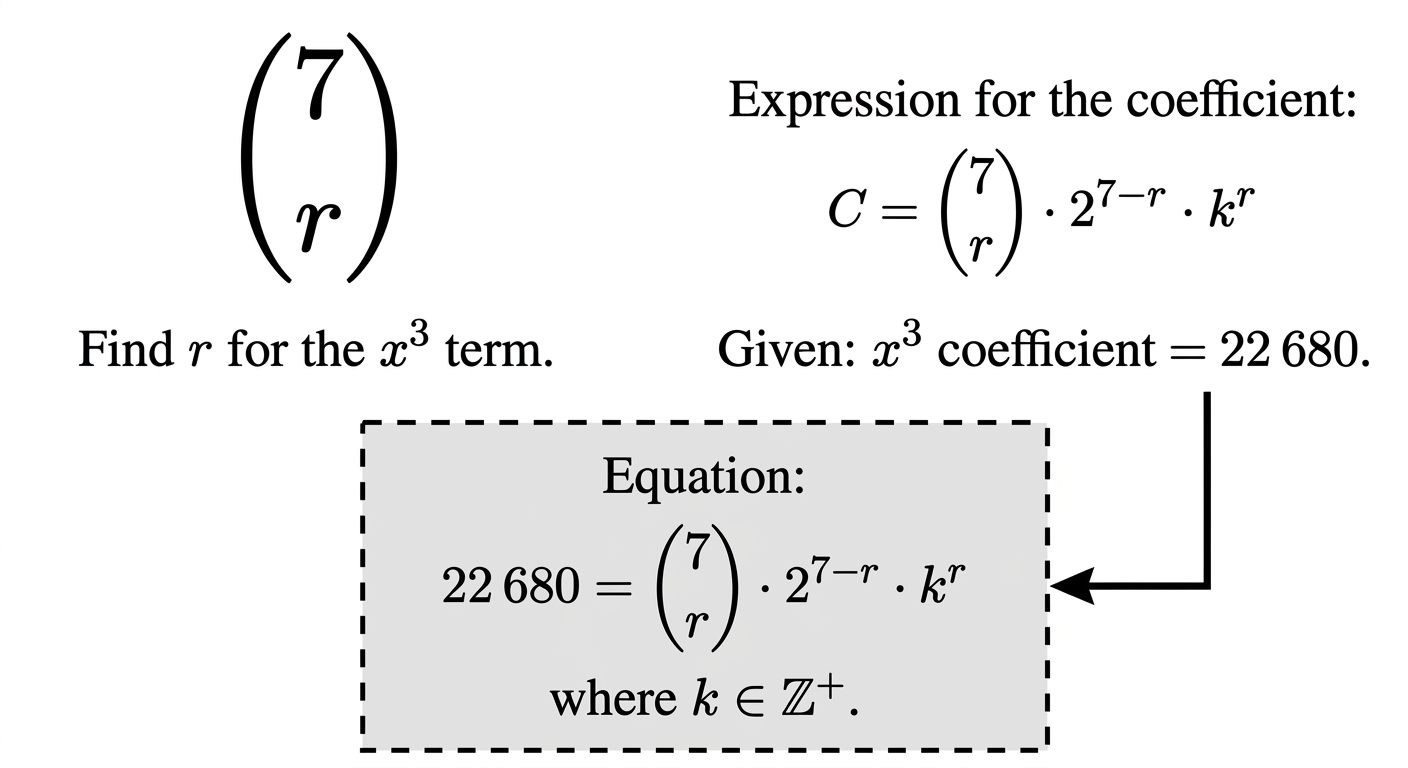
Calculate the value of .
Hence, determine the coefficient of the term in the expansion of .
revisionprep.com
Summary Answer
Not available for this question.
Model Answer
Not available for this question.
Marking Scheme
Not available for this question.
Examiner Insights
Not available for this question.
The binomial theorem for natural n; nCr and Pascal's triangle
In the expansion of , where , the coefficient of is .
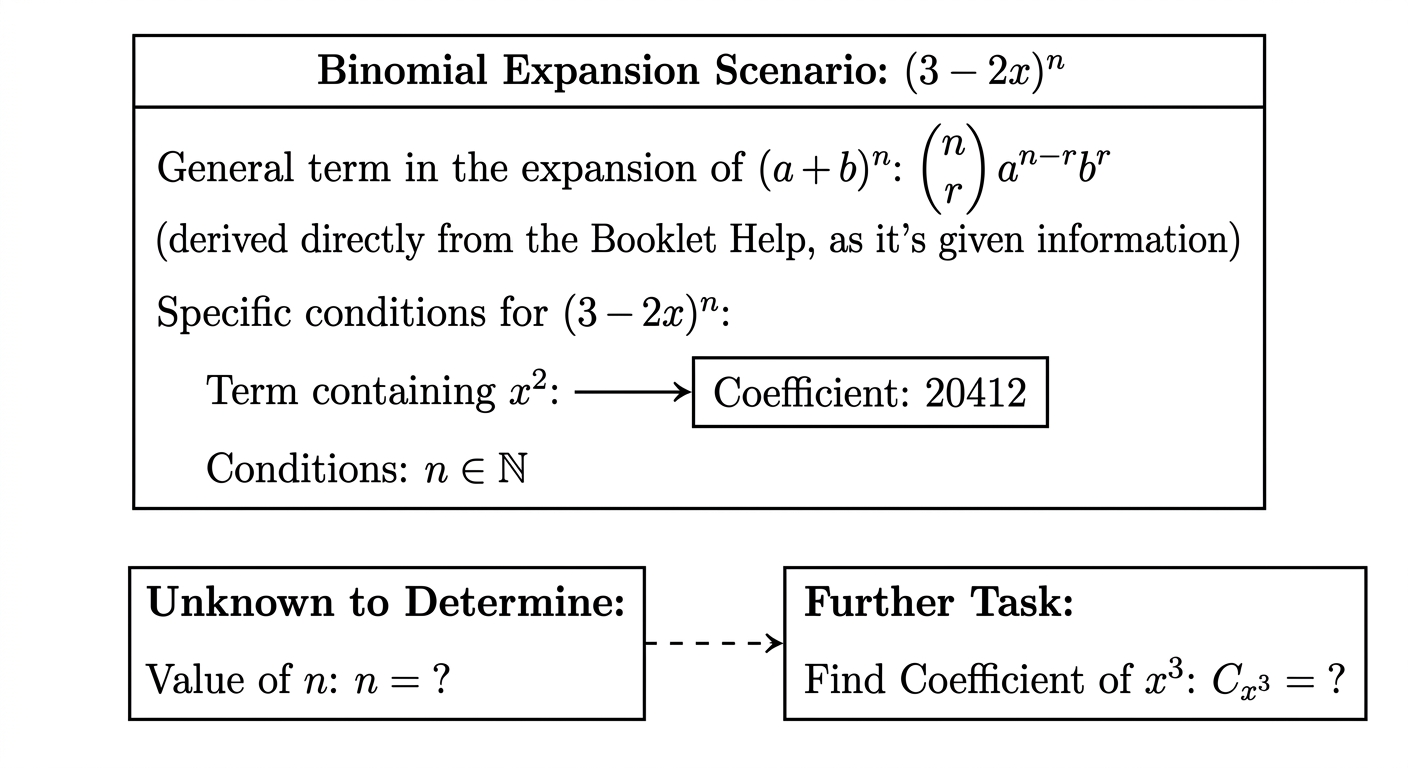
Find the value of .
Hence determine the coefficient of in the expansion of .
State the ratio of the coefficient of to the coefficient of , giving your answer as a simplified fraction.
revisionprep.com
Summary Answer
Not available for this question.
Model Answer
Not available for this question.
Marking Scheme
Not available for this question.
Examiner Insights
Not available for this question.
The binomial theorem for natural n; nCr and Pascal's triangle
The diagram shows the graphs of and for , where is the sum of the first three terms of the binomial expansion of in ascending powers of .
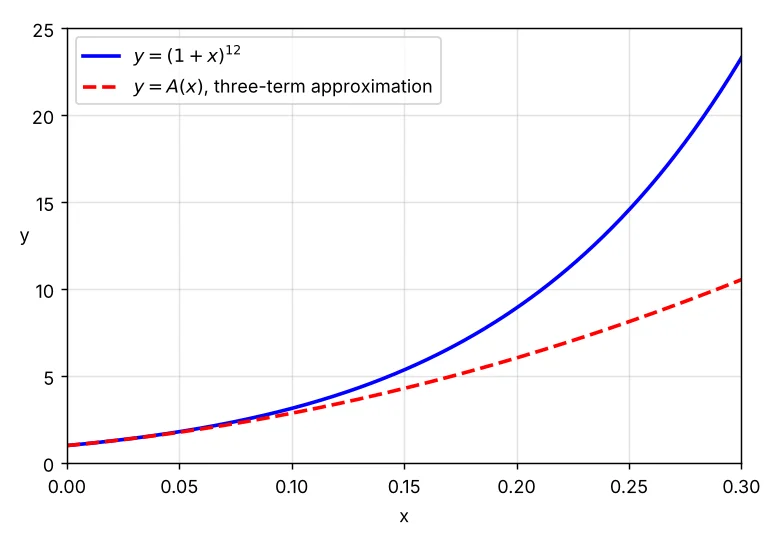
Find .
Use to estimate , and find the percentage error of this estimate. Give your answer correct to three significant figures.
Find the set of values of , with , for which is within of .
By considering the remaining terms of the expansion, explain why for all .
revisionprep.com
Summary Answer
Not available for this question.
Model Answer
Not available for this question.
Marking Scheme
Not available for this question.
Examiner Insights
Not available for this question.
That's every free question here — 6 of 72.
+66 more questions, plus Mock Papers & Worksheets, are waiting in Premium.