Vectors and Matrix Transformations · Paper 2 — Free Maths AI HL Practice Questions
Free questions
Open in full, with answers, mark scheme and examiner insights.
Geometric transformations with matrices
In a pixel-art editor, the triangle shown in the diagram, with , and , is transformed by
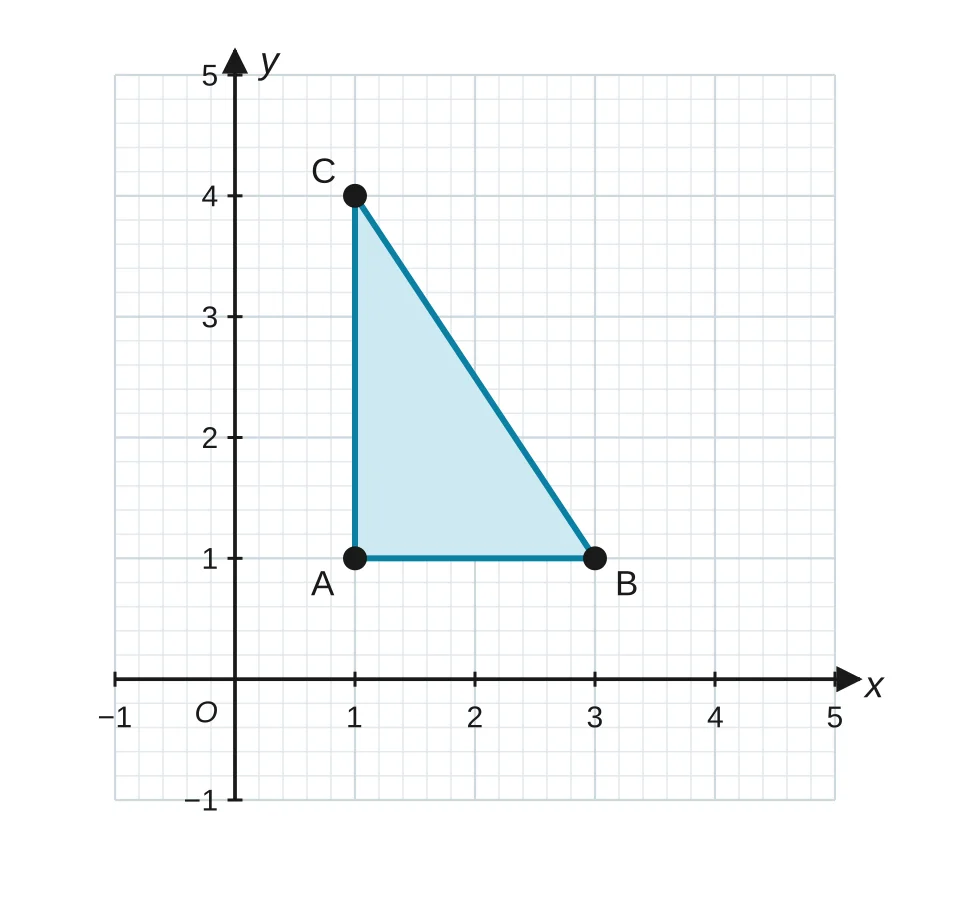
Find the coordinates of the images , and .
Find the area of triangle and the area of triangle .
Find the point that is mapped to .
revisionprep.com
Summary Answer
Not available for this question.
Model Answer
Not available for this question.
Marking Scheme
Not available for this question.
Examiner Insights
Not available for this question.
Vector applications to kinematics
A ferry leaves harbour at 09:00 and sails with constant velocity towards port , as shown in the diagram. Its position vector, in kilometres, hours after 09:00 is .
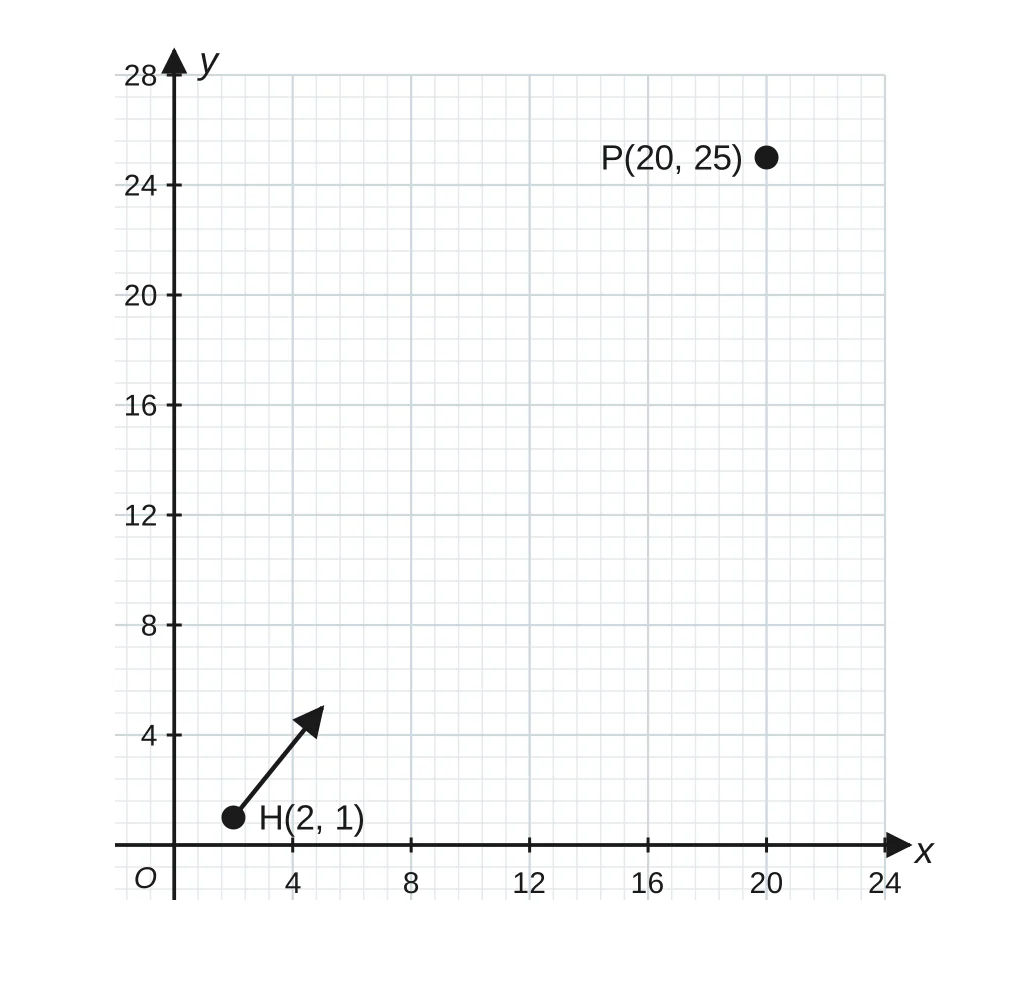
Find the position of the ferry at 09:30.
Find the speed of the ferry.
Find the time at which the ferry arrives at .
Find the distance from to .
A second ferry leaves at 09:00 and sails to at km h. Find the time at which it arrives at .
revisionprep.com
Summary Answer
Not available for this question.
Model Answer
Not available for this question.
Marking Scheme
Not available for this question.
Examiner Insights
Not available for this question.
Vector concepts and algebra
A survey drone is launched from a pad at the origin . The unit vectors , and point east, north and vertically upwards respectively, and distances are in metres. The drone flies in a straight line from towards , as shown in the diagram (not to scale).
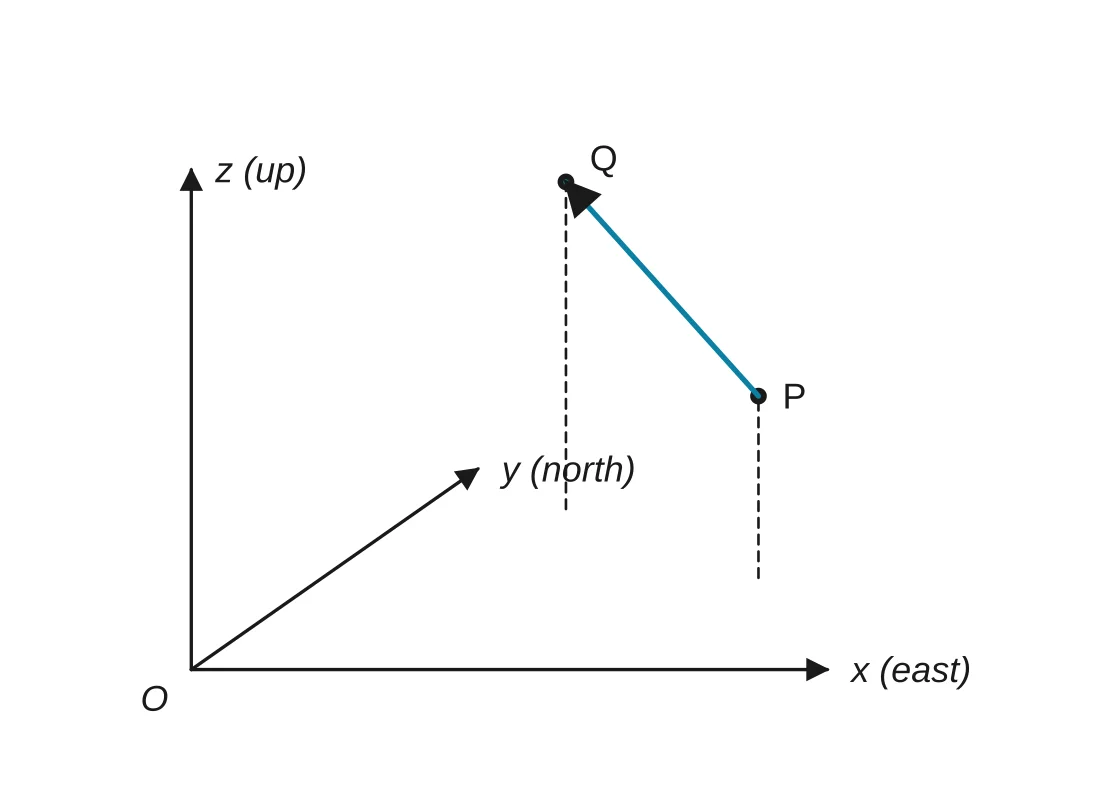
Find .
Find the distance .
Find a unit vector in the direction of .
The drone stops to take a photograph after flying m from towards . Find its position vector at this moment.
Find the distance of from the launch pad.
revisionprep.com
Summary Answer
Not available for this question.
Model Answer
Not available for this question.
Marking Scheme
Not available for this question.
Examiner Insights
Not available for this question.
Scalar and vector product
A broken-down car is towed with a constant force N. It moves from to with displacement m and then from to with displacement m, as shown in the diagram. The work done by a constant force through a displacement is .
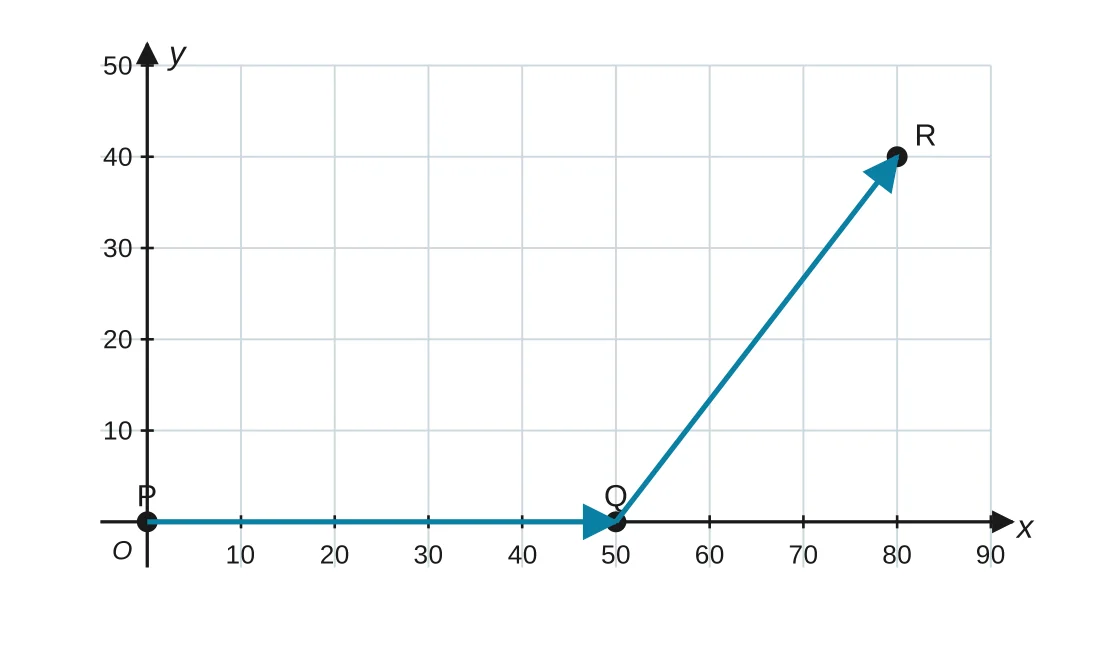
Find the magnitude of .
Find the work done from to .
Find the work done from to .
Show that the total work done equals , and state the property of the scalar product that this illustrates.
Find the angle between and .
revisionprep.com
Summary Answer
Not available for this question.
Model Answer
Not available for this question.
Marking Scheme
Not available for this question.
Examiner Insights
Not available for this question.
Geometric transformations with matrices
Triangle has vertices , and . It is mapped onto triangle , with , and , by a transformation of the form
where is a matrix and is a column vector. Both triangles are shown in the diagram.
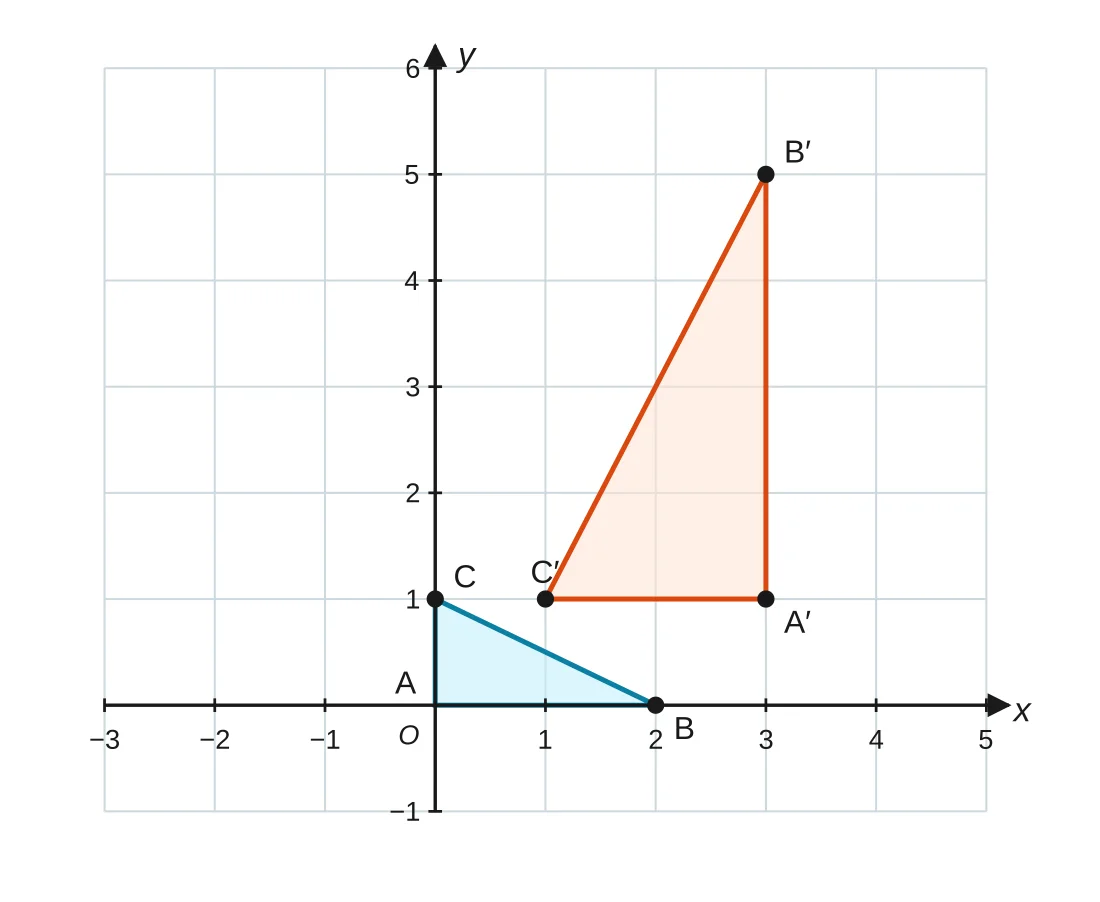
Write down , explaining how you found it.
Find .
Describe fully as a combination of two transformations.
Find the coordinates of the point that is mapped onto itself by this transformation.
revisionprep.com
Summary Answer
Not available for this question.
Model Answer
Not available for this question.
Marking Scheme
Not available for this question.
Examiner Insights
Not available for this question.
Vector equation of a line
Two aircraft fly along straight paths. With the -axis vertical and distances in kilometres, their paths are
for . The diagram shows the paths in plan view (looking down from above), starting at and .
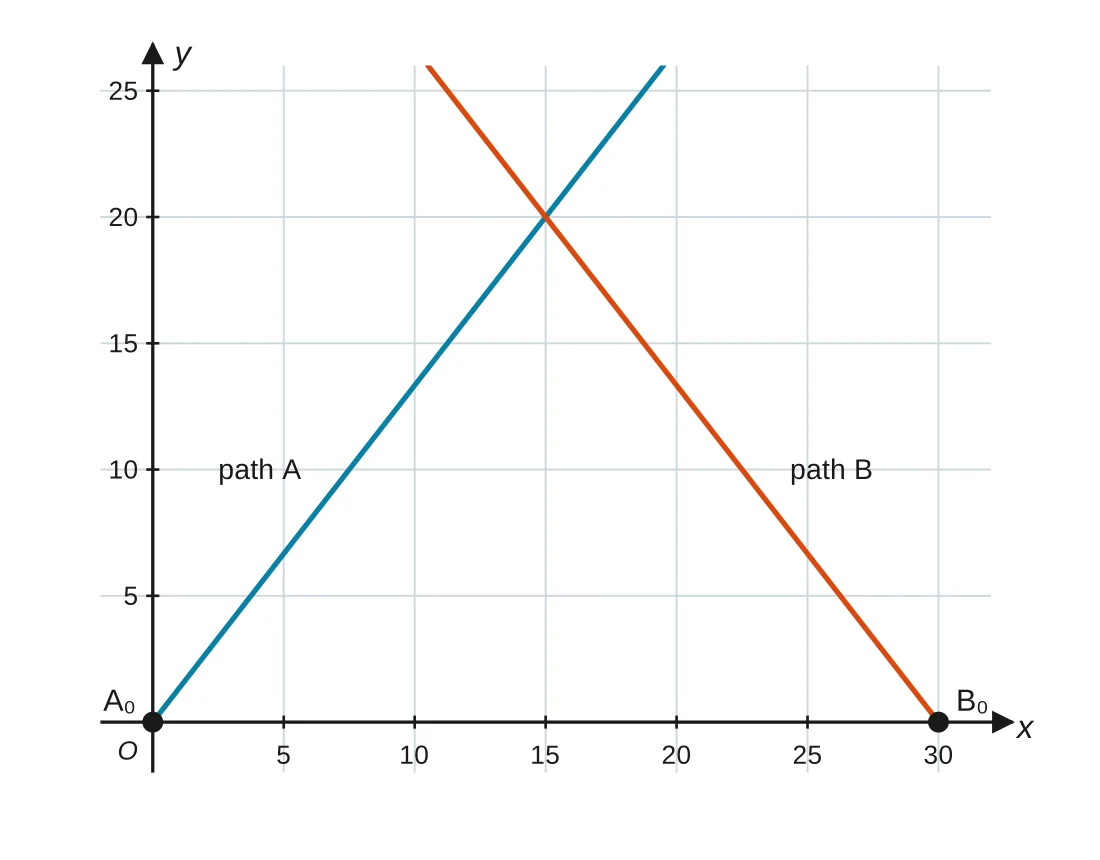
Show that in plan view the paths cross at the point , and find the values of and there.
Find the altitude of each path at this crossing point, and hence the vertical separation of the paths there, in metres.
Regulations require paths that cross in plan view to be at least m apart vertically. Determine whether these paths meet the regulation.
Path is changed so that it starts at with the same direction. Find the least value of for which path passes at least m above path at the crossing point.
Find the acute angle between the original paths and .
revisionprep.com
Summary Answer
Not available for this question.
Model Answer
Not available for this question.
Marking Scheme
Not available for this question.
Examiner Insights
Not available for this question.
That's every free question here — 6 of 93.
+87 more questions, plus Mock Papers & Worksheets, are waiting in Premium.