You're viewing free preview questions. Upgrade to access more Physics SL questions.Upgrade
Kinematics · Paper 1 — Free Physics SL Practice Questions

1FoundationMCQScalars and vectors1 markPaper 1~2 min
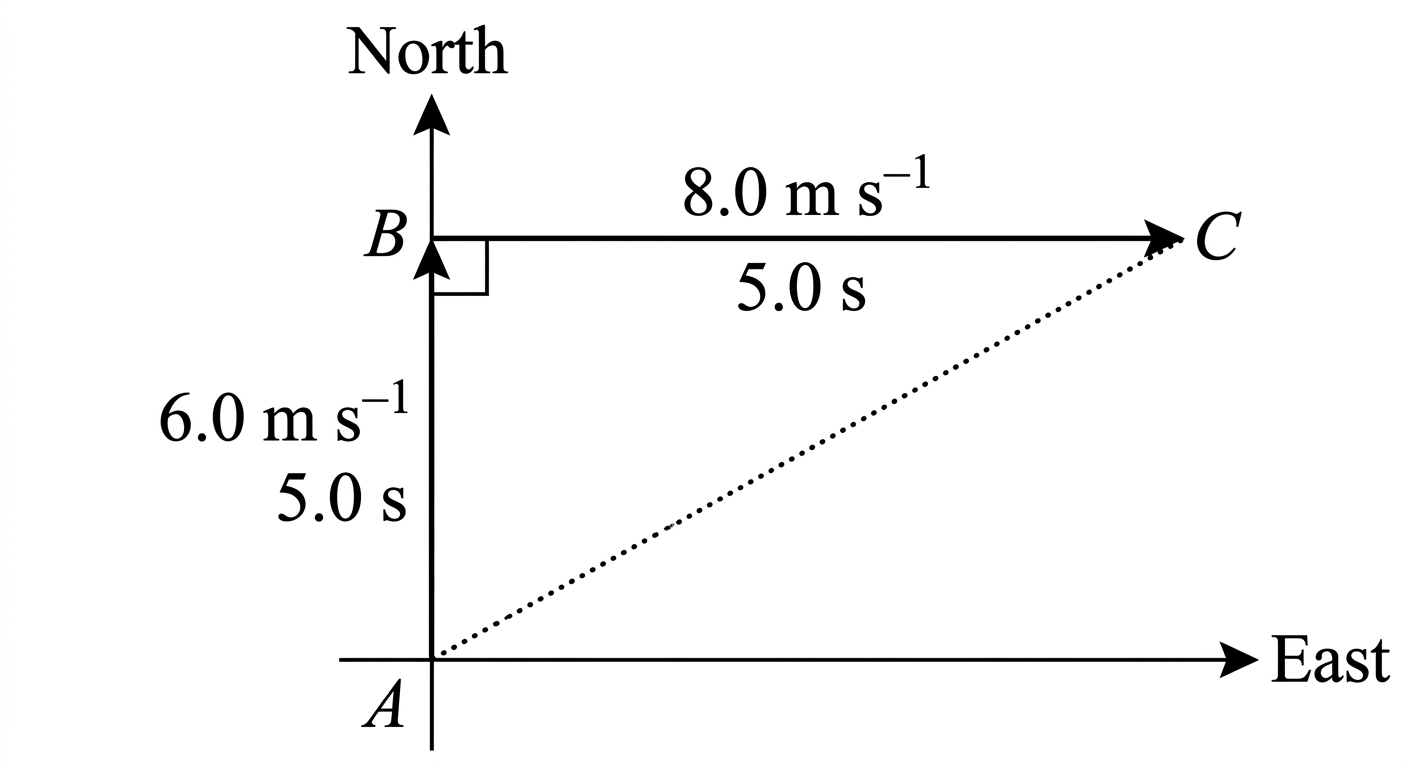
A cyclist travels at a constant speed of north for , then at a constant speed of east for . What is the magnitude of the average velocity of the cyclist for the entire journey?

Solutions
2FoundationMCQScalars and vectors1 markPaper 1~2 min
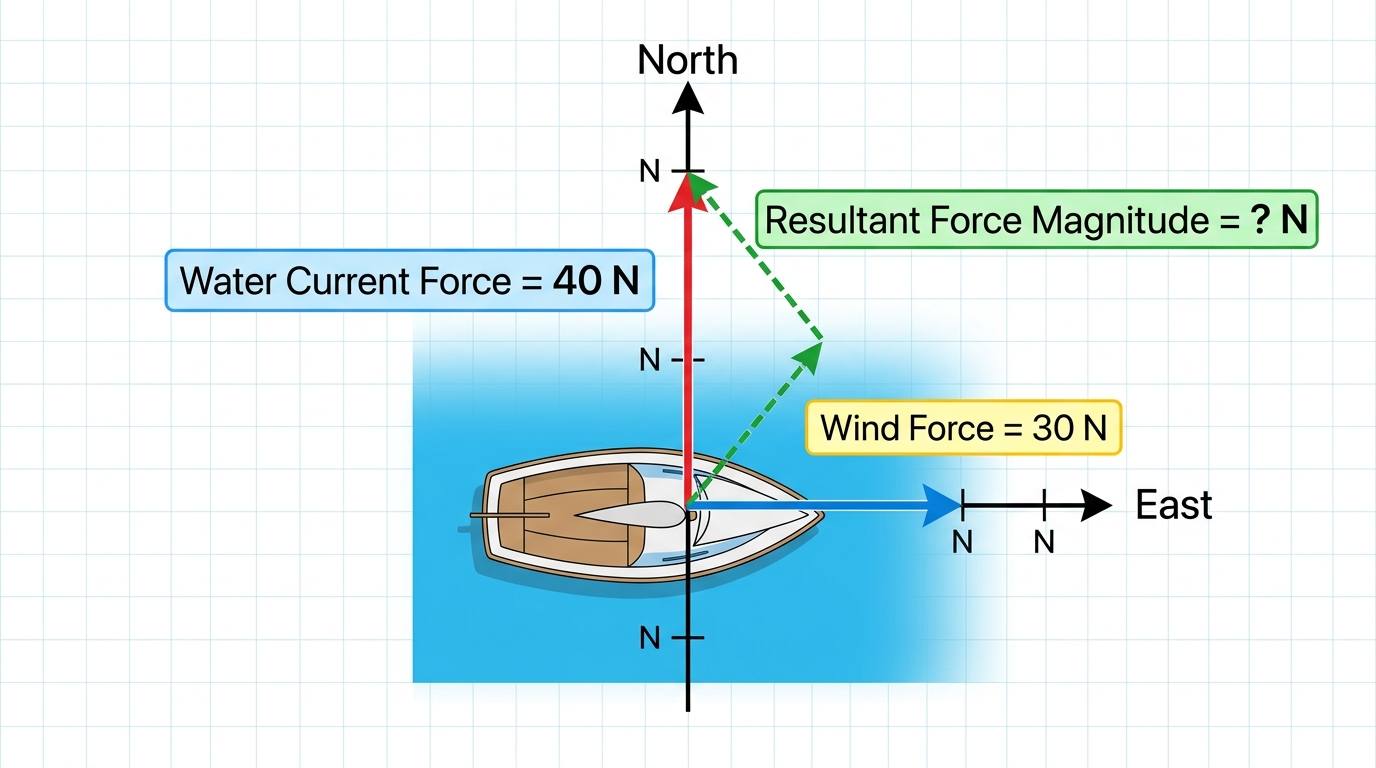
A sailboat is acted on by a wind force of directed due east and a water current force of directed due north. What is the magnitude of the resultant of these two forces?
Solutions
3FoundationMCQGraphical analysis of motion1 markPaper 1~2 min
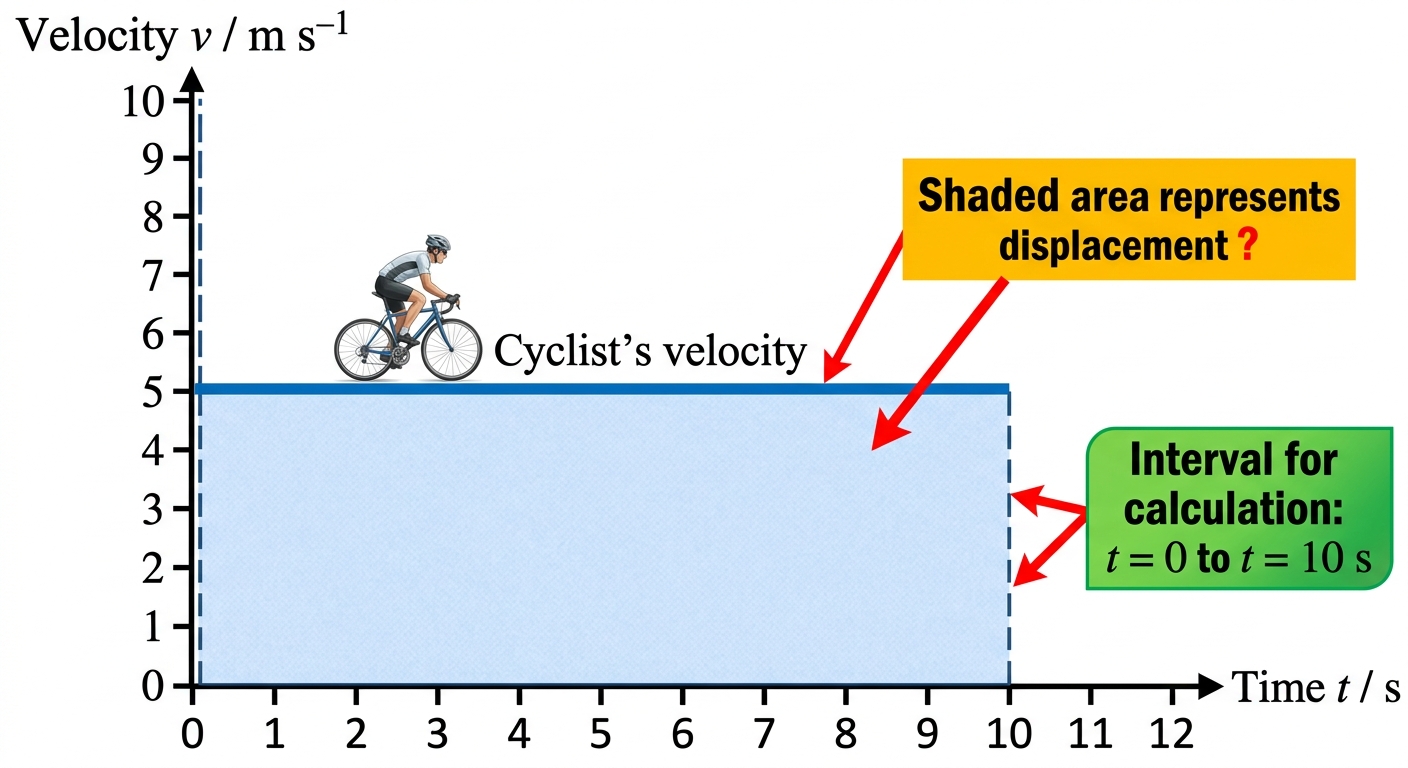
A cyclist travels along a straight road. Her velocity–time graph is a horizontal straight line at for . What is the displacement of the cyclist during this 8-second interval?
Solutions
4FoundationMCQGraphical analysis of motion1 markPaper 1~2 min
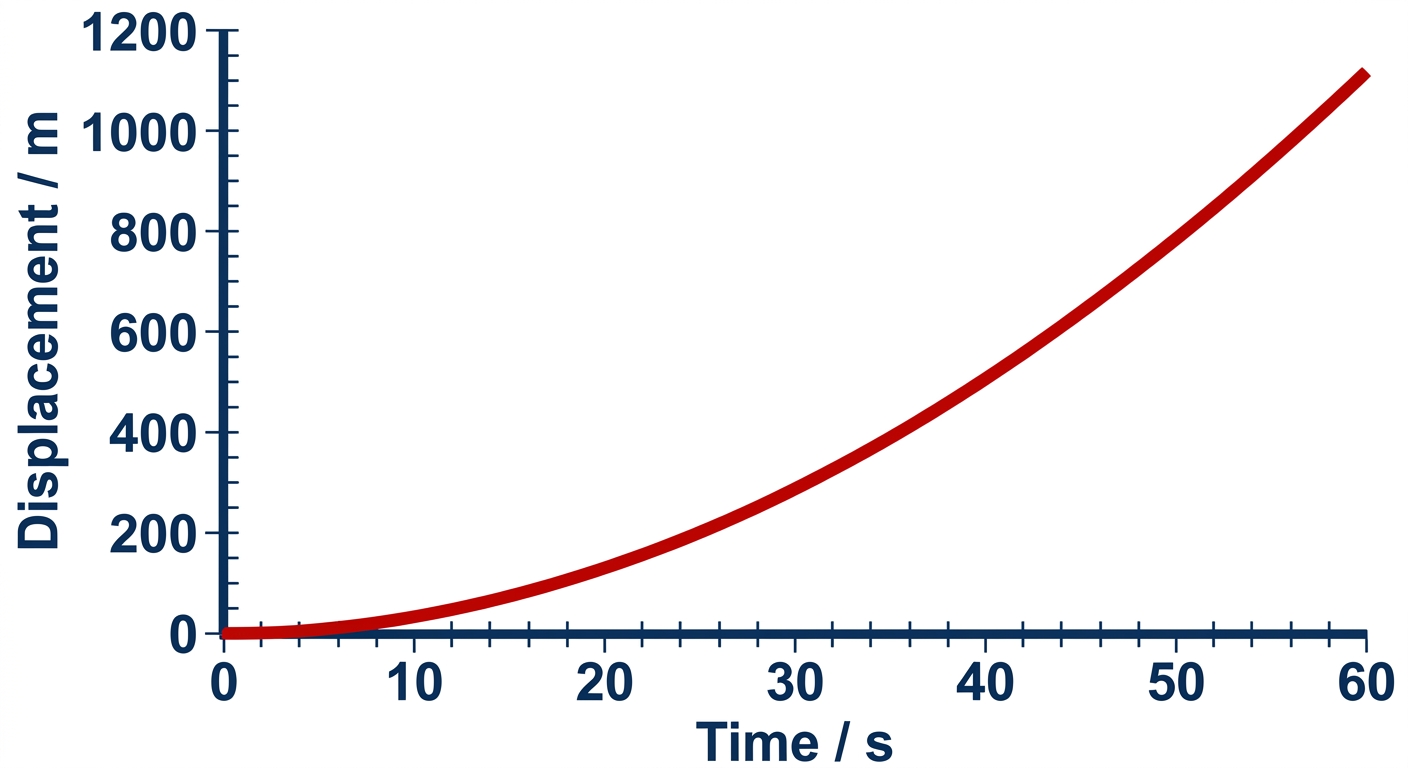
A drone moves along a straight line. Its displacement–time graph is a smooth curve whose gradient increases continuously with time. Which statement correctly describes the motion of the drone?
Solutions
5FoundationMCQGraphical analysis of motion1 markPaper 1~2 min
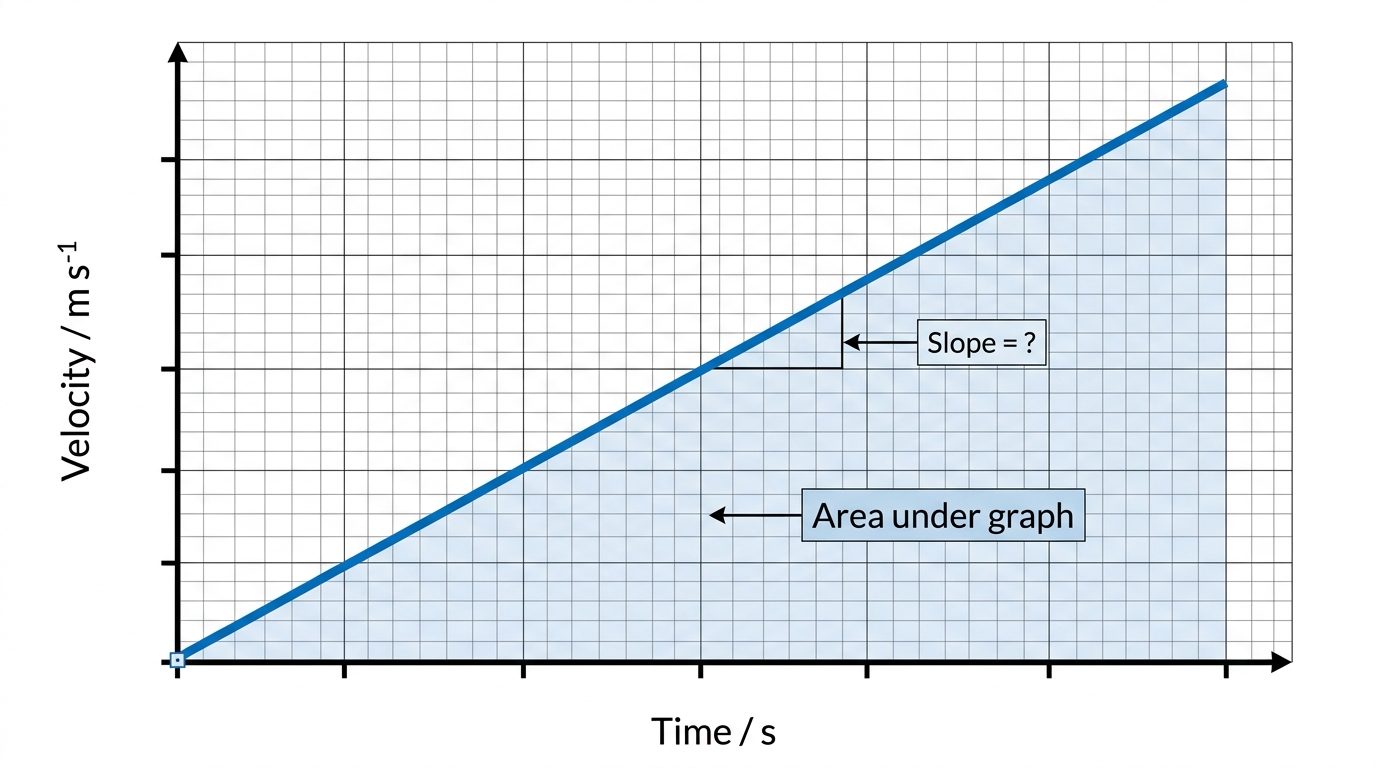
A ball is released from rest and falls freely under gravity near Earth's surface. Its velocity–time graph is a straight line passing through the origin. Which quantity is represented by the gradient of this line?
Solutions
6FoundationMCQGraphical analysis of motion1 markPaper 1~2 min
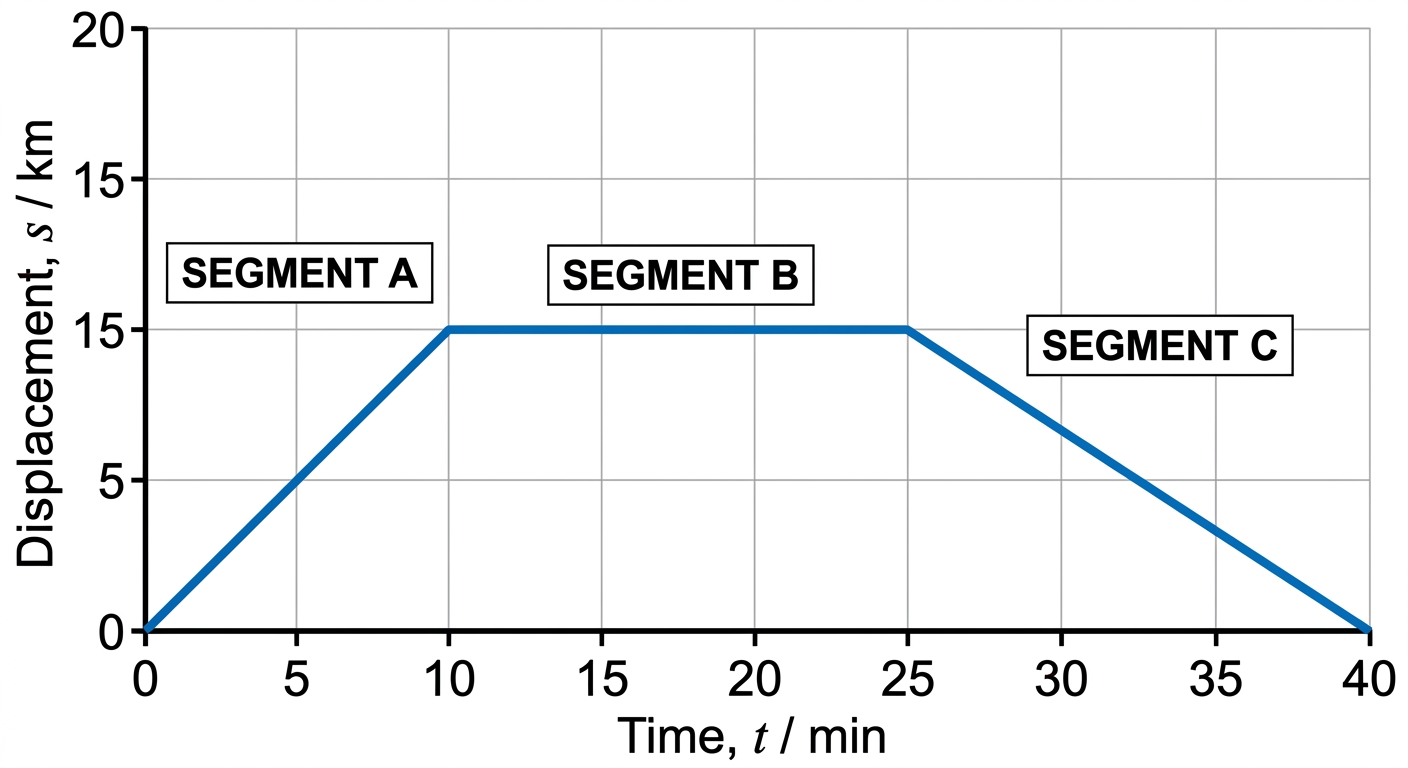
A train travels between two stations. Its displacement–time graph consists of three straight-line segments joined continuously. The first segment has a positive gradient, the second segment is horizontal, and the third segment has a negative gradient. During which segment is the instaneous velocity of the train equal to zero?
Solutions
7FoundationMCQGraphical analysis of motion1 markPaper 1~2 min
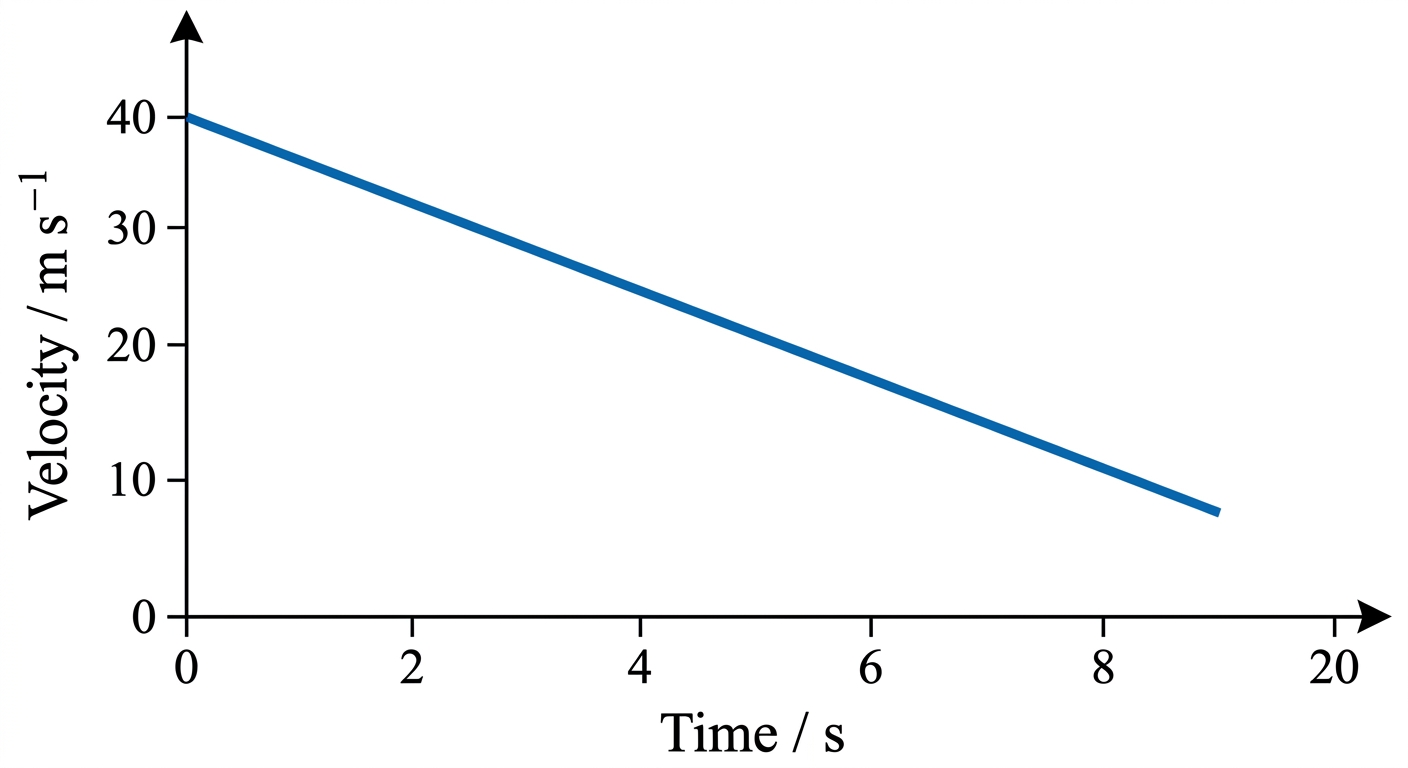
A car travels in a straight line. Its velocity–time graph is a straight line with a negative slope. The velocity remains positive throughout the interval shown. Which statement correctly describes the car's motion during this interval?
Solutions
8FoundationMCQEquations of motion (constant acceleration)1 markPaper 1~2 min
A car starts from rest and accelerates uniformly at . The car's speed after is . What is the distance travelled by the car during these ?
Solutions
9FoundationMCQEquations of motion (constant acceleration)1 markPaper 1~2 min
A stone is thrown vertically upward with an initial speed of . Air resistance is negligible. What is the acceleration of the stone at the instant it reaches its highest point?
Solutions
10FoundationMCQDisplacement, velocity, and acceleration1 markPaper 1~2 min
A stone is released from rest at the top of a cliff. After it has a downward speed of . What is the magnitude of the acceleration of the stone during this time?
Solutions
11FoundationMCQScalars and vectors1 markPaper 1~2 min
Two forces act on an object: directed east and directed north. What is the magnitude of the resultant force and the angle it makes measured north of east?
Solutions
12FoundationMCQScalars and vectors1 markPaper 1~2 min
An aircraft flies due north, then due west. What is the magnitude of the resultant displacement from the starting point?
Solutions
13FoundationMCQDisplacement, velocity, and acceleration1 markPaper 1~2 min
A cyclist passes a signpost at . She rides east in , remains stationary for , then rides west in . What is the magnitude of her average velocity for the entire journey?
Solutions
14FoundationMCQScalars and vectors1 markPaper 1~2 min
Vector has magnitude and points north. Vector has magnitude and points north. What is the magnitude and direction of ?
Solutions
15FoundationMCQEquations of motion (constant acceleration)1 markPaper 1~2 min
A train travels at and applies its brakes, decelerating uniformly at until it comes to rest. What is the time taken for the train to stop?
Solutions
16FoundationMCQEquations of motion (constant acceleration)1 markPaper 1~2 min
A cyclist accelerates uniformly from to over a distance of . What is the magnitude of the acceleration of the cyclist?
Solutions
17FoundationMCQScalars and vectors1 markPaper 1~2 min
Two horizontal forces act on a box on a frictionless surface. A force of acts to the right and a force of acts to the left. What is the magnitude of the net force on the box?
Solutions
18FoundationMCQDisplacement, velocity, and acceleration1 markPaper 1~2 min
A car travels at a constant velocity of for . It then decelerates uniformly to rest in a further . What is the total displacement of the car?
Solutions
19FoundationMCQDisplacement, velocity, and acceleration1 markPaper 1~2 min
A cyclist starts from rest a traffic light and accelerates uniformly along a straight road, reaching in . What is the displacement of the cyclist during this time?
Solutions
20FoundationMCQScalars and vectors1 markPaper 1~2 min
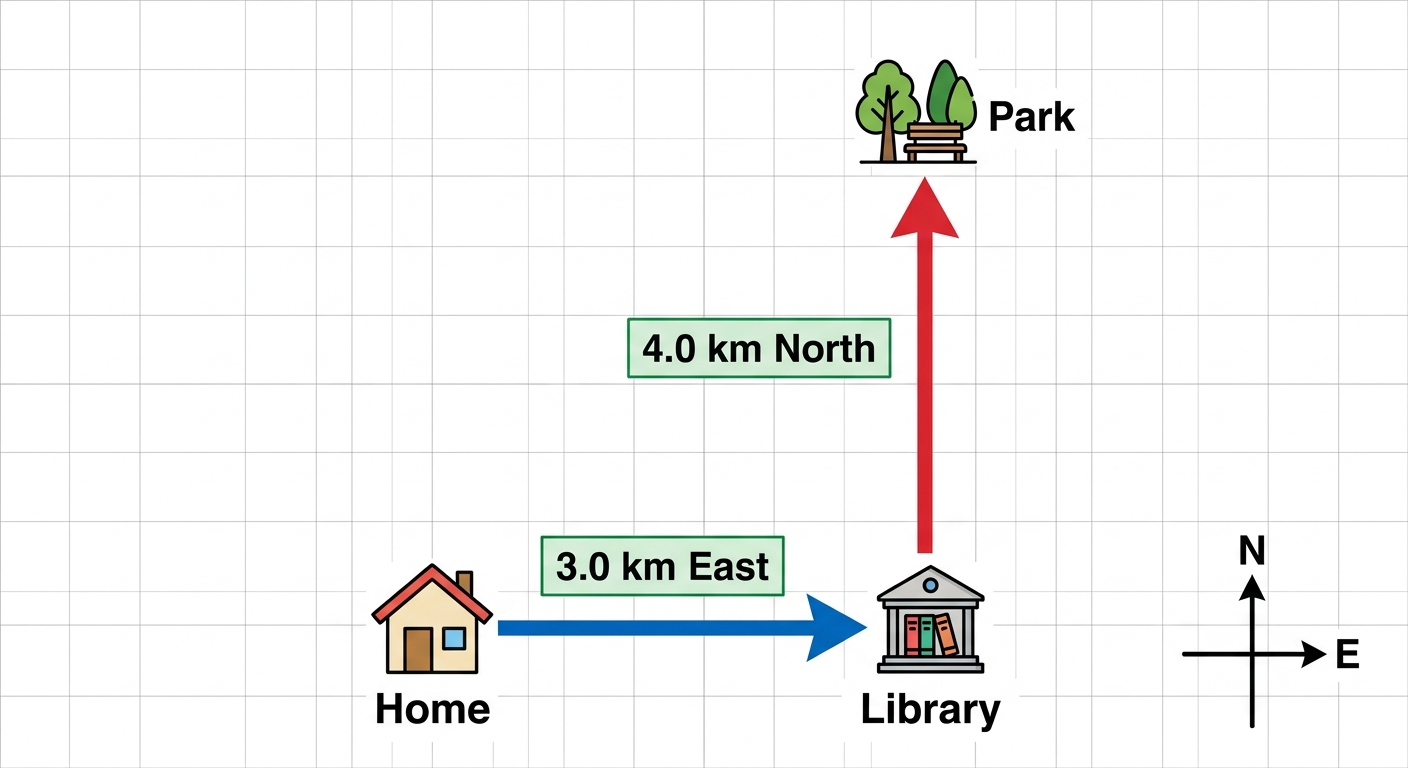
A student walks east from home to a library, then turns and walks north to a park. What is the magnitude of the student's displacement from home to the park?
Solutions
Showing 20 of 227 free questions