You're viewing free preview questions — 4 questions previewing here — subscribe to unlock 53 more, plus the Full Question Bank, Mock Papers & Worksheets.Upgrade
Prime Composite and Square Numbers — Free MYP1 Mathematics Practice Questions

1QuestionComposite Numbers and Their PropertiesConcept Practice
2 marks~3 minCriterion D
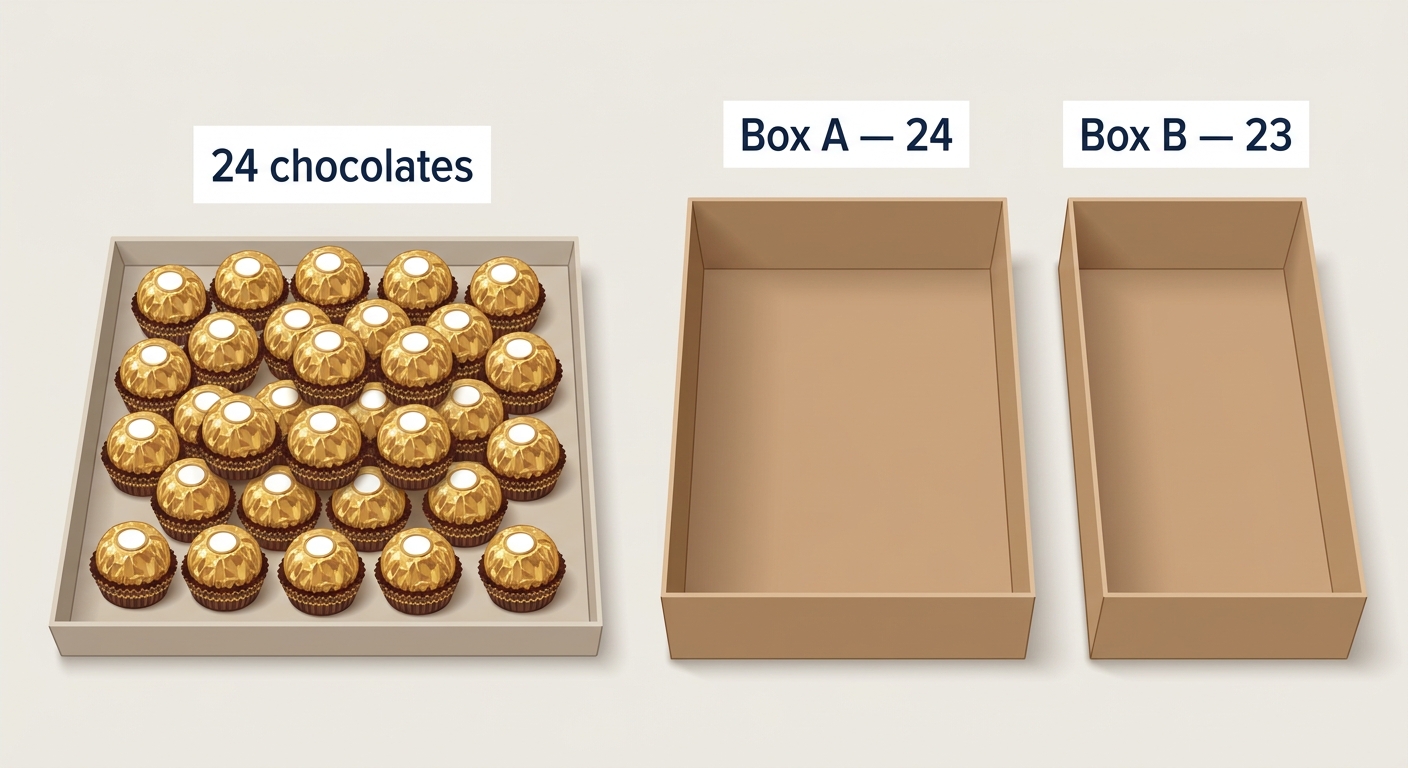
A factory packs 24 chocolates into rectangular boxes.
a
List two factors of 24 (not 1 or 24). [1]
b
Describe one reason why having many factors makes 24 a better choice than 23 for packaging chocolates. [1]

Solutions
2QuestionComposite Numbers and Their PropertiesAssessment Practice
5 marks~8 minCriterion C
A student says: "A number is composite if it ends in an even digit."
a
Name one factor of 15 that is neither 1 nor 15. [1]
b
List all the factors of 12. [2]
c
Describe why a number ending in an even digit is not always composite. Give one example to support your answer. [2]
Solutions
3QuestionApplications of Square Numbers in GeometryConcept Practice
2 marks~3 minCriterion A
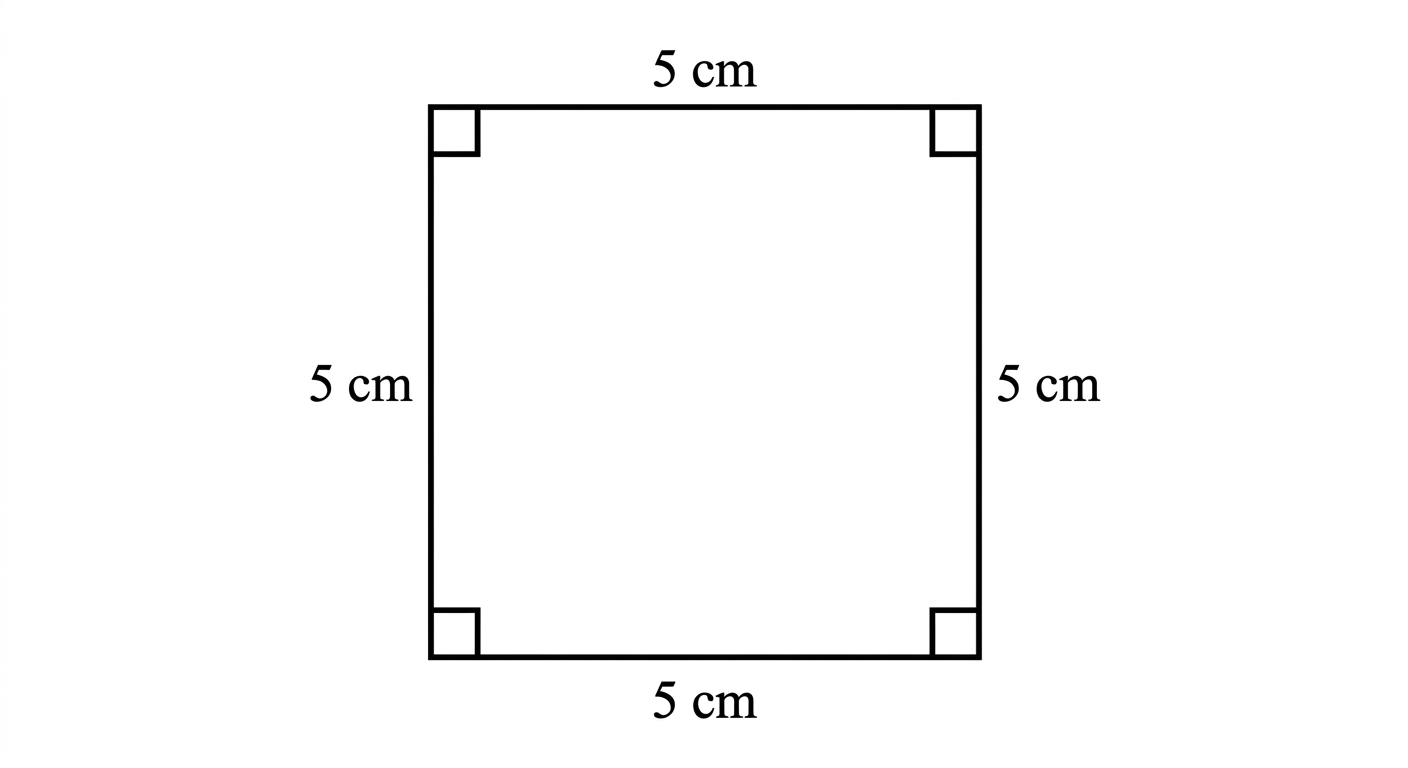
The square below has a side length of 5 cm.
Calculate the area of the square. [2]
Calculate the area of the square. [2]
Solutions
4QuestionSquare Numbers and Their PatternsConcept Practice
5 marks~8 minCriterion B
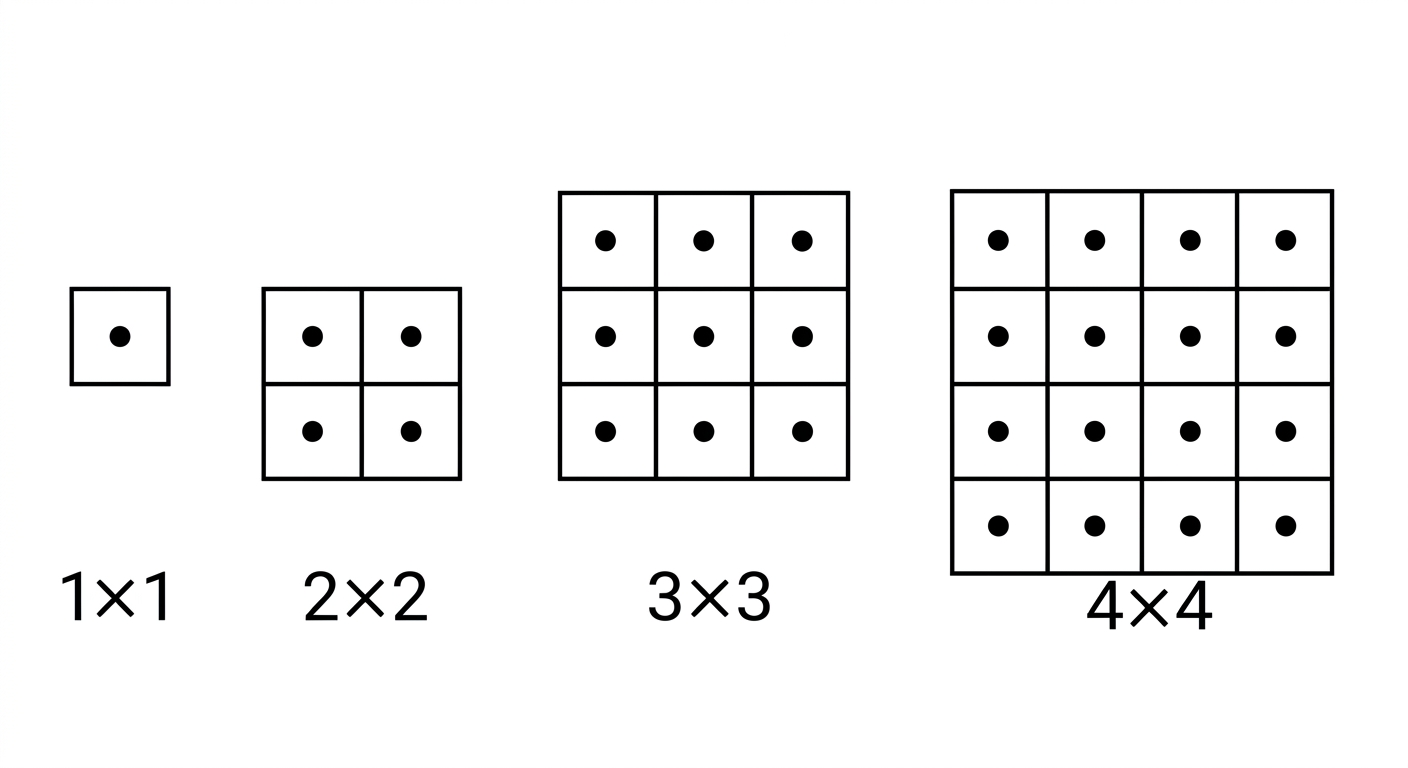
The dot diagrams below show the first four square numbers.
: 1 dot : 4 dots : 9 dots : 16 dots
: 1 dot : 4 dots : 9 dots : 16 dots
a
Name the next square number after 16. [1]
b
Describe the rule that connects the side length of a square to its number of dots. [2]
c
A square has 25 dots and a square has 100 dots. Describe one way these two squares are the same and one way they are different. [2]
Solutions
That's every free question here — 4 of 57.
+53 more questions, plus Mock Papers & Worksheets, are waiting in Premium.