You're viewing free preview questions — 6 questions previewing here — subscribe to unlock 66 more, plus the Full Question Bank, Mock Papers & Worksheets.Upgrade
Back

Divisibility and Remainders — Free MYP1 Mathematics Practice Questions

Free questions

Open in full, with answers, mark scheme and examiner insights.

Question 1Criterion A · Band 1-4 · Easy · 4 marksrevisionprep.com

Divisibility Rules for Numbers 2 to 10
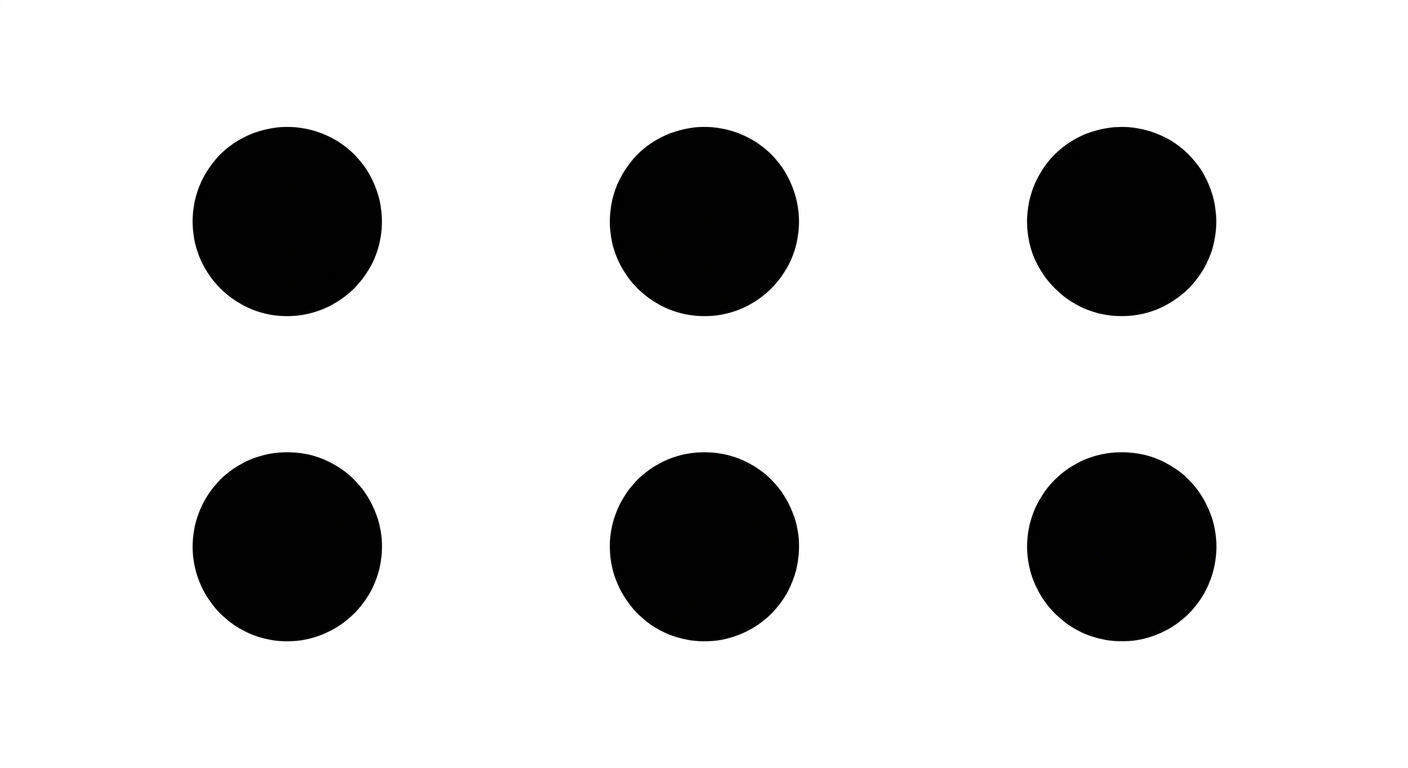
The diagram shows 6 dots in 2 rows of 3.
Question diagram
(a)
Explain, using the diagram, why 6 is divisible by 2 and by 3. [2]Criterion A (i) · Level 1-2
(b)
One more dot is added. Explain why 7 dots cannot be arranged in equal rows of 2 or of 3. [2]Criterion A (iii) · Level 3-4

revisionprep.com

Summary Answer

Not available for this question.

Model Answer

Not available for this question.

Marking Scheme

Not available for this question.

Examiner Insights

Not available for this question.

Question 2Criterion A · Band 1-4 · Easy · 4 marksrevisionprep.com

Applications of Remainders in Context

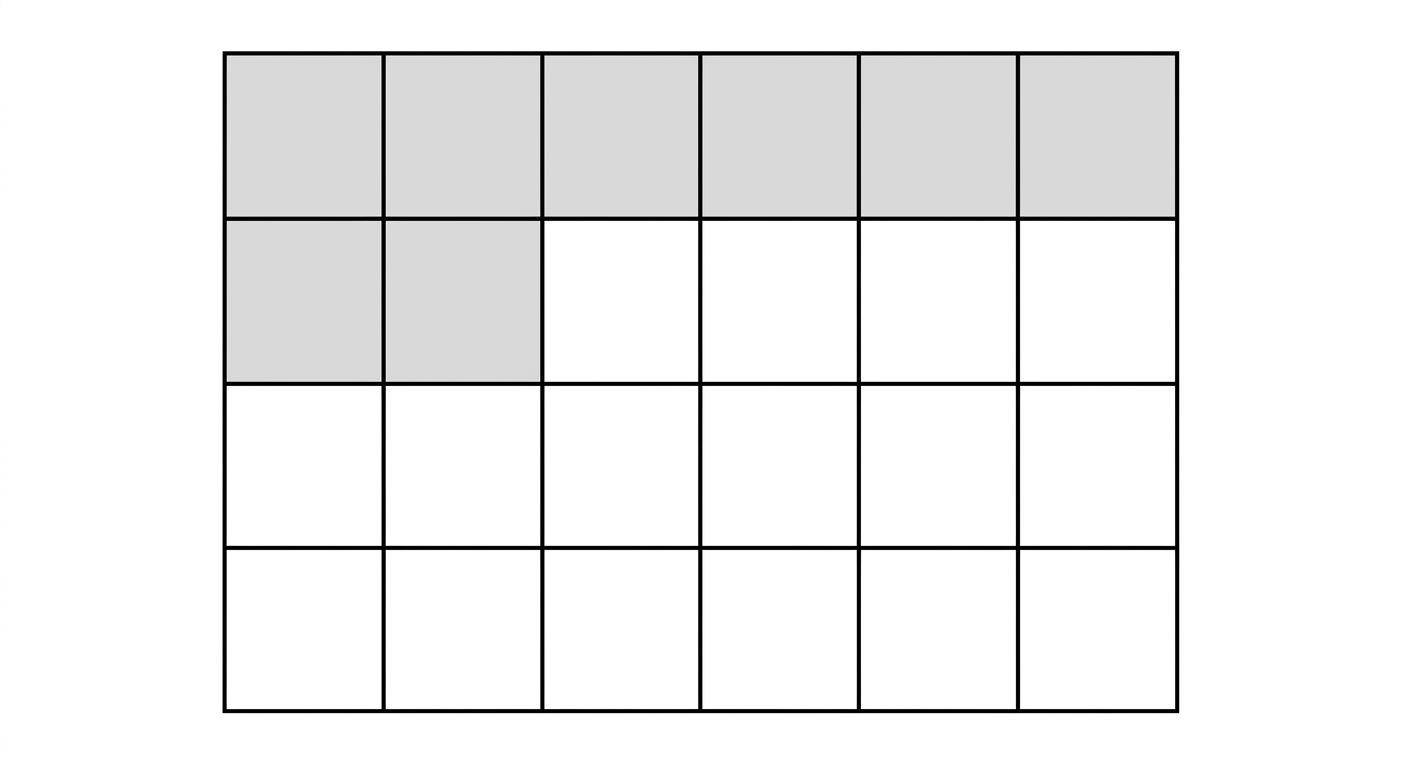
The rectangle has 4 rows and 6 columns of equal squares. 8 squares are shaded.
Question diagram
(a)
Find the total number of squares and the fraction shaded, in its simplest form. [2]Criterion A (i), A (ii) · Level 1-2
(b)
Find how many complete rows the shaded squares would fill, and how many would be left. [1]Criterion A (ii) · Level 3-4
(c)
Find how many more squares must be shaded so that the shaded squares fill exactly half the rectangle in complete rows. [1]Criterion A (iii) · Level 3-4

revisionprep.com

Summary Answer

Not available for this question.

Model Answer

Not available for this question.

Marking Scheme

Not available for this question.

Examiner Insights

Not available for this question.

Question 3Criterion C · Band 3-6 · Medium · 6 marksrevisionprep.com

Divisibility Rules for Numbers 2 to 10
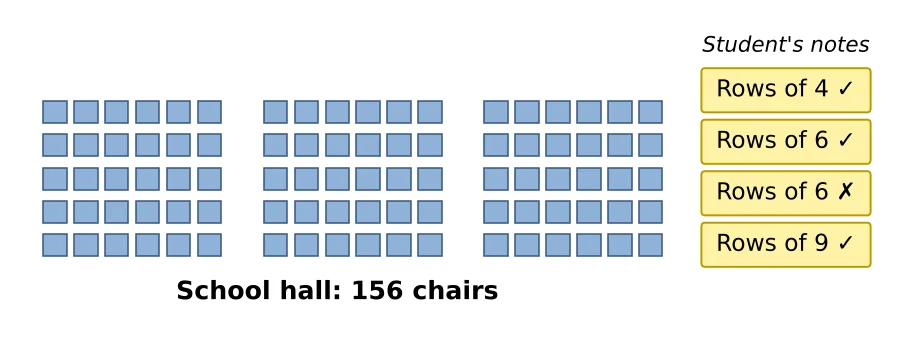
The picture shows a hall with 156 chairs. A student has written some notes on it: 'Rows of 4 ✓', 'Rows of 6 ✓', 'Rows of 6 ✗' and 'Rows of 9 ✓'.
Question diagram
(a)
Use divisibility rules to test 156 for rows of 4, 6 and 9. [3]Criterion C (i), C (ii) · Level 3-4
(b)
Write down which of the student's notes are wrong. [1]Criterion C (iii) · Level 3-4
(c)
Write a corrected set of notes, including the number of rows each time it works. [2]Criterion C (iv) · Level 5-6

revisionprep.com

Summary Answer

Not available for this question.

Model Answer

Not available for this question.

Marking Scheme

Not available for this question.

Examiner Insights

Not available for this question.

Question 4Criterion D · Band 1-6 · Medium · 6 marksrevisionprep.com

Finding Remainders in Division

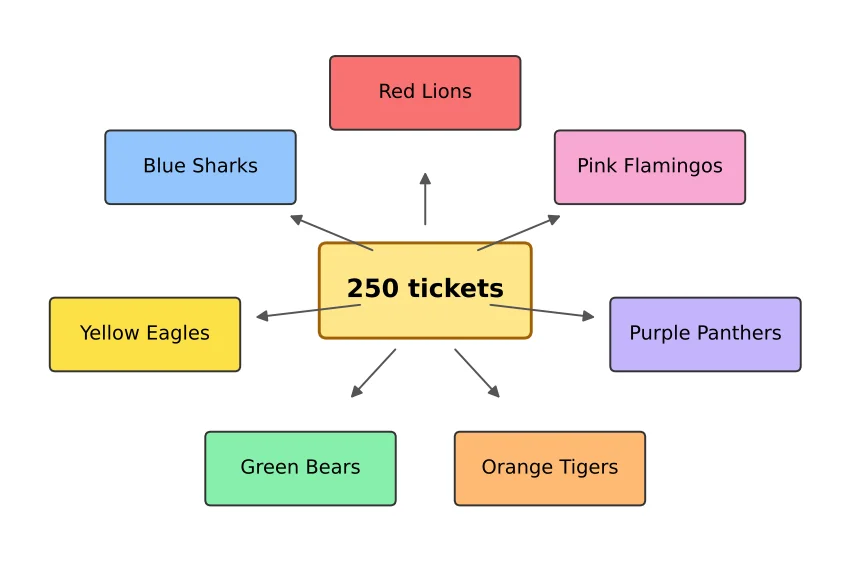
250 tickets are shared equally among the 7 fan clubs shown, with any left over kept by the organiser.
Question diagram
(a)
Find how many tickets each club gets and how many are left over. [2]Criterion D (i), D (ii) · Level 1-2
(b)
Check your answer to (a) by multiplication. [1]Criterion D (iii) · Level 3-4
(c)
An eighth club joins. Find the new share and the number left over. [1]Criterion D (iii) · Level 3-4
(d)
The Orange Tigers club has 60 members and the Pink Flamingos 20. Explain whether sharing tickets equally between clubs is fair, and suggest a fairer way. [2]Criterion D (iv), D (v) · Level 5-6

revisionprep.com

Summary Answer

Not available for this question.

Model Answer

Not available for this question.

Marking Scheme

Not available for this question.

Examiner Insights

Not available for this question.

Question 5Criterion B · Band 1-8 · Challenge · 7 marksrevisionprep.com

Prime Divisors and Factorization

This question compares how many factors different numbers have.
(a)
List the factors of 6, 10 and 15, and count them. [2]Criterion B (i) · Level 1-2
(b)
List the factors of 4, 9 and 25, and count them. [1]Criterion B (i) · Level 3-4
(c)
Describe the pattern for numbers that are a product of two different primes, and for squares of primes. [2]Criterion B (ii) · Level 5-6
(d)
Predict the number of factors of 35 and of 49, and explain why a product of two different primes p×qp \times q has exactly four factors. [2]Criterion B (iii) · Level 7-8

revisionprep.com

Summary Answer

Not available for this question.

Model Answer

Not available for this question.

Marking Scheme

Not available for this question.

Examiner Insights

Not available for this question.

Question 6Criterion B · Band 1-8 · Challenge · 6 marksrevisionprep.com

Testing for Divisibility in Large Numbers

This question looks at a number minus its digit sum.
(a)
Work out the number minus its digit sum for 47, 82 and 135. [2]Criterion B (i) · Level 1-2
(b)
Describe what the answers have in common. [1]Criterion B (ii) · Level 3-4
(c)
Verify your pattern with 2024. [1]Criterion B (iii) · Level 5-6
(d)
A two-digit number has tens digit aa and units digit bb, so it equals 10a+b10a + b. Explain why the number minus its digit sum is always a multiple of 9. [2]Criterion B (iii) · Level 7-8

revisionprep.com

Summary Answer

Not available for this question.

Model Answer

Not available for this question.

Marking Scheme

Not available for this question.

Examiner Insights

Not available for this question.

That's every free question here — 6 of 72.

+66 more questions, plus Mock Papers & Worksheets, are waiting in Premium.

Upgrade