You're viewing free preview questions — 4 questions previewing here — subscribe to unlock 88 more, plus the Full Question Bank, Mock Papers & Worksheets.Upgrade
Specialized Cells and Their Functions — Free MYP1 Sciences Practice Questions

1QuestionAdaptations of Specialized CellsConcept Practice
3 marks~5 minCriterion A
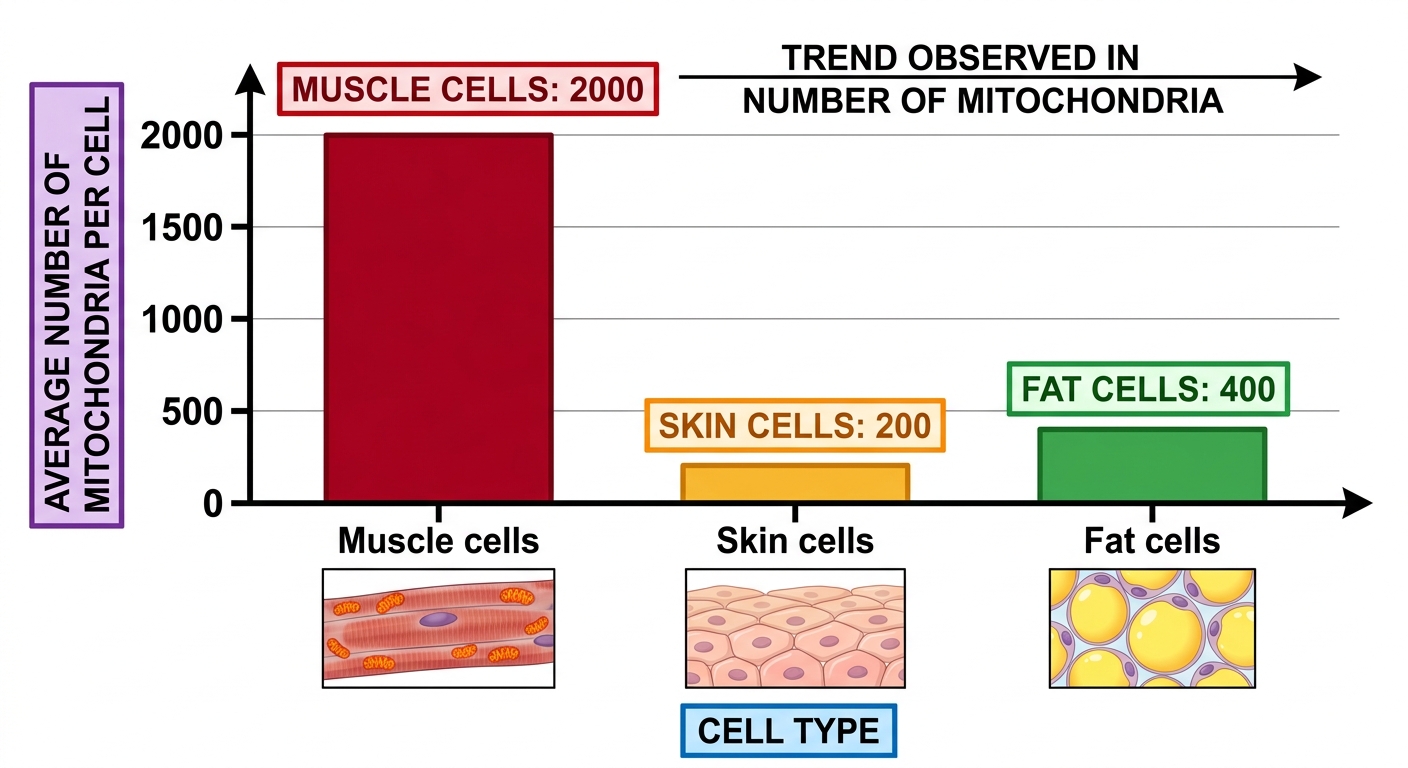
The table below shows the average number of mitochondria in three types of human cells.
Cell type — Average number of mitochondria per cell
Cell type — Average number of mitochondria per cell
| Muscle cell | 2000 |
|---|---|
| Skin cell | 200 |
| Fat cell | 400 |
a
Identify which cell type has the most mitochondria. [1]
b
Describe what mitochondria do for a cell. [1]
c
Compare the energy needs of muscle cells and skin cells, and explain why their numbers of mitochondria are different. [1]

Solutions
2QuestionTypes of microorganismsAssessment Practice
5 marks~8 minCriterion D
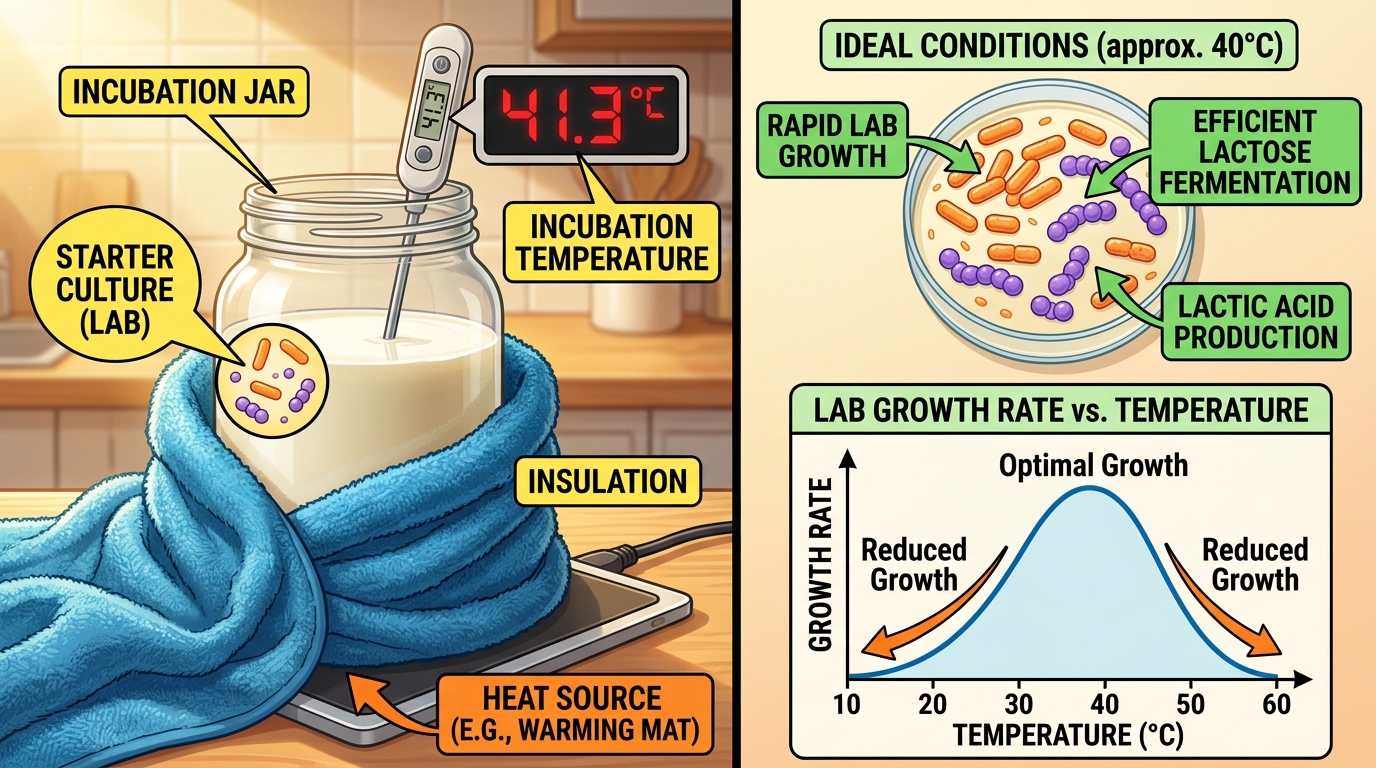
A family makes yogurt at home by mixing bacteria into milk and keeping it at for several hours. The bacteria turn the milk into yogurt.
a
Identify one reason why making yogurt at home can be better than buying it from a shop. [1]
b
Describe what happens to the bacteria if the temperature rises above or drops below during yogurt-making. [2]
c
The family's thermometer reads higher than the real temperature. Compare what the thermometer shows with what is actually happening inside the yogurt mixture, and explain how this difference could affect the yogurt. [2]
Solutions
3QuestionDefinition and Need for SpecializationConcept Practice
2 marks~3 minCriterion B
A scientist waters one plant with sugar water and another plant with plain water. After some time, she counts the number of root hair cells on each plant.
Identify the independent variable in this investigation. [2]
Identify the independent variable in this investigation. [2]
Solutions
4QuestionTypes of microorganismsConcept Practice
4 marks~6 minCriterion C
A student left bread slices in three places for 5 days and counted the mold patches that appeared.
| Temperature (°C) | 4 | 20 | 30 |
|---|---|---|---|
| Mold patches | 0 | 15 | 30 |
a
Identify which temperature had the most mold patches. [1]
b
Describe what happens to the number of mold patches as the temperature increases. [2]
c
Compare how mold grows on the bread kept at 4 °C with the bread kept at 30 °C. [1]
Solutions
That's every free question here — 4 of 92.
+88 more questions, plus Mock Papers & Worksheets, are waiting in Premium.