You're viewing free preview questions — 4 questions previewing here — subscribe to unlock 65 more, plus the Full Question Bank, Mock Papers & Worksheets.Upgrade
Real-World Problem Solving Using Numbers — Free MYP2 Mathematics Practice Questions

1QuestionEstimating in Daily Life SituationsConcept Practice
2 marks~3 minCriterion A
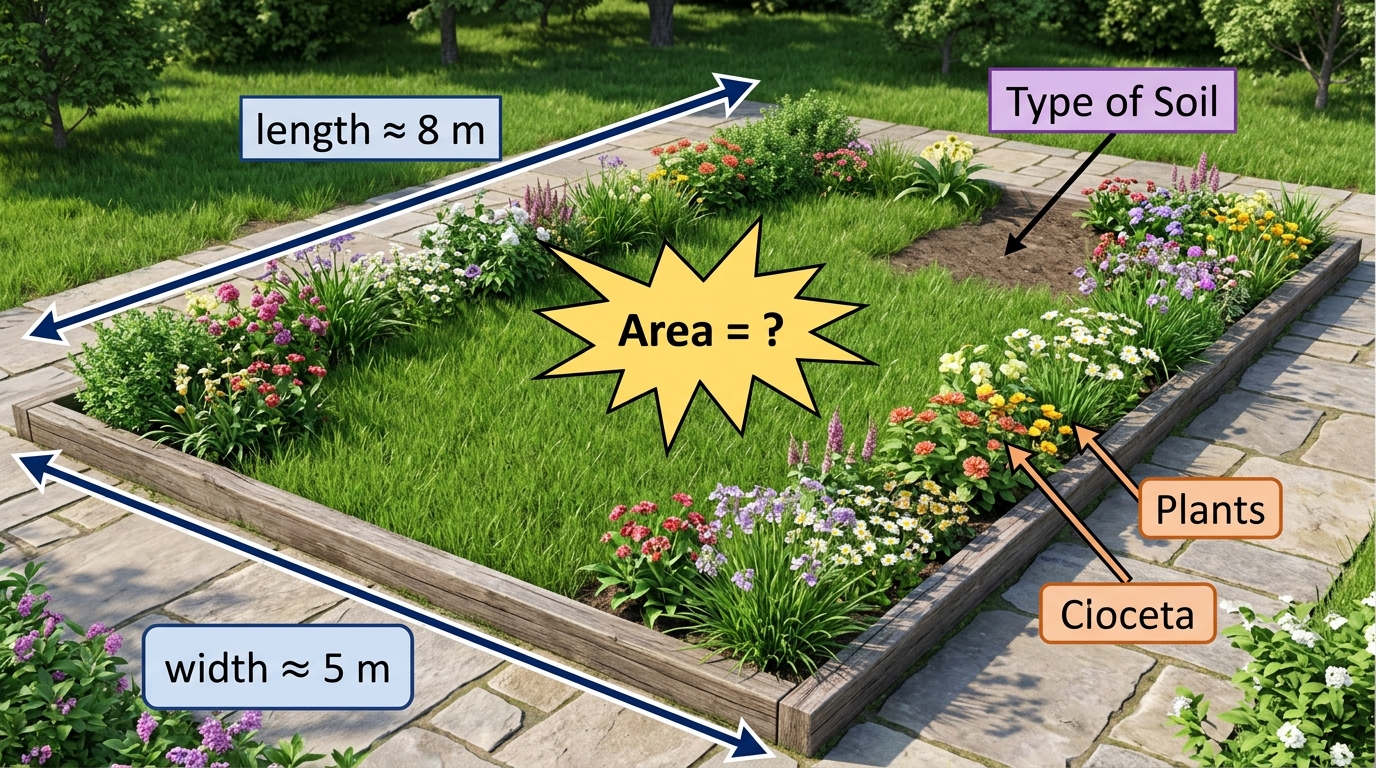
A rectangular garden has a length of 8.3 m and a width of 4.6 m.
a
State the formula for the area of a rectangle. [1]
b
Estimate the area of the garden by first rounding each dimension to the nearest whole number, then calculating. Show your working. [1]

Solutions
2QuestionMath in Shopping and DiscountsAssessment Practice
8 marks~12 minCriterion C
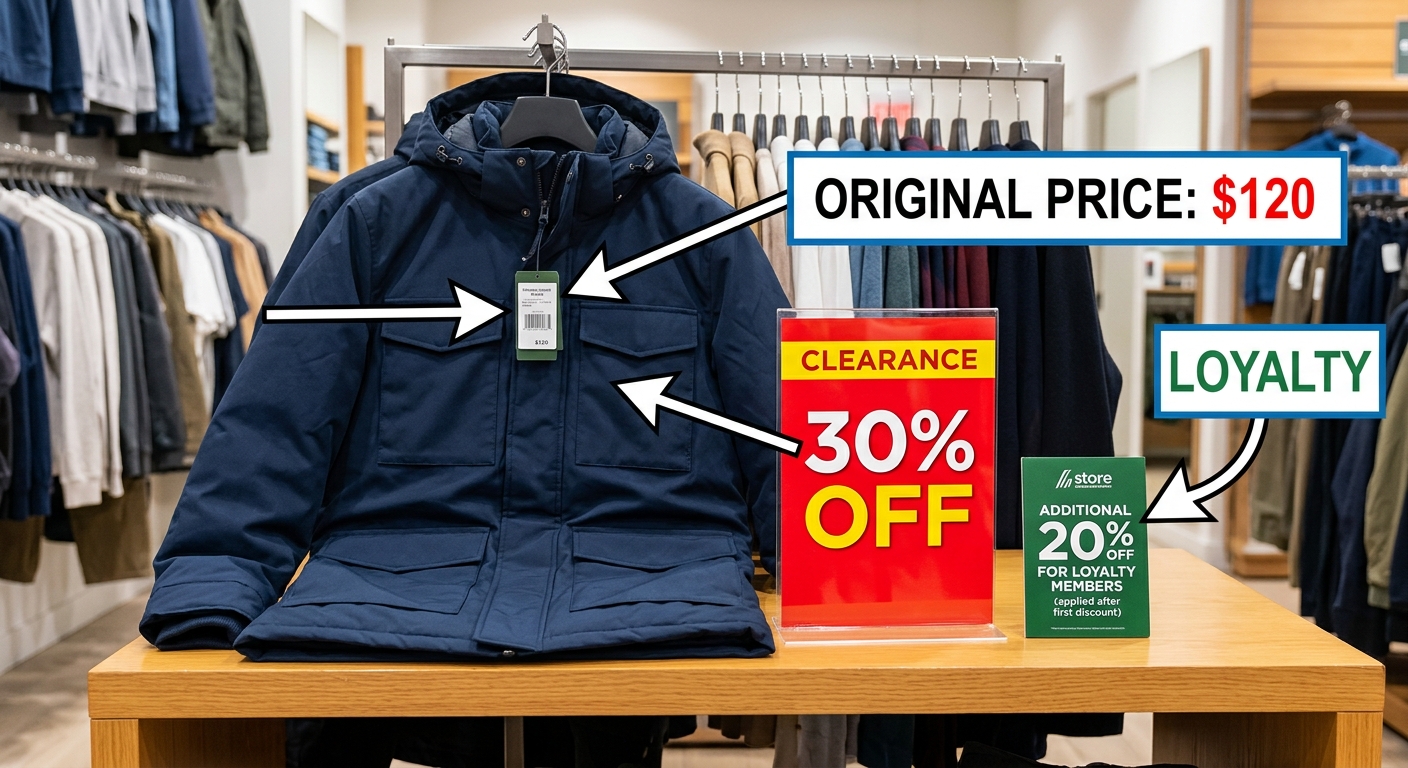
A jacket is priced at 120 dollars. A store sign shows "30% off." Loyalty members receive a further "20% off" applied to the already-reduced price. A shopper believes the two discounts simply add to give 50% off.
a
Calculate the final price a loyalty member pays. [4]
b
Explain why adding the two percentages gives the wrong answer. [2]
c
Compare the shopper's assumption with the correct method, and suggest one strategy to avoid this mistake when shopping. [2]
Solutions
3QuestionMath in Cooking and RecipesConcept Practice
2 marks~3 minCriterion B
A cookie recipe uses 2 cups of flour for every 1 cup of sugar.
a
State the ratio of flour to sugar in colon notation. [1]
b
The recipe is doubled. Describe what happens to the ratio of flour to sugar, and explain why. [1]
Solutions
4QuestionEstimating in Daily Life SituationsAssessment Practice
8 marks~12 minCriterion D
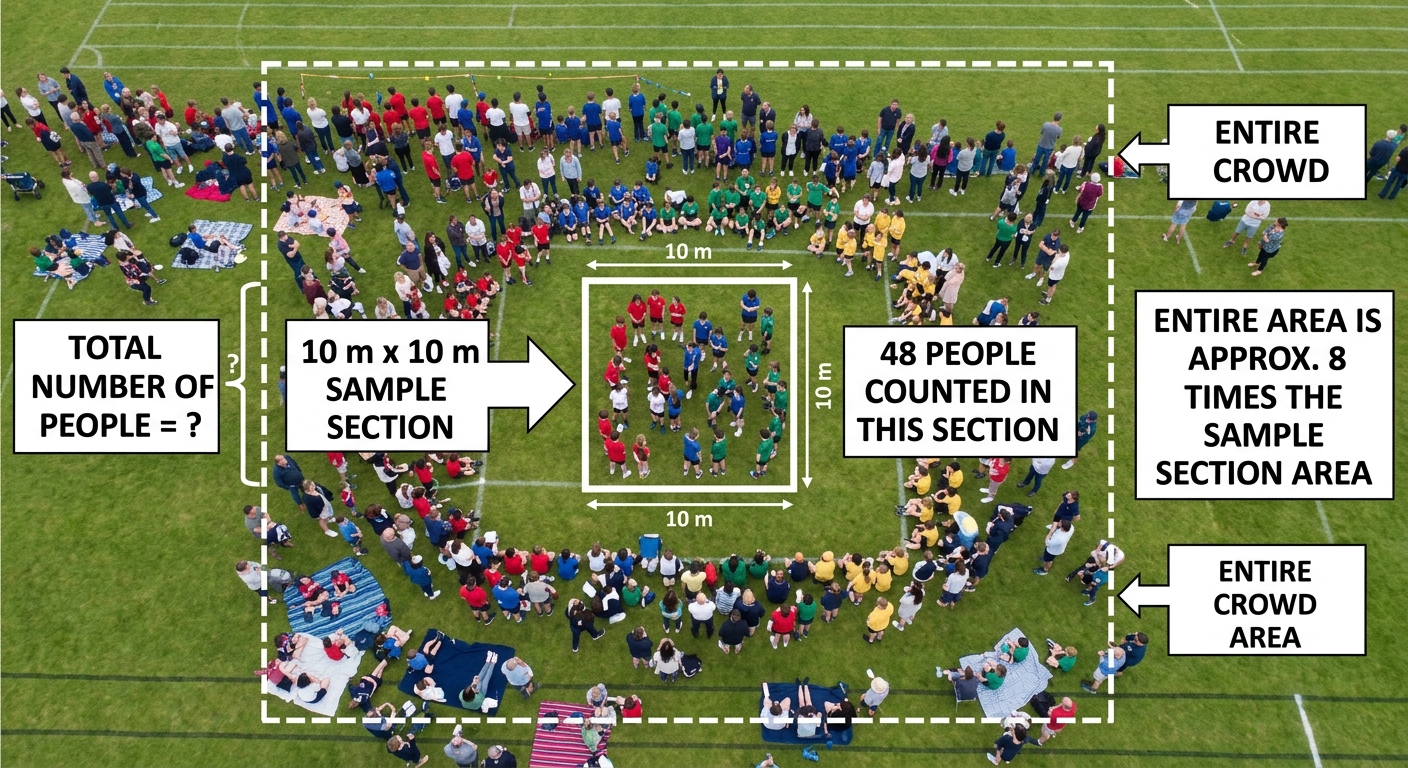
At a school sports day, an aerial photo shows a crowd on a field. A square section measuring is marked on the photo. You count people inside that section. The total crowd area appears to be approximately times the size of the marked section.
a
Estimate the total number of people in the crowd. Show each calculation step clearly. [2]
b
Calculate the crowd density (people per ) in the marked section, then use it to explain how you could arrive at the same total estimate a different way. [3]
c
Your estimation assumes people are spread out evenly across the whole crowd area. Compare one situation that would make your estimate too high with one situation that would make it too low. [3]
Solutions
That's every free question here — 4 of 69.
+65 more questions, plus Mock Papers & Worksheets, are waiting in Premium.