You're viewing free preview questions — 4 questions previewing here — subscribe to unlock 71 more, plus the Full Question Bank, Mock Papers & Worksheets.Upgrade
Word Problems in Arithmetic — Free MYP2 Mathematics Practice Questions

1QuestionChoosing the Correct OperationConcept Practice
2 marks~3 minCriterion A
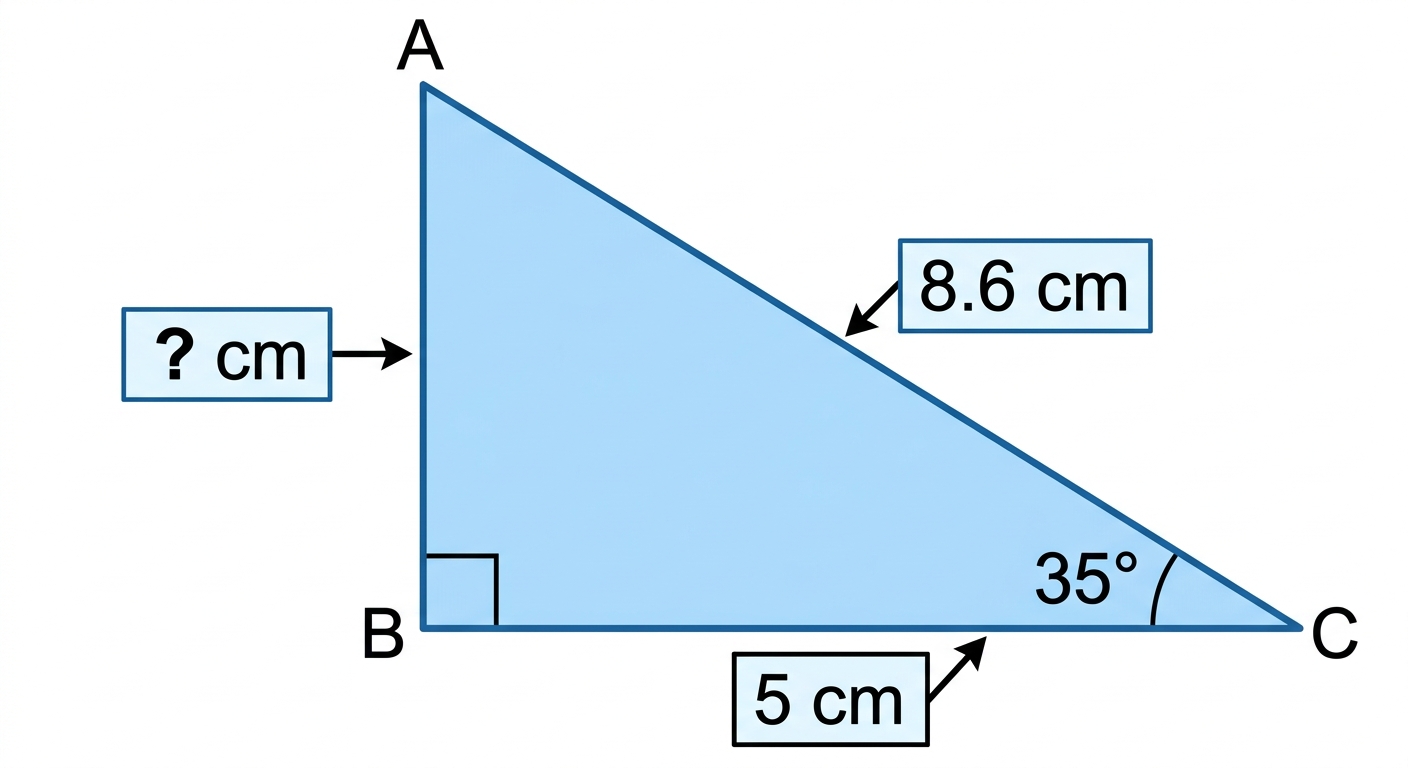
The diagram shows a rectangle with sides labelled and .
a
Identify the type of quadrilateral shown in the diagram. [1]
b
A rectangle has a perimeter of and one side measures . Calculate the length of the shorter side. [1]

Solutions
2QuestionChoosing the Correct OperationAssessment Practice
6 marks~9 minCriterion D
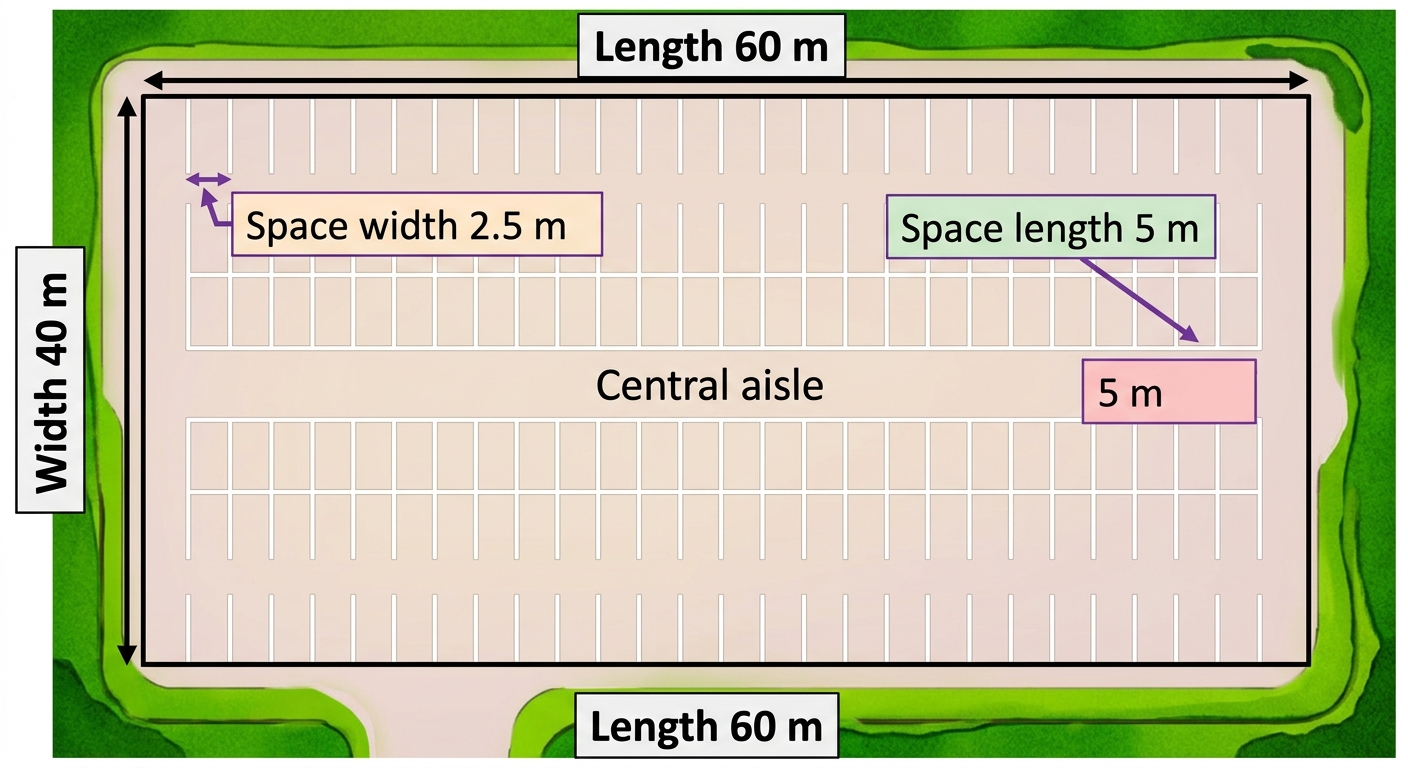
A rectangular parking lot measures 30 m by 50 m. Each parking space, including its share of the access aisle, is 2.5 m wide and 6 m long.
a
Calculate the number of cars the parking lot can hold if the entire area is used for parking spaces. [2]
b
Identify two real-world features of a parking lot that would reduce the number of cars below your answer in part (a). [2]
c
Explain one reason why dividing total area by space area may not give a reliable estimate of parking capacity. [2]
Solutions
3QuestionModeling Problems with DiagramsConcept Practice
3 marks~5 minCriterion C
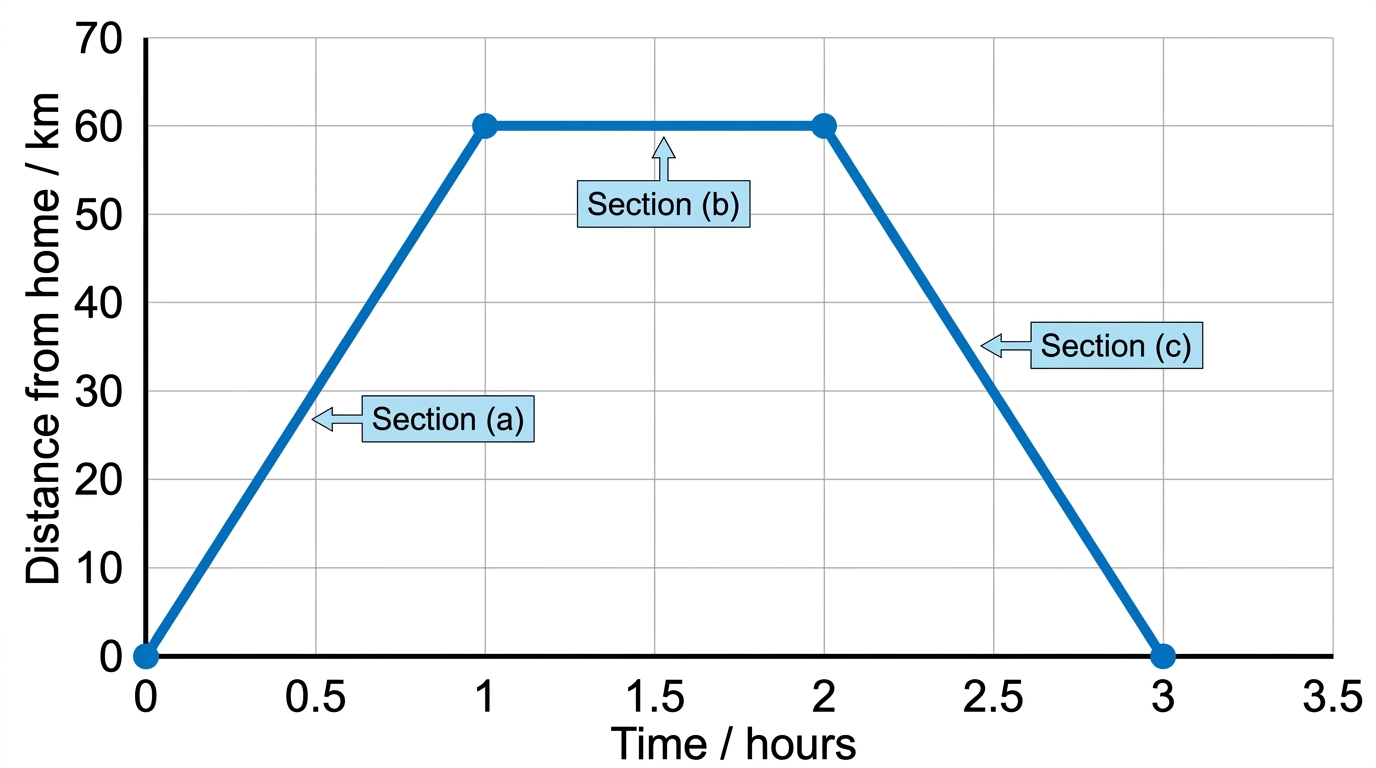
The distance–time graph below shows a car's distance from home during a 3-hour trip.
a
Identify what the car is doing during the section from to . [1]
b
Describe what is happening to the car during the section from to , and explain how the graph shows this. [1]
c
Compare the car's journey during the section from to with its journey in part (a). [1]
Solutions
4QuestionModeling Problems with DiagramsConcept Practice
6 marks~9 minCriterion B
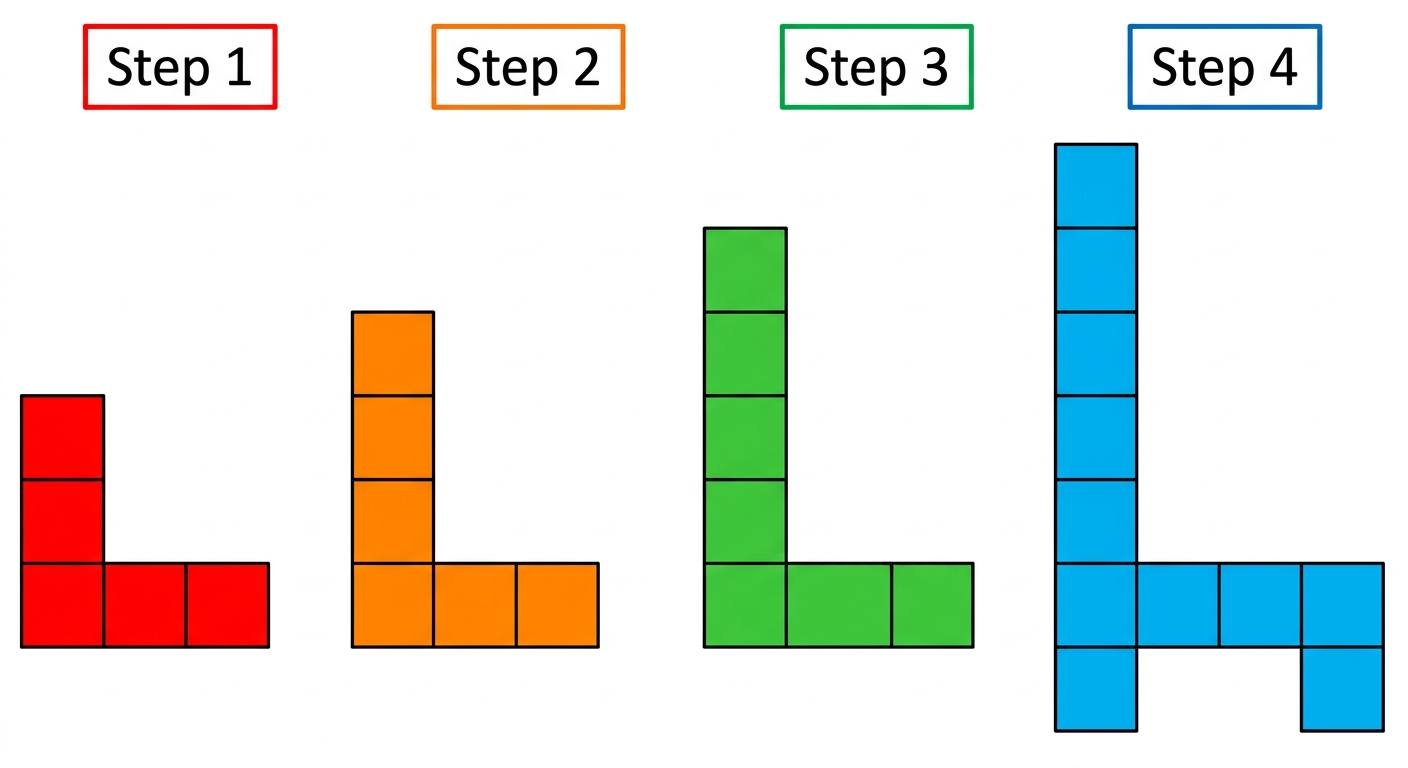
L-shaped staircases are built from square tiles. Each step adds an L-shaped border around the previous shape.
Step number: 1, 2, 3, 4
Number of tiles: 3, 5, 7, 9
Step number: 1, 2, 3, 4
Number of tiles: 3, 5, 7, 9
a
State the number of tiles needed for Step 5. [1]
b
Calculate the number of tiles for Steps 5 and 6, then write the complete sequence for Steps 1–6. Show your working. [2]
c
Identify a general rule for the number of tiles at Step , and use it to find the number of tiles at Step 10. [3]
Solutions
That's every free question here — 4 of 75.
+71 more questions, plus Mock Papers & Worksheets, are waiting in Premium.