You're viewing free preview questions — 4 questions previewing here — subscribe to unlock 74 more, plus the Full Question Bank, Mock Papers & Worksheets.Upgrade
Sound Waves and Vibrations — Free MYP2 Sciences Practice Questions

1QuestionEchoes and ReverberationConcept Practice
2 marks~3 minCriterion A
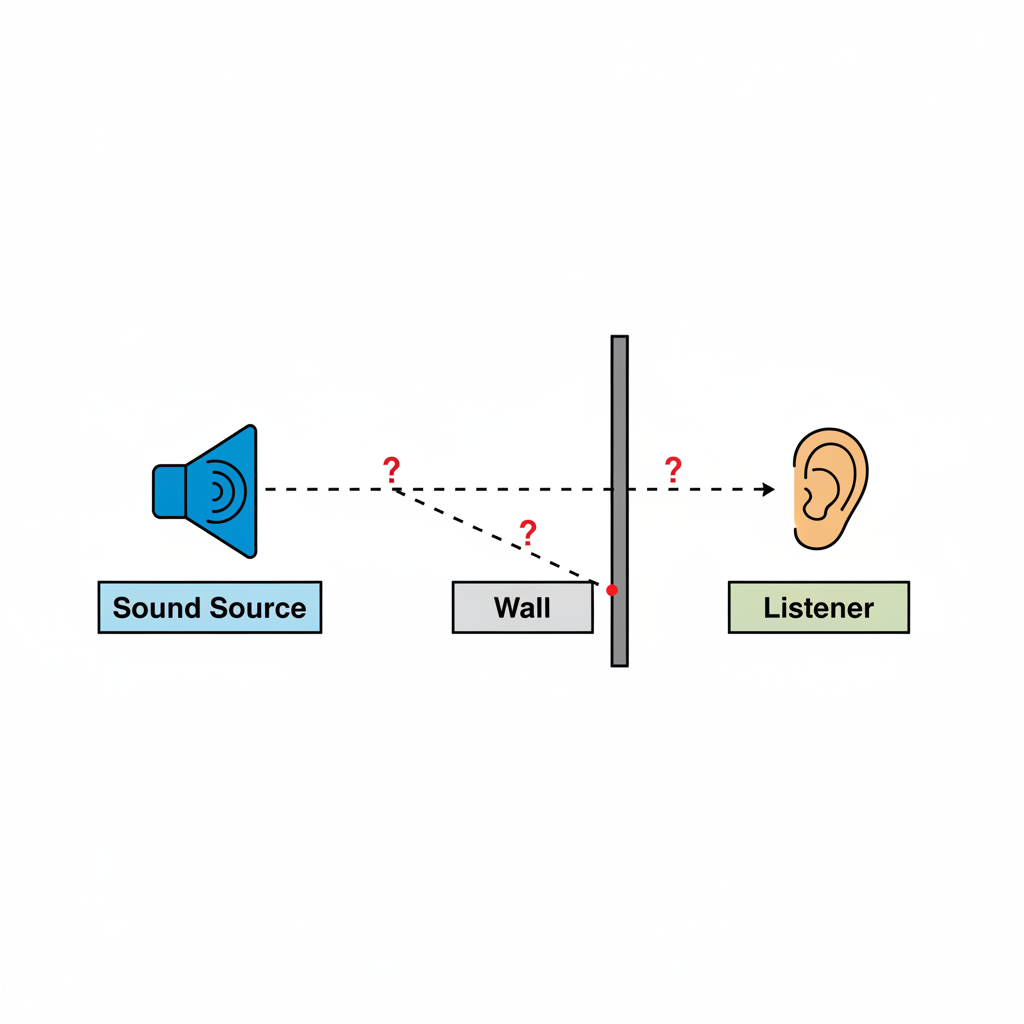
The diagram shows a loudspeaker, a listener, and a wall.
a
On the diagram, identify the path of the direct sound by drawing and labelling a line from the loudspeaker to the listener. [1]
b
On the diagram, identify the path of the echo (reflected sound) by drawing and labelling a line from the loudspeaker to the wall, then from the wall to the listener. [1]

Solutions
2QuestionSpeed of Sound in Different MediaAssessment Practice
2 marks~3 minCriterion D
Sound travels faster in solids than in air because particles in solids are packed tightly together, allowing vibrations to pass between them more quickly.
Describe a real-world application that shows sound travelling faster in a solid than in air. Include a specific detail to explain why the application works. [2]
Describe a real-world application that shows sound travelling faster in a solid than in air. Include a specific detail to explain why the application works. [2]

Solutions
3QuestionHow Sound is Produced and TransmittedAssessment Practice
4 marks~6 minCriterion C
A student strikes a tuning fork and touches its prongs to the surface of still water.
a
State what causes sound to be produced when the tuning fork is struck. [1]
b
Explain how the vibrating prongs produce sound waves in the air. [1]
c
The student observes ripples spreading across the water. Compare what the ripples and the sound waves have in common, and identify one difference between them. [2]

Solutions
4QuestionVibrations in Solids Liquids and GasesAssessment Practice
6 marks~9 minCriterion B
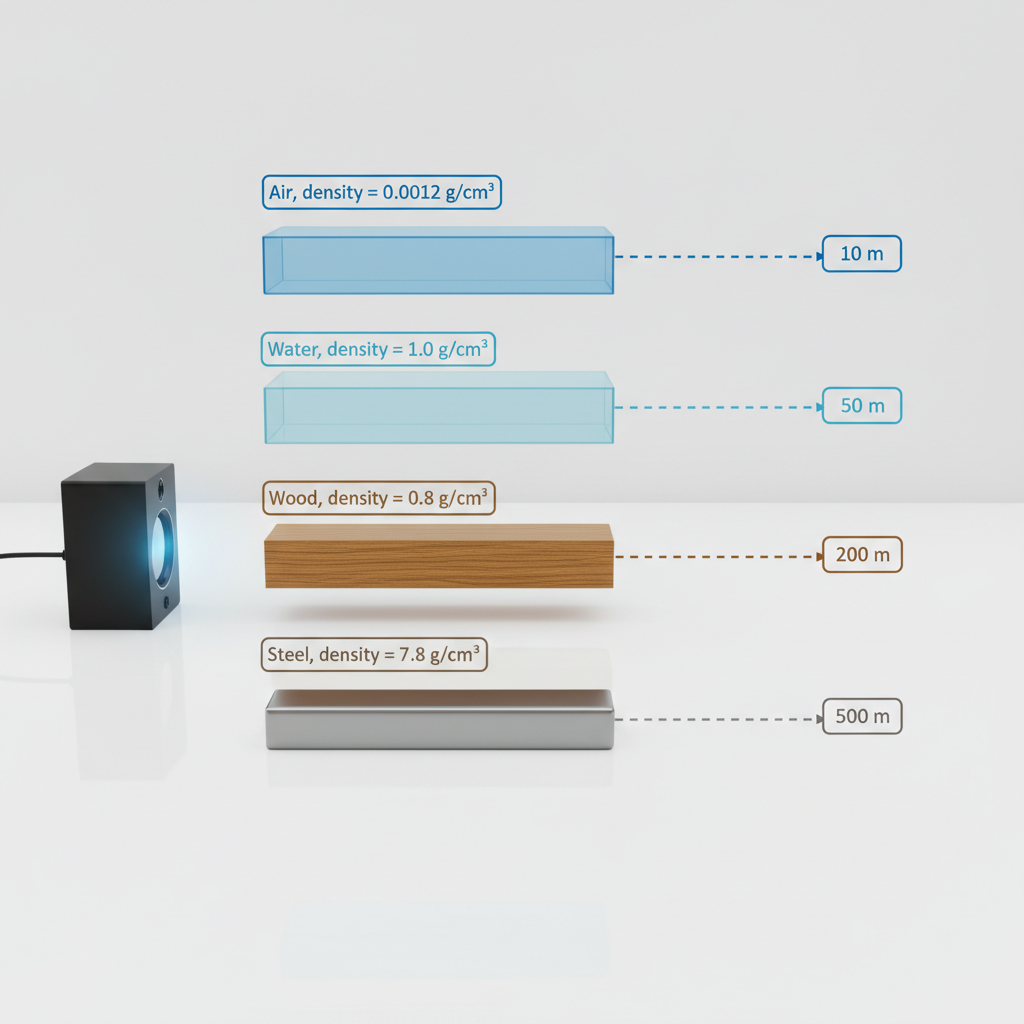
A student investigates how far sound travels from the same source through different materials.
Rubber is a solid with a density of .
| Material | Density () | Distance (m) |
|---|---|---|
| Air | 0.0012 | 10 |
| Water | 1.0 | 50 |
| Wood | 0.8 | 200 |
| Steel | 7.8 | 500 |
Rubber is a solid with a density of .
a
Identify the general pattern between density and distance for the solids in the table. [1]
b
Estimate the distance sound would travel through rubber. Show your reasoning using values from the table. [2]
c
Water has a higher density than wood, yet sound travels further through wood. Compare how the state of a material (solid or liquid) affects how well it transmits sound, using evidence from the table. [3]
Solutions
That's every free question here — 4 of 78.
+74 more questions, plus Mock Papers & Worksheets, are waiting in Premium.