You're viewing free preview questions — 4 questions previewing here — subscribe to unlock 75 more, plus the Full Question Bank, Mock Papers & Worksheets.Upgrade
Elements Compounds and Mixtures — Free MYP3 Sciences Practice Questions

1QuestionCompounds and Chemical FormulaeConcept Practice
2 marks~3 minCriterion A
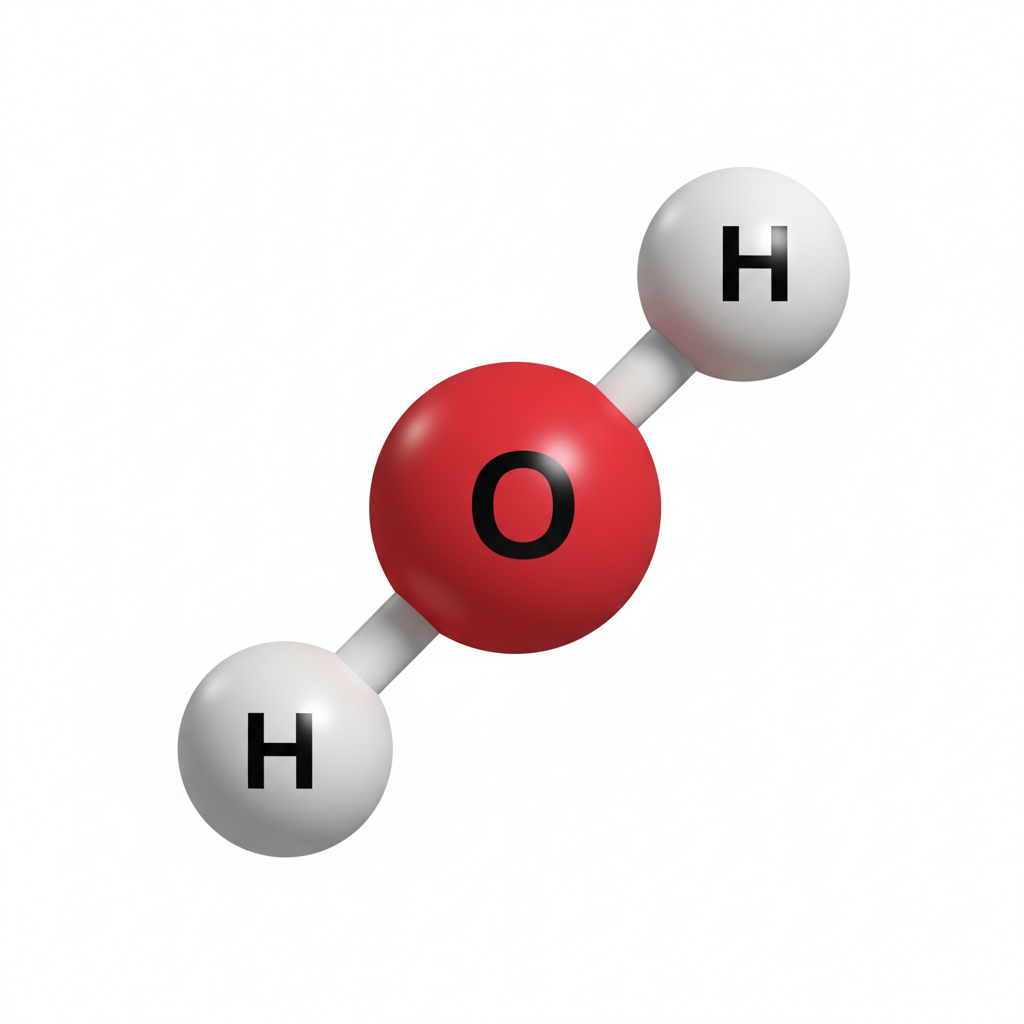
The chemical formula for water is .
a
State the name of the element represented by the symbol O in the formula . [1]
b
Explain why is classified as a compound rather than a mixture. [1]

Solutions
2QuestionDefinition of Elements and SymbolsAssessment Practice
3 marks~5 minCriterion B
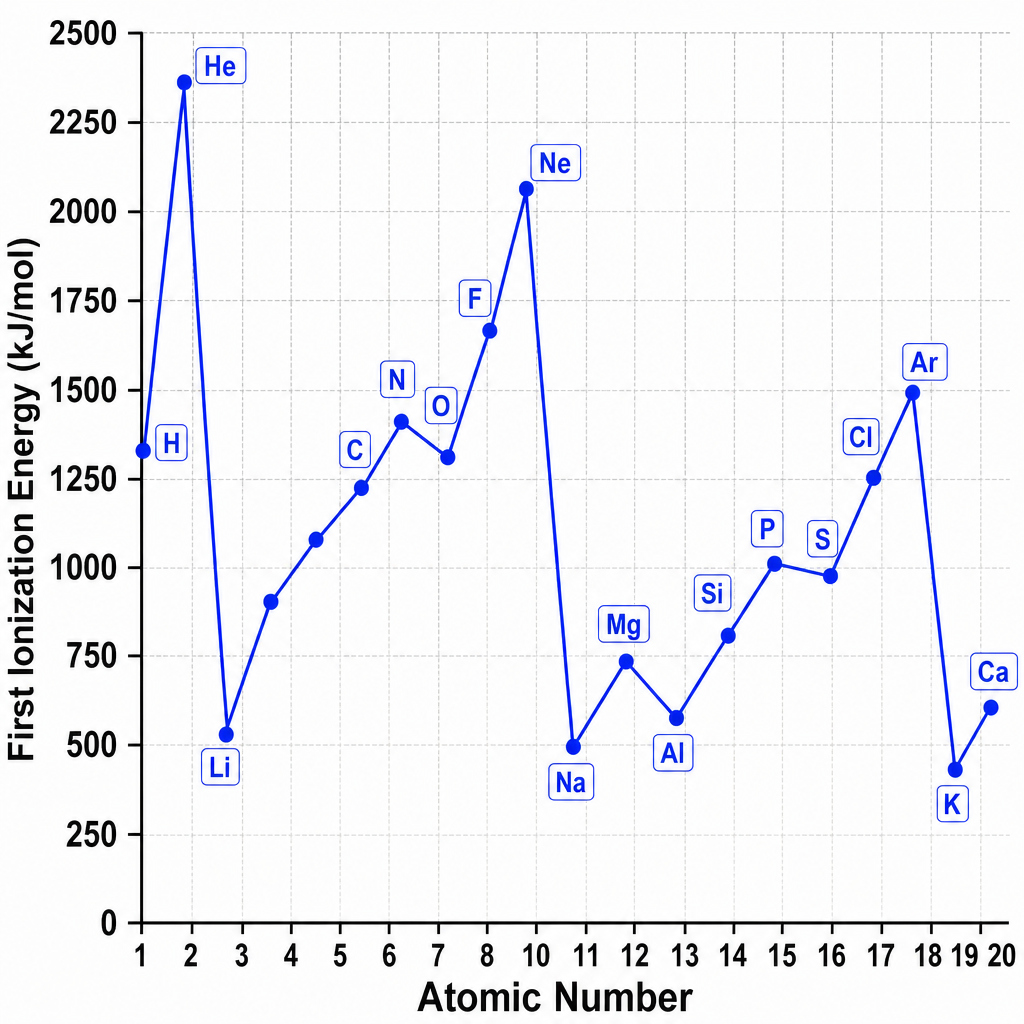
The graph below shows the first ionisation energy (in kJ/mol) for elements with atomic numbers 11 to 18 (sodium to argon).
a
State the general trend in first ionisation energy from sodium to argon. [1]
b
Explain this trend using atomic structure. [2]
Solutions
3QuestionCompounds and Chemical FormulaeAssessment Practice
4 marks~6 minCriterion D
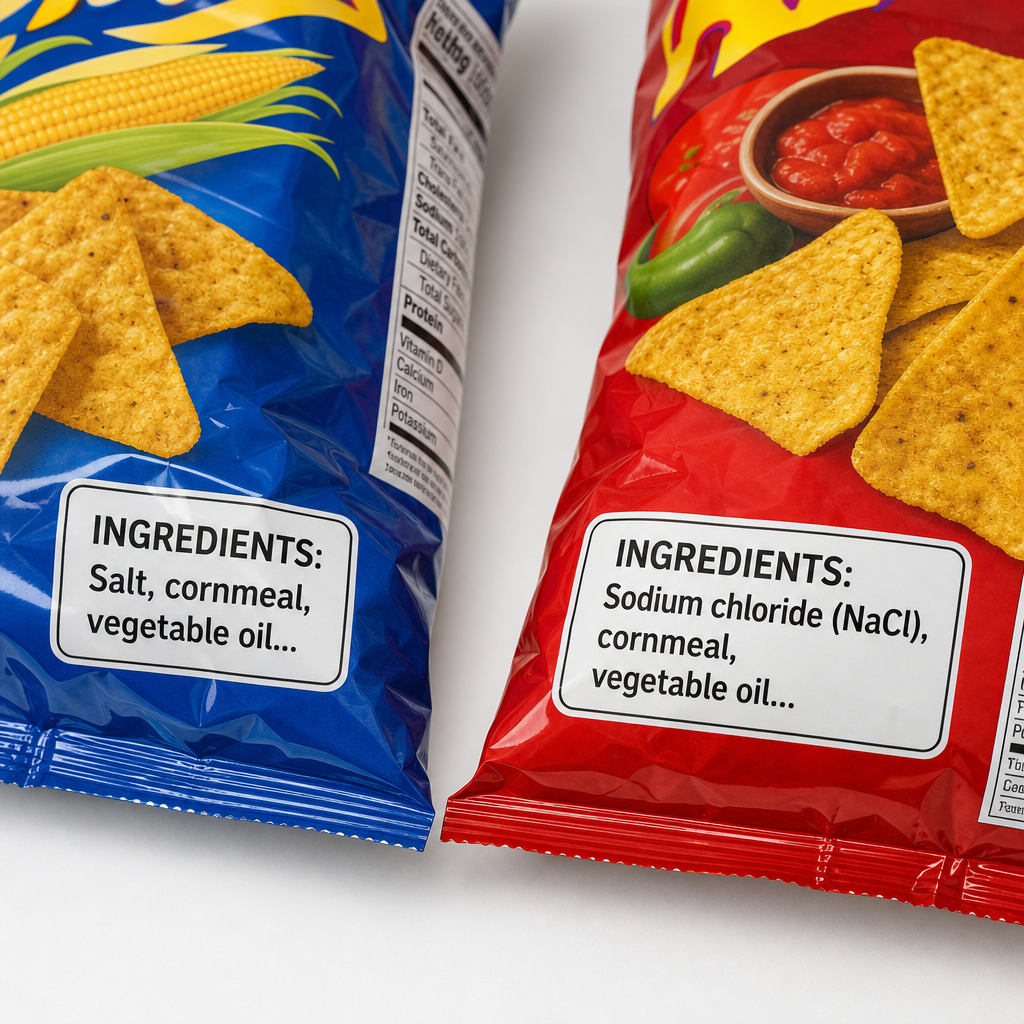
A student reads two snack ingredient lists. One states "contains sodium chloride ()" and the other states "contains salt."
a
Describe what represents and identify the common name for this compound. [1]
b
Explain why using instead of "salt" on a food label could confuse consumers. [1]
c
A food company must choose whether to list ingredients using chemical formulas or common names. Analyse one advantage and one disadvantage of requiring chemical formulas on all food labels. [2]
Solutions
4QuestionIdentifying Substances from Their PropertiesAssessment Practice
4 marks~6 minCriterion C
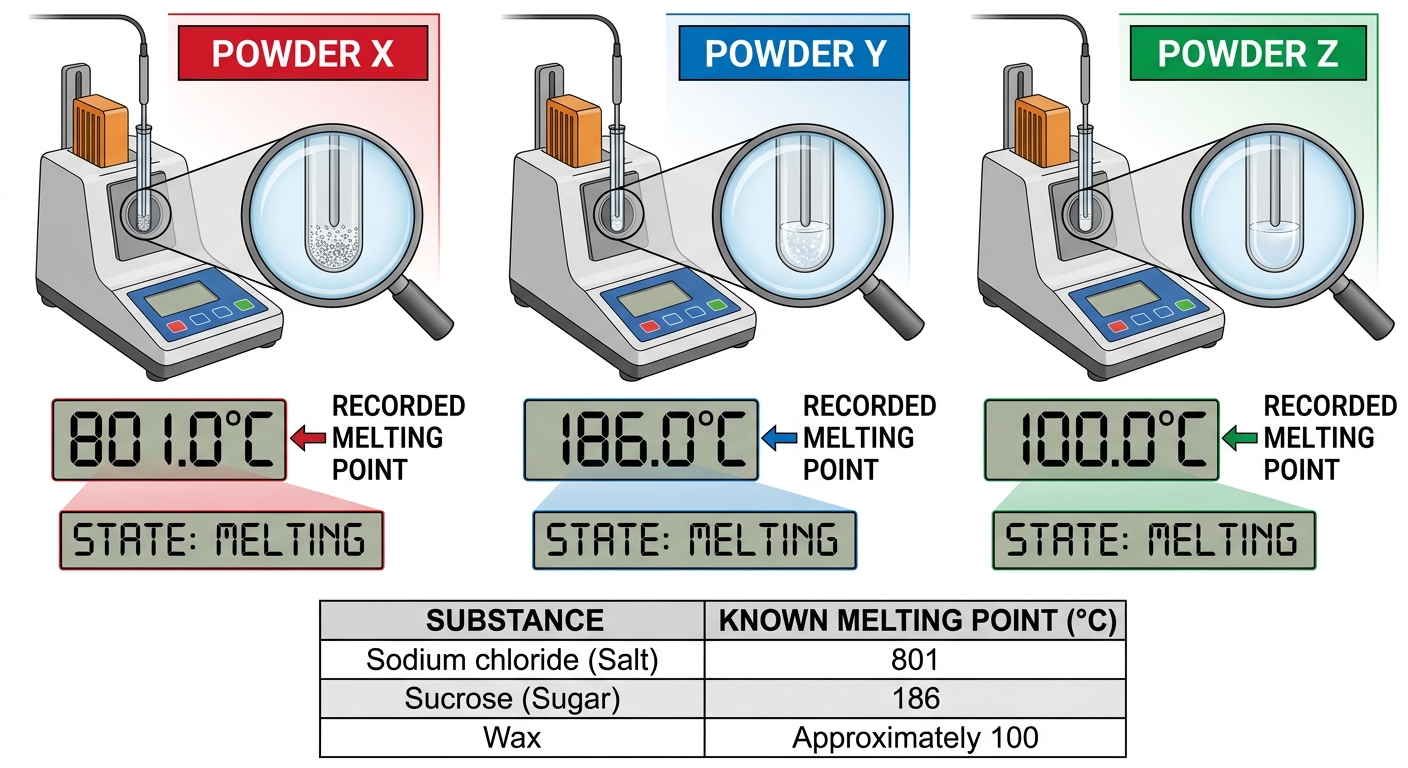
A student tests three white powders — X, Y, and Z — by heating each one and recording its melting point.
Melting point of X:
Melting point of Y:
Melting point of Z:
Known melting points — sodium chloride: ; sucrose: ; wax:
Melting point of X:
Melting point of Y:
Melting point of Z:
Known melting points — sodium chloride: ; sucrose: ; wax:
a
State which powder is sodium chloride. [1]
b
Explain why melting point can be used to identify a pure substance. [1]
c
A fourth powder, W, melts at . Analyse whether powder W is the same substance as powder Y. Support your answer with evidence from the data. [2]
Solutions
That's every free question here — 4 of 79.
+75 more questions, plus Mock Papers & Worksheets, are waiting in Premium.