You're viewing free preview questions — 4 questions previewing here — subscribe to unlock 84 more, plus the Full Question Bank, Mock Papers & Worksheets.Upgrade
Interdependence in Organisms — Free MYP3 Sciences Practice Questions

1QuestionCase Studies of System Interactions in Daily LifeConcept Practice
3 marks~5 minCriterion A
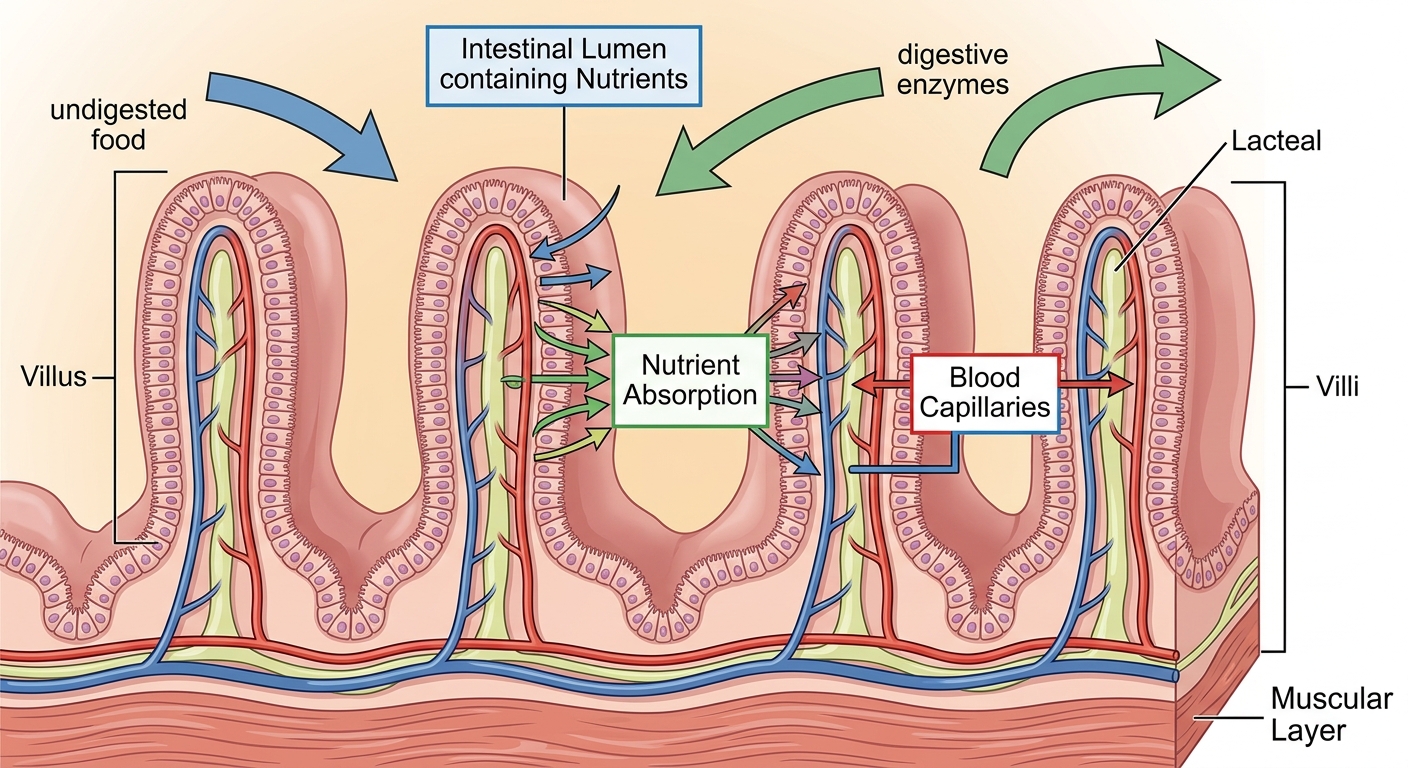
The diagram shows nutrients moving from the small intestine into blood vessels after a meal.
a
Identify the process by which nutrients pass from the small intestine into the bloodstream. [1]
b
Explain how the digestive system and the circulatory system work together to deliver nutrients to body cells. In your answer, use the terms absorption and transport. [2]

Solutions
2QuestionCase Studies of System Interactions in Daily LifeAssessment Practice
6 marks~9 minCriterion D
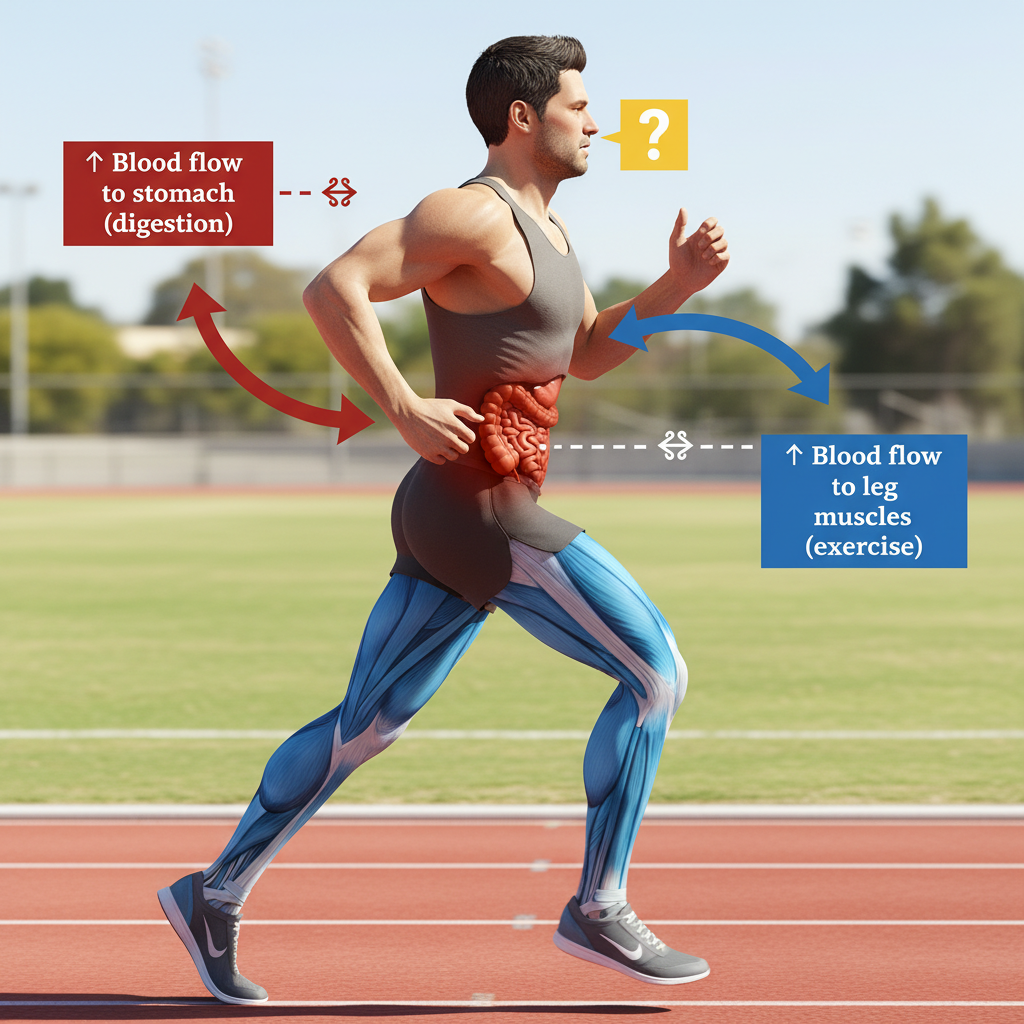
A student eats a large meal and immediately goes for a run. During the run, they feel nauseous and sluggish.
a
Describe how the digestive system and the muscular system compete for blood flow after a large meal. [2]
b
Explain why the "blood flow competition" model alone does not fully account for the body's response in this situation. [2]
c
A coach advises athletes to wait at least 90 minutes after a large meal before training. Using your understanding of system interactions, analyse whether this advice is well supported. [2]
Solutions
3QuestionHow Systems Work Together in the Human BodyAssessment Practice
6 marks~9 minCriterion C
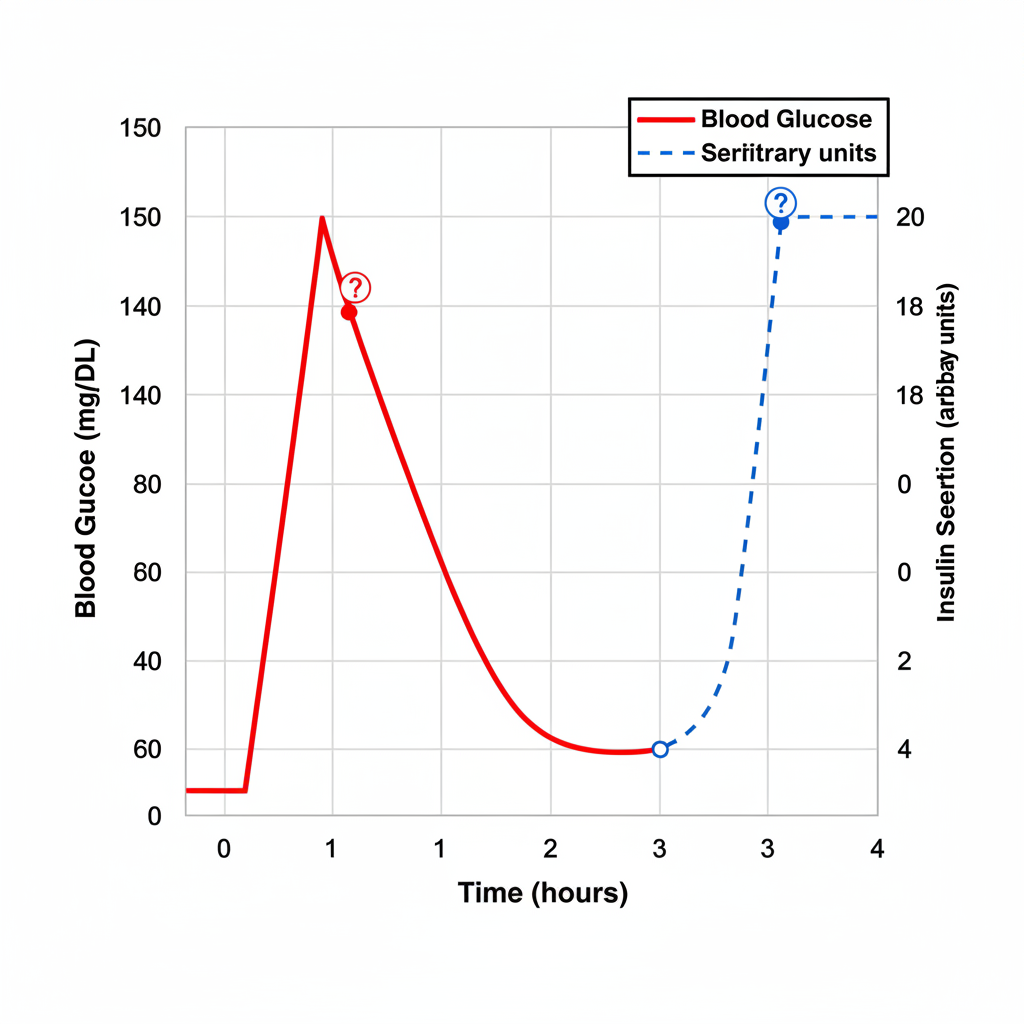
After a meal, blood glucose concentration (mg/dL) and insulin secretion (arbitrary units) were recorded over 4 hours. At time 0, blood glucose is 90 mg/dL and insulin is 2 units. Blood glucose peaks at 140 mg/dL at 1 hour, then falls to 85 mg/dL at 4 hours. Insulin peaks at 18 units at 1.5 hours, then falls to 4 units at 4 hours.
a
State the peak blood glucose concentration and the time at which it occurs. [1]
b
Describe the relationship between blood glucose concentration and insulin secretion during the 4-hour period. [2]
c
Using evidence from the graph, explain how the digestive and circulatory systems work together to return blood glucose to its starting level after the meal. [3]
Solutions
4QuestionTransport of Nutrients and Oxygen to CellsAssessment Practice
6 marks~9 minCriterion B
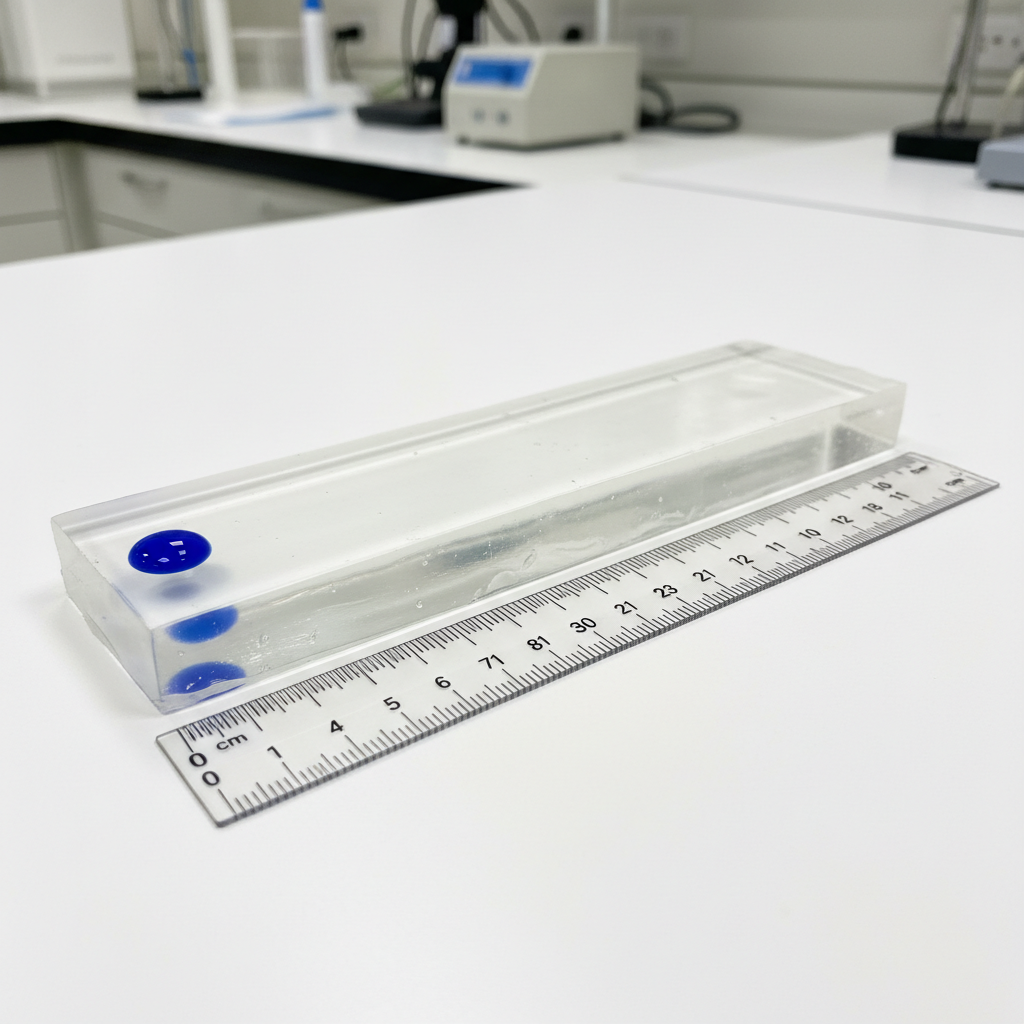
A student investigates diffusion by placing a drop of blue dye at one end of a 10 cm gel block and recording how long the dye takes to reach the opposite end. Four concentration differences are tested.
| Concentration difference (%) | 5 | 10 | 15 | 20 |
|---|---|---|---|---|
| Time taken (min) | 40 | 20 | 13 | 10 |
a
Describe the relationship between concentration difference and time taken shown in the data. [1]
b
Calculate the predicted time taken for a concentration difference of 25%. Show your working. [2]
c
Explain why a larger concentration difference causes dye particles to reach the opposite end of the gel block more quickly. [3]
Solutions
That's every free question here — 4 of 88.
+84 more questions, plus Mock Papers & Worksheets, are waiting in Premium.