You're viewing free preview questions — 5 questions previewing here — subscribe to unlock 64 more, plus the Full Question Bank, Mock Papers & Worksheets.Upgrade
3D tissue and organ printing — Free MYP4 Biology Practice Questions

1QuestionFuture Developments in Regenerative MedicineConcept Practice
2 marks~3 minCriterion A
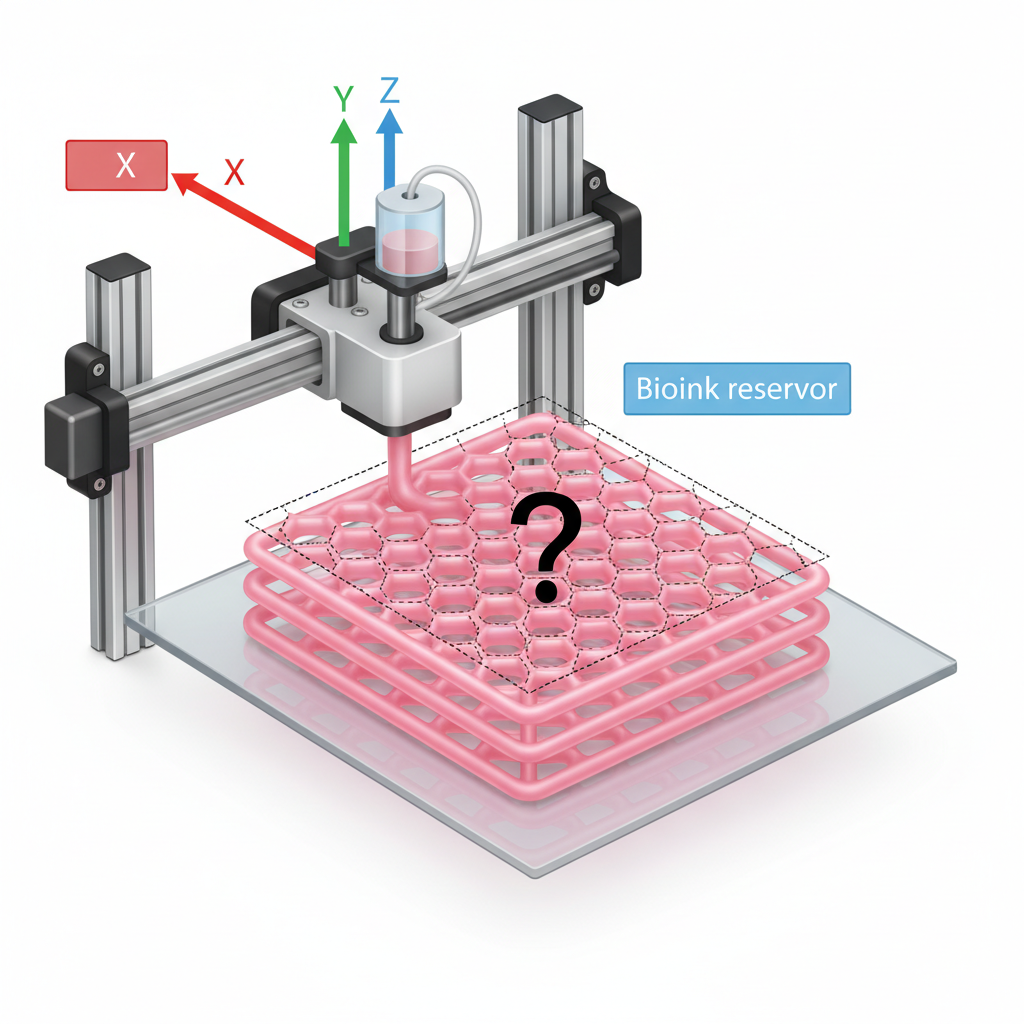
Researchers are developing 3D-bioprinted cartilage to repair damaged knee joints. In this process, a bioprinter uses a digital model to construct living tissue from the outside in.
a
Describe how bioink is deposited to form a scaffold during 3D bioprinting. [1]
b
Explain how the printed scaffold is processed after deposition to produce functional tissue. [1]

Solutions
2QuestionFuture Developments in Regenerative MedicineAssessment Practice
2 marks~3 minCriterion A
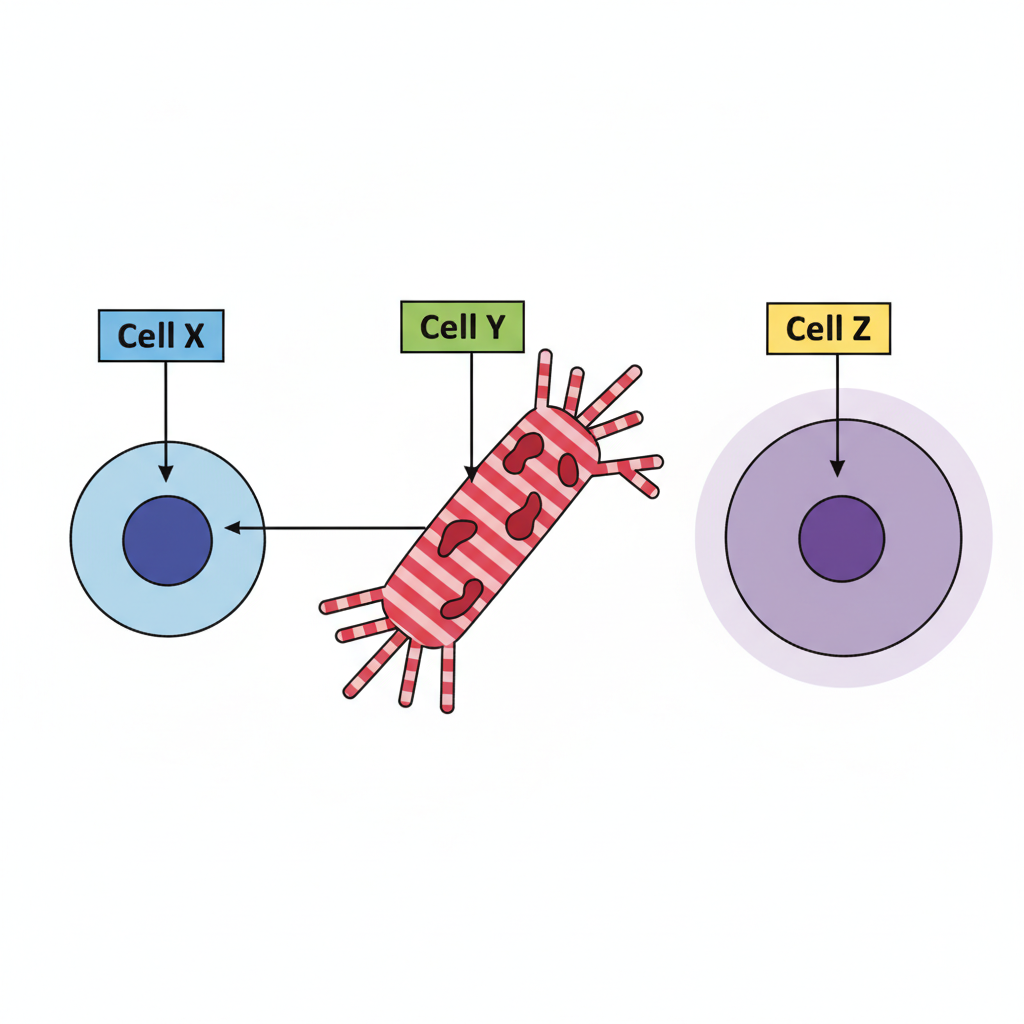
In 3D bioprinting for regenerative medicine, three cell types are used as bioinks: Cell X, Cell Y, and Cell Z. The diagram shows their structural features and origins.
Cell X is an undifferentiated cell derived from an embryo.
Cell Y is a striated, branched muscle cell found in the heart.
Cell Z is an adult somatic cell that has been reprogrammed to a pluripotent state.
Cell X is an undifferentiated cell derived from an embryo.
Cell Y is a striated, branched muscle cell found in the heart.
Cell Z is an adult somatic cell that has been reprogrammed to a pluripotent state.
a
State the name of each cell type (X, Y, Z). [1]
b
For one cell type of your choice, explain how its biological properties make it suitable for use in 3D tissue printing. [1]
Solutions
3QuestionFuture Developments in Regenerative MedicineConcept Practice
2 marks~3 minCriterion D
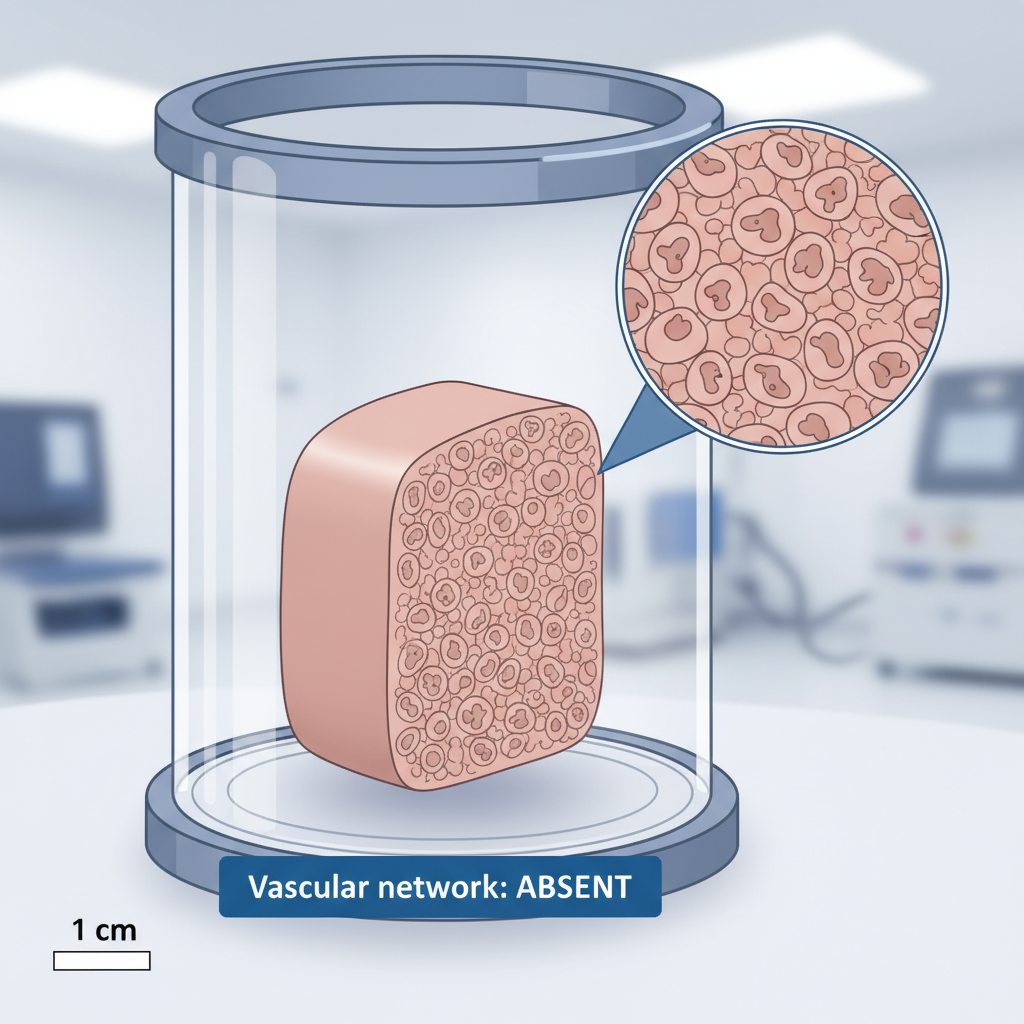
Researchers are developing 3D bioprinted kidneys using stem cells derived from donated human embryos. Before these organs can be used in transplant medicine, scientists must address both ethical responsibilities and current technological barriers.
a
Identify one ethical issue scientists must consider when using donated embryonic stem cells in 3D bioprinting of organs. [1]
b
State one specific technological limitation of current 3D bioprinting and explain how this limitation prevents the practical use of bioprinted organs in transplant medicine. [1]
Solutions
4QuestionFuture Developments in Regenerative MedicineAssessment Practice
6 marks~9 minCriterion D
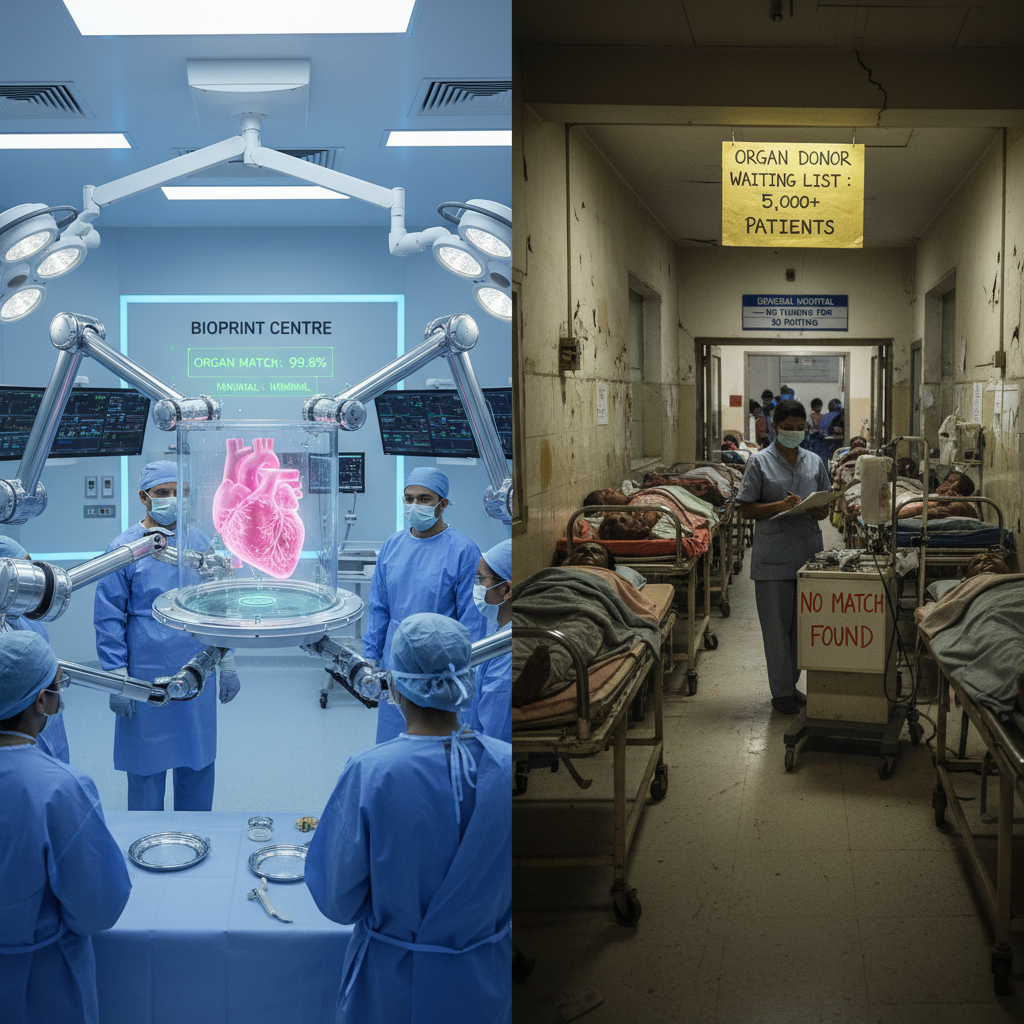
A wealthy nation has pioneered routine 3D bioprinting of transplant organs using a patient's own (autologous) stem cells. Low-income nations lack the infrastructure and funding to access this technology.
a
Explain why using autologous cells in 3D-printed organs reduces the risk of rejection compared with traditional donor transplants. [2]
b
Analyse how the unequal global availability of 3D bioprinting technology could affect patterns of transplant tourism and widen existing health inequalities. [2]
c
Evaluate the ethical implications of assuming this technology will become universally affordable, considering both societal and environmental impacts. [2]
Solutions
5QuestionChallenges in Organ Printing TechnologyAssessment Practice
6 marks~9 minCriterion C
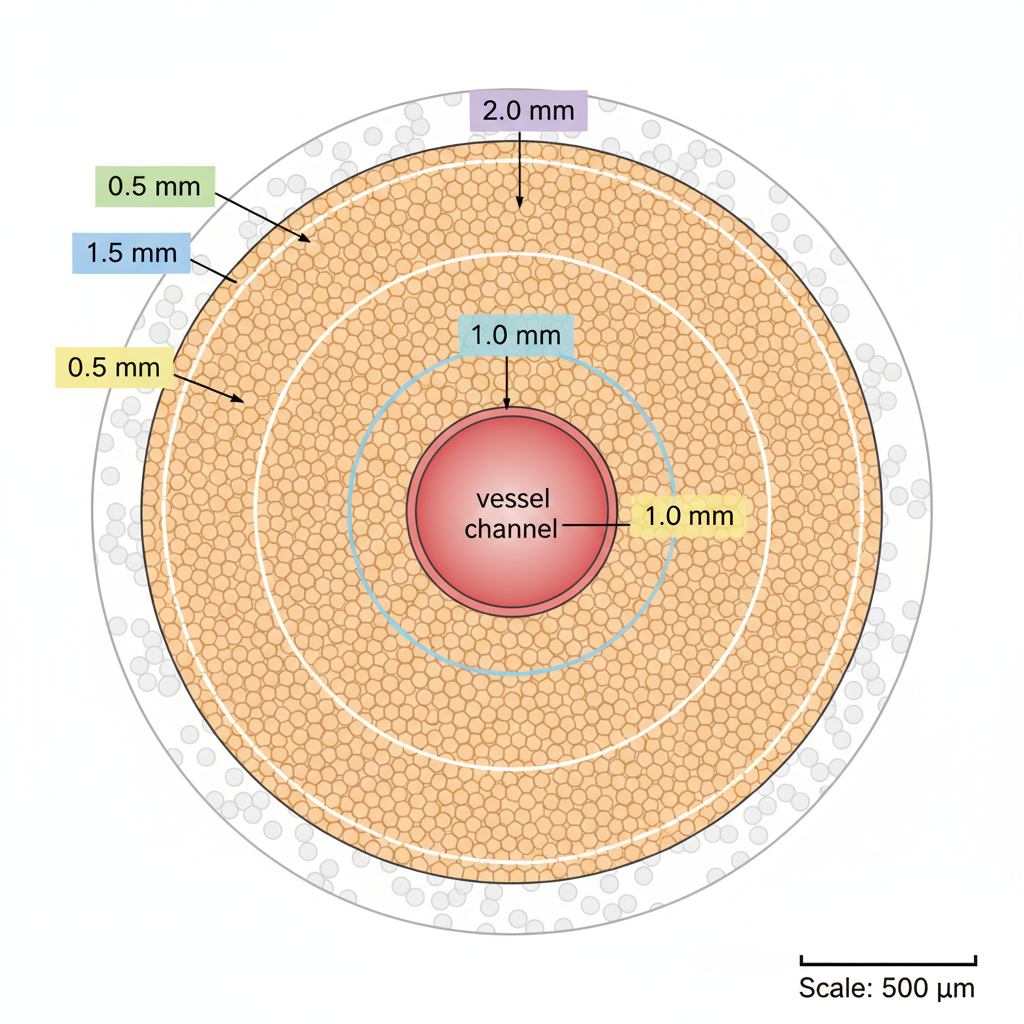
A research team cultures a 3D-printed liver construct containing a single printed blood vessel channel surrounded by hepatocytes. After 7 days, cell viability is measured at four distances from the channel:
A widely cited hypothesis states that oxygen and nutrient diffusion limits viable tissue thickness to approximately from any blood vessel in bioprinted constructs.
| Distance from vessel channel (mm) | 0.5 | 1.0 | 1.5 | 2.0 |
|---|---|---|---|---|
| Cell viability (%) | 92 | 78 | 45 | 18 |
A widely cited hypothesis states that oxygen and nutrient diffusion limits viable tissue thickness to approximately from any blood vessel in bioprinted constructs.
a
Convert to millimetres and state what this value means in the context of the hypothesis. [1]
b
Analyse the viability data to describe how cell survival changes with increasing distance from the vessel channel. [2]
c
Evaluate whether the data supports the hypothesis, justifying your conclusion with specific reference to the values provided. [3]
Solutions
That's every free question here — 5 of 69.
+64 more questions, plus Mock Papers & Worksheets, are waiting in Premium.