You're viewing free preview questions — 5 questions previewing here — subscribe to unlock 86 more, plus the Full Question Bank, Mock Papers & Worksheets.Upgrade
Circulatory and Respiratory Systems — Free MYP4 Biology Practice Questions

1QuestionComponents and Functions of BloodConcept Practice
2 marks~3 minCriterion A
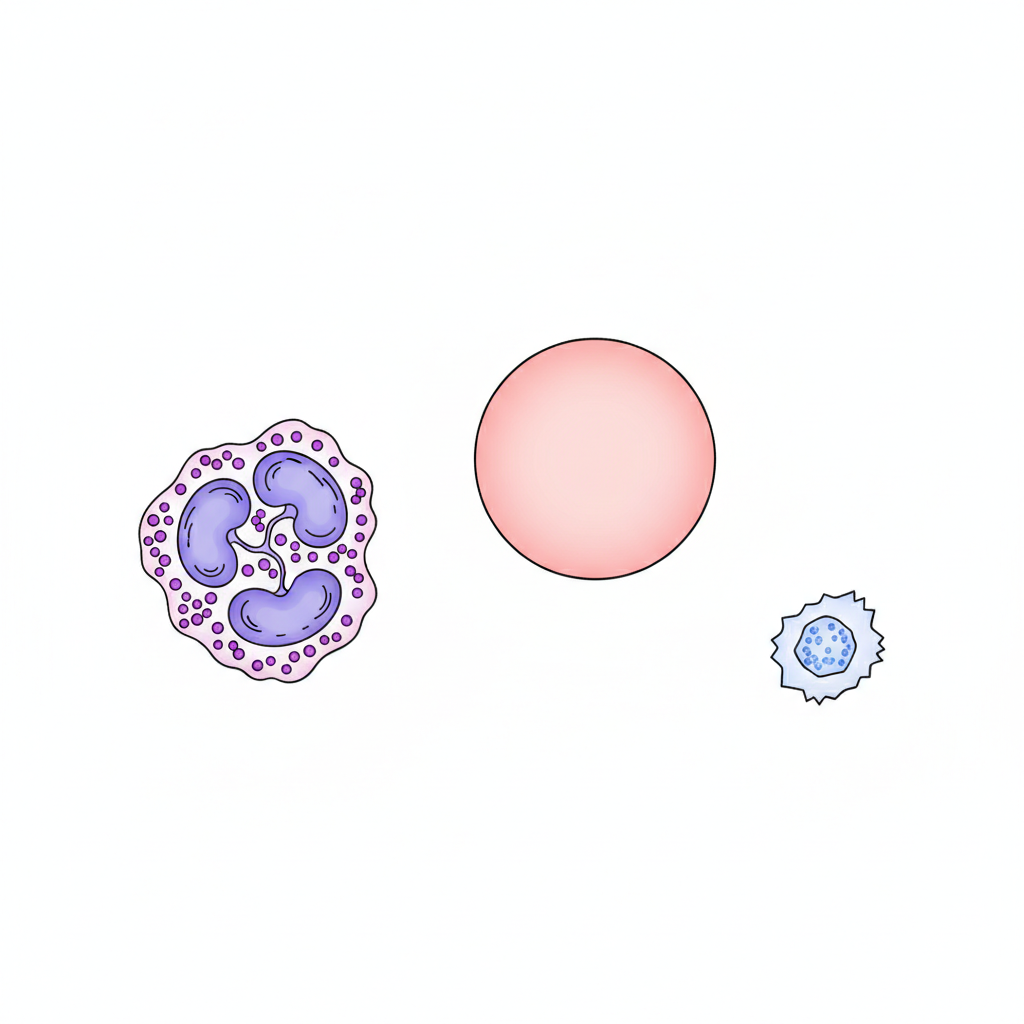
A blood smear from a patient with anaemia is examined under a light microscope. The smear shows several cell types, including large biconcave disc-shaped cells lacking a nucleus, irregularly shaped cell fragments, and cells with a visible nucleus.
a
On the diagram provided, label the cell responsible for oxygen transport. [1]
b
Explain how the structural features of this cell enable efficient oxygen transport to body tissues. [1]

Solutions
2QuestionStructure and Function of the LungsAssessment Practice
2 marks~3 minCriterion C
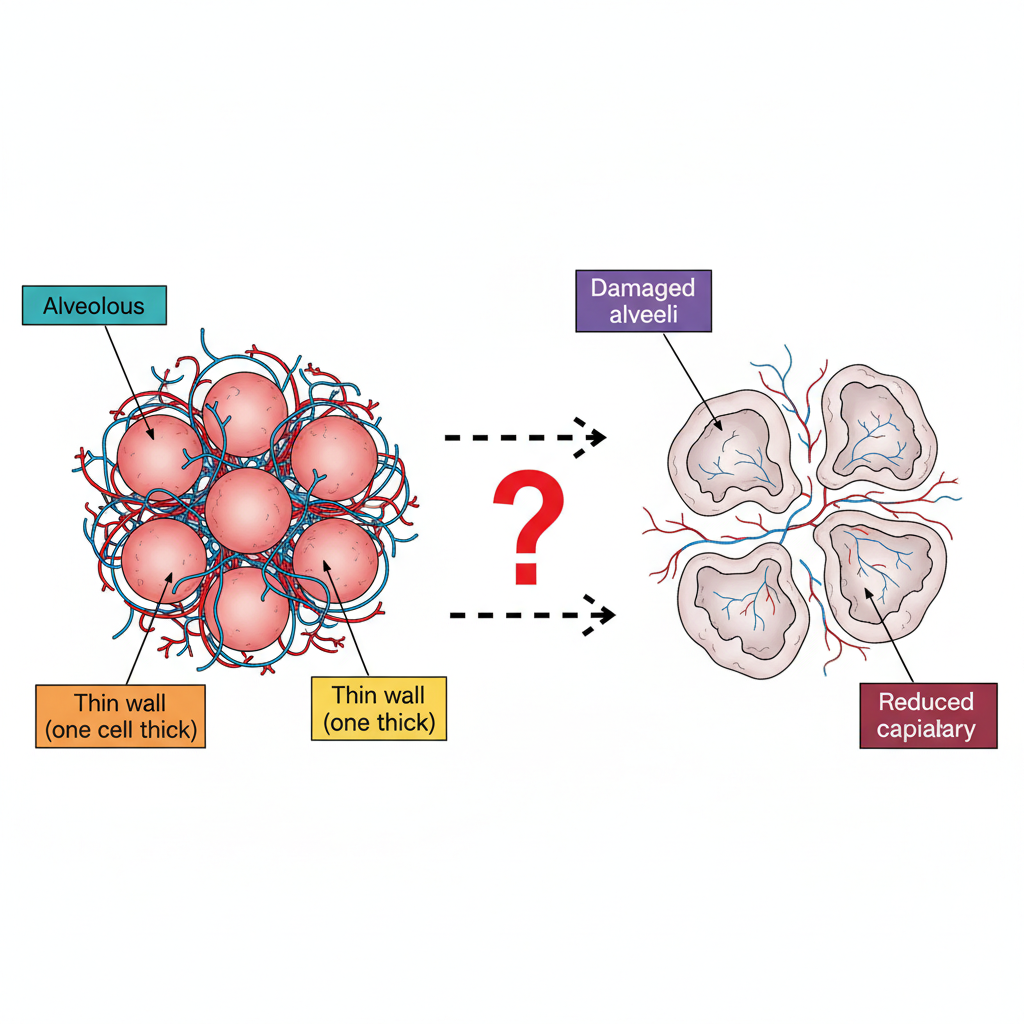
Emphysema is a lung disease in which alveolar walls are progressively destroyed. Healthy alveoli have structural adaptations — including a large surface area, thin walls, and a dense capillary network — that maximise gas exchange efficiency.
a
Explain how a doctor uses knowledge of alveolar structure to account for the low blood oxygen levels observed in emphysema patients. [1]
b
Evaluate one limitation of using a model that focuses solely on alveolar structure to explain the full clinical picture of emphysema. [1]
Solutions
3QuestionStructure and Function of the LungsAssessment Practice
4 marks~6 minCriterion D
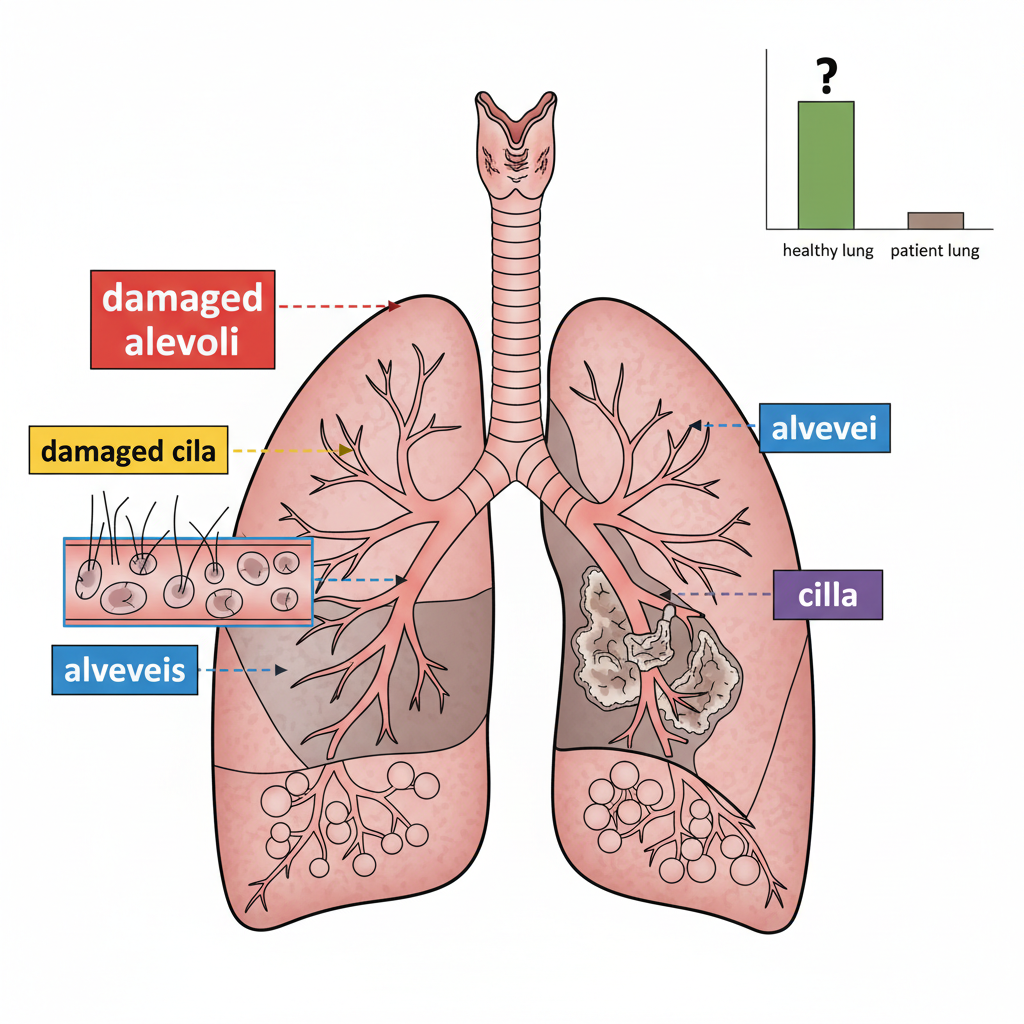
A 45-year-old patient has smoked 20 cigarettes per day for 20 years. Lung function tests confirm reduced gas exchange efficiency and impaired mucociliary clearance.
a
Describe one specific way smoking damages the alveoli and explain how this reduces gas exchange efficiency. [2]
b
The patient's government is considering a complete ban on tobacco sales. Discuss the ethical responsibilities of a government when introducing such a policy, considering both the duty to minimise harm to society and the right of individuals to make their own choices. [2]
Solutions
4QuestionGas Exchange and Role of AlveoliAssessment Practice
4 marks~6 minCriterion A
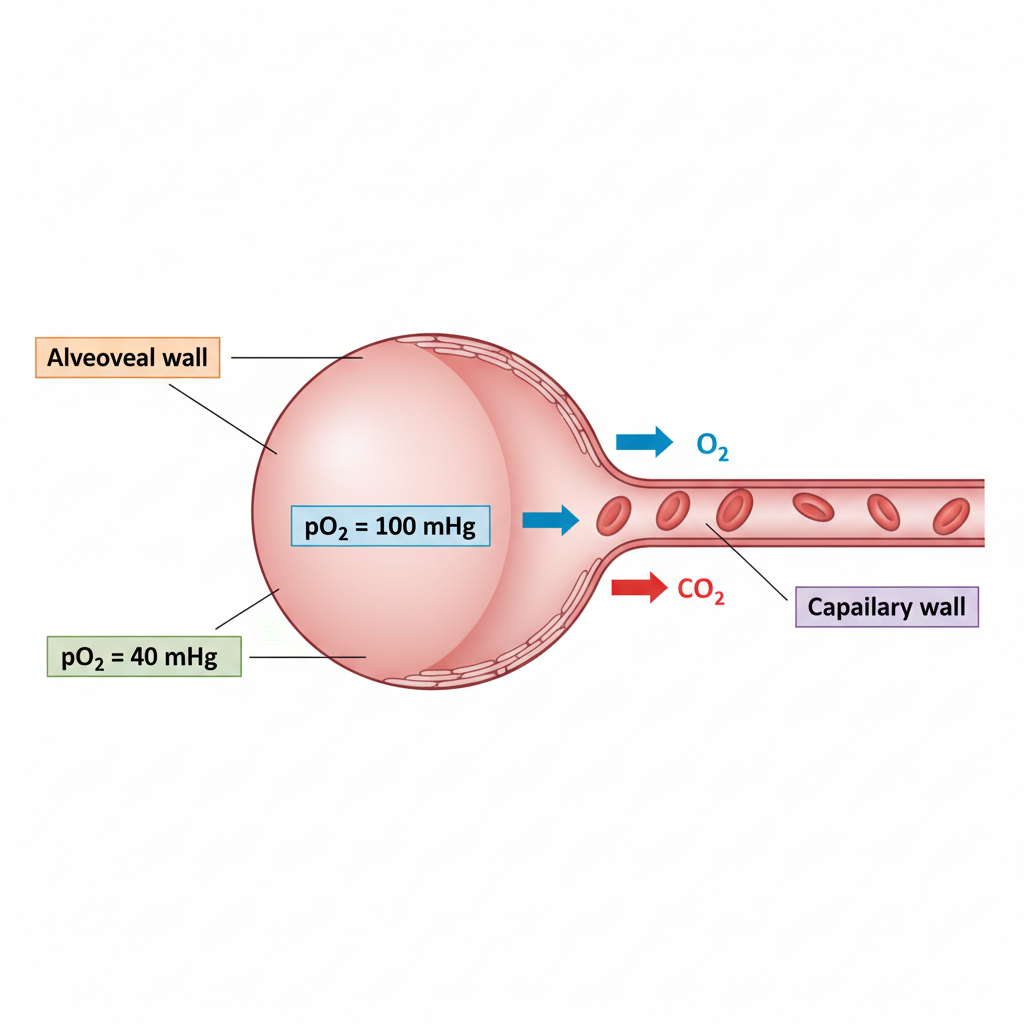
The diagram below shows an alveolus adjacent to a blood capillary. The partial pressure of oxygen () in the alveolus is 100 mmHg; in the incoming blood it is 40 mmHg. The walls of both the alveolus and the capillary are each one cell thick.
a
Explain the direction of oxygen movement between the alveolus and the blood, using the terms diffusion gradient and partial pressure in your answer. [2]
b
The alveolus has two structural features that maximise the efficiency of gas exchange: thin walls and a large surface area. For each feature, explain how it contributes to efficient gas exchange. [2]
Solutions
5QuestionStructure and Function of the LungsAssessment Practice
8 marks~12 minCriterion C
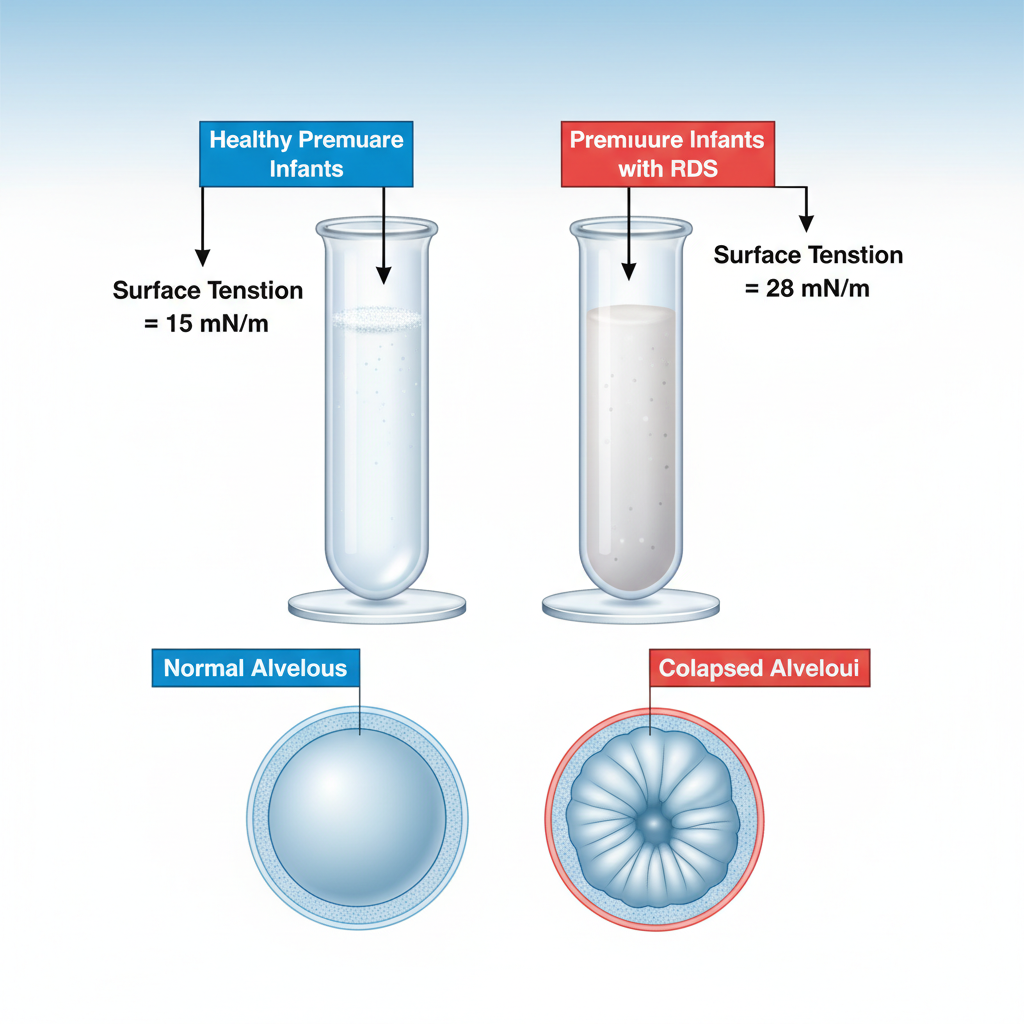
A study investigated whether surfactant deficiency causes alveolar collapse in respiratory distress syndrome (RDS). Lung fluid samples were collected from premature infants and surface tension was measured. A lower surface tension value indicates more effective surfactant activity.
Surface tension (mN/m):
Healthy premature infants: 15
Premature infants with RDS: 28
Surface tension (mN/m):
Healthy premature infants: 15
Premature infants with RDS: 28
a
Identify the independent variable and the dependent variable in this experiment. [2]
b
Explain how surfactant normally prevents alveolar collapse during exhalation. [2]
c
Evaluate the extent to which these data support the hypothesis that surfactant deficiency causes alveolar collapse in RDS. [4]
Solutions
That's every free question here — 5 of 91.
+86 more questions, plus Mock Papers & Worksheets, are waiting in Premium.