You're viewing free preview questions — 5 questions previewing here — subscribe to unlock 100 more, plus the Full Question Bank, Mock Papers & Worksheets.Upgrade
Endocrine Systems — Free MYP4 Biology Practice Questions

1QuestionMain glands and functionsConcept Practice
2 marks~3 minCriterion D
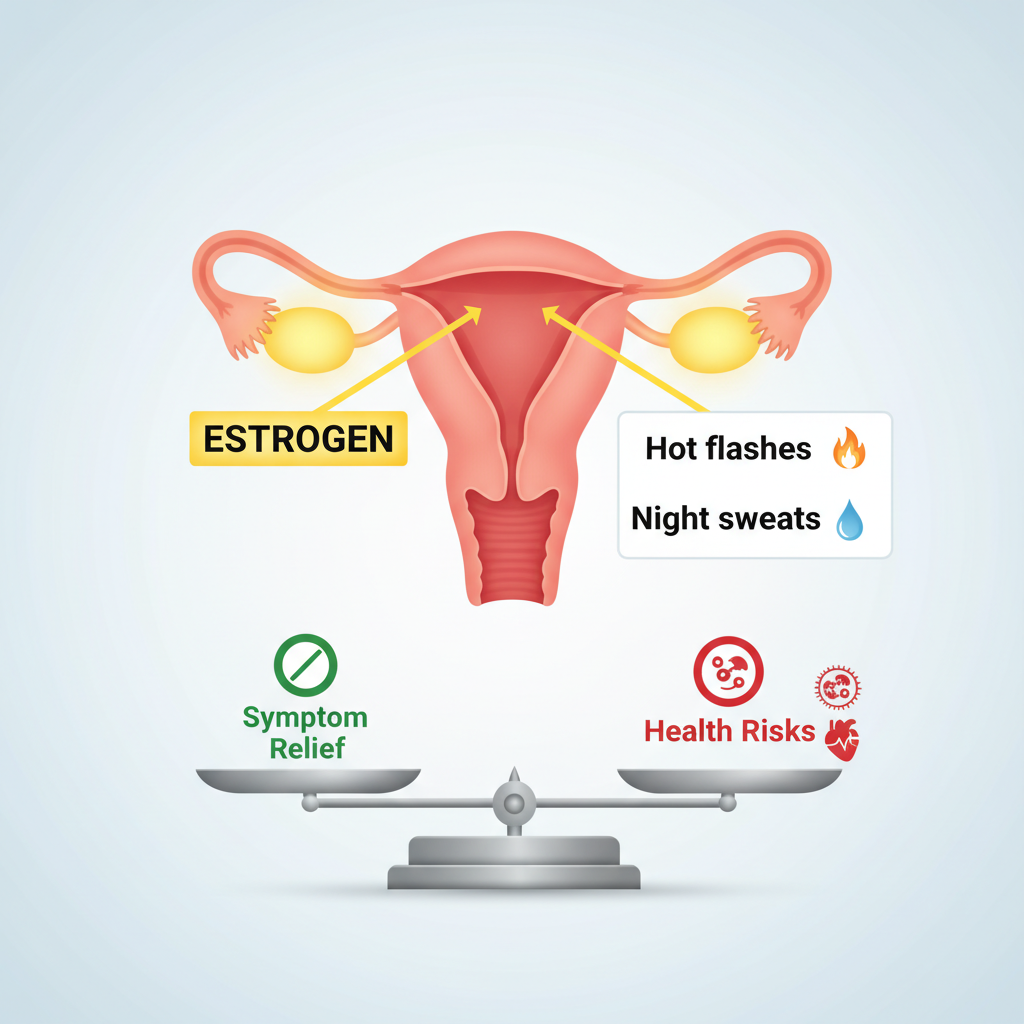
During menopause, the ovaries progressively reduce production of oestrogen and progesterone, triggering symptoms such as hot flushes, night sweats, and accelerated bone density loss. Hormone replacement therapy (HRT) is one medical response to these changes.
a
Outline one real-world application of HRT in managing menopausal symptoms. [1]
b
Describe one ethical issue that arises from the use of HRT for menopause. [1]

Solutions
2QuestionControl and coordinationAssessment Practice
2 marks~3 minCriterion A
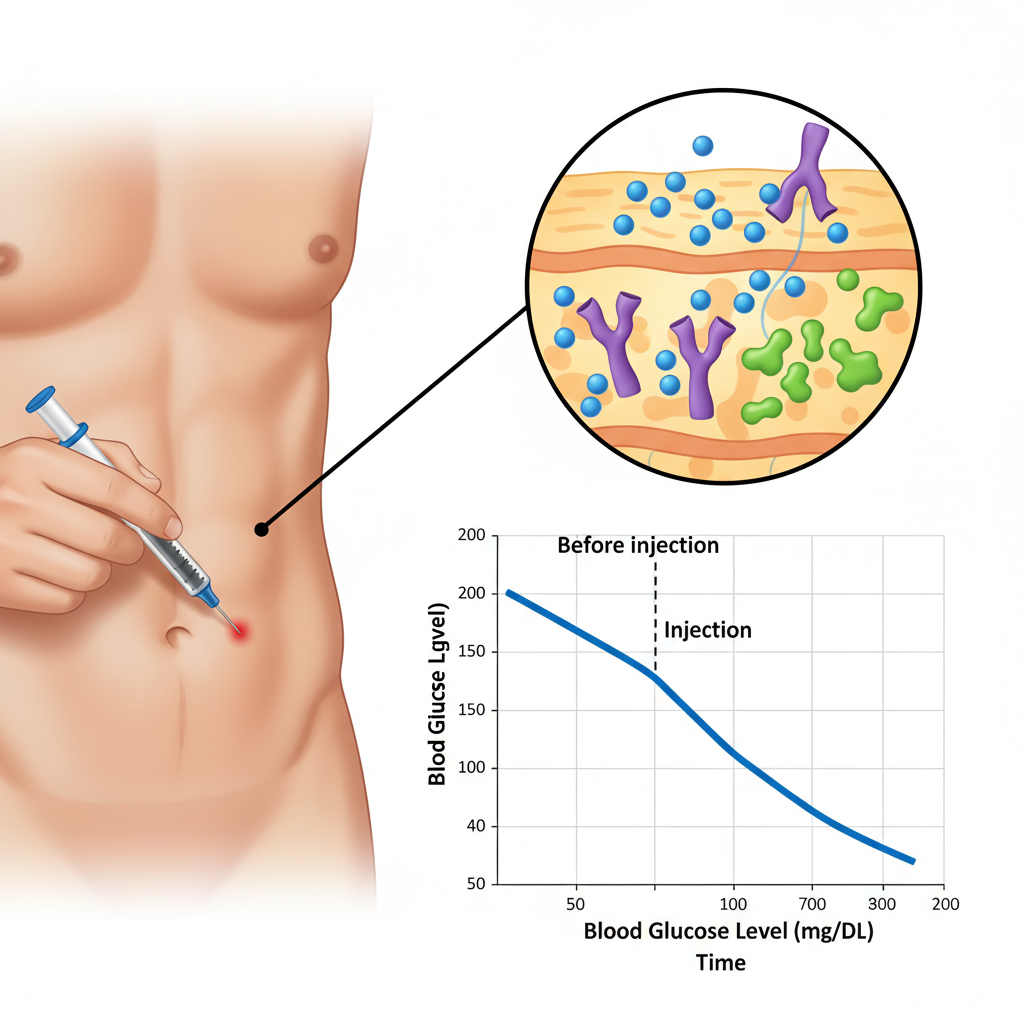
In individuals with Type 1 diabetes, the pancreas produces little or no insulin, causing blood glucose to rise to dangerous levels after meals.
a
Explain how insulin injections help restore blood glucose to within the normal physiological range. [1]
b
Identify one limitation of insulin injection therapy that means it cannot be considered a cure for diabetes. [1]
Solutions
3QuestionWorkingConcept Practice
2 marks~3 minCriterion A
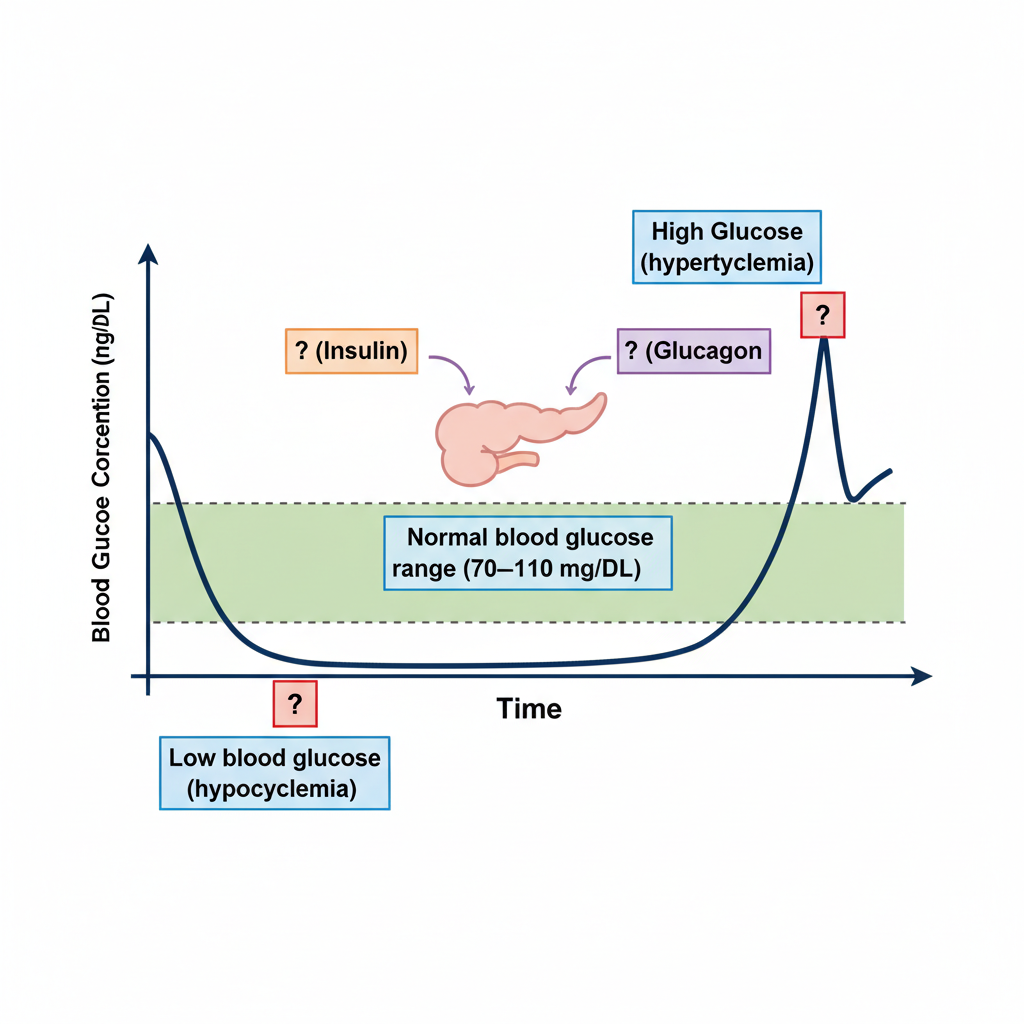
During a biology practical, students monitor a volunteer's blood glucose concentration over 90 minutes after consuming a glucose drink. Levels rise sharply, then return to the normal range without any medical intervention.
a
Describe the role of insulin in returning blood glucose to the normal range after the drink is consumed. [1]
b
Explain how the responses of insulin and glucagon together form a negative feedback loop that maintains blood glucose homeostasis. [1]
Solutions
4QuestionHomeostasisAssessment Practice
6 marks~9 minCriterion C
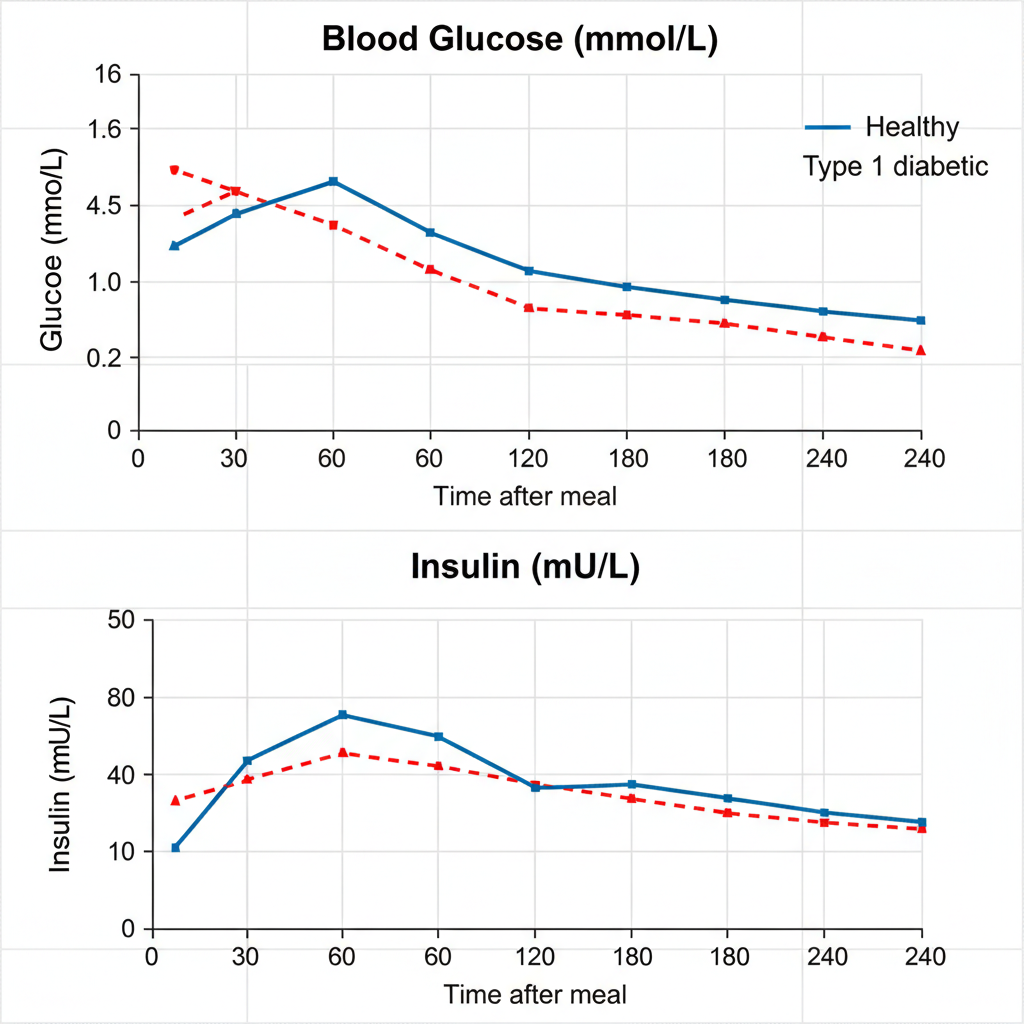
A study measured blood glucose and insulin levels in a healthy individual and a Type 1 diabetic following a meal.
| Time after meal (min) | 0 | 30 | 60 | 120 | 180 | 240 |
|---|---|---|---|---|---|---|
| Healthy blood glucose (mmol/L) | 4.5 | 6.8 | 5.2 | 4.8 | 4.6 | 4.5 |
| Healthy insulin (mU/L) | 10 | 45 | 38 | 20 | 12 | 10 |
| Diabetic blood glucose (mmol/L) | 4.5 | 8.5 | 10.2 | 12.0 | 13.5 | 14.8 |
| Diabetic insulin (mU/L) | 5 | 6 | 5 | 5 | 5 | 5 |
a
Describe the relationship between blood glucose and insulin levels in the healthy individual over the 240-minute period. [2]
b
Explain why the diabetic individual's blood glucose continues to rise after the meal, using the data to support your answer. [2]
c
Analyse whether the data support the conclusion that negative feedback regulation of blood glucose is fully non-functional in the Type 1 diabetic. Justify your reasoning with reference to both datasets. [2]
Solutions
5QuestionControl and coordinationAssessment Practice
8 marks~12 minCriterion C
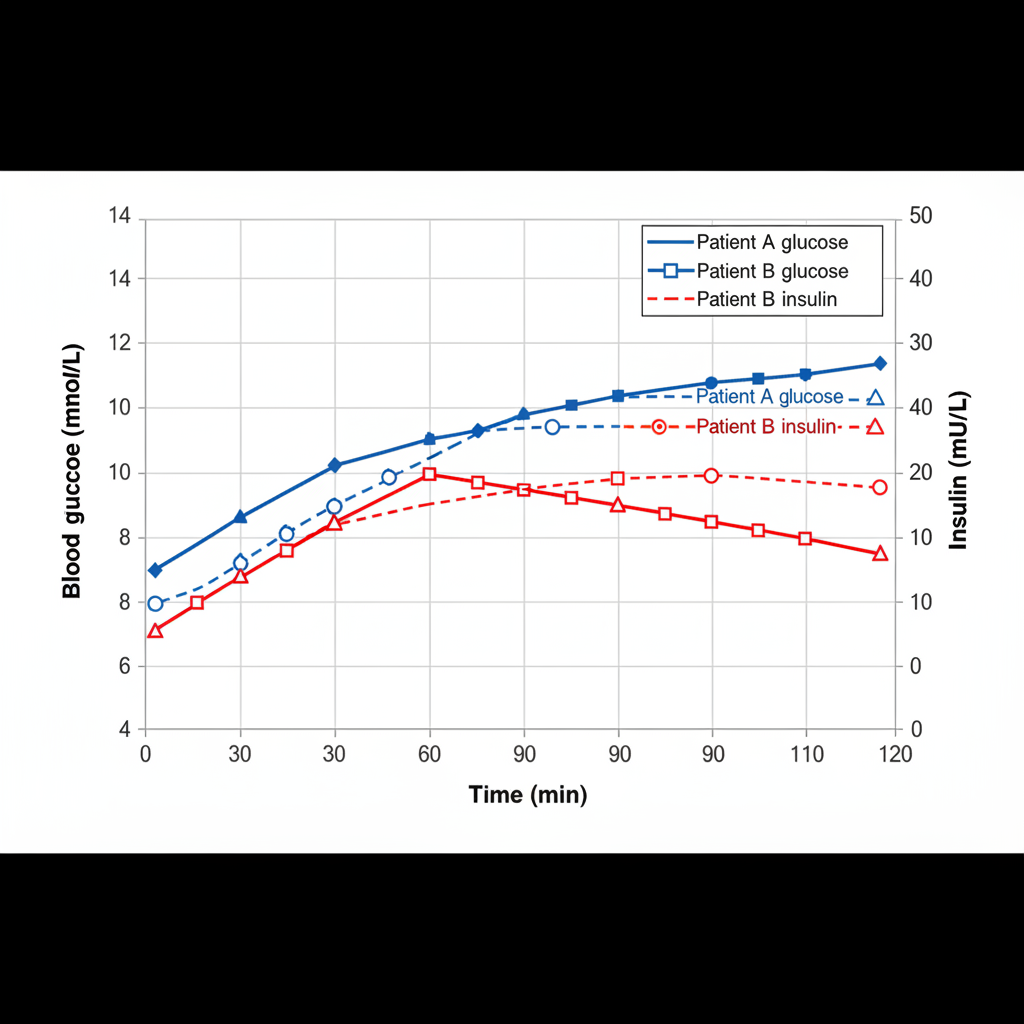
Two patients, A and B, each consumed a 75 g glucose meal. Blood glucose and insulin were measured over 120 minutes.
Time (min): 0, 30, 60, 90, 120
Time (min): 0, 30, 60, 90, 120
| Patient A — glucose (mmol/L) | 5.0 | 8.2 | 7.6 | 6.1 | 5.2 |
|---|---|---|---|---|---|
| Patient A — insulin (mU/L) | 10 | 45 | 38 | 22 | 12 |
| Patient B — glucose (mmol/L) | 5.2 | 9.8 | 11.5 | 12.1 | 11.8 |
|---|---|---|---|---|---|
| Patient B — insulin (mU/L) | 9 | 18 | 15 | 10 | 8 |
a
Describe the changes in blood glucose and insulin levels for Patient A between 0 and 120 minutes. [2]
b
Analyse the relationship between blood glucose and insulin in Patient B, and explain why glucose homeostasis is not achieved. [3]
c
Evaluate whether the data support a diagnosis of pancreatic beta cell dysfunction in Patient B, rather than a failure of target cells to respond to insulin. Justify your reasoning using specific values from the data. [3]
Solutions
That's every free question here — 5 of 105.
+100 more questions, plus Mock Papers & Worksheets, are waiting in Premium.