You're viewing free preview questions — 4 questions previewing here — subscribe to unlock 71 more, plus the Full Question Bank, Mock Papers & Worksheets.Upgrade
Special Identities and Common Patterns — Free MYP4 Mathematics (Extended) Practice Questions

1QuestionDeriving Identities from Expansion and FactorizationConcept Practice
2 marks~3 minCriterion A
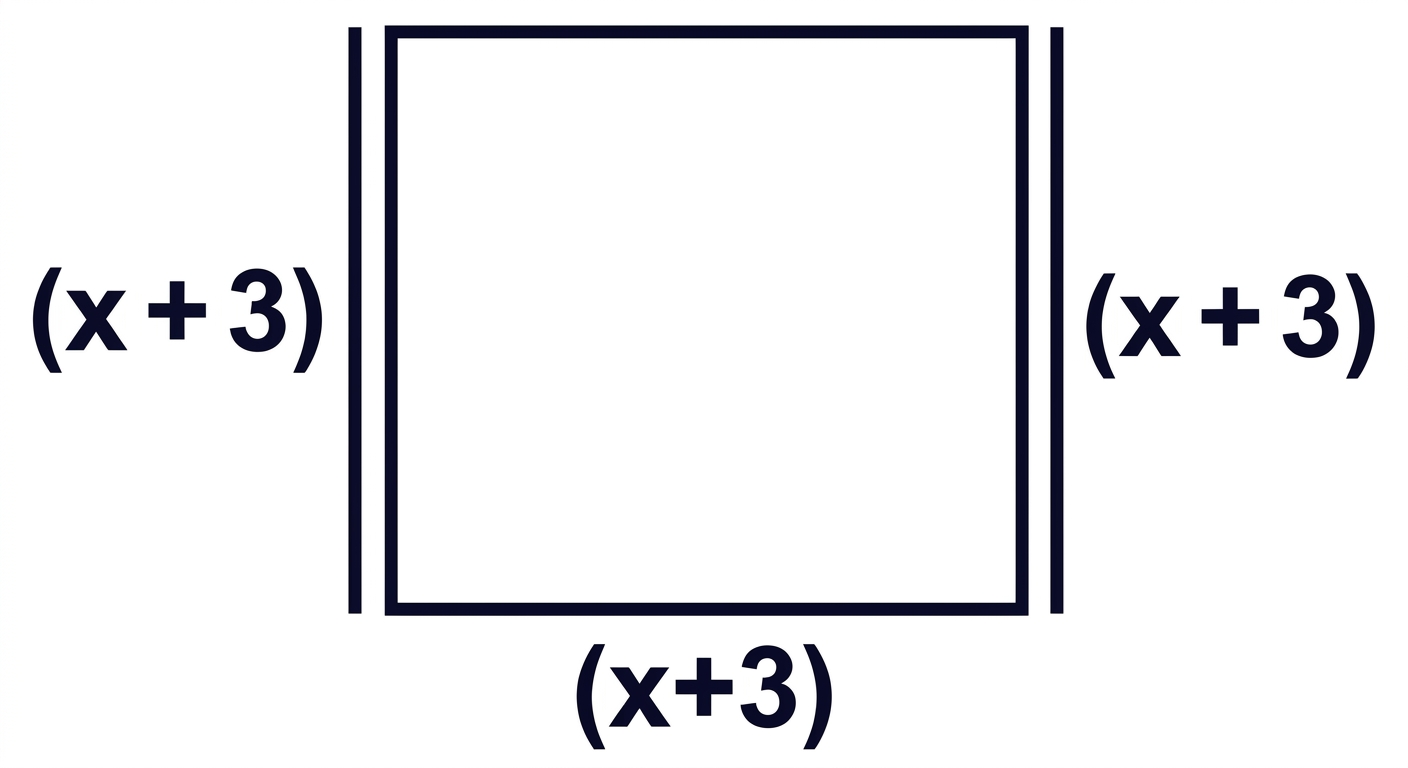
A landscape architect is designing a square patio with side length metres, where .
a
Show that the area of the patio can be written as square metres. [1]
b
The architect has 26 square metres of paving material available. Given that , advise the architect whether the available material is sufficient to complete the patio, justifying your answer. [1]

Solutions
2QuestionDifference of Squares IdentityAssessment Practice
2 marks~3 minCriterion D
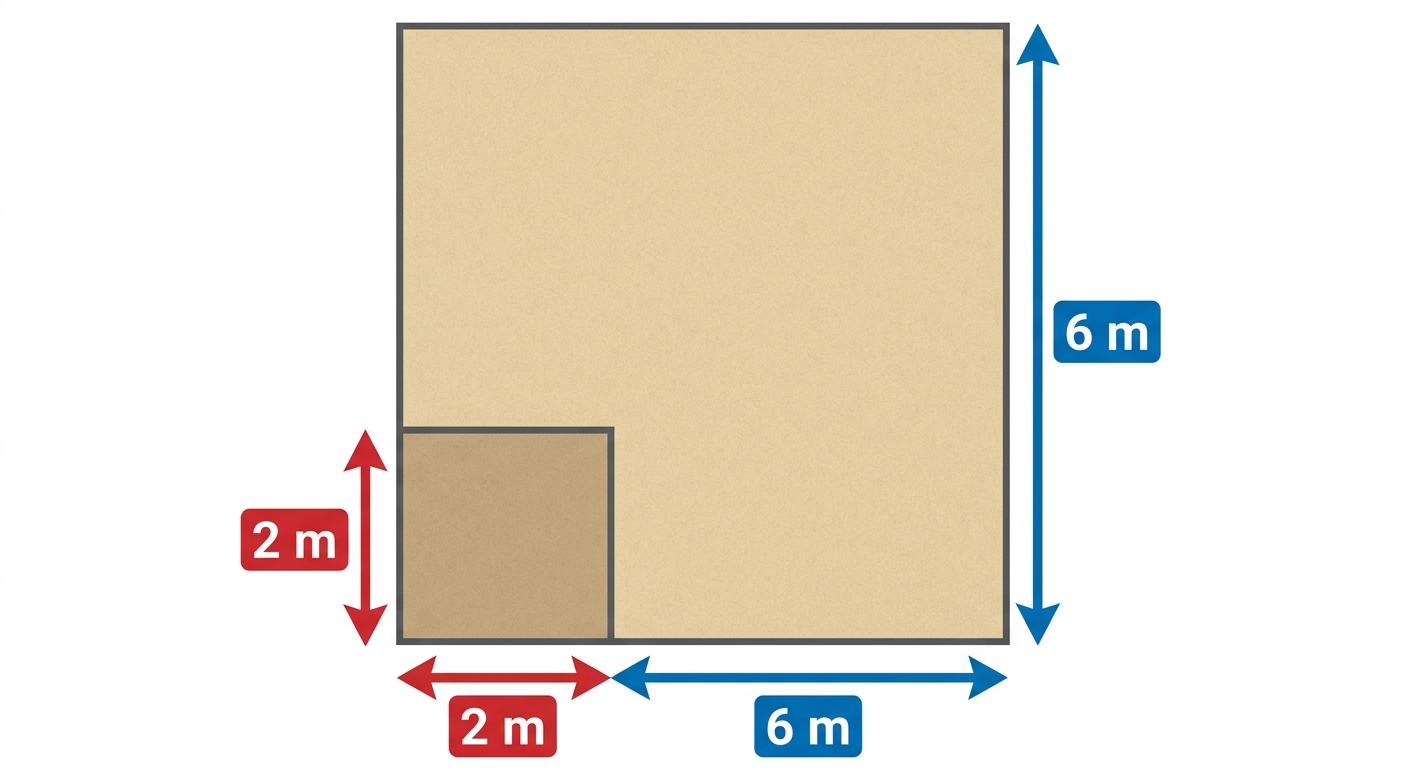
A contractor is designing a square patio of side length m, from which a square tree well of side length m will be removed from one corner, where .
a
Show that the remaining patio area can be written as , and use the difference of squares identity to calculate this area. [1]
b
The contractor's measurements are recorded to the nearest centimetre. Advise the contractor whether this level of precision is adequate for a construction project requiring an accuracy of , justifying your answer with a calculation of the resulting uncertainty in area. [1]
Solutions
3QuestionDeriving Identities from Expansion and FactorizationAssessment Practice
4 marks~6 minCriterion C
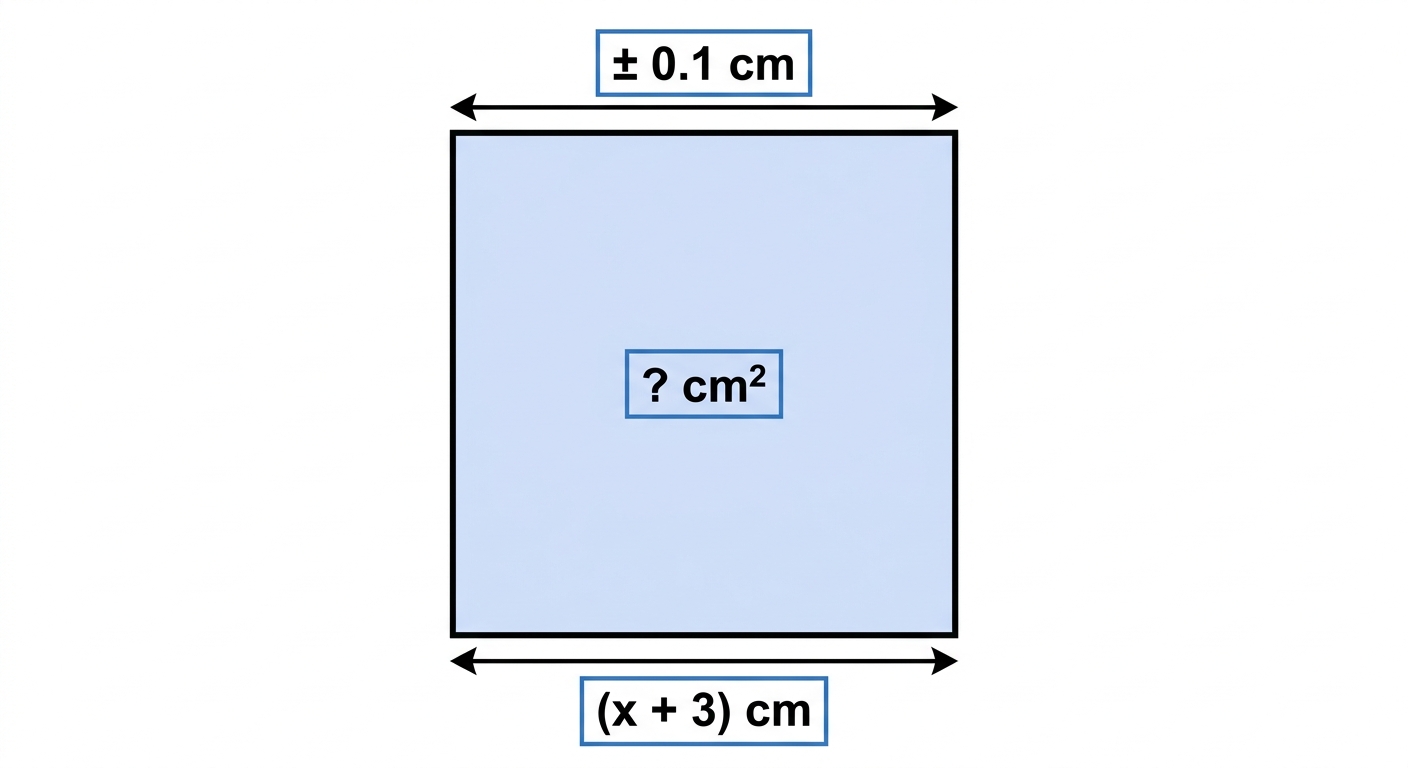
A graphic designer creates a square logo with intended side length cm, where is a positive integer. Due to manufacturing tolerance, the printed side length is cm. The designer uses the identity to model the logo's area.
a
Expand to find the intended area of the logo in the form . [1]
b
When , calculate the difference between the area at the upper tolerance side length and the intended area. [2]
c
The designer must decide whether to present the logo's area as or as when communicating the effect of manufacturing tolerance to a client. Advise the designer which form to use, justifying your answer with reference to the structure of each expression. [1]
Solutions
4QuestionDeriving Identities from Expansion and FactorizationAssessment Practice
3 marks~5 minCriterion B
A garden designer models rectangular planting beds using binomial products. She observes the following pattern when expanding :
The designer plans a bed modelled by , where represents a length in metres.
The designer plans a bed modelled by , where represents a length in metres.
a
Deduce the coefficient of and the constant term in the expansion of . [1]
b
Construct the fully expanded form of . [1]
c
The designer states: "Because the constant term is negative, no positive value of can make this expression equal to zero." Critique this statement, using the roots of the expression to support your reasoning. [1]
Solutions
That's every free question here — 4 of 75.
+71 more questions, plus Mock Papers & Worksheets, are waiting in Premium.