You're viewing free preview questions — 5 questions previewing here — subscribe to unlock 142 more, plus the Full Question Bank, Mock Papers & Worksheets.Upgrade
Stem Cells — Free MYP5 Biology Practice Questions

1QuestionCharacteristics and Properties of Stem CellsConcept Practice
2 marks~3 minCriterion A
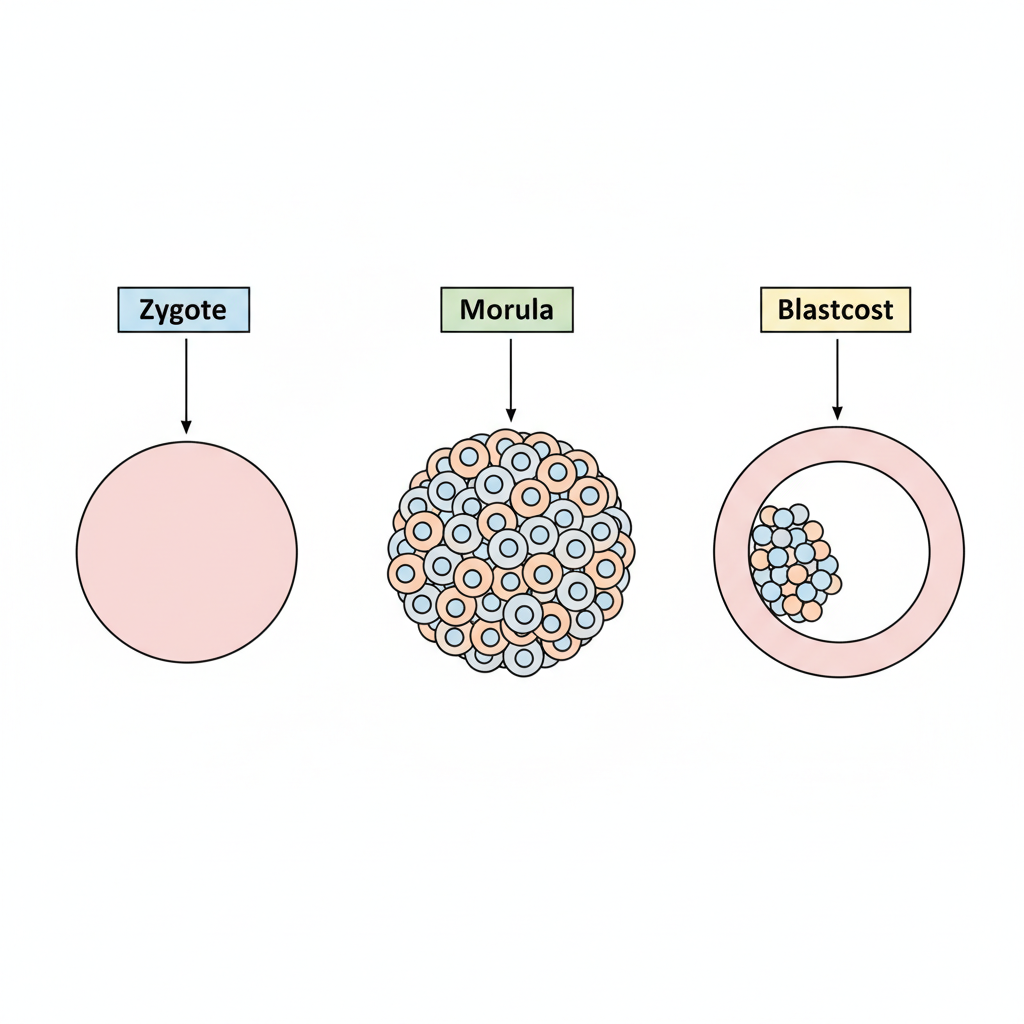
The diagram shows three stages of early embryonic development: a zygote, a morula, and a blastocyst (with its inner cell mass visible).
a
Identify the stage(s) that contain totipotent cells and the stage(s) that contain pluripotent cells. [1]
b
Explain why totipotent cells have greater developmental potential than pluripotent cells. [1]

Solutions
2QuestionCharacteristics and Properties of Stem CellsAssessment Practice
4 marks~6 minCriterion A
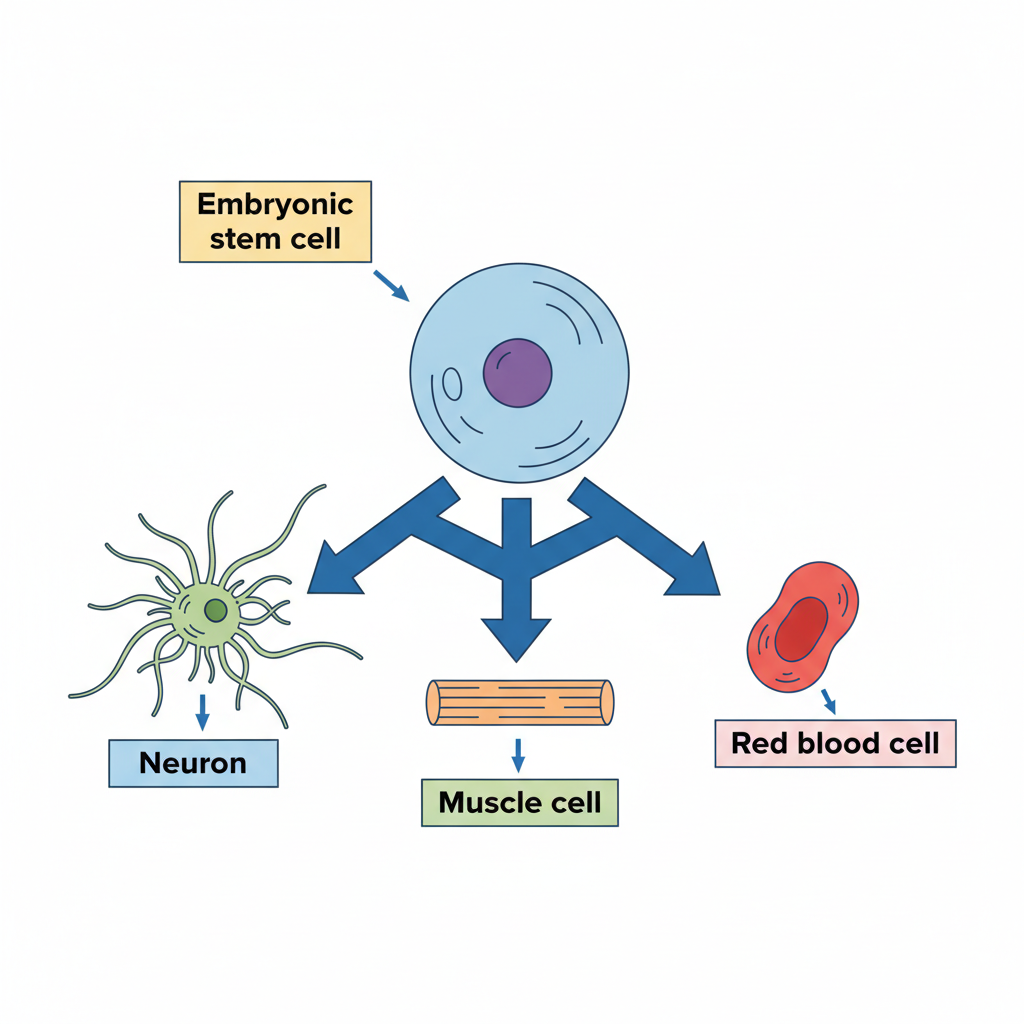
The diagram below shows a single embryonic stem cell giving rise to three specialised cell types: a neuron, a skeletal muscle cell, and a red blood cell.
a
Describe the process of differentiation shown in the diagram. [2]
b
Explain why the embryonic stem cell is classified as pluripotent rather than totipotent or multipotent. [2]
Solutions
3QuestionCharacteristics and Properties of Stem CellsAssessment Practice
4 marks~6 minCriterion D
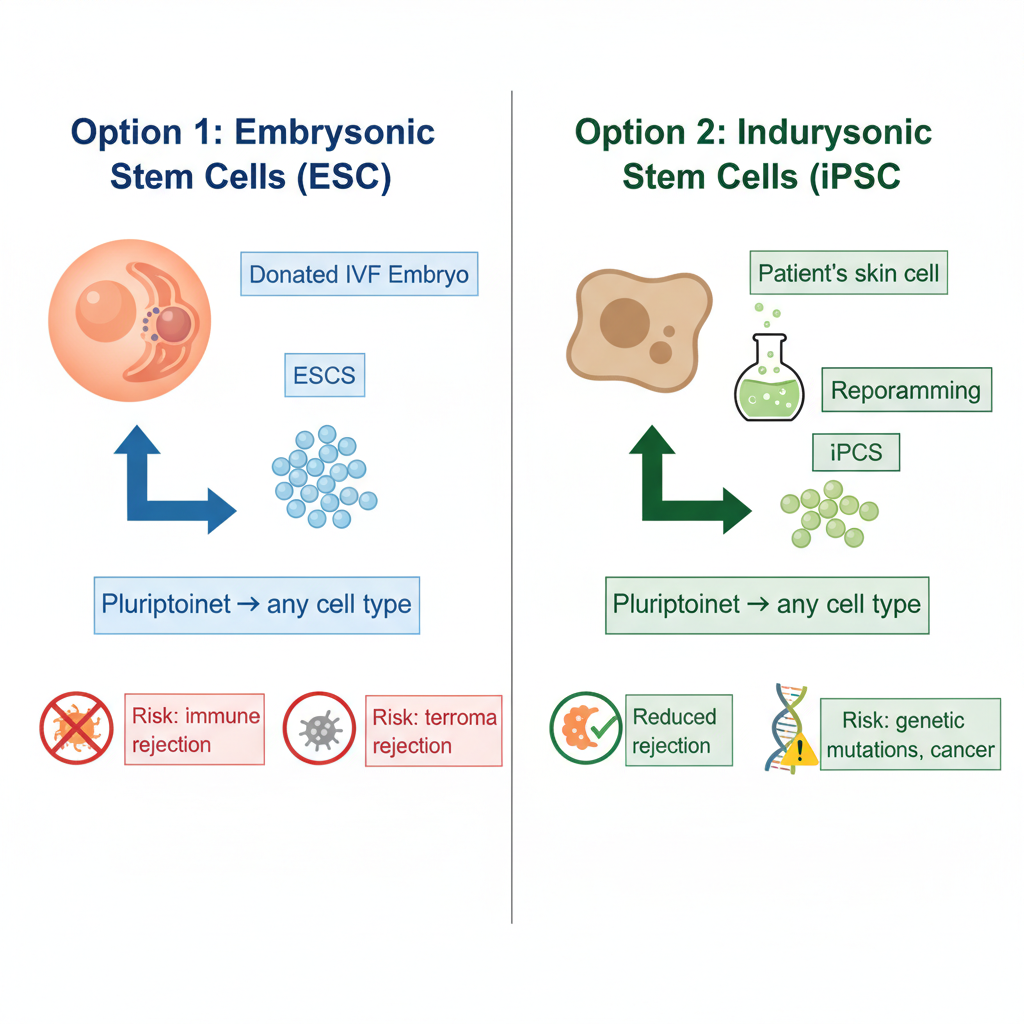
A 45-year-old patient with a spinal cord injury resulting in paraplegia is considering two stem cell treatments:
Option 1 — Embryonic stem cells (ESCs): pluripotent cells from donated IVF embryos. Risks include immune rejection and teratoma formation.
Option 2 — Induced pluripotent stem cells (iPSCs): the patient's own skin cells reprogrammed to pluripotency. Immune rejection is avoided, but reprogramming may introduce genetic mutations, increasing cancer risk.
Option 1 — Embryonic stem cells (ESCs): pluripotent cells from donated IVF embryos. Risks include immune rejection and teratoma formation.
Option 2 — Induced pluripotent stem cells (iPSCs): the patient's own skin cells reprogrammed to pluripotency. Immune rejection is avoided, but reprogramming may introduce genetic mutations, increasing cancer risk.
a
Explain what pluripotency means and why it is relevant to spinal cord repair. [1]
b
Analyse the benefits and risks of each treatment option for this patient. [2]
c
Justify which option is more viable for clinical use, considering ethical, health, and practical trade-offs. [1]
Solutions
4QuestionEthical Considerations in Stem Cell ResearchAssessment Practice
5 marks~8 minCriterion C
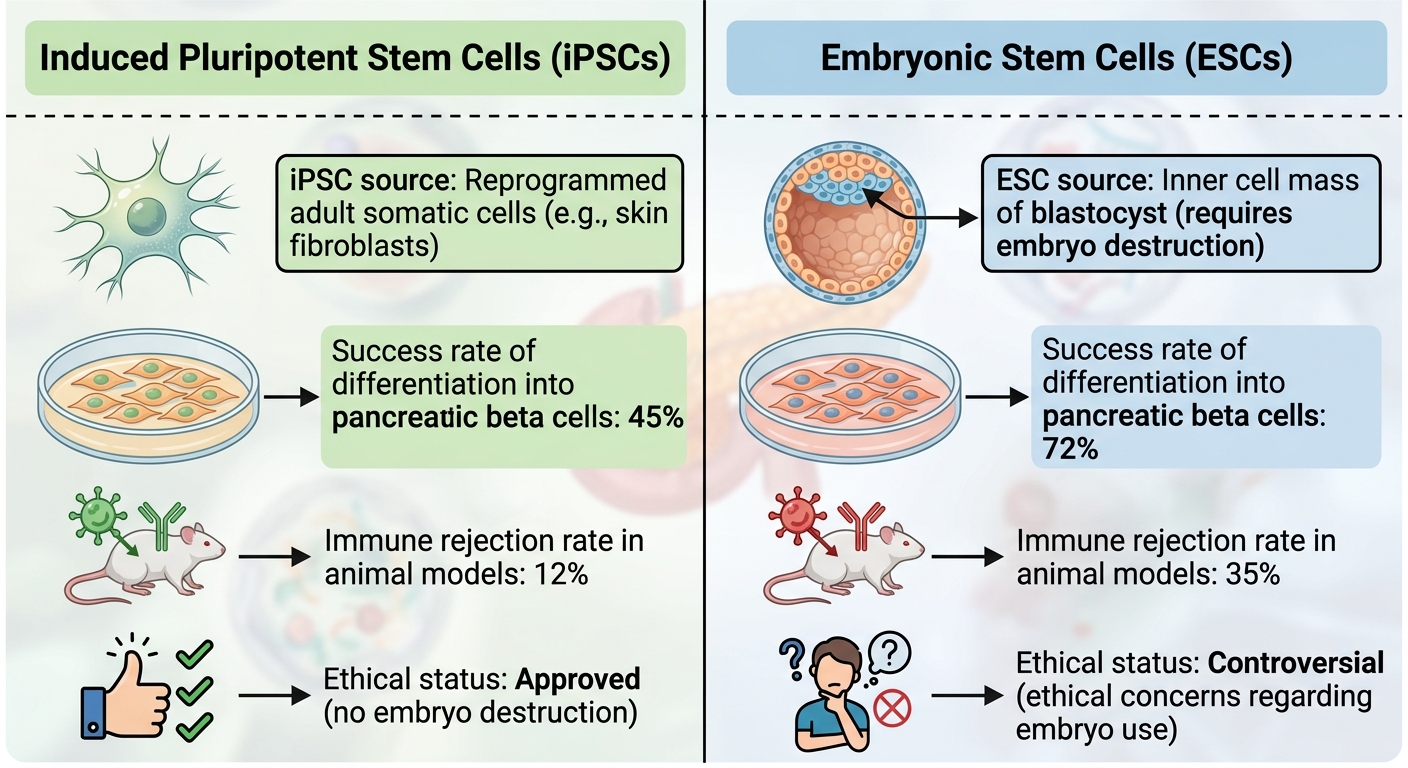
A research team compared induced pluripotent stem cells (iPSCs) and embryonic stem cells (ESCs) for generating pancreatic beta cells to treat type 1 diabetes.
Ethical approval status: iPSC approved (no embryos destroyed); ESC controversial (requires embryo destruction)
| Differentiation success rate into beta cells | iPSC 45% | ESC 72% |
|---|---|---|
| Immune rejection rate in animal models | iPSC 12% | ESC 35% |
Ethical approval status: iPSC approved (no embryos destroyed); ESC controversial (requires embryo destruction)
a
State one biological advantage and one biological disadvantage of using iPSCs compared to ESCs, using data from the table. [2]
b
Explain how the lower immune rejection rate of iPSCs is clinically significant for patients receiving beta cell transplants. [1]
c
Evaluate whether the experimental evidence supports the hypothesis that iPSCs are a more ethically viable alternative to ESCs for diabetes treatment. [2]
Solutions
5QuestionEthical Considerations in Stem Cell ResearchAssessment Practice
6 marks~9 minCriterion C
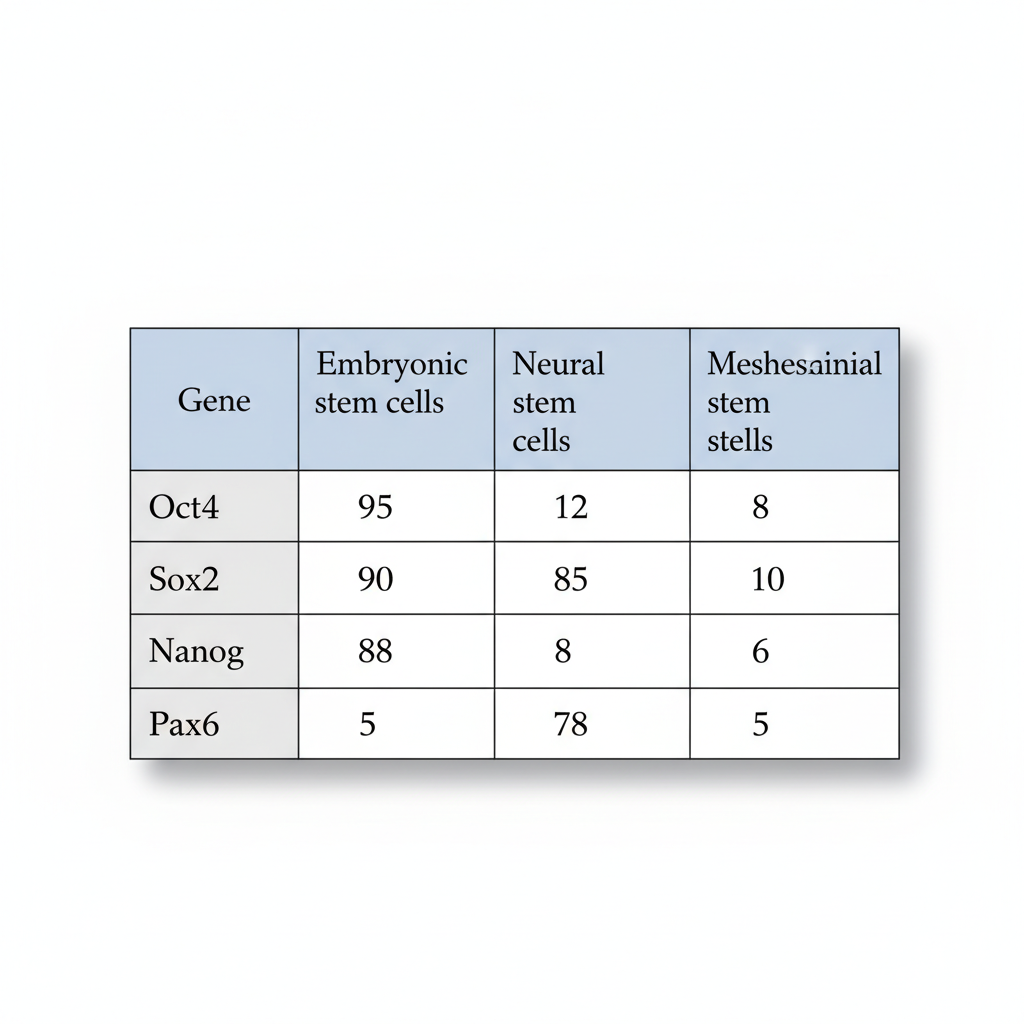
Four regulatory genes — , , , and — were measured in three stem cell types. Expression levels are in relative units (RU).
| embryonic stem cells 95 | neural stem cells 12 | mesenchymal stem cells 8 | |
| embryonic stem cells 90 | neural stem cells 85 | mesenchymal stem cells 10 | |
| embryonic stem cells 88 | neural stem cells 8 | mesenchymal stem cells 6 | |
| embryonic stem cells 5 | neural stem cells 78 | mesenchymal stem cells 5 |
a
Identify the two genes with high expression in embryonic stem cells but low expression in both neural and mesenchymal stem cells. Explain what this pattern indicates about the function of these genes. [2]
b
is highly expressed in both embryonic and neural stem cells, yet these two cell types differ greatly in differentiation potential. Using the full gene expression profile, explain how the combination of genes expressed — rather than any single gene — determines a stem cell's potency. [2]
c
A researcher proposes that mesenchymal stem cells could replace embryonic stem cells in regenerative therapies because "stem cells are all essentially the same." Evaluate this claim using evidence from the gene expression data. [2]
Solutions
That's every free question here — 5 of 147.
+142 more questions, plus Mock Papers & Worksheets, are waiting in Premium.