RevisionPrep
Log inGo Premium

Chemistry

Free Version

Bonding, Equations and Chemical Reactions

6 subtopics · 517 exam-style questions

“Pick a subtopic to start practising.”
Ionic Covalent and Metallic BondingChemical Formulas and EquationsBalancing Equations and Conservation of MassTypes of ReactionsReactivity series and displacementRedox, electrolysis and cells

Sample questions from Bonding, Equations and Chemical Reactions

  1. Types of Reactions[4 marks]
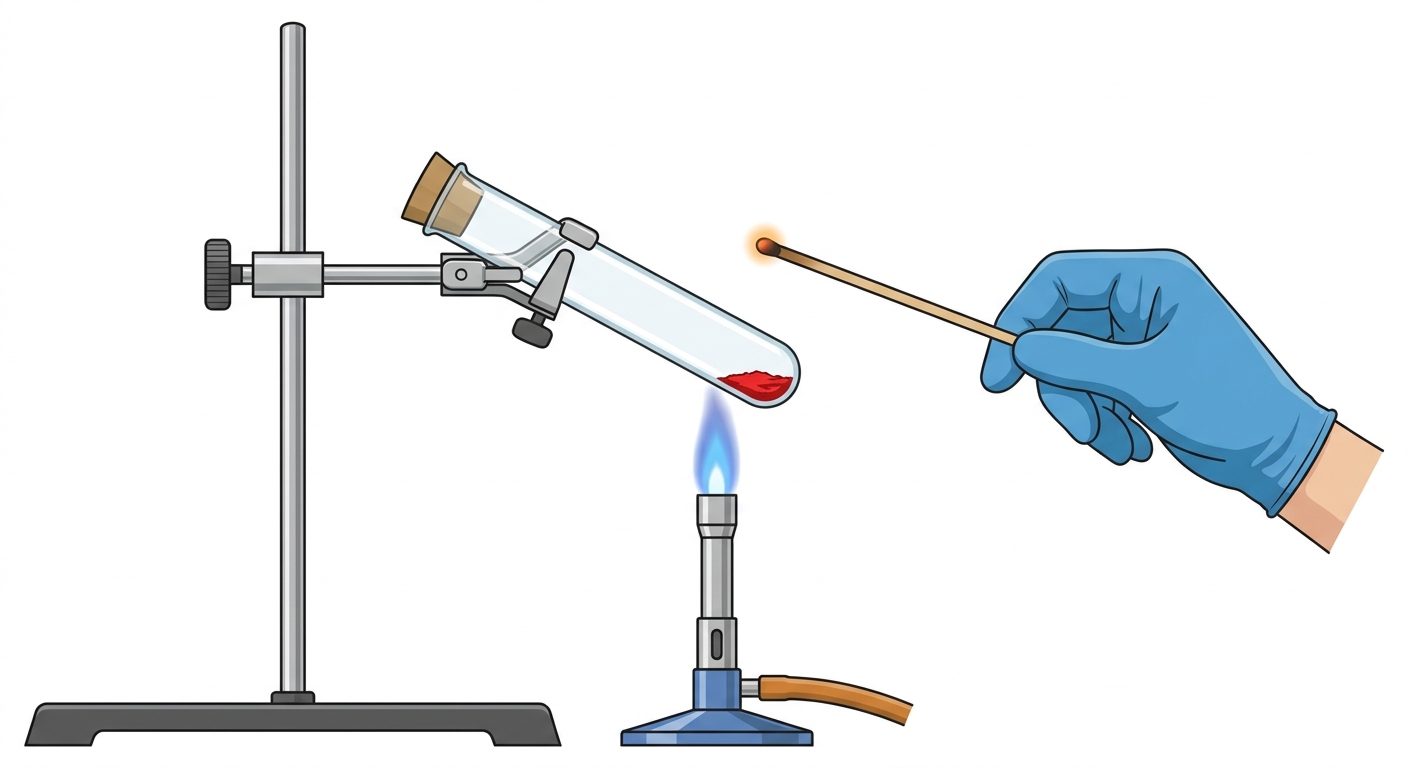
    In 1774 Joseph Priestley heated red mercury(II) oxide, HgO, and collected a gas that made a glowing splint burst into flame. The diagram shows the same reaction carried out in a test tube. Silvery droplets collect on the cooler part of the tube.

    (a) Identify the two products of this reaction. [1]

    (b) Write a balanced equation, with state symbols, for this reaction. [2]

    (c) Suggest why this reaction is now carried out only as a teacher demonstration in a fume cupboard. [1]
    Diagram for a Types of Reactions practice questionPractise this subtopic
  2. Reactivity series and displacement[4 marks]
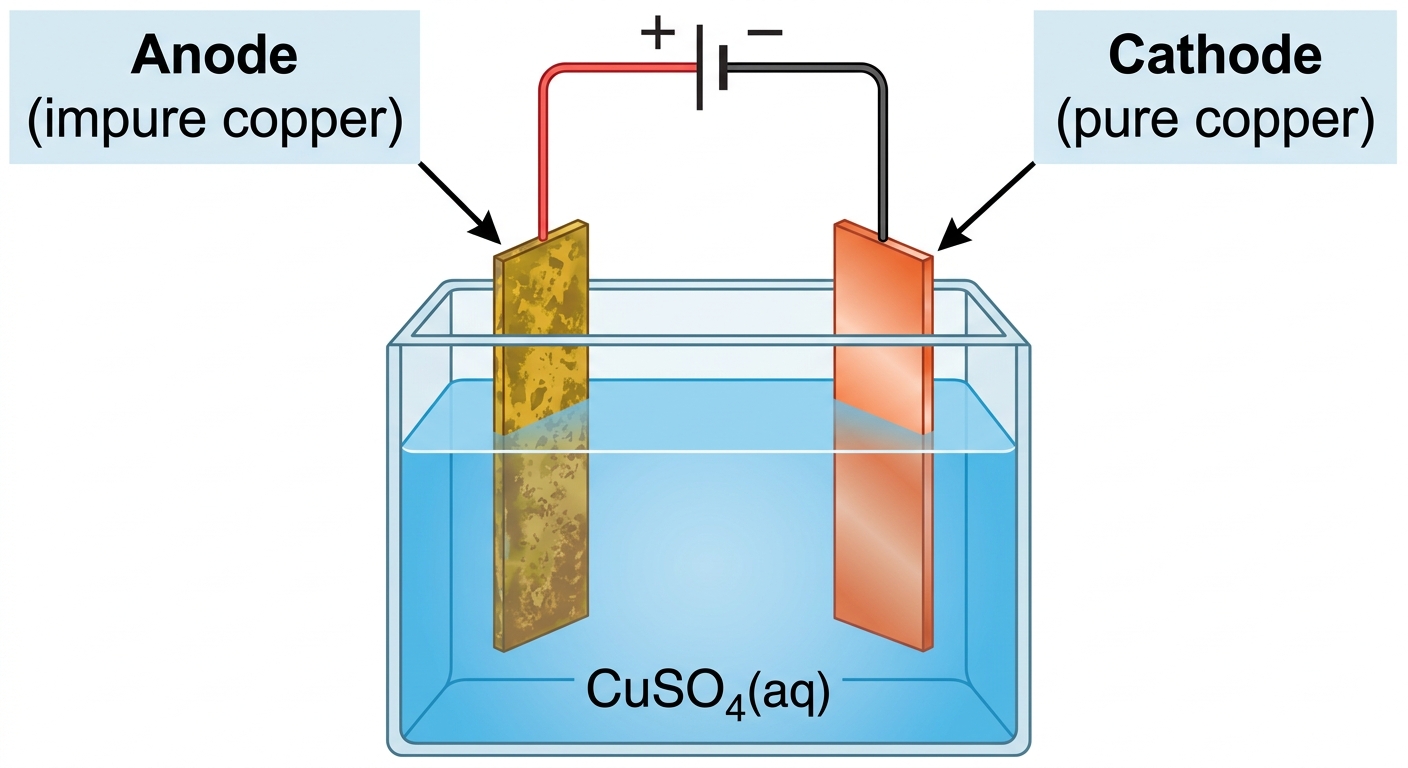
    The diagram shows a cell used to purify copper. The anode is impure copper, the cathode is pure copper and the electrolyte is copper(II) sulfate solution. Impurities collect as a sludge below the anode.

    (a) Identify the substance deposited on the cathode. [1]

    (b) Write the half-equation for the reaction at the anode. [1]

    (c) Explain why the copper deposited on the cathode is purer than the anode. [2]
    Diagram for a Reactivity series and displacement practice questionPractise this subtopic
  3. Ionic Covalent and Metallic Bonding[4 marks]
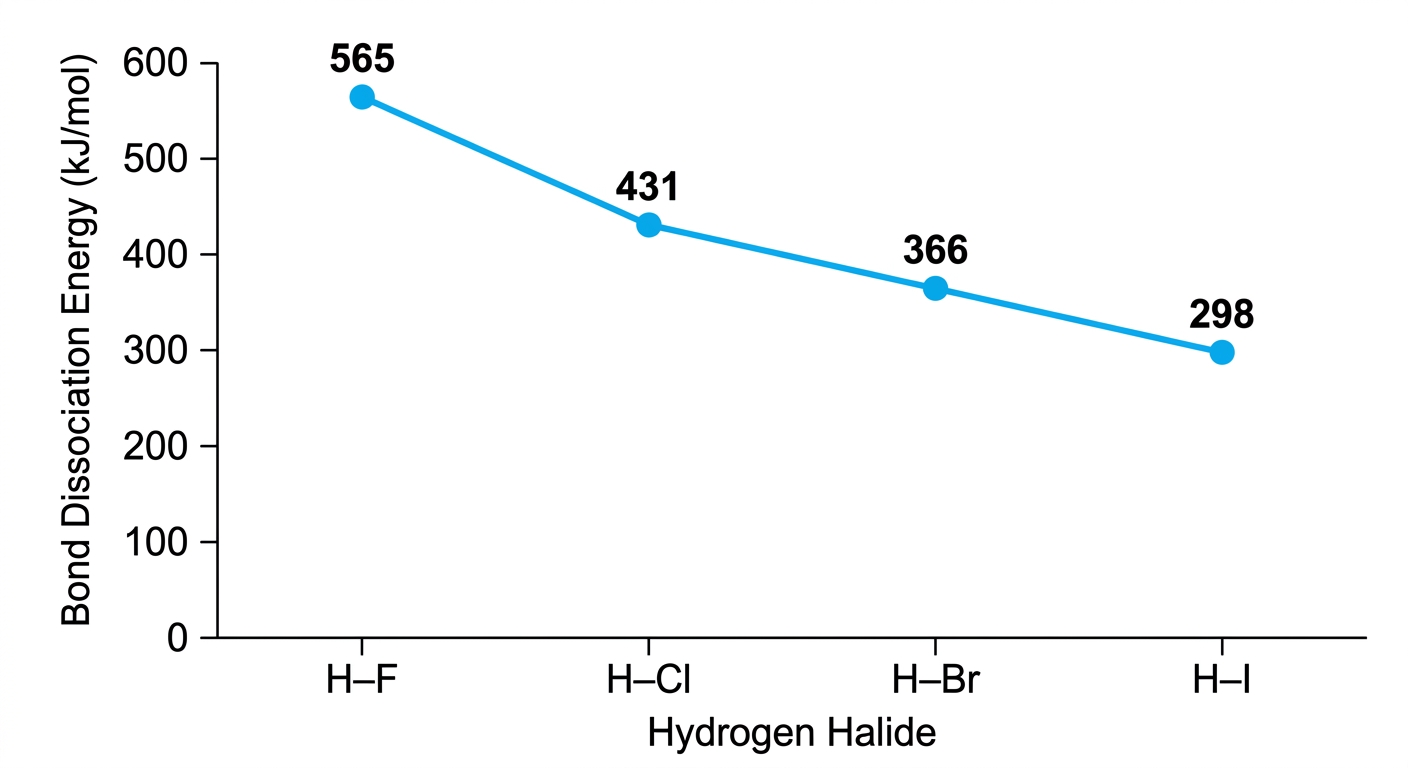
    The graph shows the bond energies of the hydrogen halides.

    (a) Describe the trend shown by the graph. [1]

    (b) Explain the trend in terms of the size of the halogen atom. [2]

    (c) When heated strongly, a hydrogen halide splits into hydrogen and the halogen. Predict which hydrogen halide splits most easily, and give a reason from the graph. [1]
    Diagram for a Ionic Covalent and Metallic Bonding practice questionPractise this subtopic
  4. Chemical Formulas and Equations[4 marks]
    When a small piece of calcium is dropped into water, it fizzes and the water turns cloudy. The products are calcium hydroxide and hydrogen.

    (a) Write down the word equation for this reaction. [1]

    (b) State one piece of information that a balanced symbol equation gives but a word equation does not. [1]

    (c) A student writes: calcium + water → calcium hydroxide. Explain why this word equation is incomplete. [2]
    Practise this subtopic
  5. Balancing Equations and Conservation of Mass[4 marks]
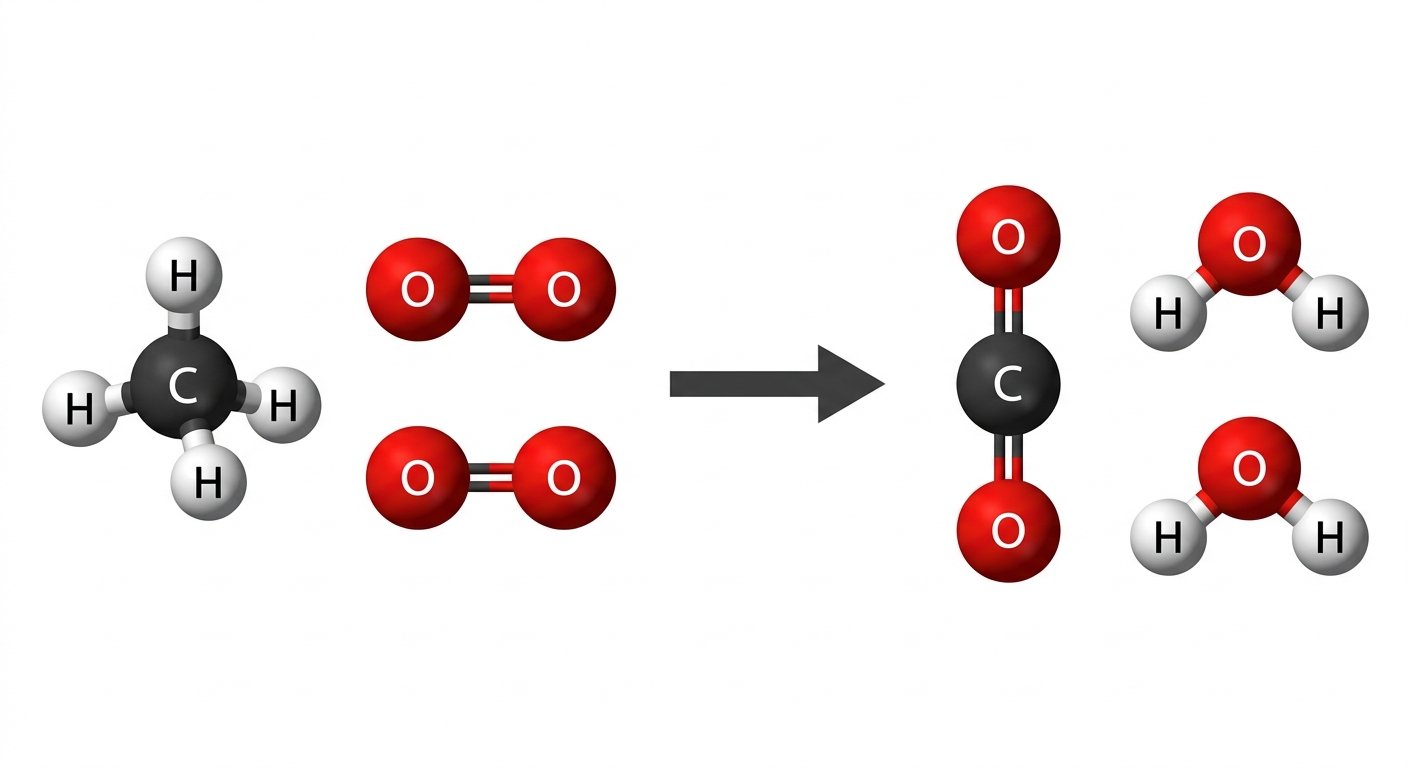
    The diagram shows the molecules taking part in the combustion of methane. Carbon atoms are black, oxygen atoms red and hydrogen atoms white.

    (a) Write the formula of each substance shown in the diagram. [1]

    (b) Write the balanced symbol equation, with state symbols, for this reaction taking place at 120 °C. [2]

    (c) Explain how the diagram shows that mass is conserved. [1]
    Diagram for a Balancing Equations and Conservation of Mass practice questionPractise this subtopic
  6. Redox, electrolysis and cells[3 marks]
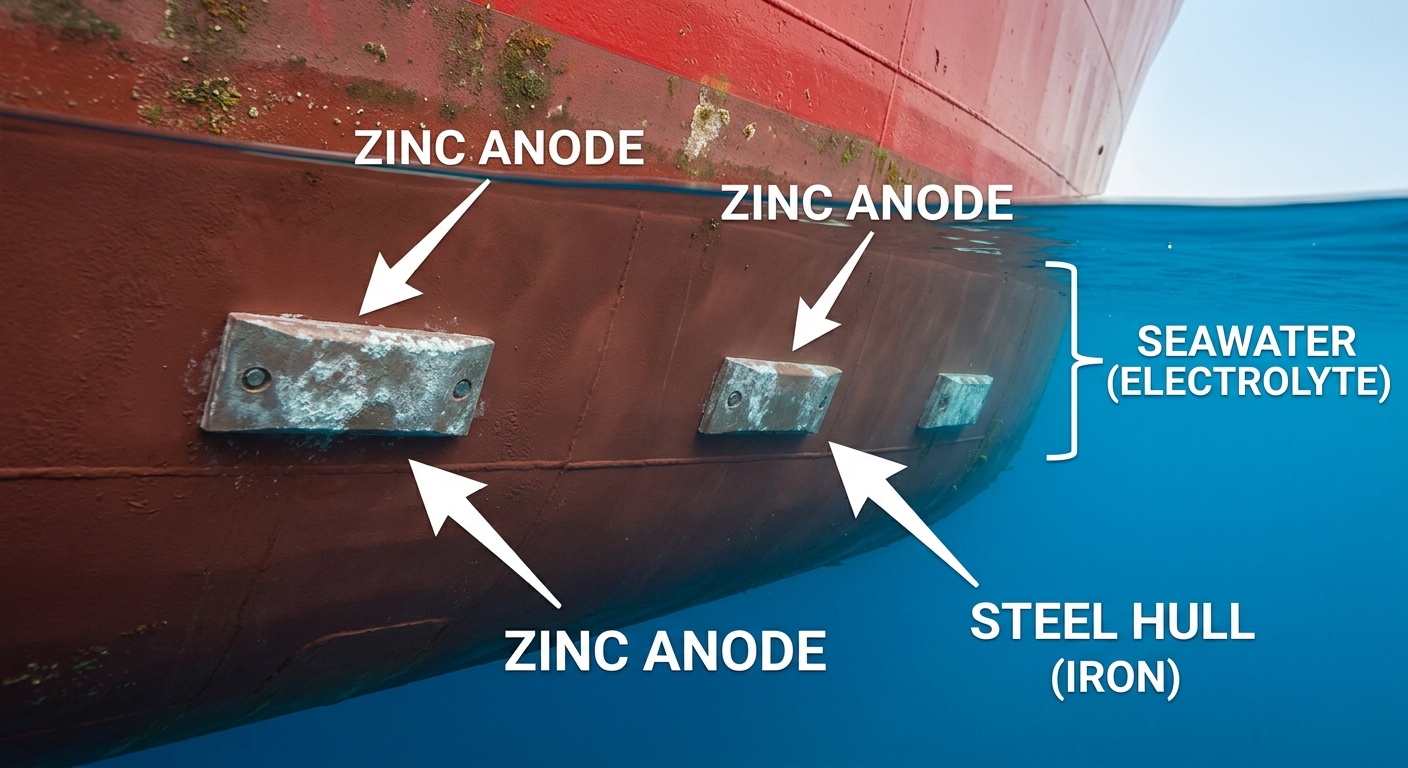
    The photograph shows zinc blocks bolted to the steel hull of a ship below the waterline. Seawater is in contact with both metals.

    (a) Write the half-equation for the change that happens to the zinc. [1]

    (b) Explain, in terms of electrons, why the steel hull does not rust while the zinc blocks remain. [2]
    Diagram for a Redox, electrolysis and cells practice questionPractise this subtopic

Every question, revision note and worksheet for Bonding, Equations and Chemical Reactions — with Premium.

Unlock Full Access