You're viewing free preview questions — 4 questions previewing here — subscribe to unlock 93 more, plus the Full Question Bank, Mock Papers & Worksheets.Upgrade
Ionic Covalent and Metallic Bonding — Free MYP5 Chemistry Practice Questions

1QuestionBond strength, melting points and conductivityConcept Practice
2 marks~3 minCriterion A
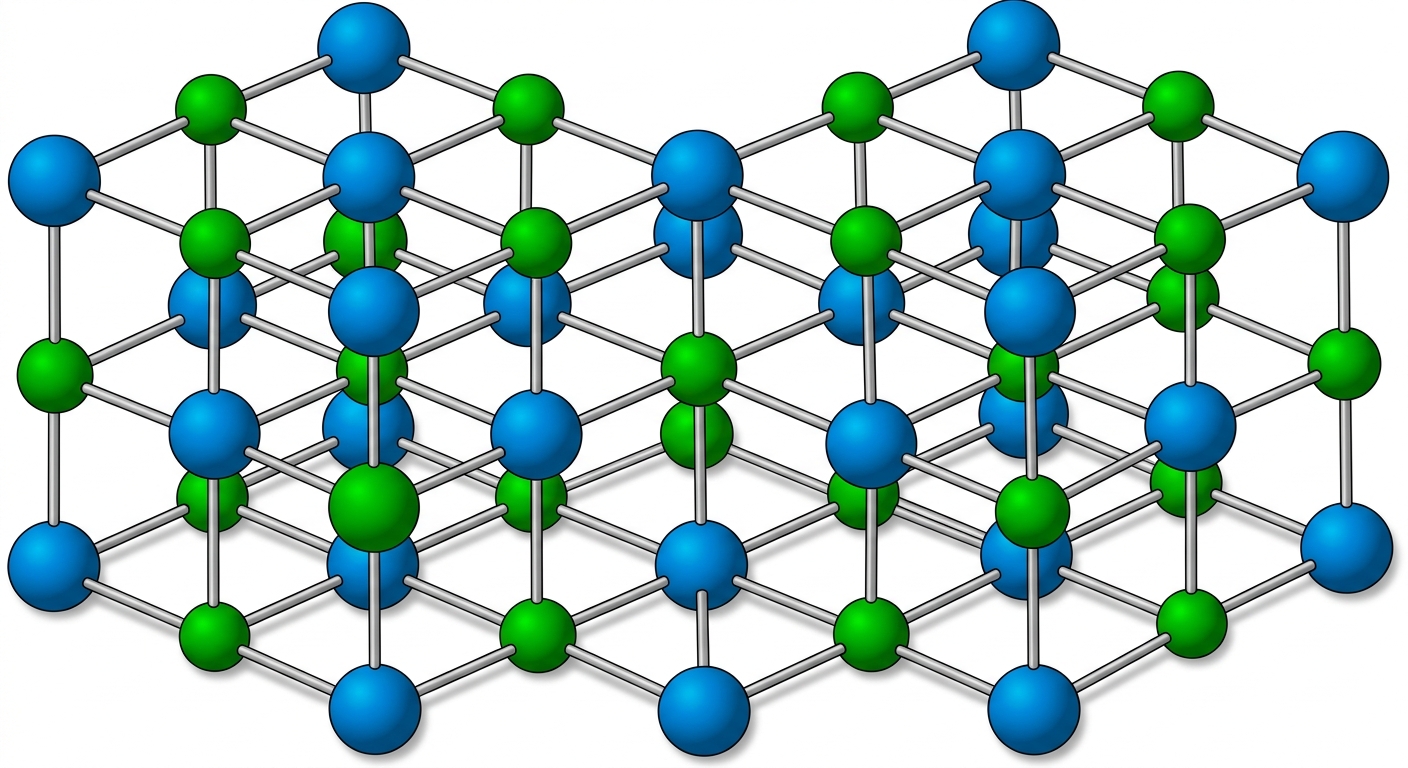
The diagram below shows the three-dimensional lattice structure of sodium chloride (NaCl), with alternating and ions held in a regular arrangement.
a
Identify the type of bonding present in sodium chloride. [1]
b
The melting point of NaCl is 801 °C, while that of iodine (I₂) is 114 °C. Using your knowledge of structure and bonding, deduce why NaCl has a significantly higher melting point than iodine. [1]

Solutions
2QuestionFormation and Diagrams of Covalent BondsAssessment Practice
3 marks~5 minCriterion C
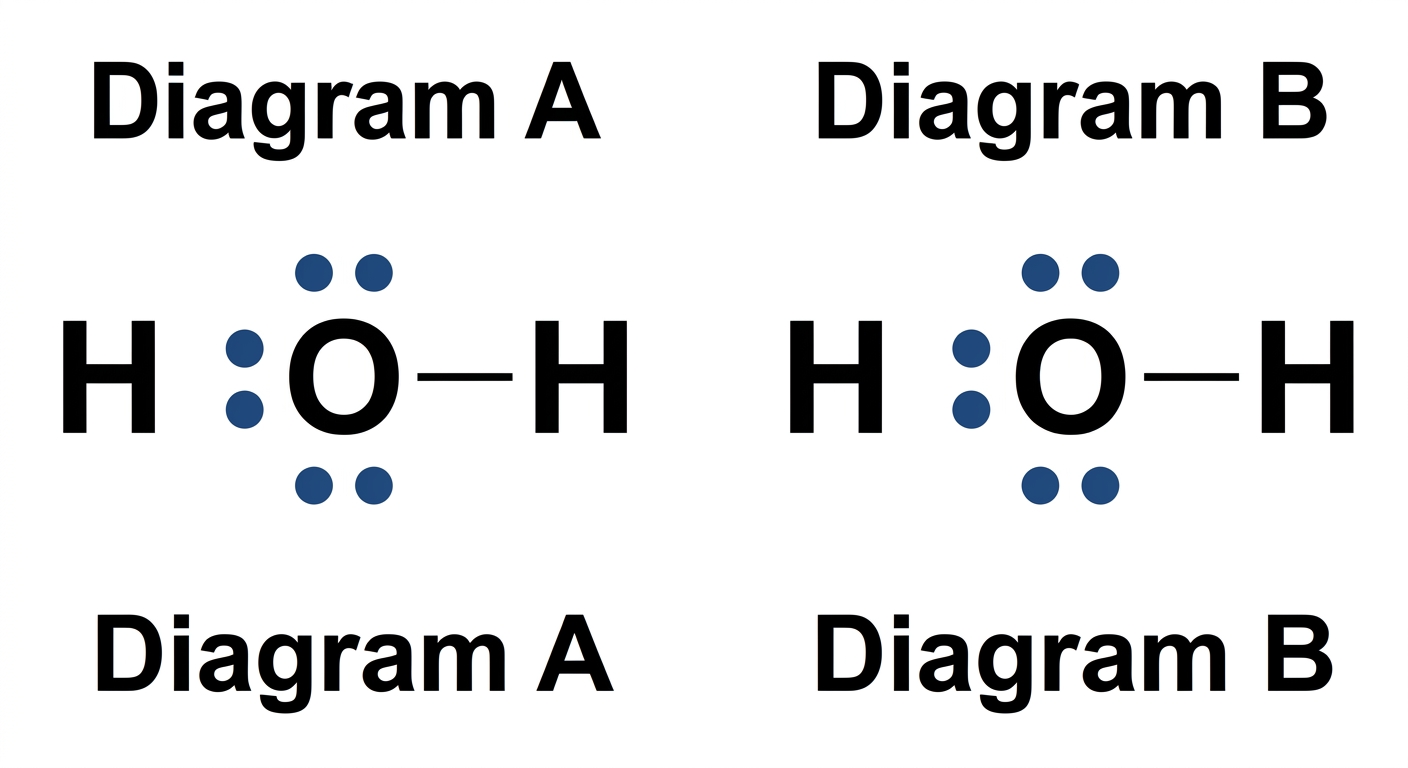
Two electron dot diagrams for a water molecule (HO) are shown below.
Diagram A: HH — oxygen shows 4 electron pairs (8 valence electrons total).
Diagram B: HH — oxygen shows 3 electron pairs (6 valence electrons total).
Diagram A: HH — oxygen shows 4 electron pairs (8 valence electrons total).
Diagram B: HH — oxygen shows 3 electron pairs (6 valence electrons total).
a
Identify which diagram correctly represents HO. [1]
b
Explain why the other diagram violates the octet rule, referring to the electron arrangement around oxygen. [2]
Solutions
3QuestionBond strength, melting points and conductivityAssessment Practice
6 marks~9 minCriterion D
Data
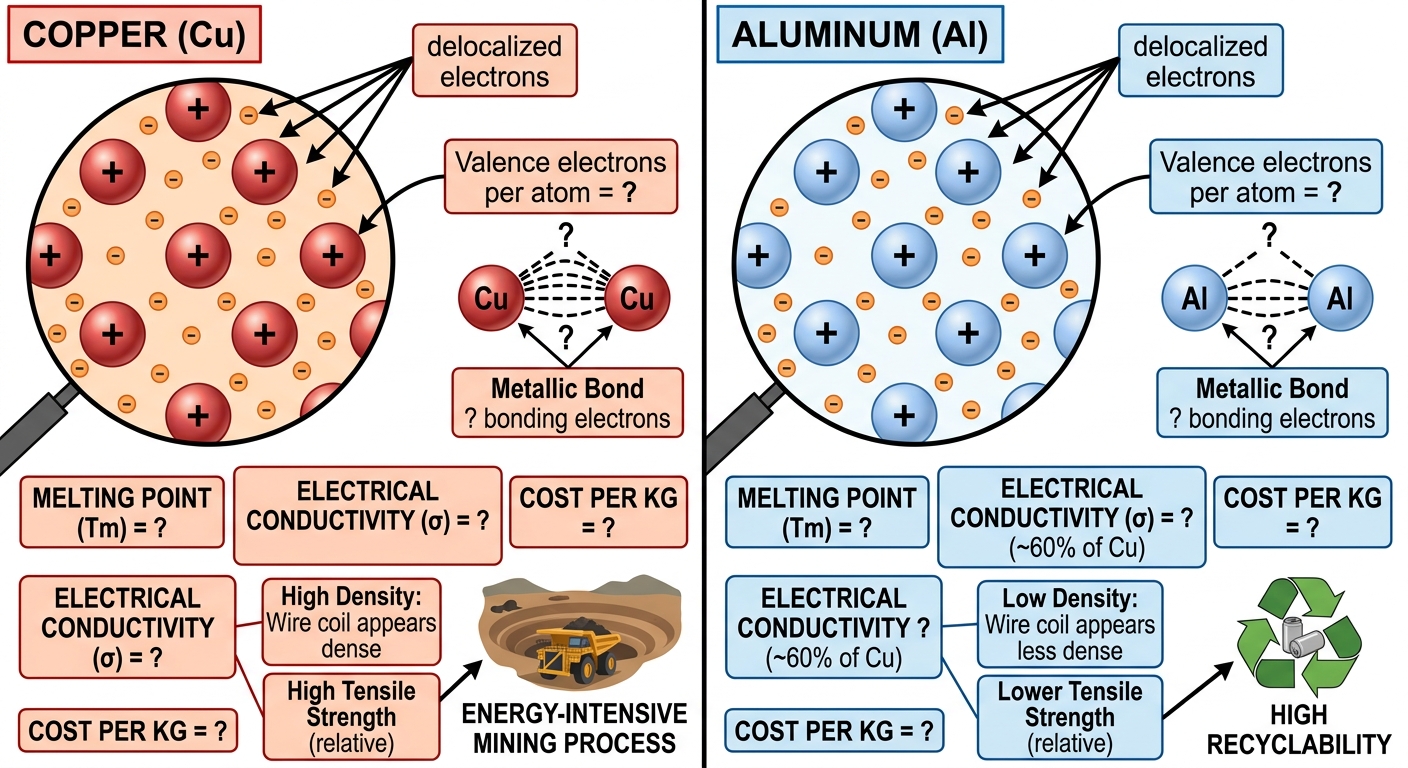
Copper: melting point ; conductivityAluminium: melting point ; conductivity (approximately 60\% of copper's value)
Copper is denser and more expensive to mine; aluminium is lighter and cheaper but requires large amounts of electricity to refine from bauxite ore.
A city council is choosing between copper and aluminium for new power transmission lines. Engineers record the following
a
Explain how metallic bond strength accounts for the difference in melting points between copper and aluminium. [2]
b
Discuss one societal benefit and one environmental drawback for each metal as a transmission-line material. [2]
c
Evaluate the limitations of using only melting point and conductivity data to decide which metal the council should choose. [2]
Solutions
4QuestionFormation and Diagrams of Covalent BondsAssessment Practice
3 marks~5 minCriterion B
The table below shows bond lengths and bond energies for four covalent bonds.
| Bond | H–H | H–F | H–Cl | H–Br |
|---|---|---|---|---|
| Bond length (pm) | 74 | 92 | 127 | 141 |
| Bond energy (kJ mol) | 436 | 569 | 431 | 366 |
a
Describe the general relationship between bond length and bond energy shown by the data. [1]
b
Explain this relationship in terms of electron cloud overlap. [1]
c
The H–F bond does not follow the general trend. Analyse why H–F has a higher bond energy than H–H, despite being only slightly shorter. [1]
Solutions
That's every free question here — 4 of 97.
+93 more questions, plus Mock Papers & Worksheets, are waiting in Premium.