Real Number System and Classifications — Free MYP5 Mathematics (Standard) Practice Questions

1QuestionNumber Line Representation of Real NumbersConcept Practice
2 marks~3 minCriterion D
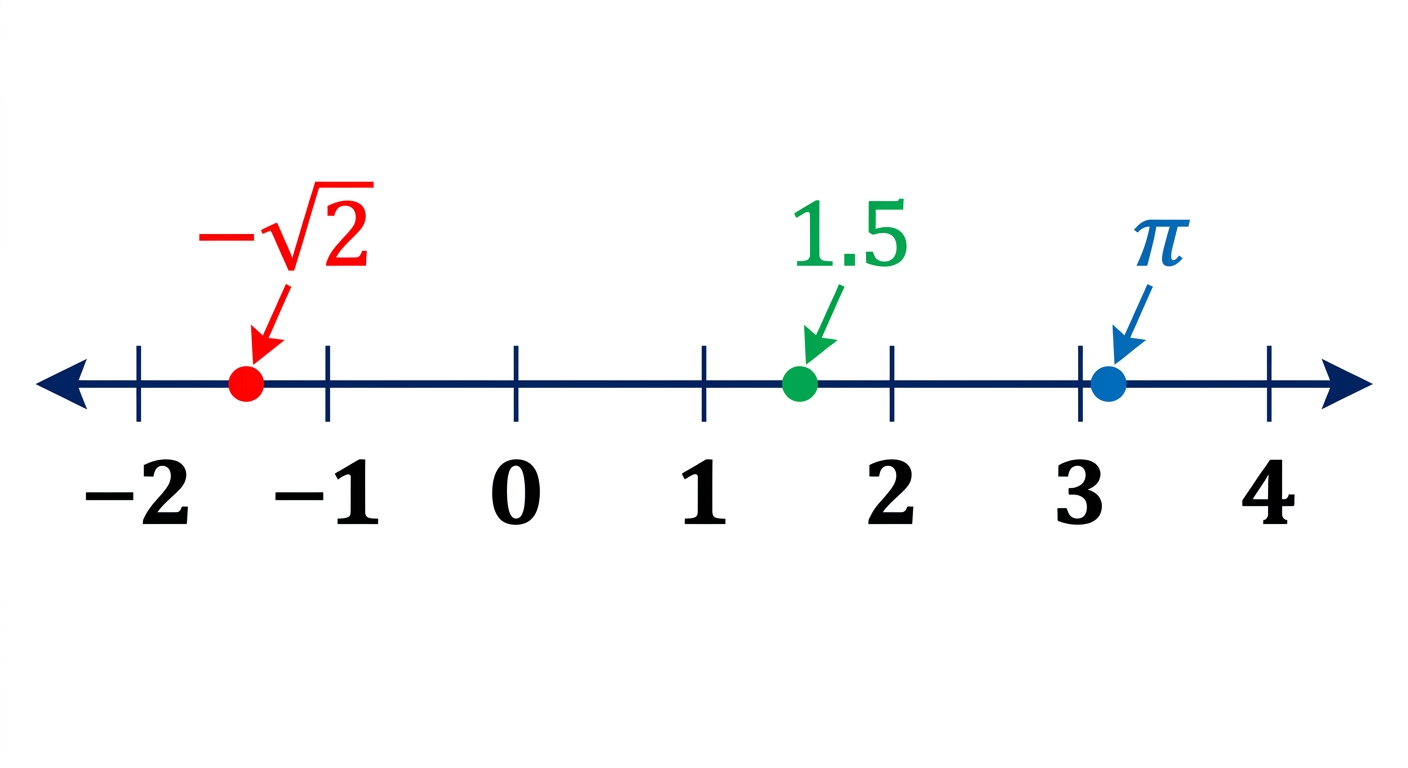
A structural engineer checks whether three cable tension values — kN (compression, modelled as negative), kN, and kN — fall within a safe operating range of kN to kN.
a
Construct a number line and plot all three values, using decimal approximations accurate to two decimal places. [1]
b
Using your number line, justify whether all three tension values lie within the safe operating range, supporting your answer with a compound inequality. [1]

Solutions
2QuestionClassifying Rational and Irrational NumbersAssessment Practice
2 marks~3 minCriterion A
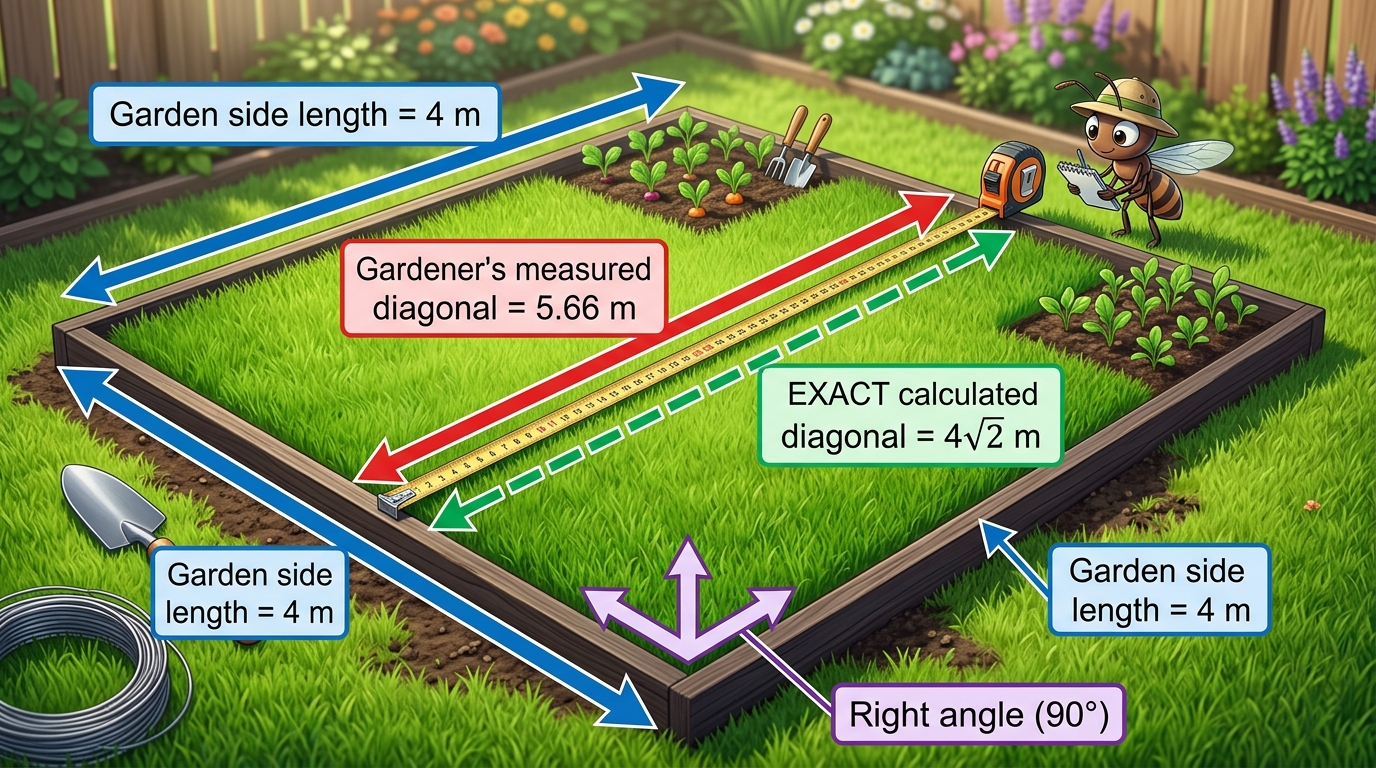
A gardener calculates the exact diagonal of a square garden with side length 4 m as m. A measuring tape gives a reading of 5.66 m.
a
Explain why is irrational and 5.66 is rational, and why the measured value can only ever be a rational approximation of the exact diagonal. [1]
b
Justify whether replacing the exact diagonal with the measured approximation would affect the length of fencing needed for the garden's perimeter. [1]
Solutions
3QuestionNumber Line Representation of Real NumbersConcept Practice
2 marks~3 minCriterion A
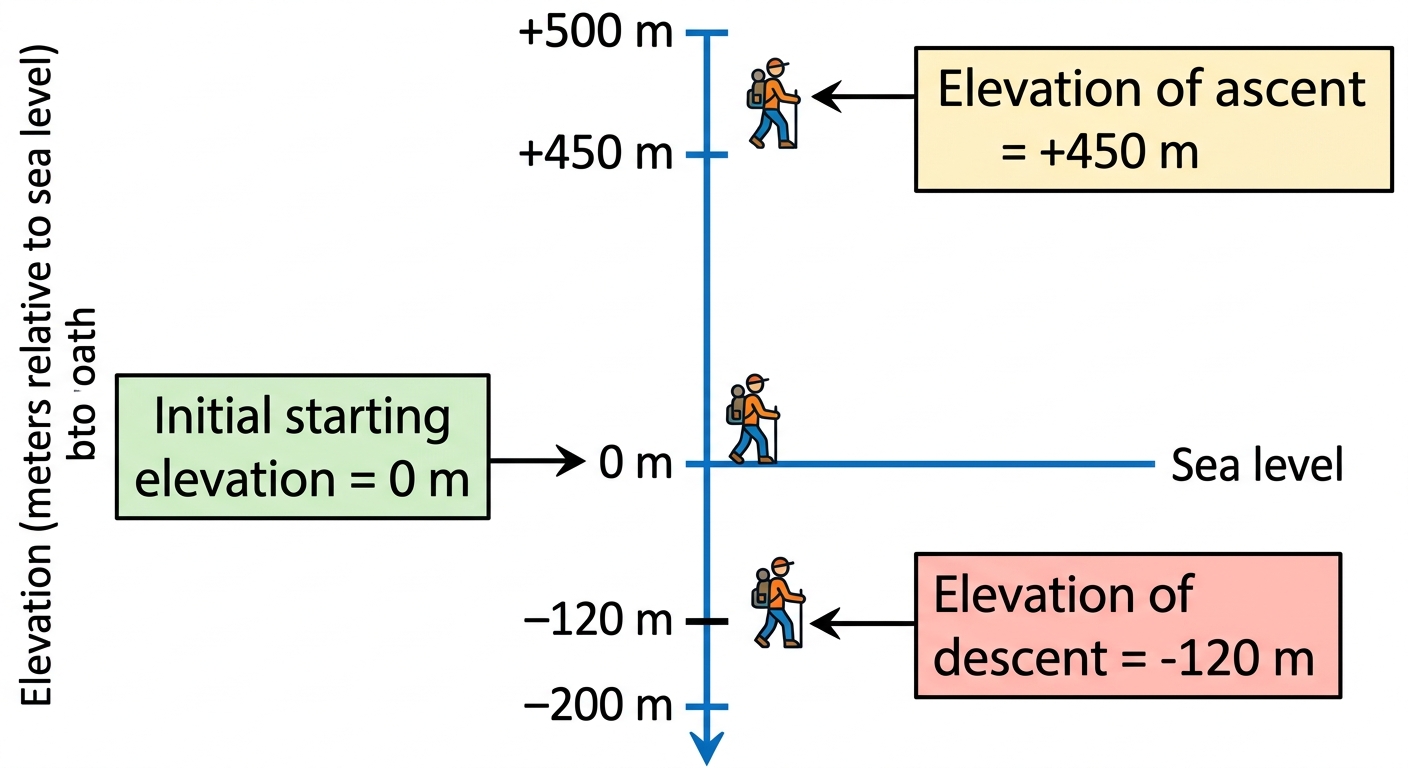
A hiker starts at sea level ( m), ascends to a peak at m, then descends to a valley at m.
a
On the number line below, plot the three elevations m, m, and m. Calculate the total vertical distance traveled by the hiker. [1]
b
The hiker's support team dispatches a rescue vehicle only if the hiker's displacement from sea level exceeds m. The hiker's final position is m. Advise the support team whether the rescue vehicle should be dispatched, justifying your answer using the hiker's displacement. [1]
Solutions
4QuestionUnderstanding Integers Fractions and DecimalsAssessment Practice
2 marks~3 minCriterion D
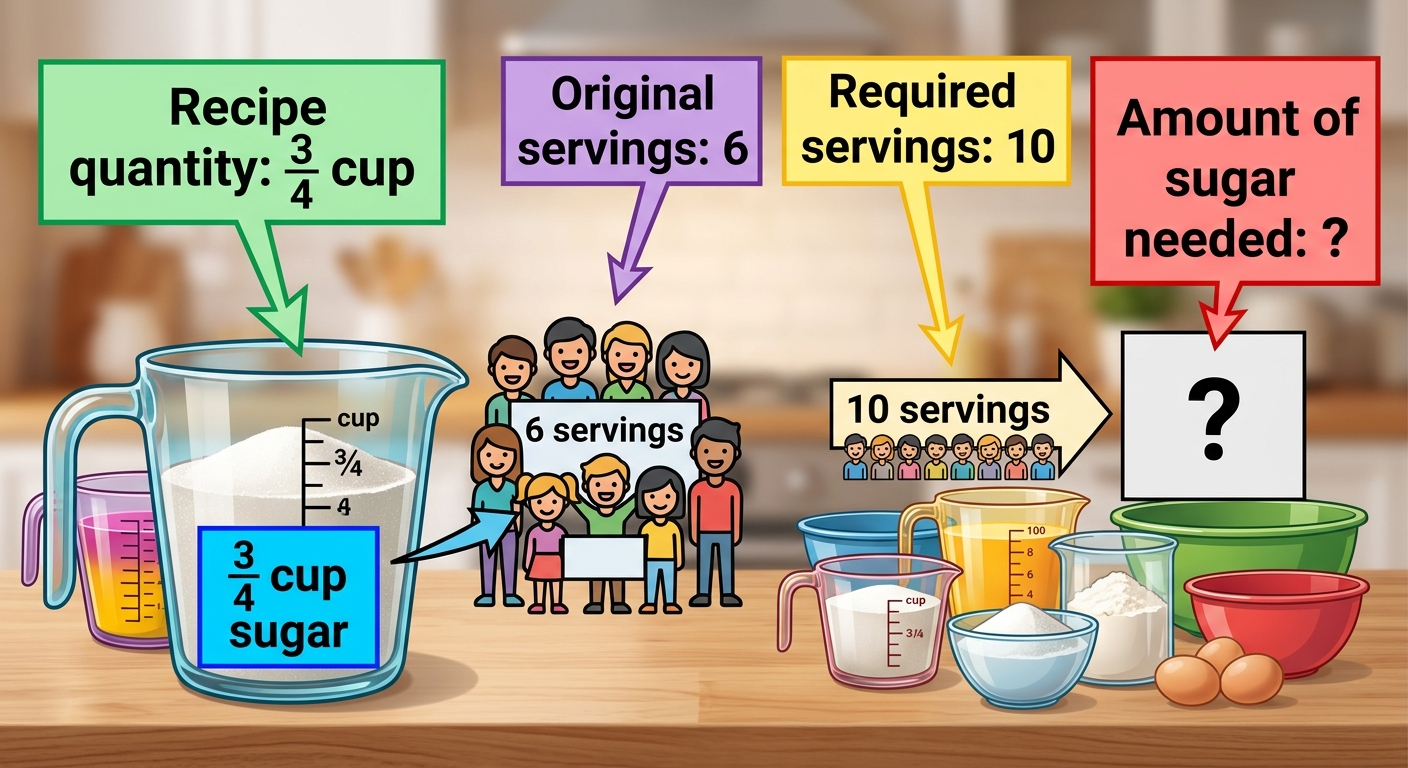
A nutritionist's energy bar recipe requires cup of oats per batch of 6 bars. A gym supplier orders 10 bars.
a
Show that the adjusted quantity of oats needed for 10 bars is 1.25 cups. [1]
b
Standard measuring cups are marked in fractional increments: , , , and 1 cup. Justify whether 1.25 cups can be measured exactly using these tools, and assess what this means for the reliability of the scaled recipe. [1]
Solutions
5QuestionSet Notation and Venn Diagrams for Number SetsConcept Practice
2 marks~3 minCriterion A
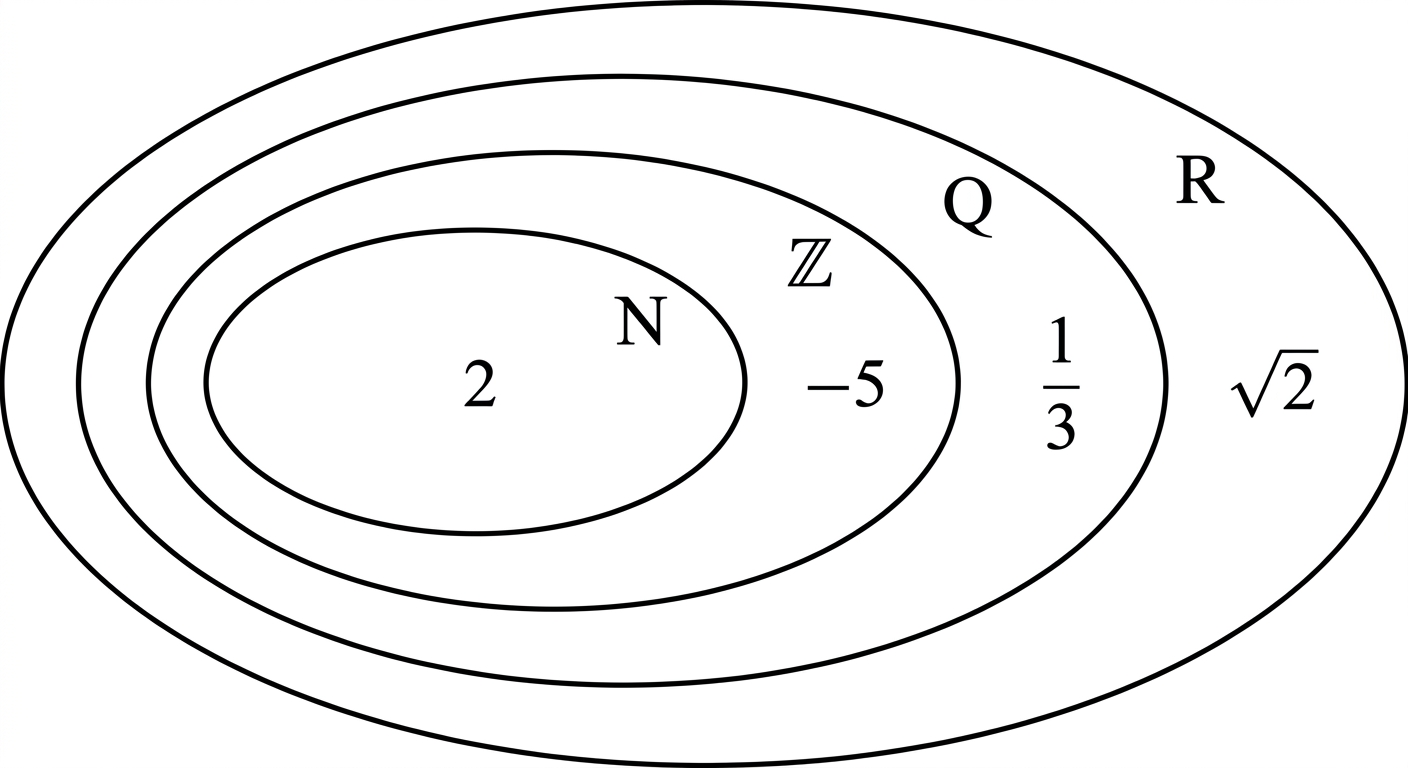
The Venn diagram shows the four numbers placed within the nested sets .
Identify the elements that belong to but not to . Write your answer in set notation. [2]
Identify the elements that belong to but not to . Write your answer in set notation. [2]
Solutions
6QuestionSet Notation and Venn Diagrams for Number SetsAssessment Practice
2 marks~3 minCriterion C
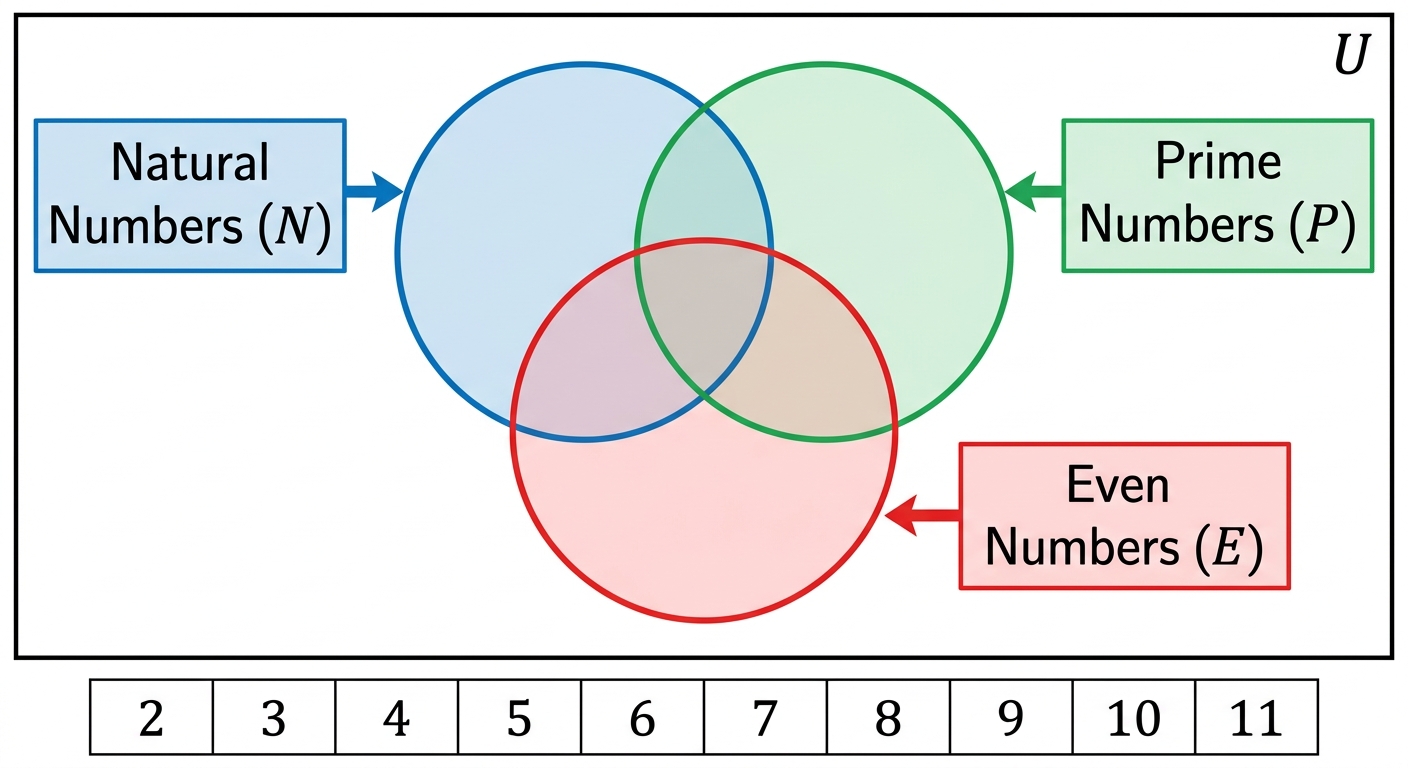
A school assigns jersey numbers from the set . A sports coordinator uses a Venn diagram with three overlapping circles to classify these numbers into natural numbers , prime numbers , and even numbers .
a
Explain one real-world situation, different from jersey numbers, in which a Venn diagram is used to classify items into overlapping categories. [1]
b
The number 2 belongs to both and . Justify whether placing 2 in the intersection of and accurately communicates its full membership in both sets to a student unfamiliar with set notation. [1]
Solutions
7QuestionNumber Line Representation of Real NumbersConcept Practice
2 marks~3 minCriterion A
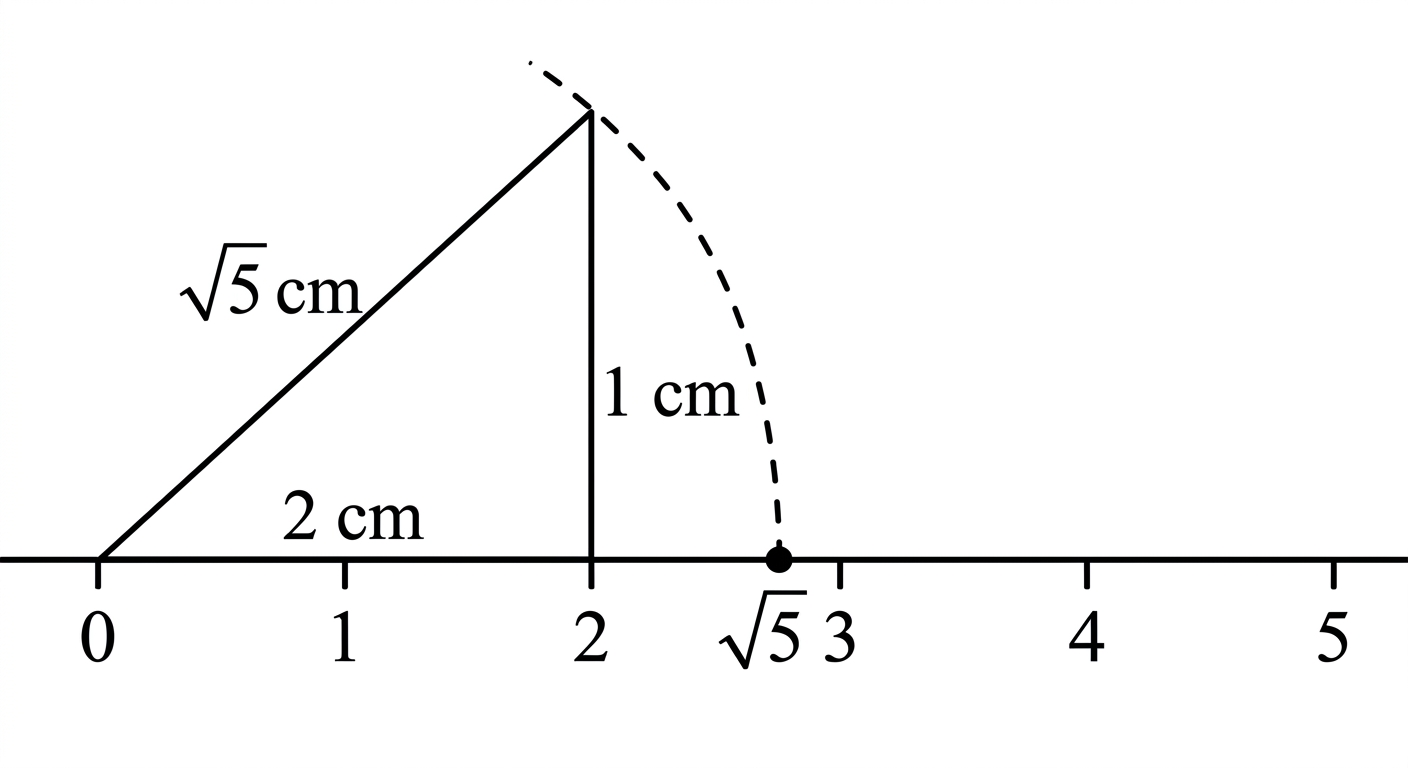
A carpenter needs to mark a length of cm on a straight beam. She constructs a right triangle with legs of 2 cm and 1 cm, then uses a compass to transfer the hypotenuse length onto a number line scaled in centimetres.
a
Show that the hypotenuse of the triangle equals cm. [1]
b
Deduce between which two consecutive integers lies, and justify whether the carpenter's marked length is closer to the 2 cm or 3 cm graduation. [1]
Solutions
8QuestionSet Notation and Venn Diagrams for Number SetsAssessment Practice
4 marks~6 minCriterion A
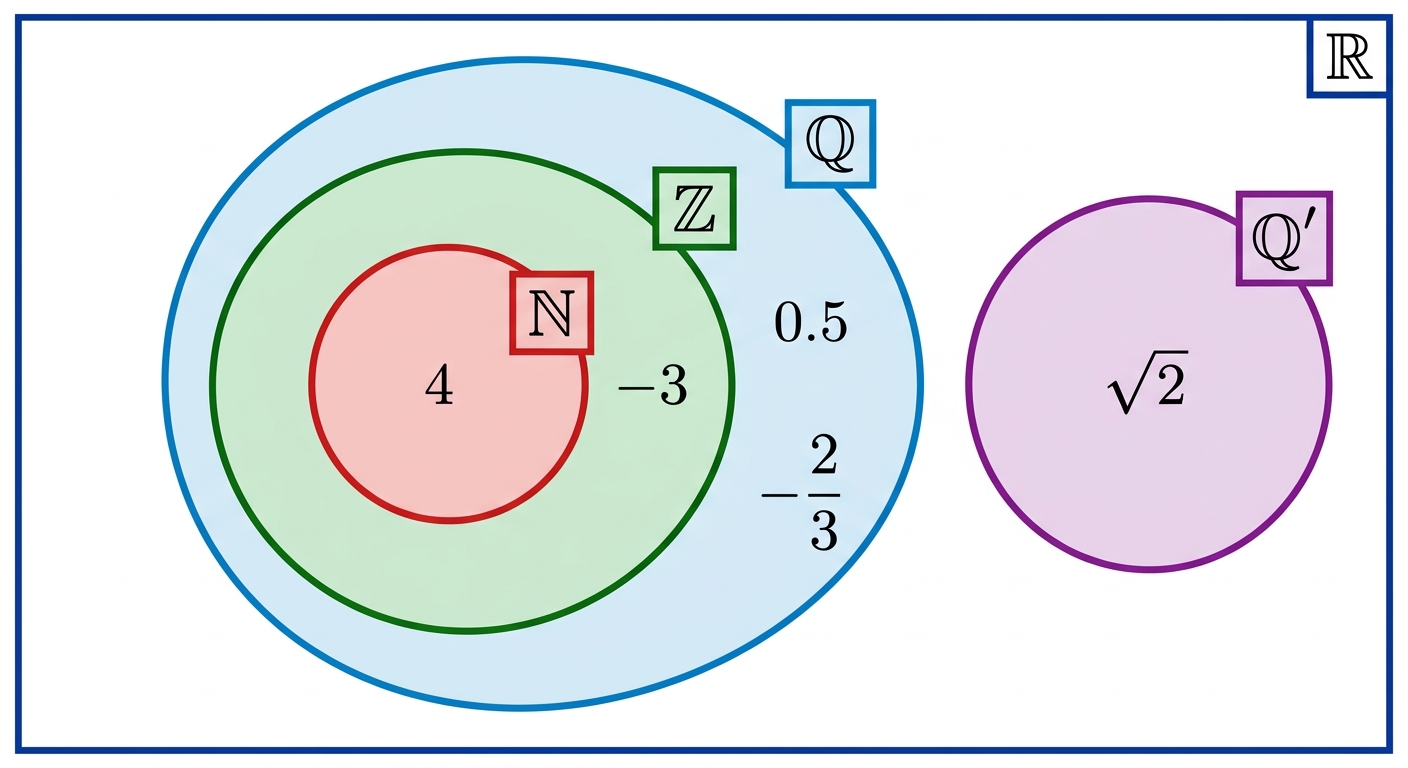
A hospital database stores patient measurements. Five values are recorded:
The Venn diagram shows the universal set , with nested subsets , and the disjoint region . Each value is placed in its correct region.
The Venn diagram shows the universal set , with nested subsets , and the disjoint region . Each value is placed in its correct region.
a
State the meaning of the set . [1]
b
List all elements from the diagram that belong to , writing your answer in correct set notation. [1]
c
A database filter accepts only values satisfying . Justify whether each recorded value passes or fails the filter, referring to the number classifications shown in the Venn diagram. [2]
Solutions
9QuestionUnderstanding Integers Fractions and DecimalsConcept Practice
3 marks~5 minCriterion A
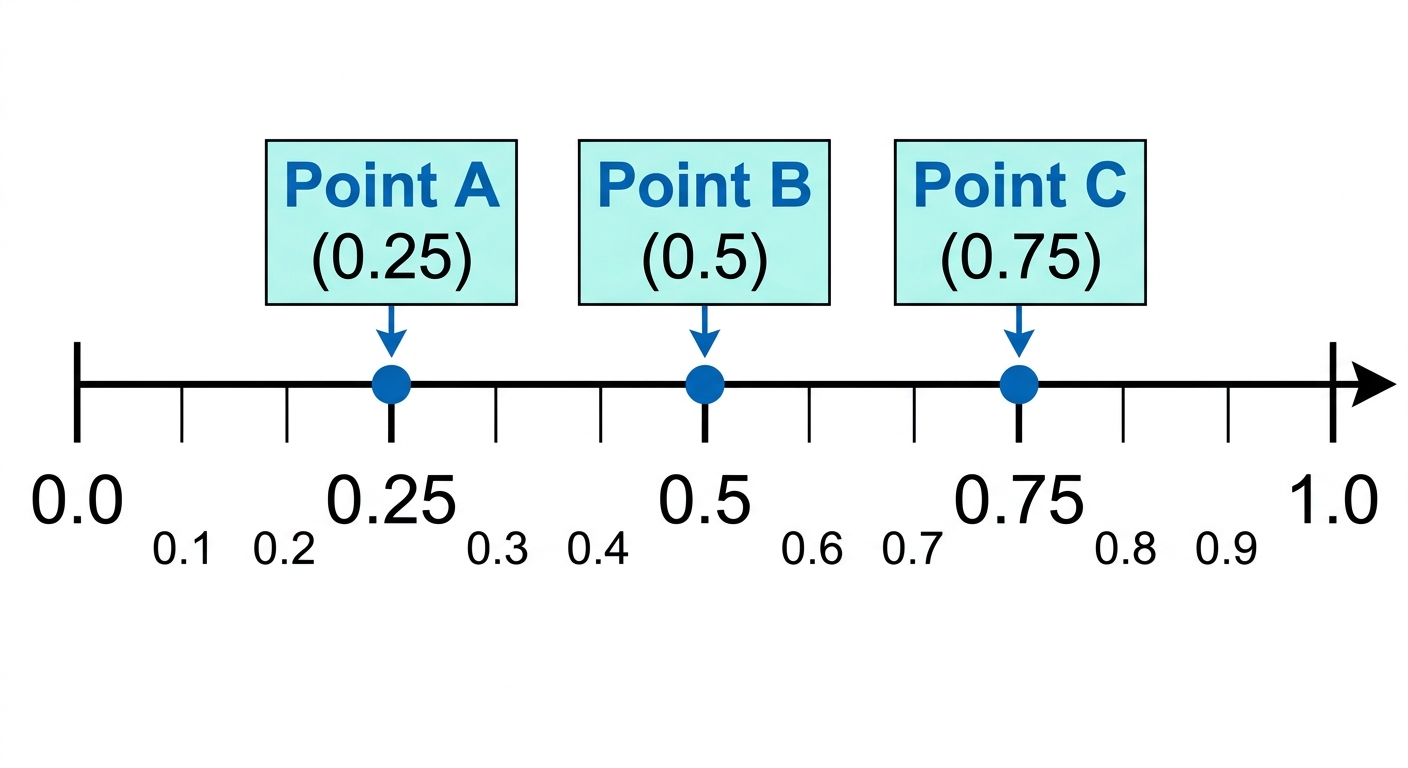
A pharmacist measures three liquid volumes as fractions of a 1-litre bottle. The number line below shows the fill levels A, B, and C.
Point A is at 0.25 litres, point B at 0.5 litres, and point C at 0.75 litres.
Point A is at 0.25 litres, point B at 0.5 litres, and point C at 0.75 litres.
a
Deduce the fraction of the bottle represented by point A, expressing your answer in simplest form. [1]
b
Justify why points A and C together fill exactly one complete bottle. [1]
c
The pharmacist states: "Any two of these three volumes can be combined to fill at least three-quarters of the bottle." Assess this claim by calculating all possible two-point combinations. [1]
Solutions
10QuestionUnderstanding Integers Fractions and DecimalsAssessment Practice
4 marks~6 minCriterion D
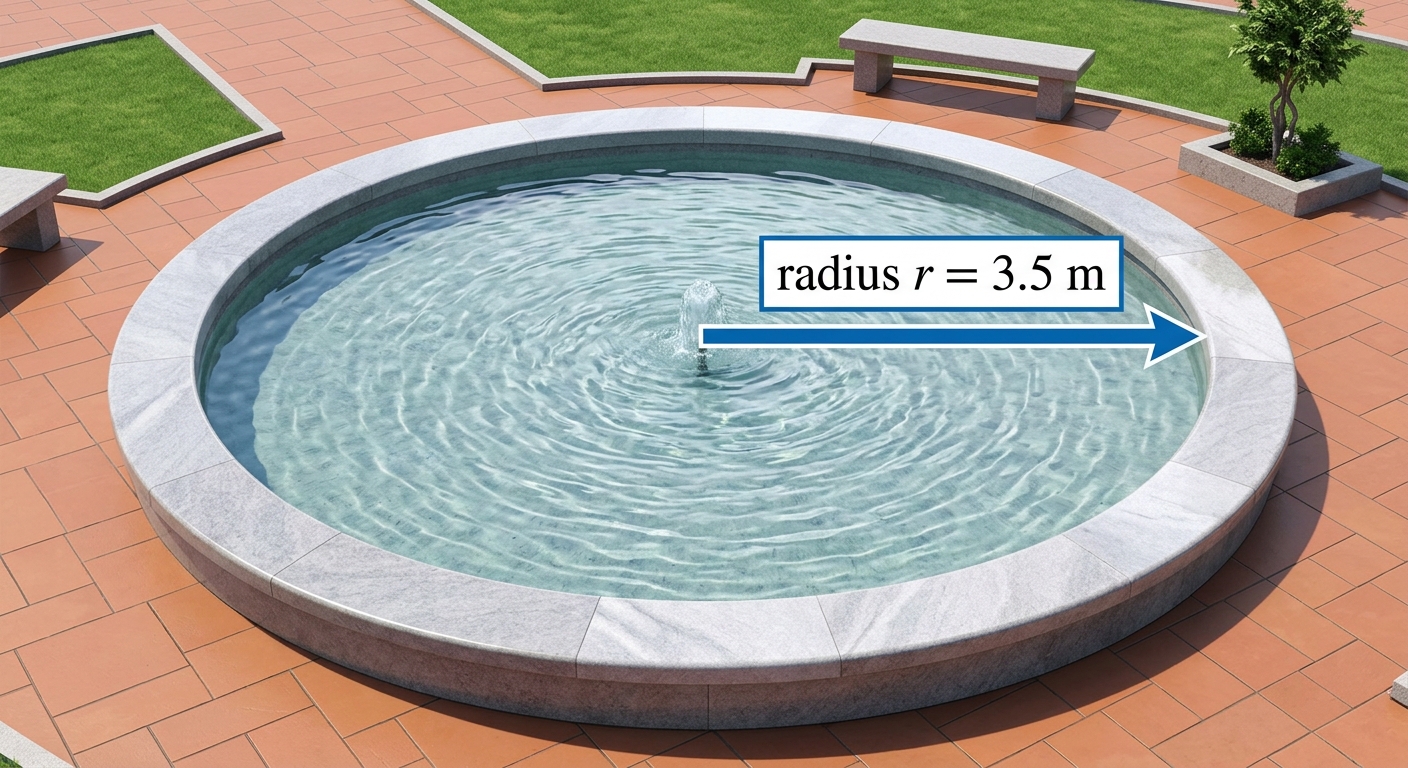
A civil engineer designs a circular fountain with a radius of m. To estimate the area of the base, she uses the rational approximation .
a
Calculate the area of the fountain's base using . Give your answer in m. [2]
b
The engineer's supplier sells concrete in whole m units only. Using , calculate the more precise area, then advise the engineer whether the approximation is sufficient for placing her concrete order. [2]
Solutions
11QuestionClassifying Rational and Irrational NumbersConcept Practice
4 marks~6 minCriterion A
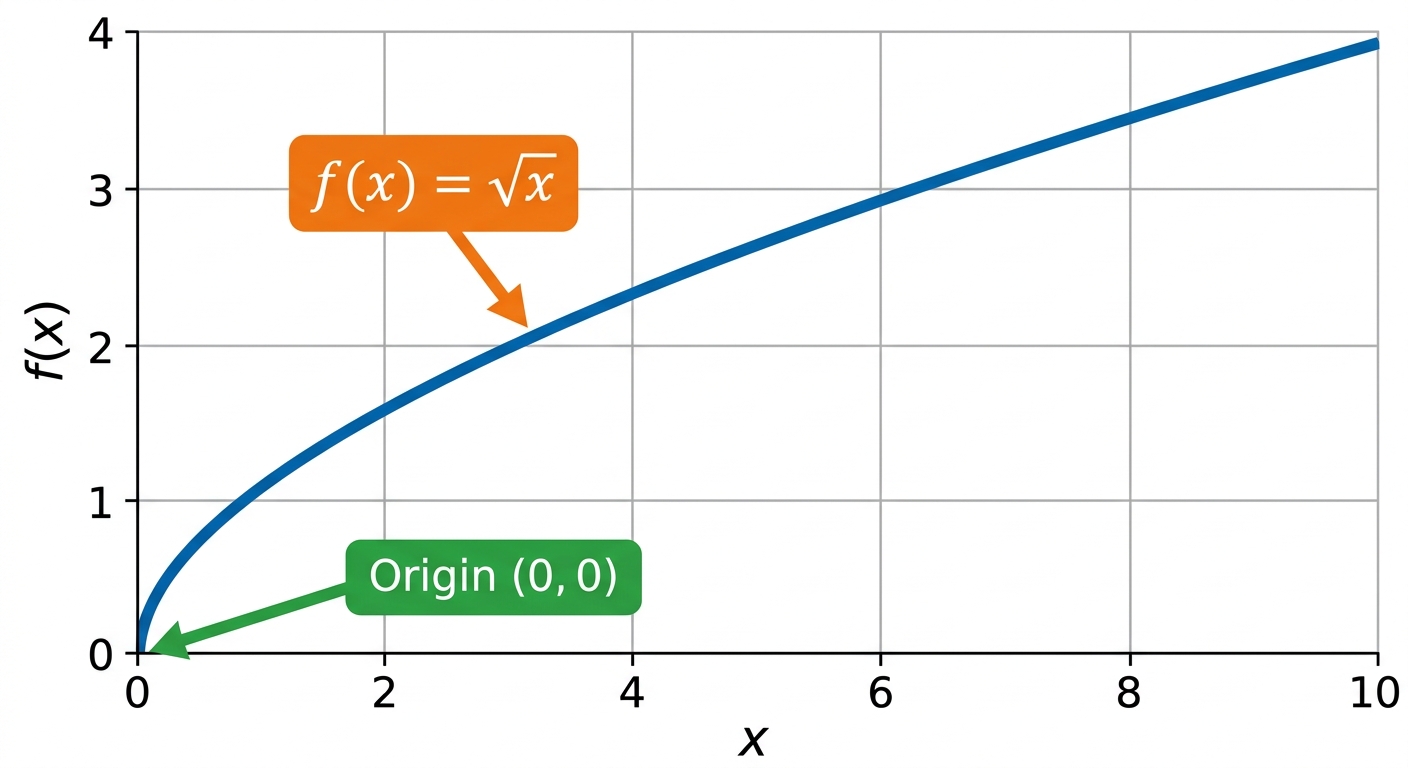
A structural engineer models the natural frequency of a suspension bridge cable using the function , where represents cable tension measured in kilonewtons (kN).
The engineer notes that only rational frequency values allow synchronisation with the bridge's monitoring system.
The engineer notes that only rational frequency values allow synchronisation with the bridge's monitoring system.
a
State the definition of a rational number. [1]
b
Explain why produces an irrational value for most positive values of . [1]
c
Identify two values of for which is rational, and justify whether the engineer can always find a suitable tension value. [2]
Solutions
12QuestionComparing and Ordering Real NumbersAssessment Practice
4 marks~6 minCriterion D
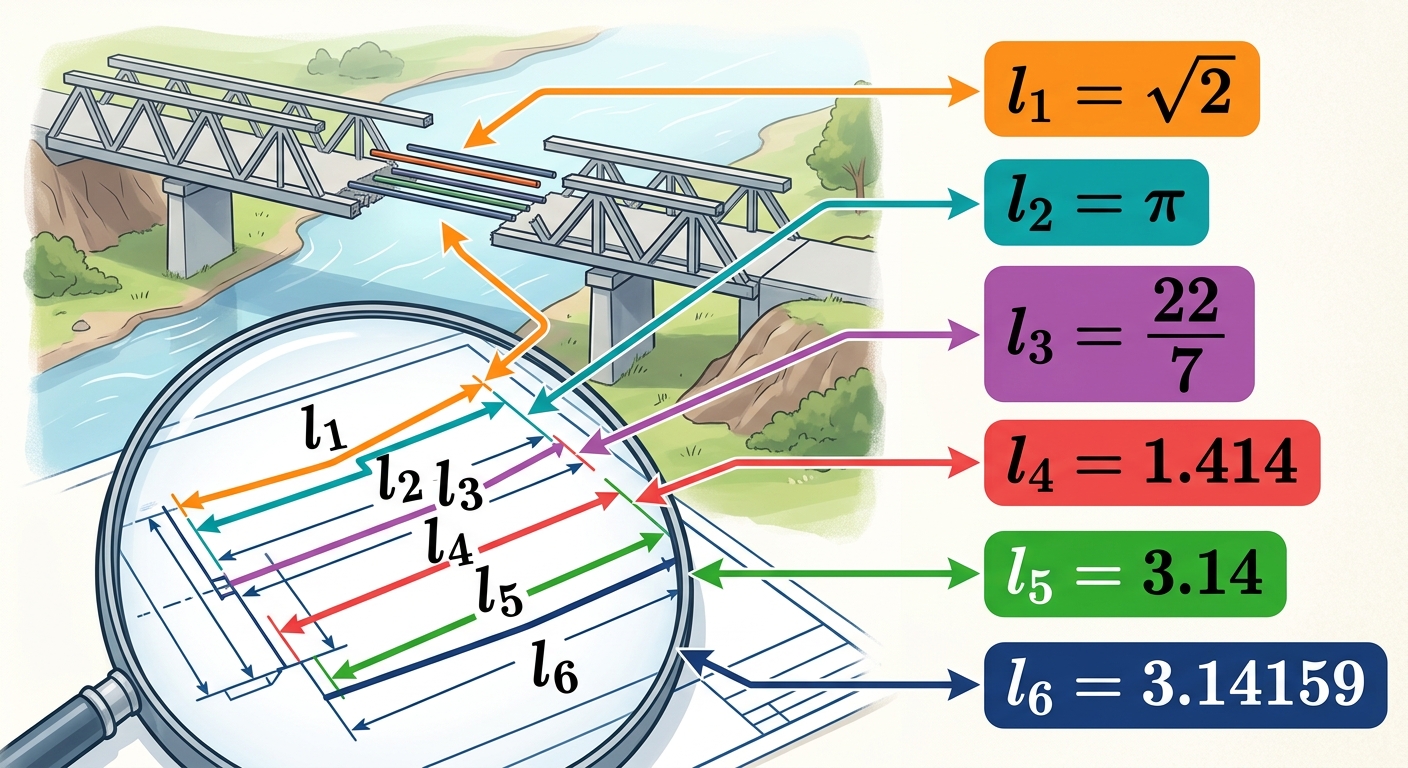
An engineer is ordering six steel rods for a bridge. Their lengths, in metres, are:
The engineer approximates and when placing the order.
The engineer approximates and when placing the order.
a
Arrange through in ascending order, showing the decimal values used to justify your ordering. [2]
b
Advise the engineer whether these approximations are sufficiently precise for safe use in bridge construction, referring to specific pairs of values whose ordering is affected and to the structural consequence of any error. [2]
Solutions
13QuestionComparing and Ordering Real NumbersConcept Practice
4 marks~6 minCriterion A
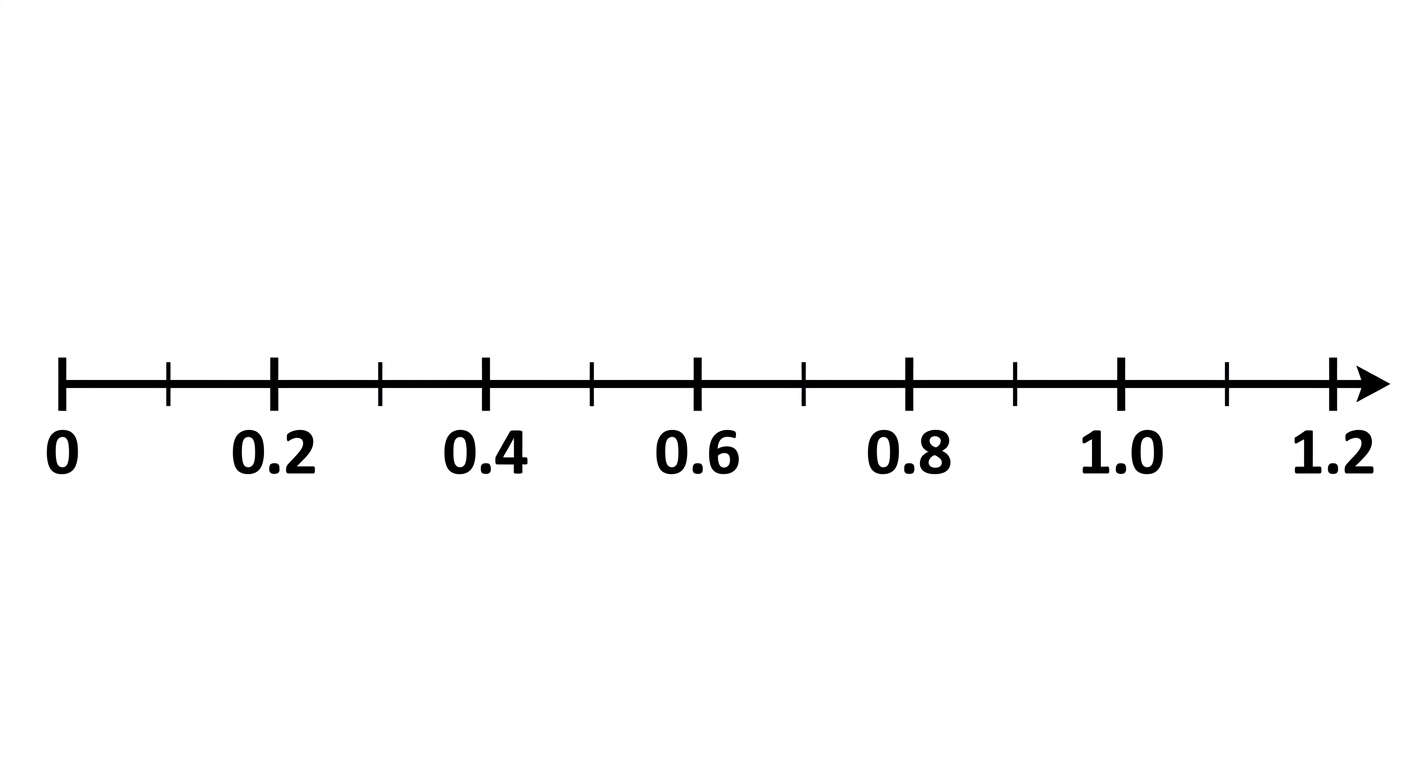
A sound engineer checks whether five audio gain ratios all fall within the "safe zone" of a mixing desk, defined as values strictly between and .
The five ratios are: , , , ,
The five ratios are: , , , ,
a
Convert each ratio to decimal form, rounding to three decimal places where necessary. [1]
b
List the five ratios in order from least to greatest. [1]
c
The safe zone is the open interval . Advise the engineer whether any gain settings require adjustment, justifying your answer using the decimal values from parts (a) and (b). [2]
Solutions
14QuestionNumber Line Representation of Real NumbersAssessment Practice
5 marks~8 minCriterion D
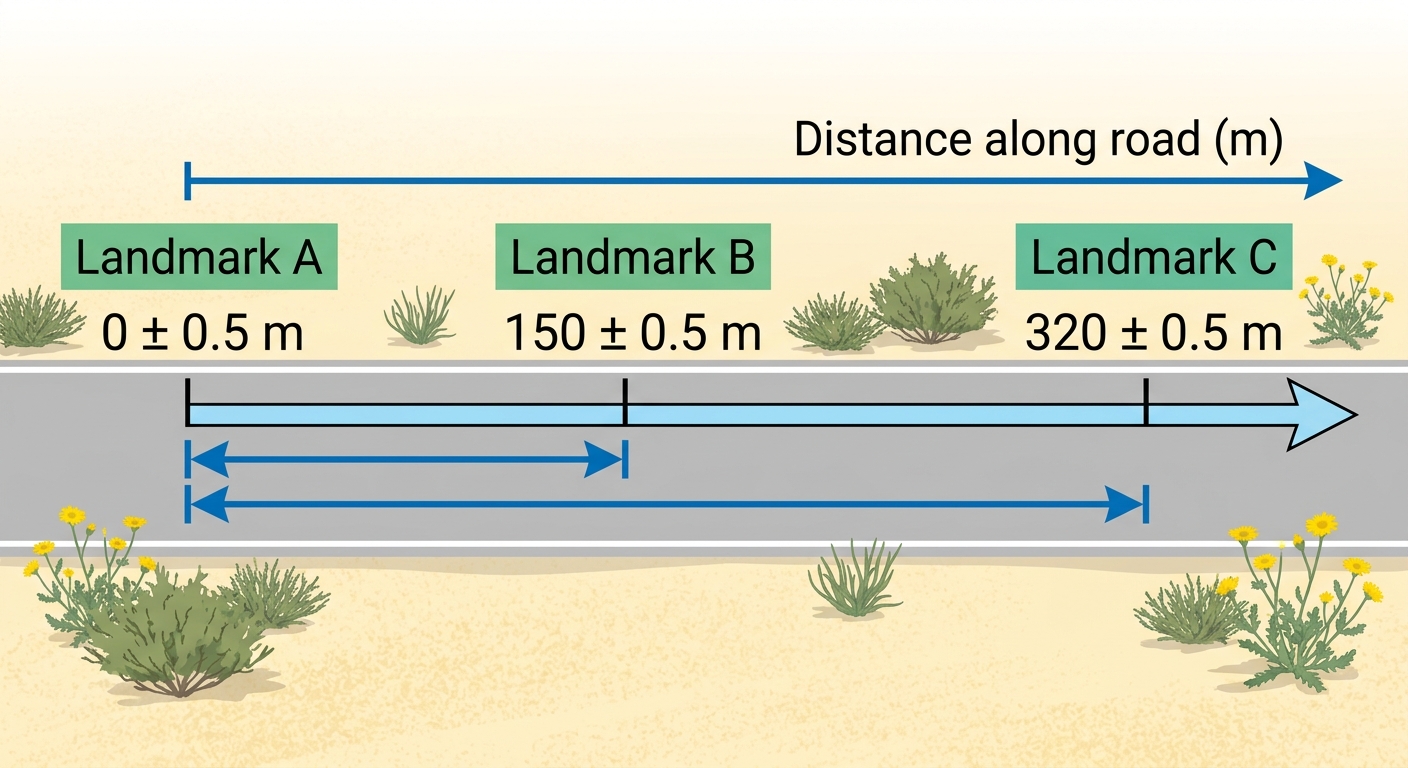
A surveyor models distances between landmarks along a straight road using a number line. Three landmarks are positioned at m, m, and m. Each field measurement has a possible error of m.
a
Show that the distance between the first and second landmarks is m, and calculate the distance between the first and third landmarks. [1]
b
Determine the range of possible true values for each distance calculated in part (a), given the measurement error. Show your working. [2]
c
Advise the project engineer whether this number line model is suitable for a construction project requiring precision within m. [2]
Solutions
15QuestionUnderstanding Integers Fractions and DecimalsConcept Practice
2 marks~3 minCriterion A
A recipe requires of a cup of olive oil per serving.
a
Show that . [1]
b
A cook has exactly of a cup of olive oil remaining. Justify whether this is sufficient for one serving, using fractions. [1]
Solutions
16QuestionSet Notation and Venn Diagrams for Number SetsAssessment Practice
6 marks~9 minCriterion C
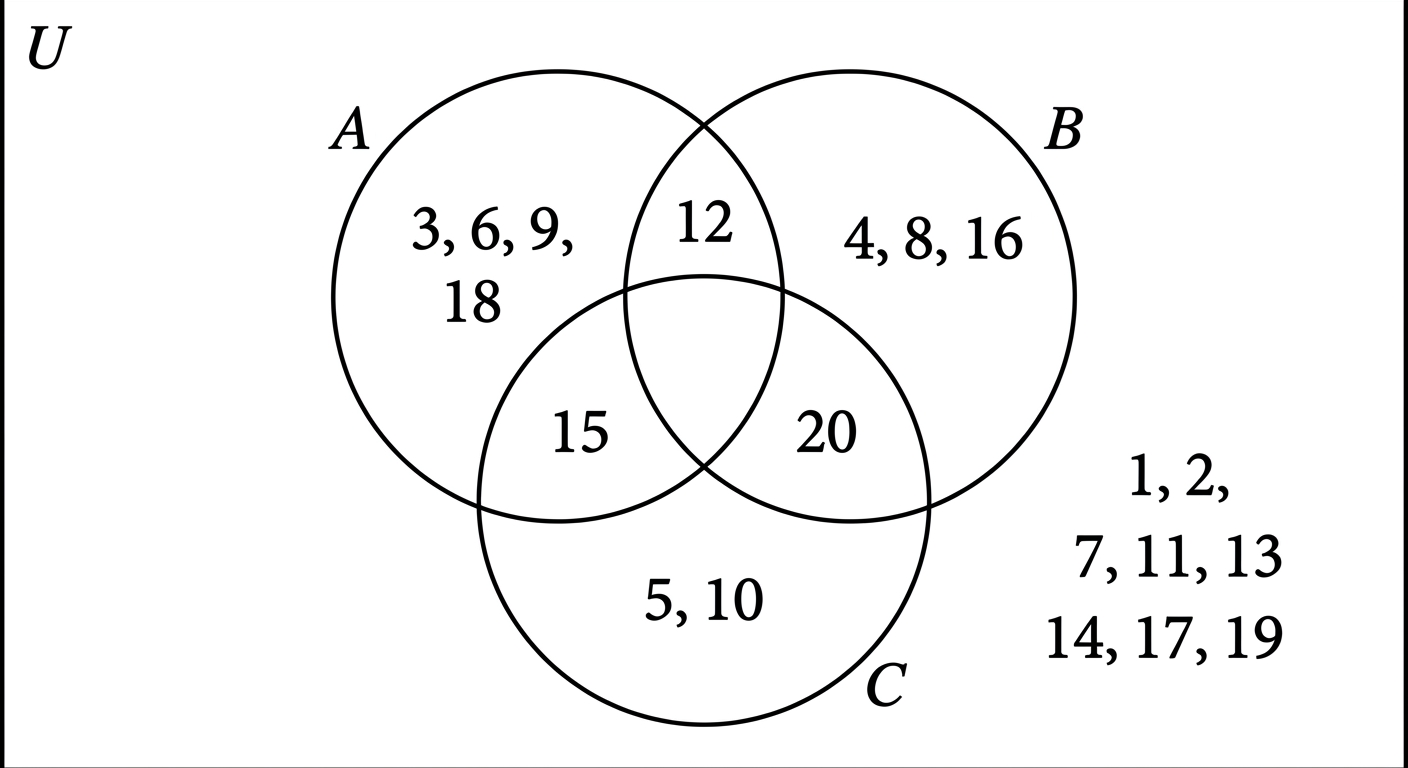
A city planner categorises the integers from 1 to 20 as potential plot numbers. The universal set is . Plot numbers divisible by 3 are zoned for residential use (set ), those divisible by 4 for commercial use (set ), and those divisible by 5 for green space (set ).
a
Construct a fully labelled three-set Venn diagram showing all elements of placed in their correct regions. [2]
b
Deduce and , showing your method for each. [2]
c
Determine and advise the planner whether the statement "Fewer than half of all residential or commercial plots are free from green-space zoning" is correct, justifying your advice with numerical evidence. [2]
Solutions
17QuestionComparing and Ordering Real NumbersConcept Practice
2 marks~3 minCriterion A
A structural engineer checks whether five load factors used in a safety calculation fall within a critical design range. The five load factors are:
a
Convert all five load factors to decimal form, accurate to two decimal places. [1]
b
Using your values from part (a), arrange the five load factors in ascending order and justify whether the two largest load factors both exceed . [1]
Solutions
18QuestionSet Notation and Venn Diagrams for Number SetsAssessment Practice
6 marks~9 minCriterion D
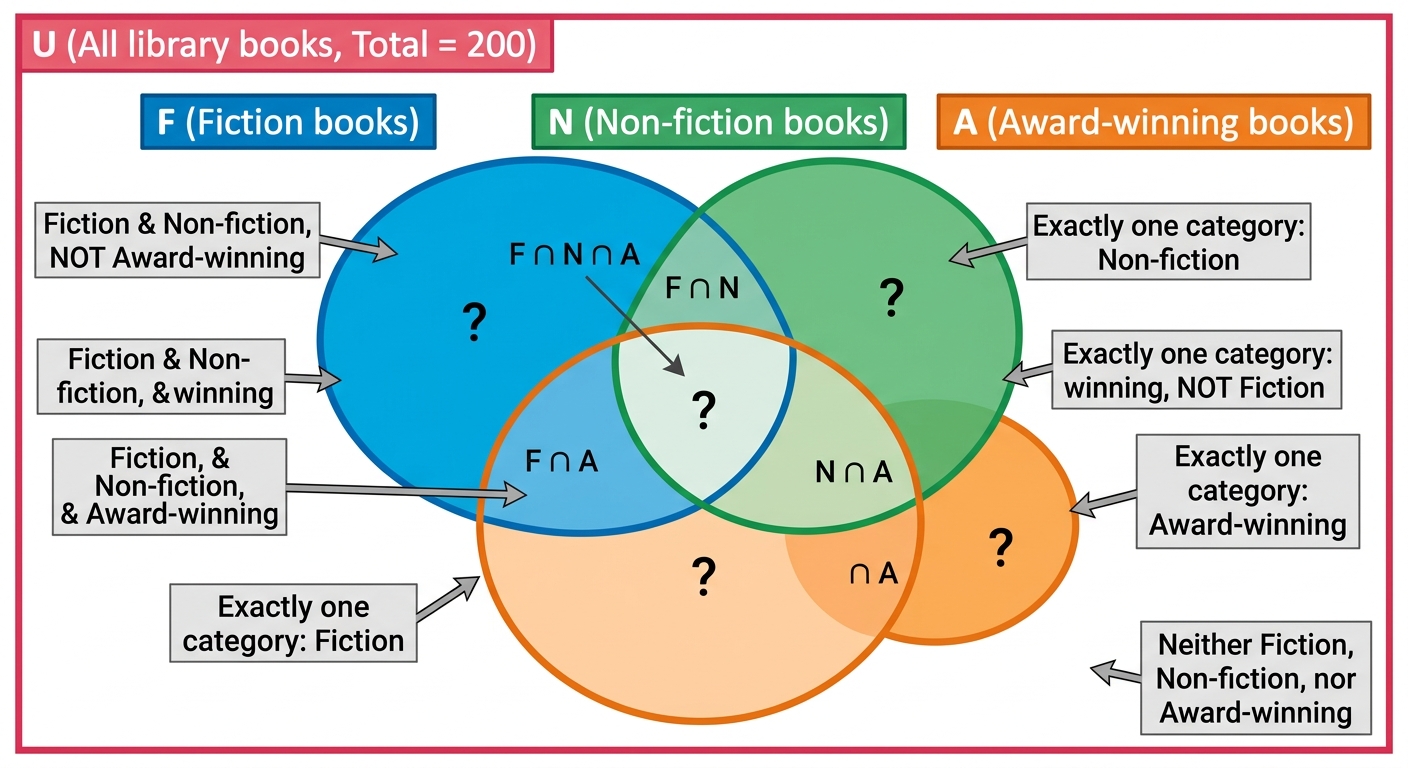
A local library holds 200 books classified into three sets: (fiction), (non-fiction), and (award-winning). The librarian records:
a
Construct a Venn diagram showing all eight regions, including the region outside all three sets. [2]
b
Deduce the number of books belonging to exactly one category, and interpret what this result suggests about the library's classification system. [2]
c
Discuss two limitations of using this set-based model to represent a real library collection, explaining how each limitation reduces the model's usefulness. [2]
Solutions
19QuestionUnderstanding Integers Fractions and DecimalsConcept Practice
2 marks~3 minCriterion A
An engineer designing a sensor circuit records five signal values:
State the number type (integer, fraction, terminating decimal, or irrational) for each of and .
Justify your classification of . [2]
State the number type (integer, fraction, terminating decimal, or irrational) for each of and .
Justify your classification of . [2]
Solutions
20QuestionClassifying Rational and Irrational NumbersAssessment Practice
6 marks~9 minCriterion C
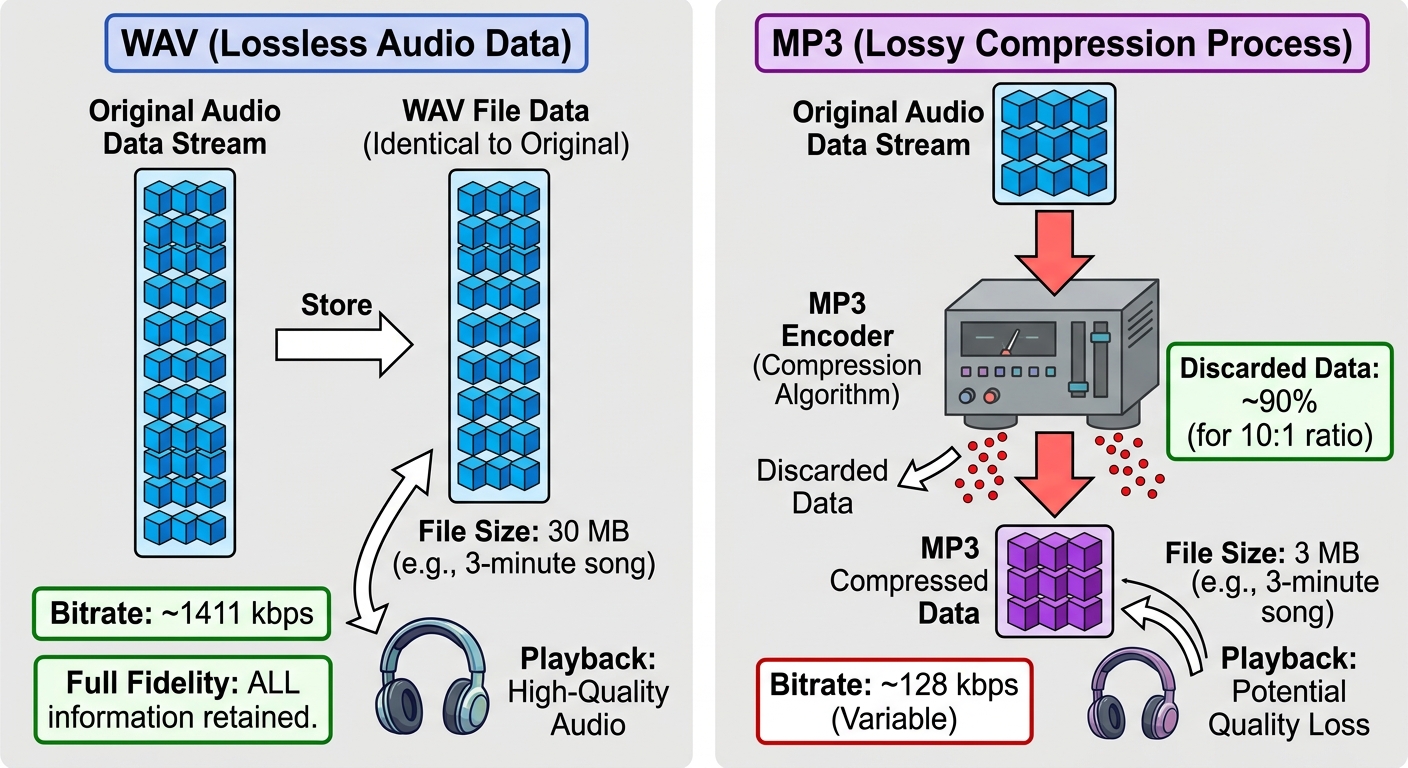
A music producer stores a 3-minute song as a WAV (lossless) file of 30 MB and as an MP3 (lossy) file of 3 MB.
a
Calculate the compression ratio and express your answer as a simplified fraction. [2]
b
A second algorithm targets a compression ratio of . Explain why applying this ratio to the 30 MB WAV file produces a compressed file size that is irrational. [2]
c
The producer must choose one format to archive all future recordings. Using the compression ratios from parts (a) and (b), advise the producer which format to select for long-term archiving, and explain what is permanently lost by choosing the smaller file size. [2]
Solutions
Showing 20 of 79 free questions