You're viewing free preview questions — 4 questions previewing here — subscribe to unlock 73 more, plus the Full Question Bank, Mock Papers & Worksheets.Upgrade
Single and Combined Events — Free MYP2 Mathematics Practice Questions

1QuestionCalculating Combined Probabilities BasicConcept Practice
2 marks~3 minCriterion A
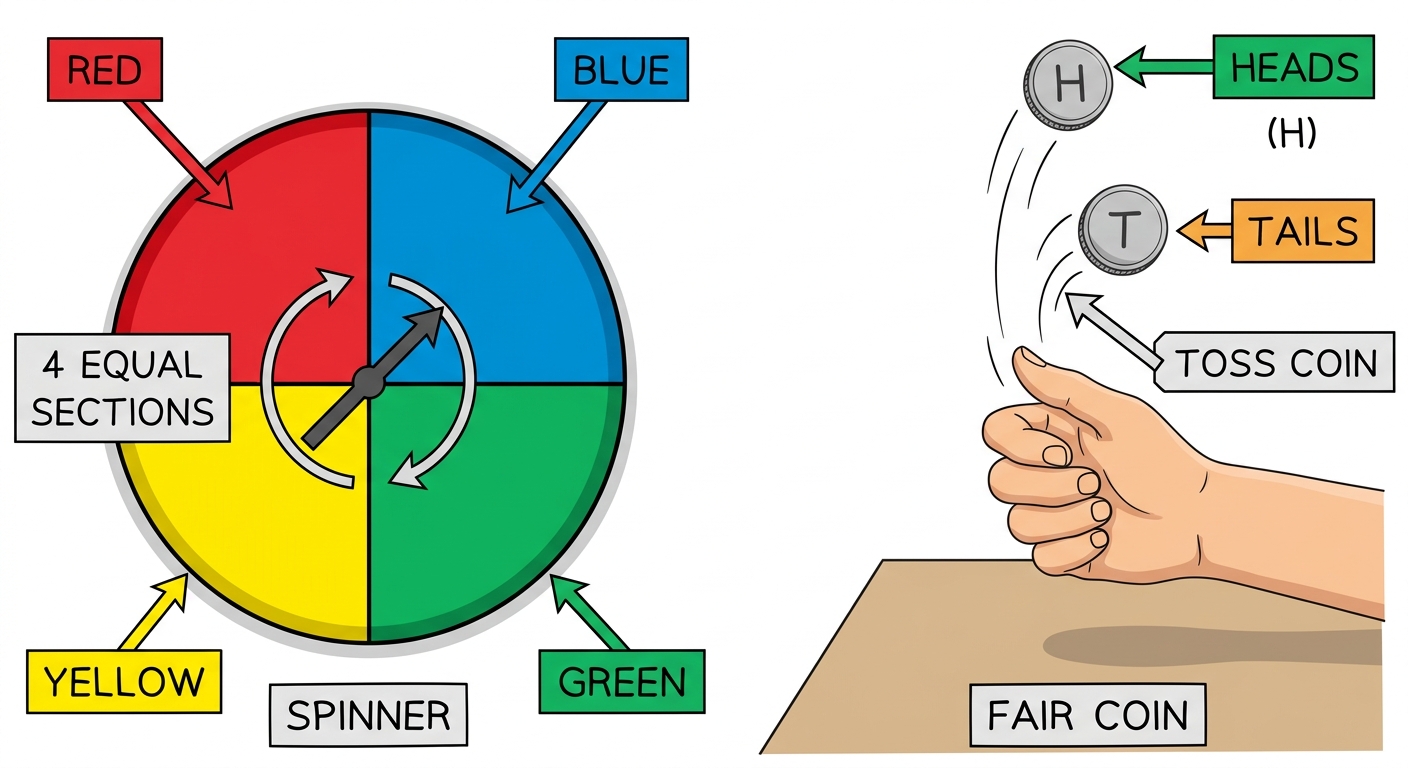
A spinner has 4 equal sections: red, blue, green, and yellow. A fair coin is tossed at the same time.
a
State the probability of landing on red. [1]
b
The product rule states that for two independent events (where one outcome does not affect the other), you multiply their probabilities. Calculate the probability of landing on red and getting heads. [1]

Solutions
2QuestionIntroduction to Independent EventsAssessment Practice
2 marks~3 minCriterion D
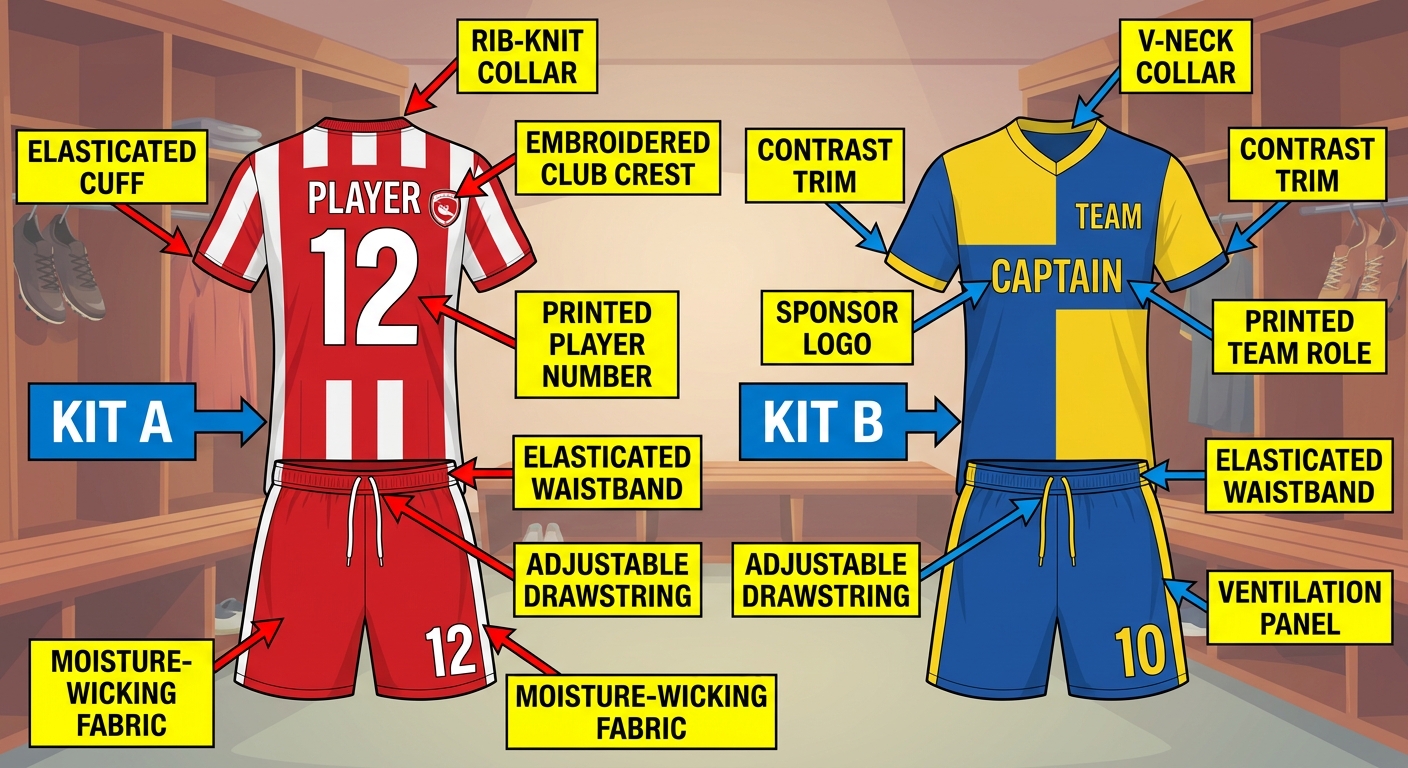
A football coach selects a captain, returns that player's name to the pool, then selects a vice-captain from the same 12 players.
a
Identify one assumption the independent events model makes about this selection process. [1]
b
Explain one reason why this model does not fully reflect real-world team selection. [1]
Solutions
3QuestionSolving Real-Life Problems with Combined EventsConcept Practice
2 marks~3 minCriterion B
For combined events, the total number of outcomes can be found using a pattern.
- Two dice: outcomes
- One die and one coin: outcomes
- Two coins: outcomes
- Two dice: outcomes
- One die and one coin: outcomes
- Two coins: outcomes
a
Identify the pattern used to find the total number of outcomes for combined events. [1]
b
Calculate the total number of outcomes when spinning a spinner with 4 equal sections and rolling a die. [1]
Solutions
4QuestionProbability of a Single Event OccurringAssessment Practice
4 marks~6 minCriterion C
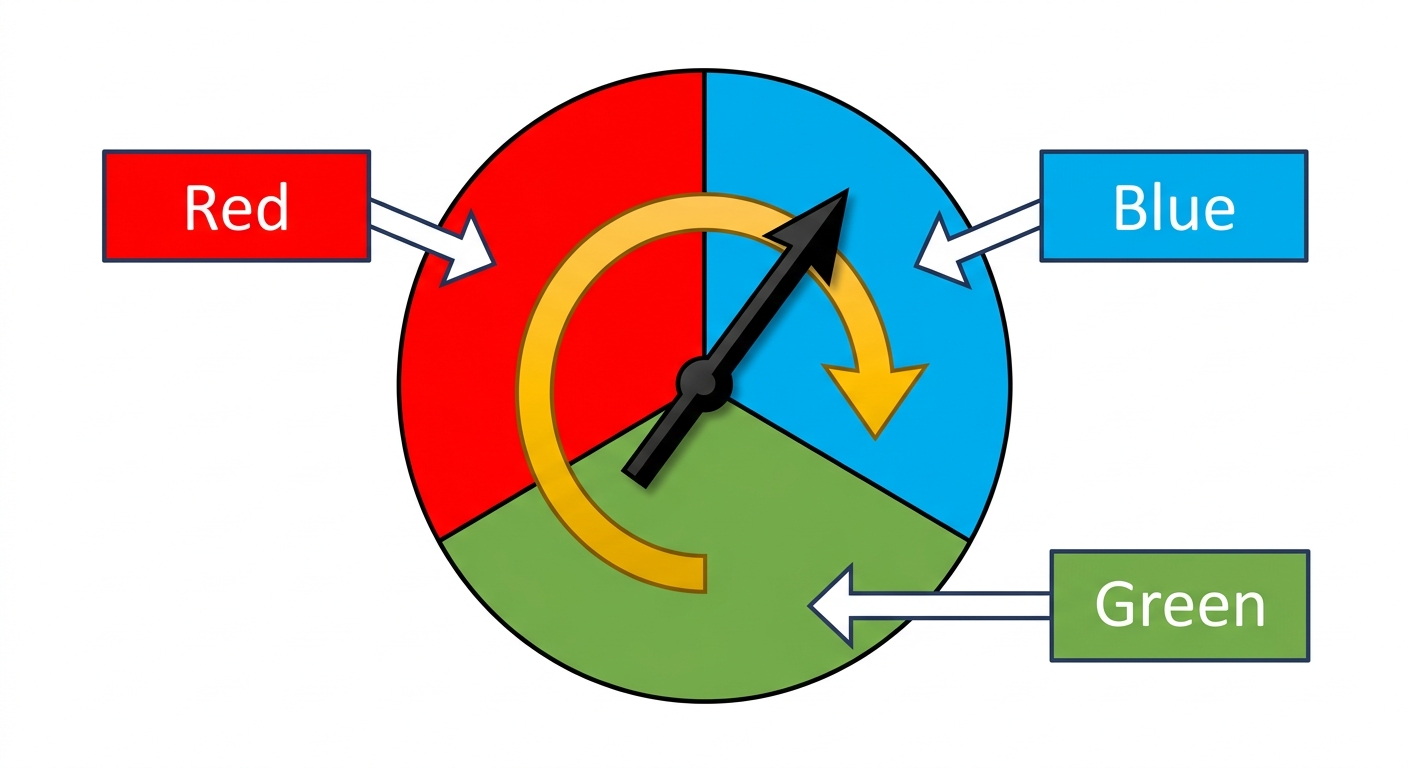
A spinner has three equal sections: Red, Blue, and Green. Each colour has a theoretical probability of of being landed on. A student spins the spinner 30 times. Red appears 18 times.
a
Calculate the experimental probability of landing on Red. [1]
b
Explain why this result does not prove the spinner is unfair, referring to sample size in your answer. [1]
c
Compare the experimental and theoretical probabilities and describe what would happen to the experimental probability if the spinner were spun 300 times instead. [2]
Solutions
That's every free question here — 4 of 77.
+73 more questions, plus Mock Papers & Worksheets, are waiting in Premium.