You're viewing free preview questions — 4 questions previewing here — subscribe to unlock 78 more, plus the Full Question Bank, Mock Papers & Worksheets.Upgrade
Levels of Biological Organization — Free MYP2 Sciences Practice Questions

1QuestionExamples in Humans and PlantsConcept Practice
2 marks~3 minCriterion A
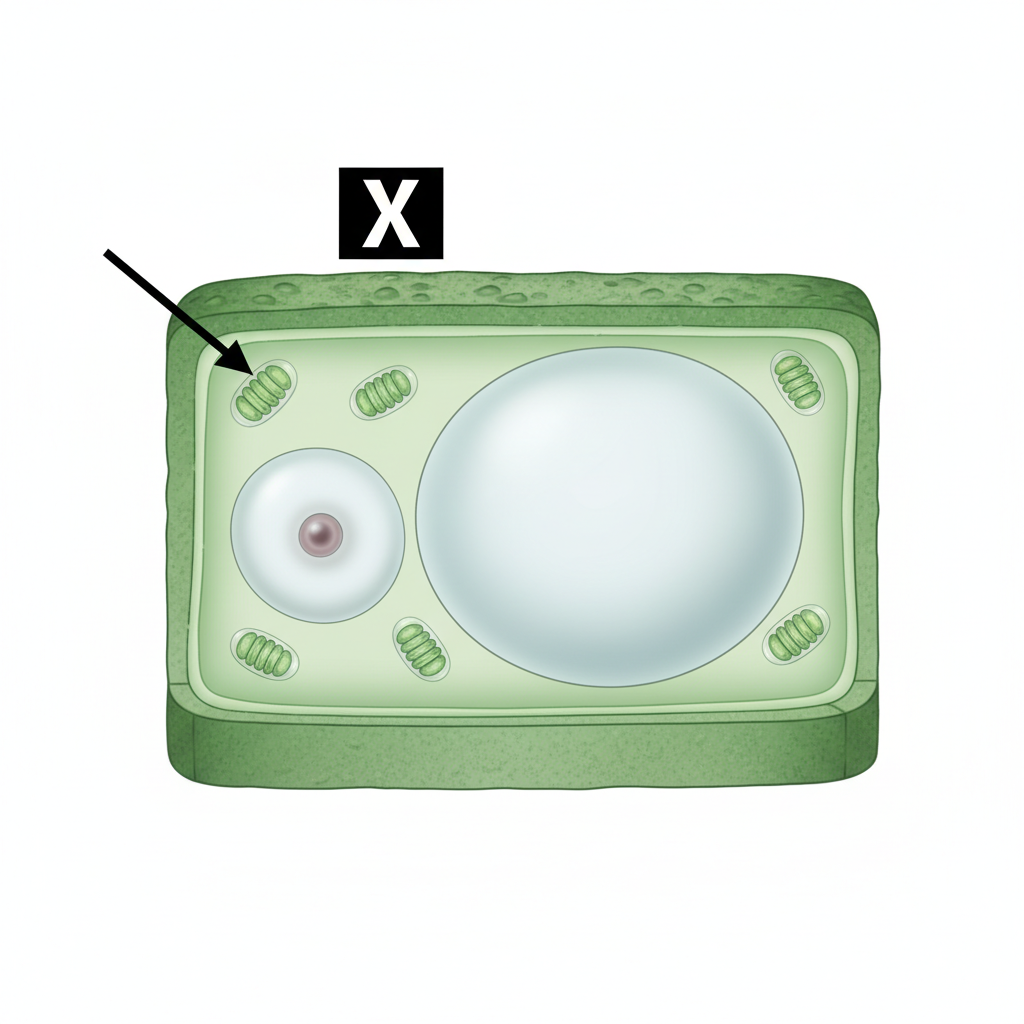
The diagram below shows a plant cell with one structure labeled X.
a
Identify the structure labeled X. [1]
b
Describe one function of this structure in the plant cell. [1]

Solutions
2QuestionInterdependence of LevelsAssessment Practice
4 marks~6 minCriterion D
A local council plans to clear a small forest to build housing. The forest is home to deer and has rich soil supported by tree roots and fallen leaves.
a
Identify one resource the deer would lose if the forest is removed. [1]
b
Explain how removing the forest affects soil health at the chemical level. [2]
c
Compare the ease of predicting impacts on the deer with the ease of predicting impacts on the soil. [1]

Solutions
3QuestionFrom Cells to Tissues Organs and SystemsAssessment Practice
6 marks~9 minCriterion C
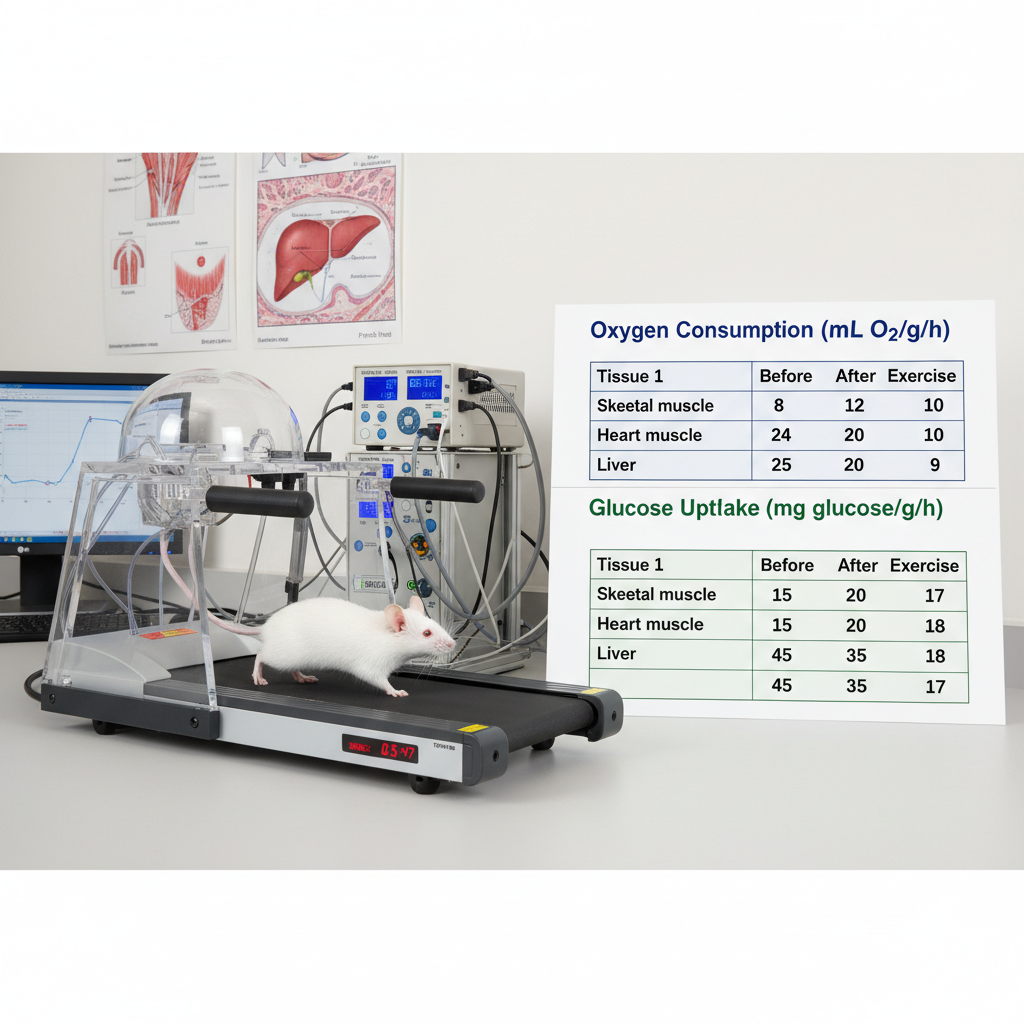
A researcher measures oxygen consumption and glucose uptake in three mouse tissues before and after 10 minutes of treadmill running. Metabolic rate — how fast a cell uses energy — is shown by both measures.
Oxygen consumption (mL O₂/g/h):
Glucose uptake (mg glucose/g/h):
A student claims: "Only muscle tissue increases its metabolic rate during exercise."
Oxygen consumption (mL O₂/g/h):
| Skeletal muscle — Before | 8 | After: 24 |
|---|---|---|
| Heart muscle — Before | 12 | After: 20 |
| Liver — Before | 10 | After: 9 |
Glucose uptake (mg glucose/g/h):
| Skeletal muscle — Before | 15 | After: 45 |
|---|---|---|
| Heart muscle — Before | 20 | After: 35 |
| Liver — Before | 18 | After: 17 |
A student claims: "Only muscle tissue increases its metabolic rate during exercise."
a
Identify which tissue shows the largest increase in oxygen consumption after exercise. [1]
b
Calculate the change in glucose uptake for skeletal muscle and for heart muscle. Show your working. [2]
c
Compare the metabolic responses of skeletal muscle, heart muscle, and liver during exercise, and explain whether the data support or contradict the student's claim. [3]
Solutions
4QuestionExamples in Humans and PlantsAssessment Practice
6 marks~9 minCriterion B
The table below shows the levels of biological organization found in four organisms.
| Organism | Levels present |
|---|---|
| Amoeba | cell only |
| Hydra | cell, tissue |
| Earthworm | cell, tissue, organ, system |
| Oak tree | cell, tissue, organ, system |
a
Identify the pattern in the number of organizational levels as organisms increase in complexity. [2]
b
Explain why more complex organisms need more levels of organization. [2]
c
Compare the levels of organization you would expect in a human with those in an amoeba, and suggest why the difference exists. [2]
Solutions
That's every free question here — 4 of 82.
+78 more questions, plus Mock Papers & Worksheets, are waiting in Premium.