You're viewing free preview questions — 4 questions previewing here — subscribe to unlock 73 more, plus the Full Question Bank, Mock Papers & Worksheets.Upgrade
Metals and Non-Metals — Free MYP2 Sciences Practice Questions

1QuestionCorrosion and Its PreventionConcept Practice
2 marks~3 minCriterion A
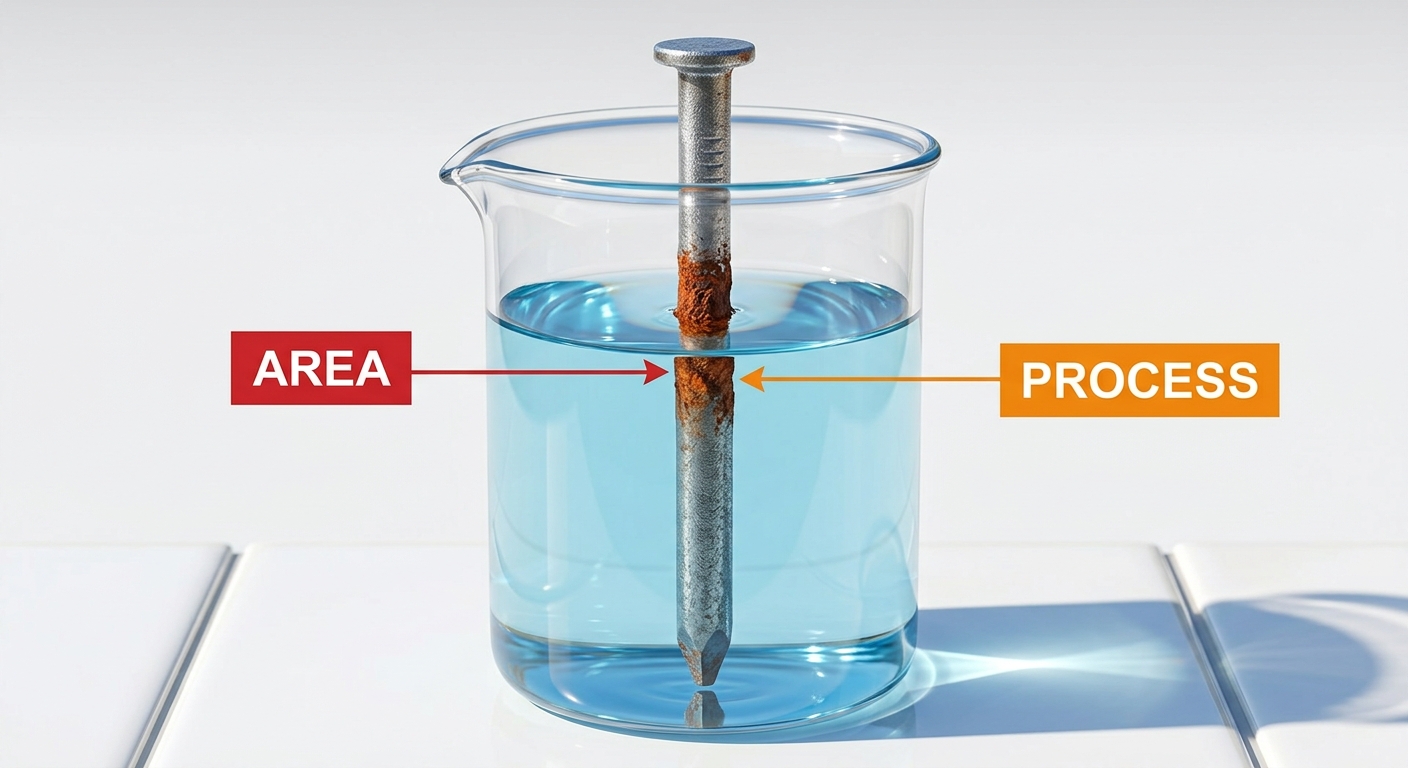
The diagram shows an iron nail partially submerged in water. Rust (iron oxide) has formed at the waterline, where the nail meets the water surface. The labeled area is marked with an arrow.
a
Identify the location on the nail where corrosion is occurring. [1]
b
Name the specific corrosion process taking place. [1]

Solutions
2QuestionProperties and Uses of Non-MetalsAssessment Practice
4 marks~6 minCriterion D
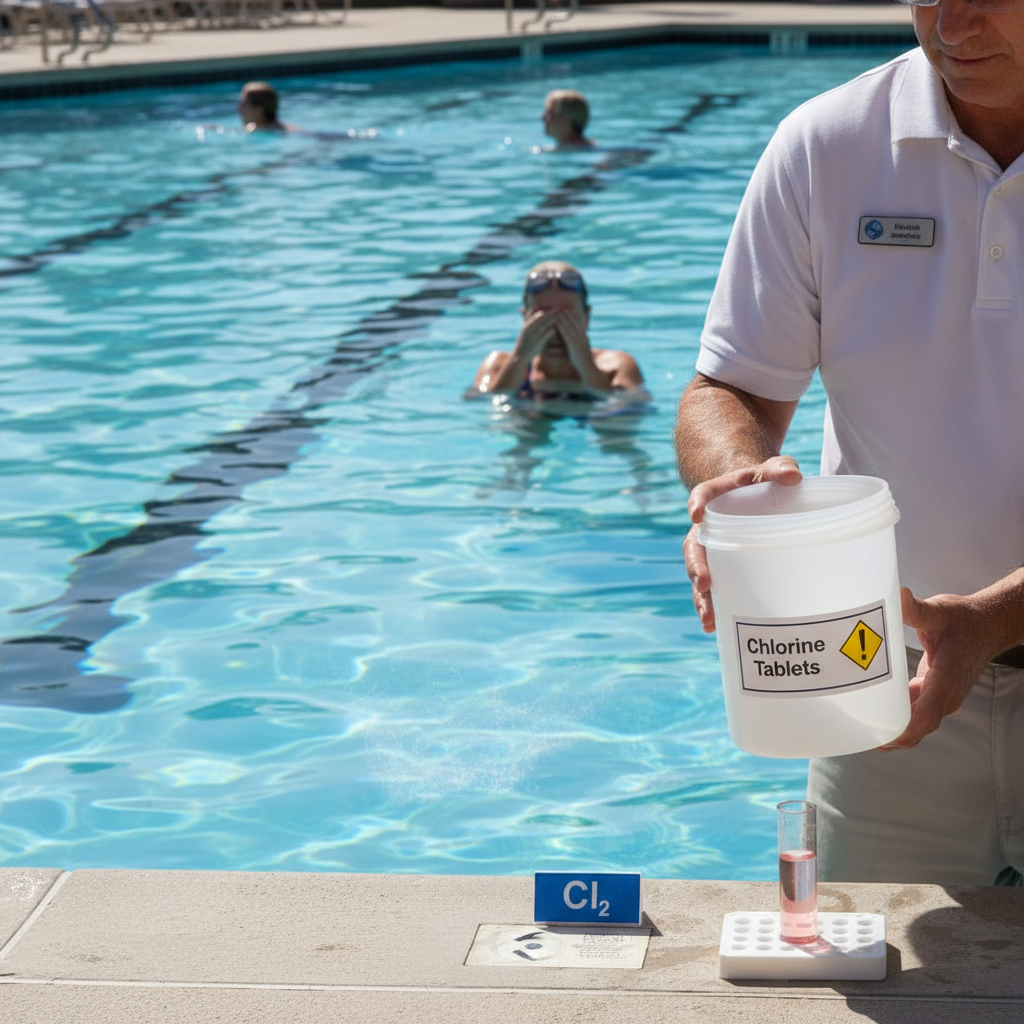
Chlorine is a non-metal gas added to swimming pools to kill harmful bacteria (tiny organisms that cause disease), keeping the water safe. However, chlorine can irritate skin and eyes and must be carefully controlled.
a
Identify one property of chlorine that makes it useful for disinfecting pool water. [1]
b
Explain why adding too much or too little chlorine is a problem for swimmers. [2]
c
Compare the benefits and limitations of using chlorine to keep pool water safe. [1]
Solutions
3QuestionFormation of Metal OxidesConcept Practice
3 marks~5 minCriterion B
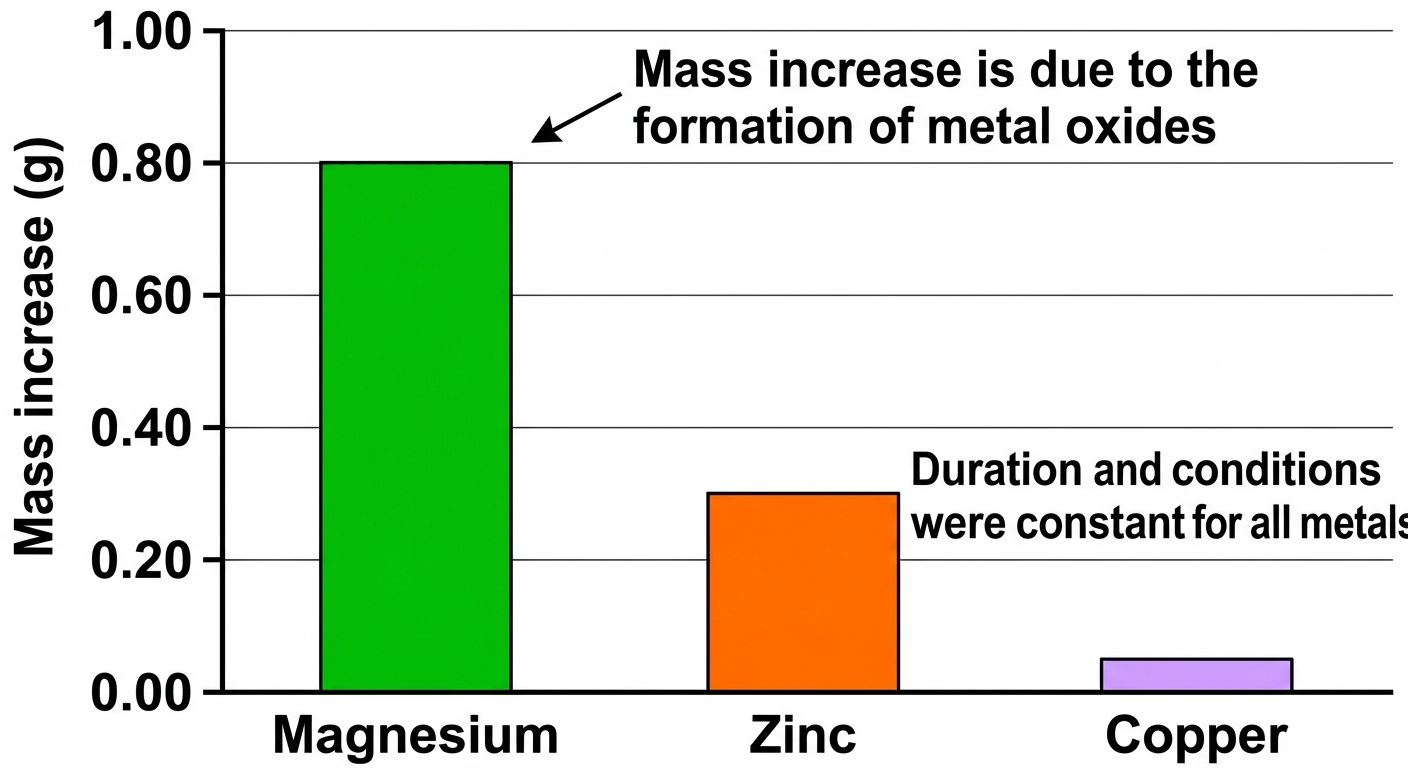
When metals are heated in air, they react with oxygen to form metal oxides, gaining mass.
| Metal | Mass increase (g): |
|---|---|
| Magnesium | 0.80 |
| Zinc | 0.30 |
| Copper | 0.05 |
a
Identify the trend in mass increase shown by the data. [1]
b
Explain why more reactive metals form a greater mass of metal oxide when heated in air. [1]
c
Compare the reactivity of magnesium, zinc, and copper using the reactivity series, and explain how this accounts for the trend in mass increase. [1]
Solutions
4QuestionReactions of Metals with AcidsAssessment Practice
8 marks~12 minCriterion C
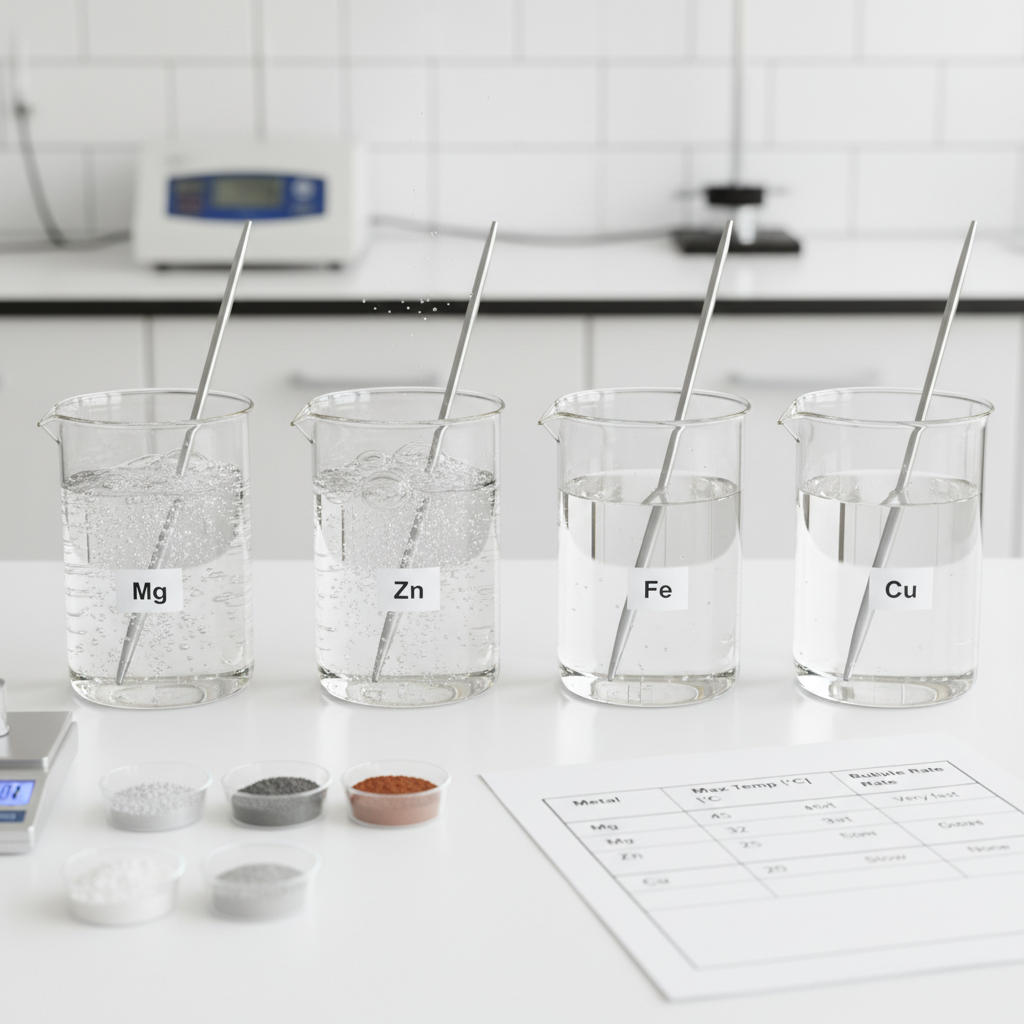
A student adds 1 g of each metal powder to 10 mL of hydrochloric acid at 20 °C.
| Metal | Maximum temperature (°C) | Bubble rate |
|---|---|---|
| Mg | 45 | Very fast |
| Zn | 32 | Fast |
| Fe | 25 | Slow |
| Cu | 20 | None |
a
Identify the metal that does not react with the acid. [1]
b
Explain why the temperature and bubble rate results for Mg, Zn, and Fe support the idea that these metals react with the acid. [3]
c
Compare the results for copper with those of the other three metals, and use this comparison to evaluate the claim that "all metals react with acid." [4]
Solutions
That's every free question here — 4 of 77.
+73 more questions, plus Mock Papers & Worksheets, are waiting in Premium.