You're viewing free preview questions — 4 questions previewing here — subscribe to unlock 78 more, plus the Full Question Bank, Mock Papers & Worksheets.Upgrade
Signs of a Chemical Change — Free MYP2 Sciences Practice Questions

1QuestionColour Change and Gas FormationConcept Practice
2 marks~3 minCriterion A
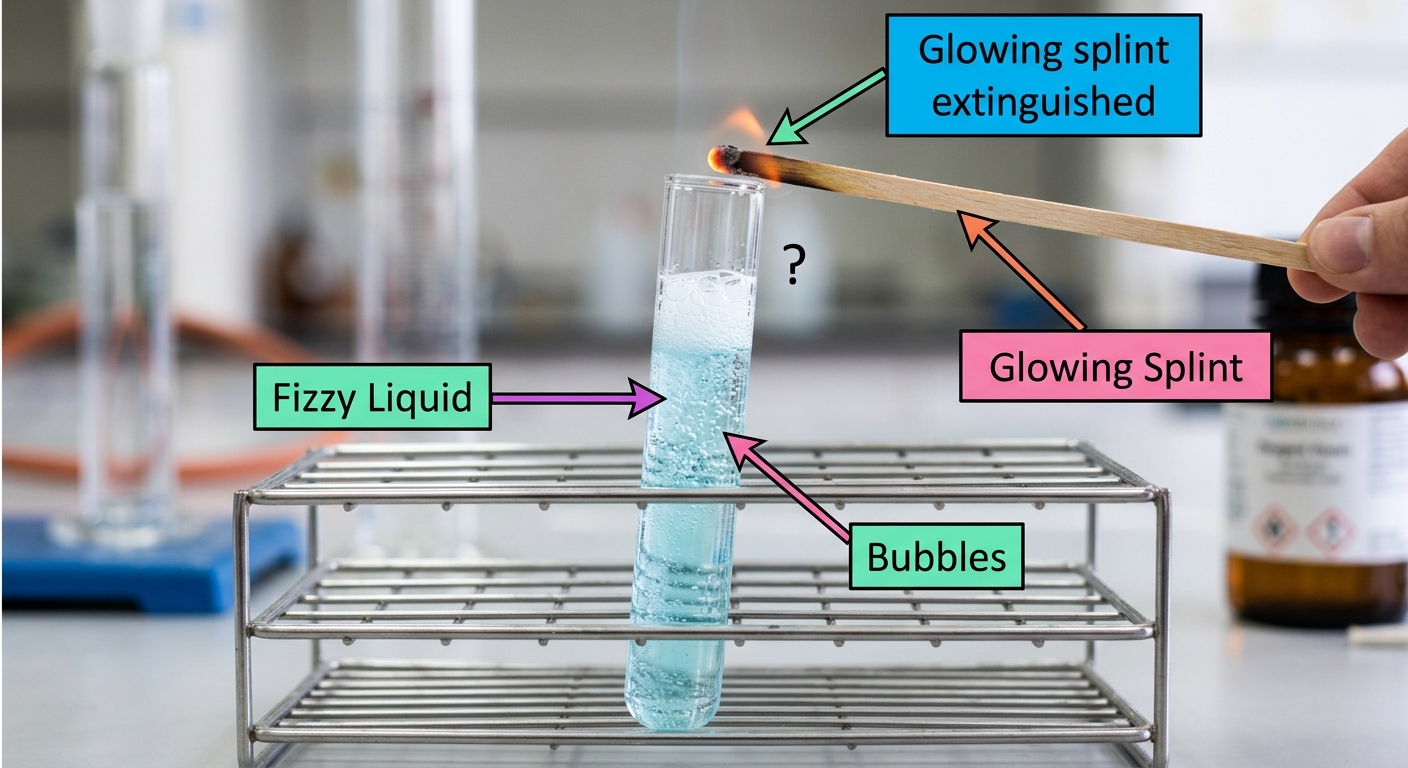
A test tube contains a fizzing liquid producing bubbles. When a glowing splint is held near the opening, it is extinguished.
a
Identify the gas produced in the test tube. [1]
b
State one property of this gas that explains why it extinguishes the glowing splint. [1]

Solutions
2QuestionFormation of PrecipitateAssessment Practice
4 marks~6 minCriterion D
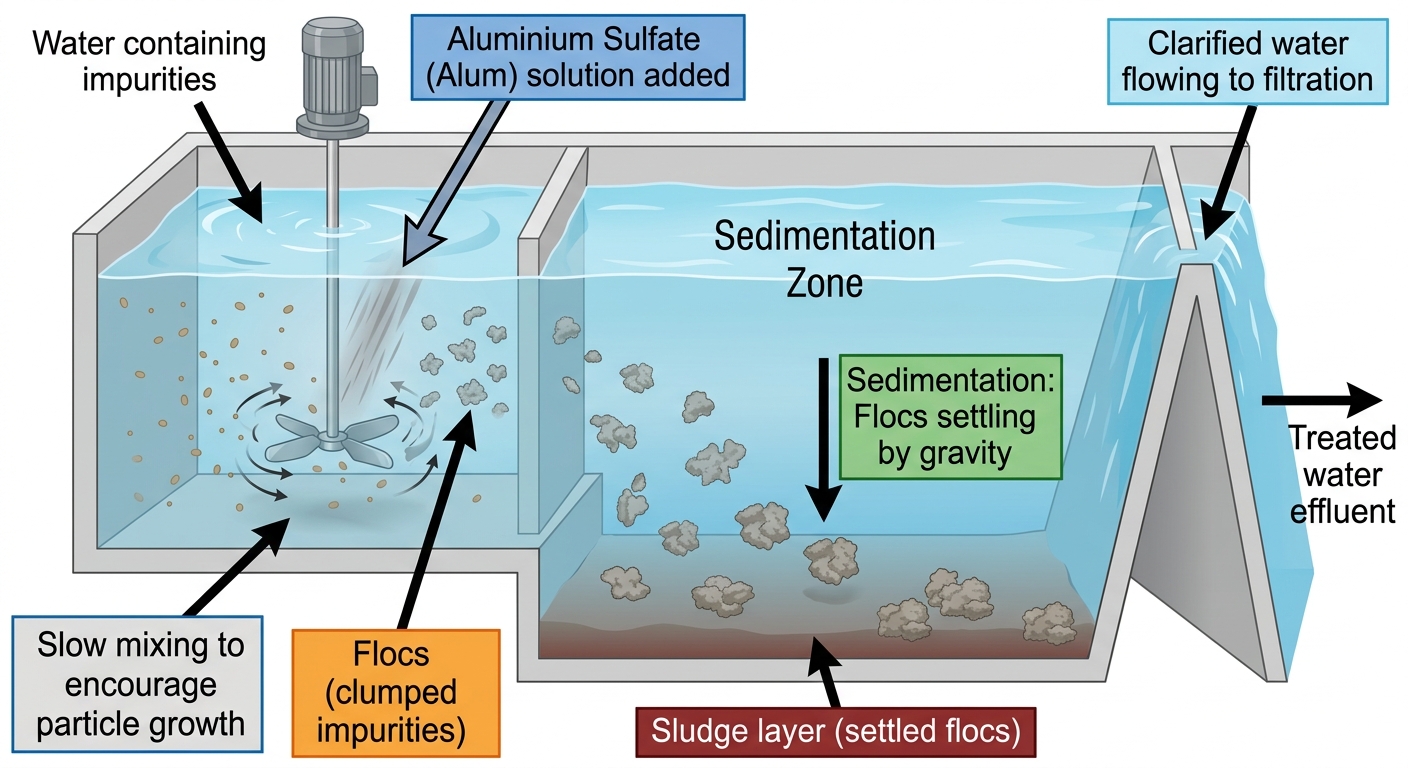
A town adds aluminium sulfate to its drinking water. It reacts with impurities and forms a precipitate (a solid that sinks to the bottom), removing suspended particles from the water.
a
Identify one way this process improves public health. [1]
b
Explain what could happen to the drinking water if too much aluminium sulfate is added and the precipitate does not settle properly. [3]
Solutions
3QuestionComparing Physical and Chemical ChangesAssessment Practice
6 marks~9 minCriterion C
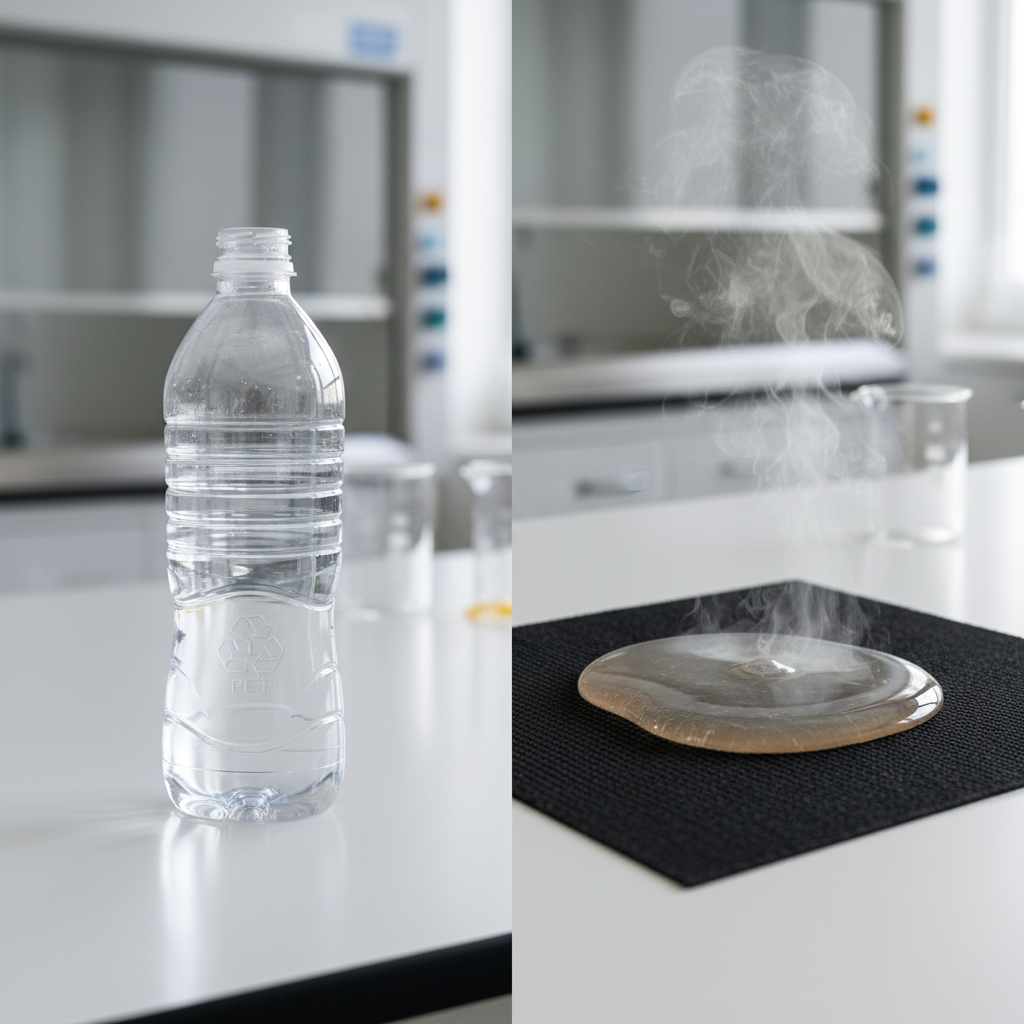
A student says: "Melting plastic bottles to make new ones is a chemical change because the plastic looks different after melting."
a
Identify whether melting plastic is a physical or chemical change. [1]
b
Explain why the student's reasoning is incorrect. [2]
c
Compare what would happen to recycling efficiency and resource use if facilities treated melting as a chemical change rather than a physical one. [3]
Solutions
4QuestionTemperature and Light ChangeAssessment Practice
8 marks~12 minCriterion B
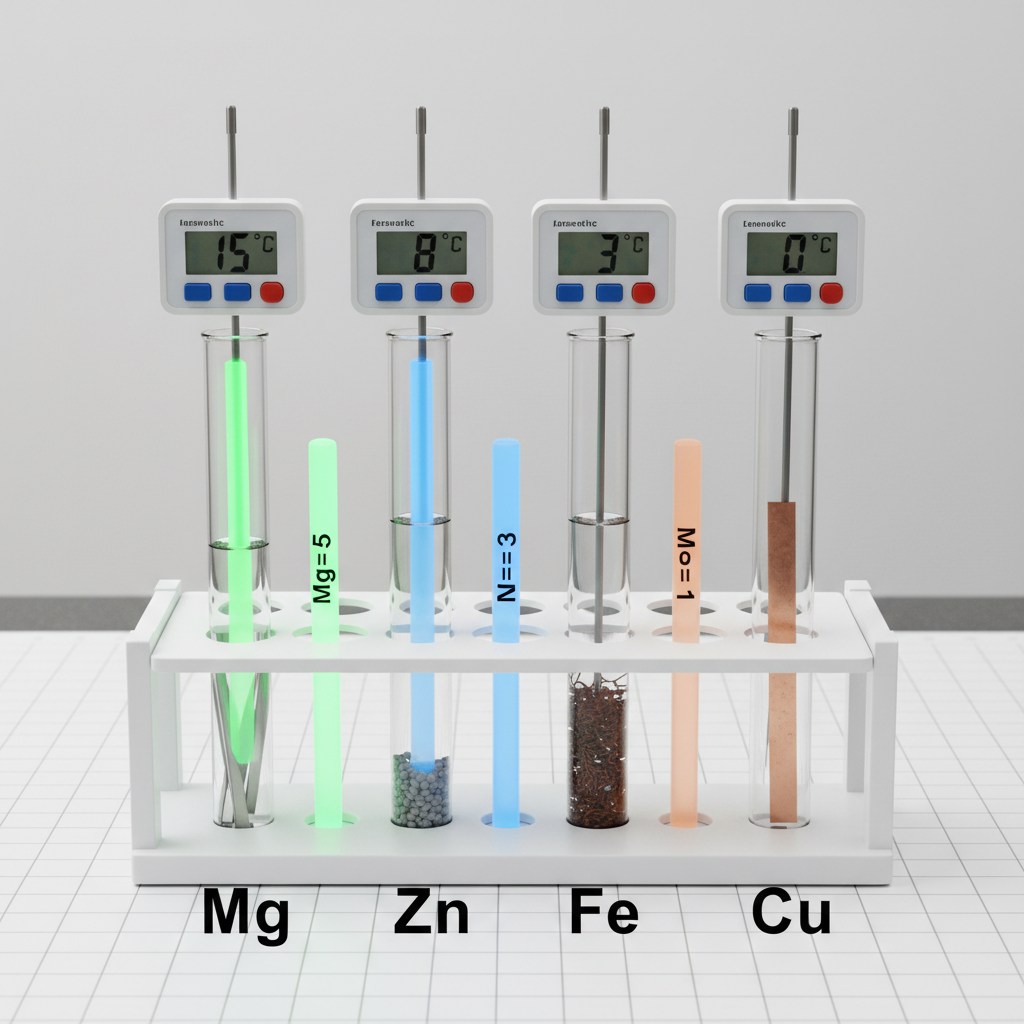
A student adds four metals to dilute hydrochloric acid and records the results after 2 minutes.
Reactivity order (most to least reactive): Mg > Zn > Fe > Cu
| Metal | Mg | Zn | Fe | Cu |
|---|---|---|---|---|
| Temperature increase (°C) | 15 | 8 | 3 | 0 |
| Glow stick brightness (1–5 scale, 5 = brightest) | 5 | 3 | 1 | 0 |
Reactivity order (most to least reactive): Mg > Zn > Fe > Cu
a
Identify the pattern between temperature increase and glow stick brightness shown in the data. [2]
b
Tin (Sn) is less reactive than zinc but more reactive than iron. Estimate the temperature increase and glow stick brightness for tin reacting with dilute hydrochloric acid, and explain your reasoning. [4]
c
Compare the results for magnesium and copper. Use the idea of energy release to explain the difference. [2]
Solutions
That's every free question here — 4 of 82.
+78 more questions, plus Mock Papers & Worksheets, are waiting in Premium.