You're viewing free preview questions — 4 questions previewing here — subscribe to unlock 77 more, plus the Full Question Bank, Mock Papers & Worksheets.Upgrade
Static and Current Electricity — Free MYP2 Sciences Practice Questions

1QuestionAttraction and Repulsion of ChargesConcept Practice
2 marks~3 minCriterion A
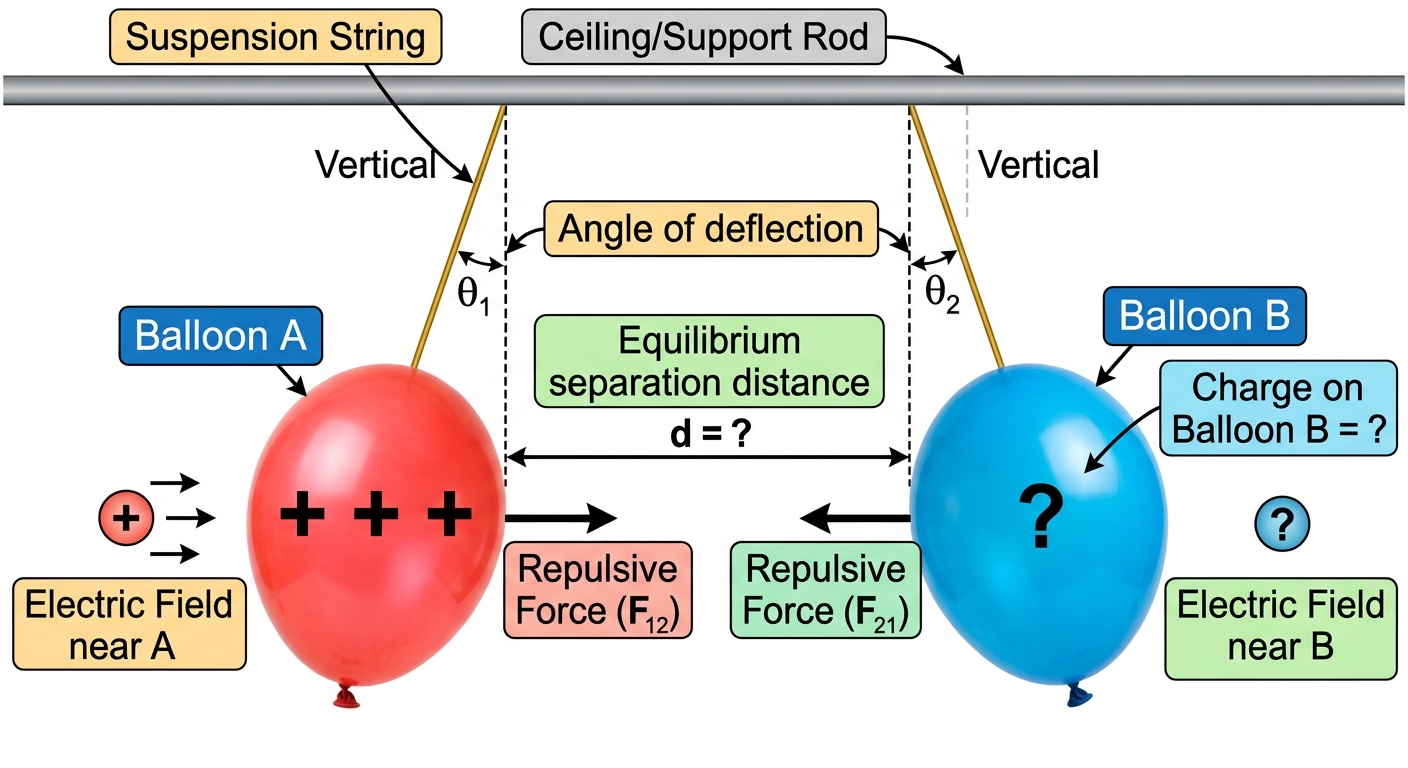
Two balloons, A and B, are suspended from strings. Balloon A carries a positive charge. The balloons push away from each other (repel).
a
State the type of charge on Balloon B. [1]
b
Explain how the behaviour of the balloons shows that like charges repel each other. [1]

Solutions
2QuestionComparing Static and Current ElectricityAssessment Practice
3 marks~5 minCriterion B
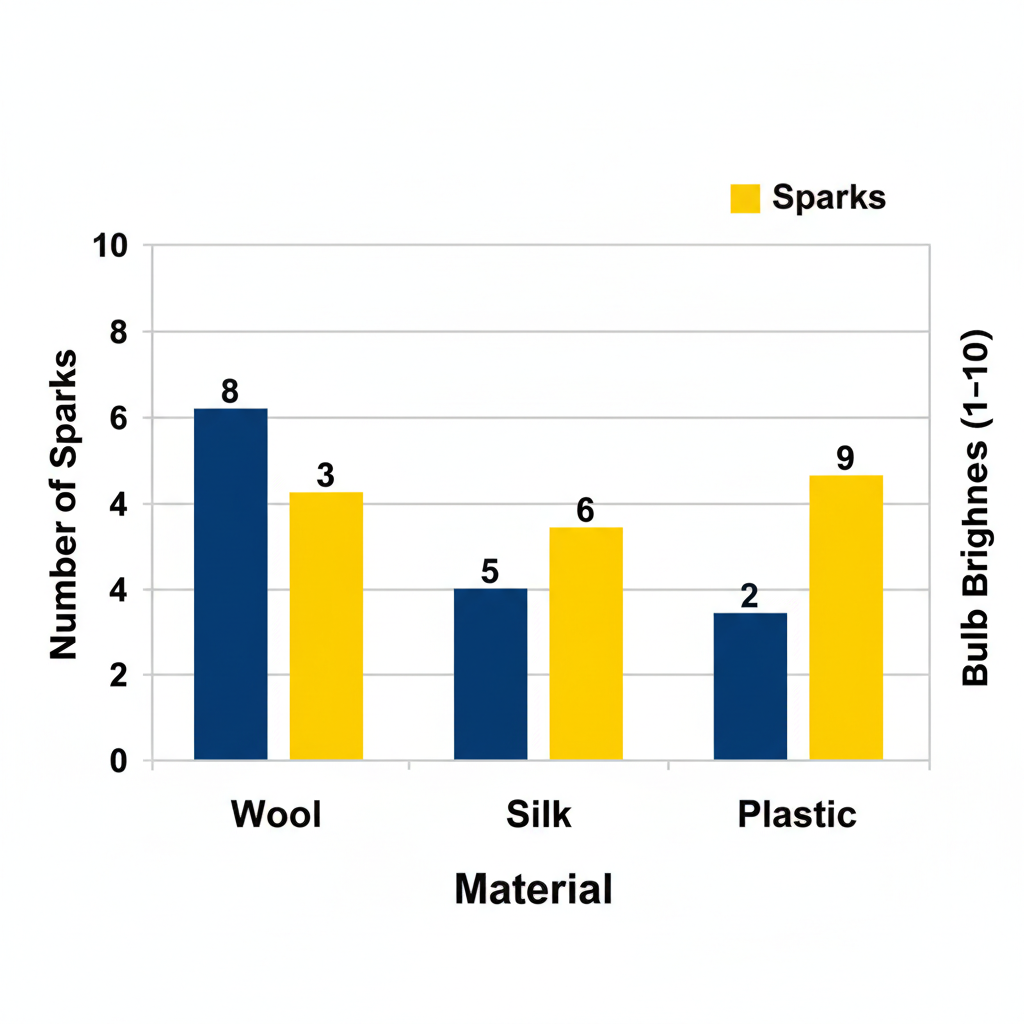
The bar chart shows data for three materials rubbed against different cloths.
| Sparks produced | Wool = 8 | Silk = 5 | Plastic = 2 |
|---|---|---|---|
| Bulb brightness (1–10) | Wool = 3 | Silk = 6 | Plastic = 9 |
a
Identify which material produces the most sparks. [1]
b
Explain why wool produces many sparks when rubbed. Use the term electron transfer in your answer. [1]
c
Compare how wool and plastic behave differently in static electricity and in a circuit, and explain why their results are opposite. [1]
Solutions
3QuestionDefinition and Flow of Electric CurrentAssessment Practice
4 marks~6 minCriterion C
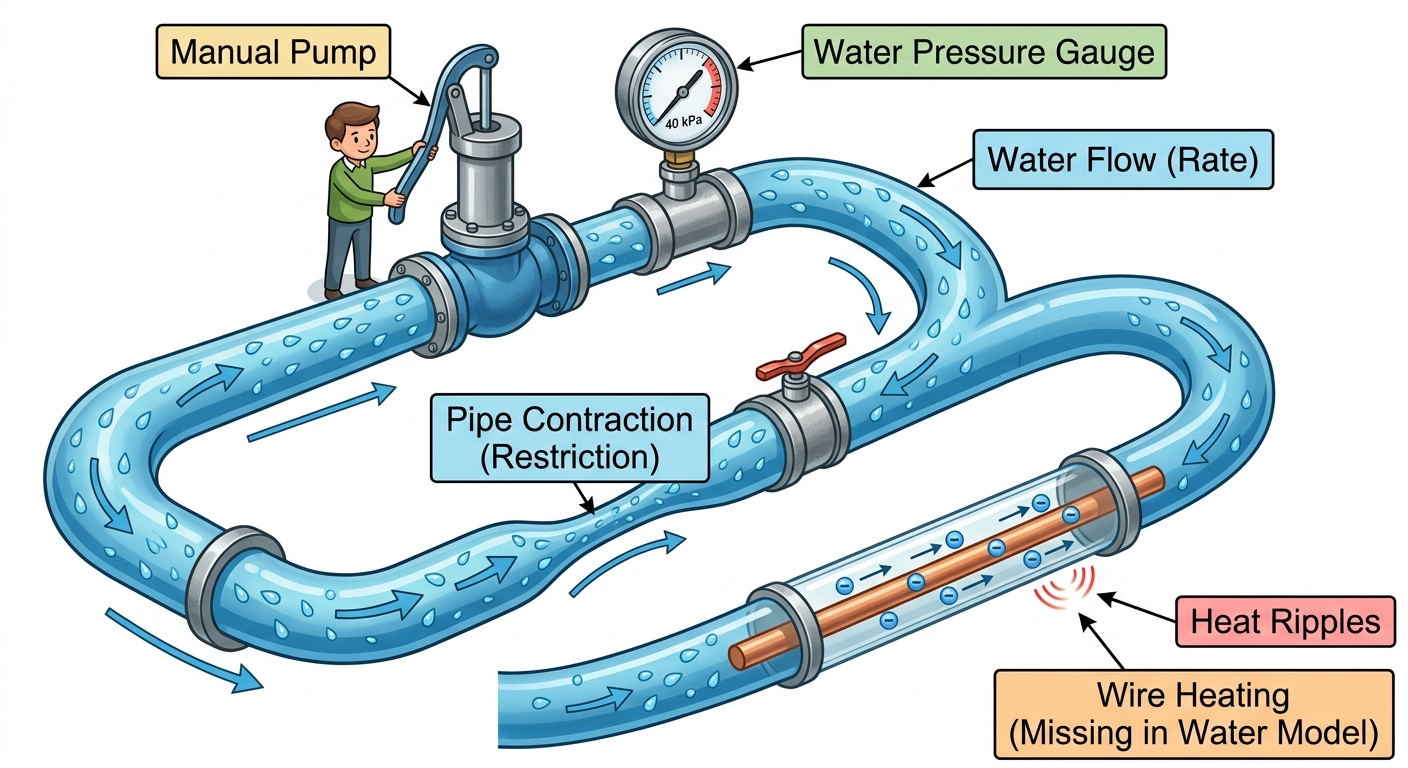
A teacher uses a water pipe model to explain electric current. In this model, flowing water represents electric current — the flow of tiny charged particles called electrons through a wire. Real wires, unlike pipes, heat up when current flows through them.
a
Identify one benefit of the water pipe model for teaching beginners about electric current. [1]
b
Explain why this benefit helps beginners understand electric current. [1]
c
Compare the water pipe model with the real behaviour of electric current, focusing on the flow of charged particles. [2]
Solutions
4QuestionComparing Static and Current ElectricityAssessment Practice
5 marks~8 minCriterion D
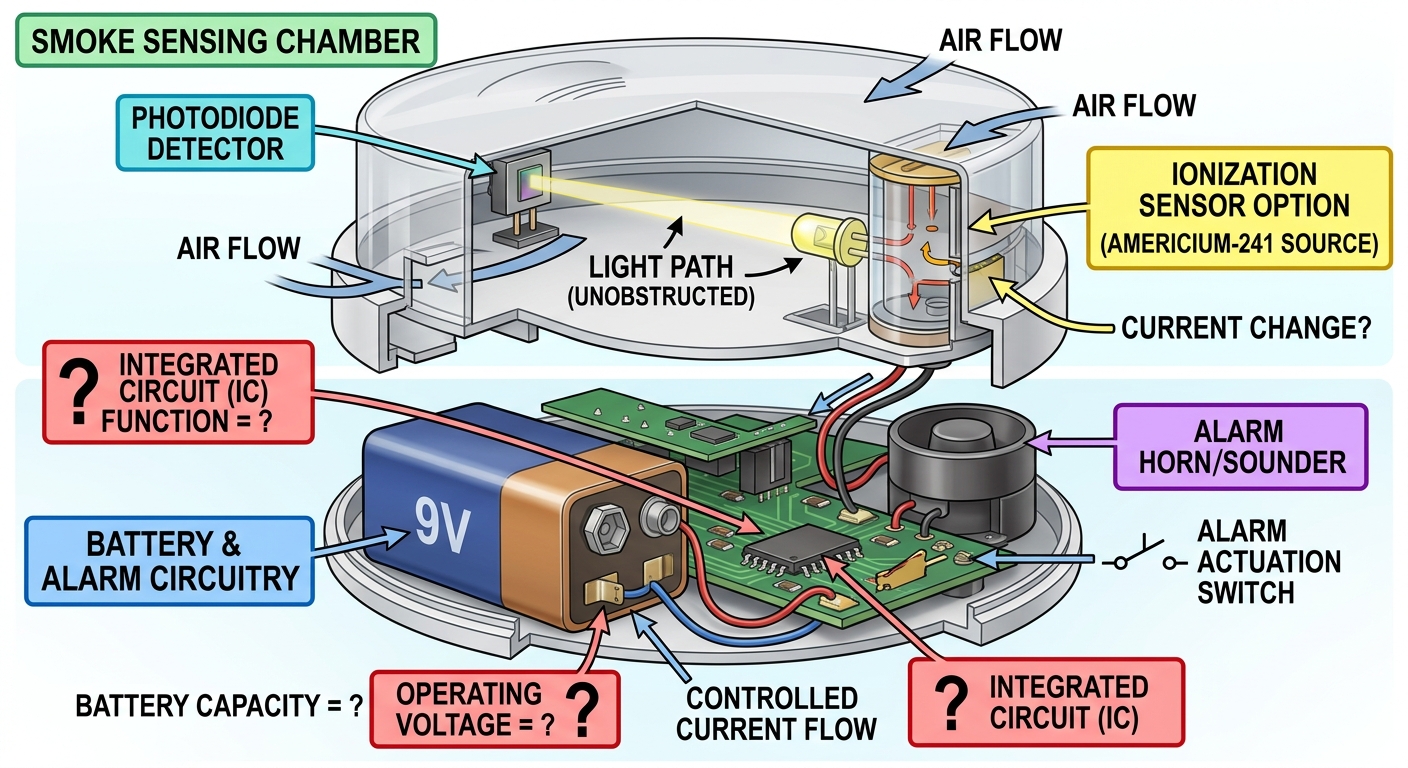
A school uses a battery-powered fire alarm. When smoke is detected, a steady flow of electric charge moves through a circuit to sound the alarm. On dry days, static electricity — charge that builds up and stays in one place — can accumulate on students' clothing and cause sparks near the alarm panel.
a
Identify one advantage of using current electricity from a battery rather than static electricity to power the fire alarm. [1]
b
Explain why static electricity is unreliable for a safety system like a fire alarm. In your answer, refer to how static charge builds up and is released. [2]
c
The school plans to place anti-static mats near the alarm panel to reduce accidental sparks. Compare the use of anti-static mats with not using them, and describe one way the school could check whether the mats are working. [2]
Solutions
That's every free question here — 4 of 81.
+77 more questions, plus Mock Papers & Worksheets, are waiting in Premium.