You're viewing free preview questions — 4 questions previewing here — subscribe to unlock 71 more, plus the Full Question Bank, Mock Papers & Worksheets.Upgrade
Friction Air Resistance and Drag — Free MYP3 Sciences Practice Questions

1QuestionAdvantages and Disadvantages of FrictionConcept Practice
2 marks~3 minCriterion A
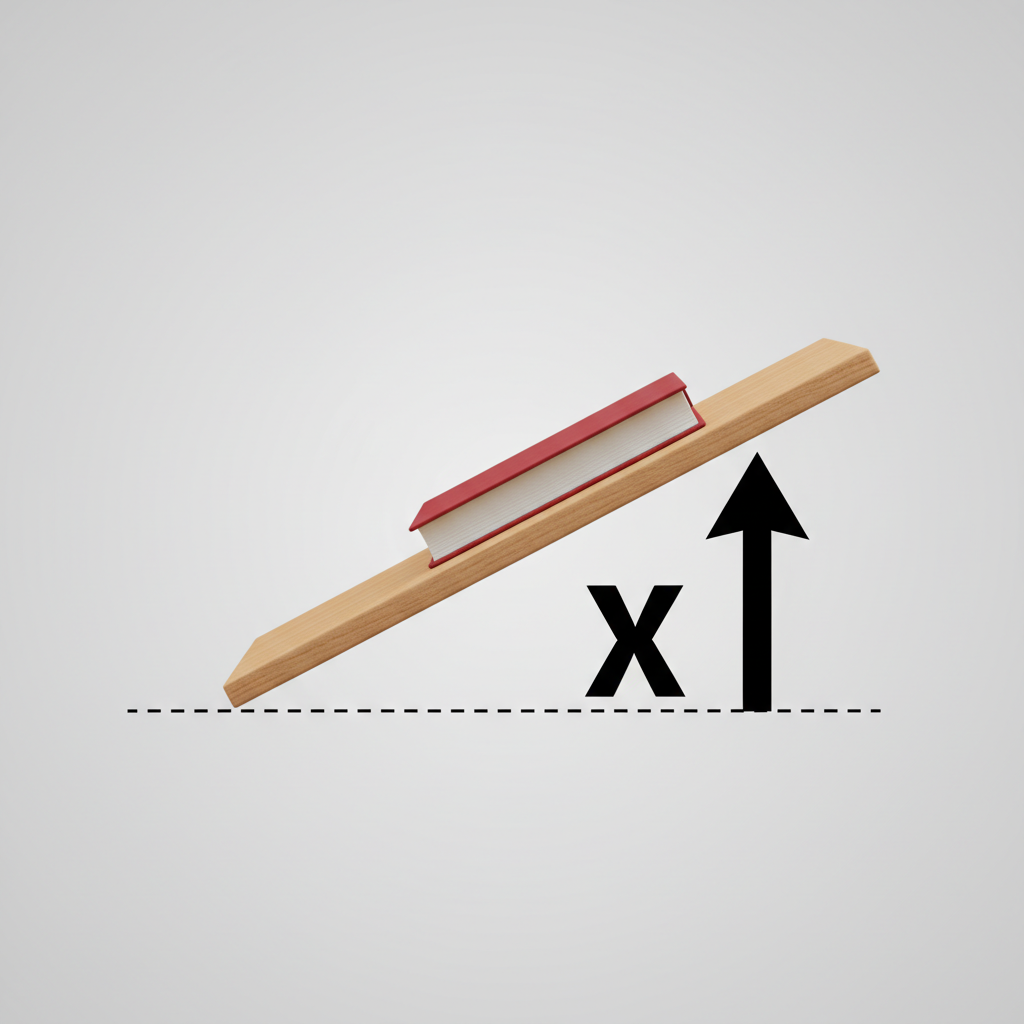
A book rests on a slanted desk without sliding. Arrow X points upward along the surface of the desk.
a
Identify the force represented by arrow X. [1]
b
Explain why this force acts upward along the surface rather than straight downward. [1]

Solutions
2QuestionAdvantages and Disadvantages of FrictionAssessment Practice
4 marks~6 minCriterion C
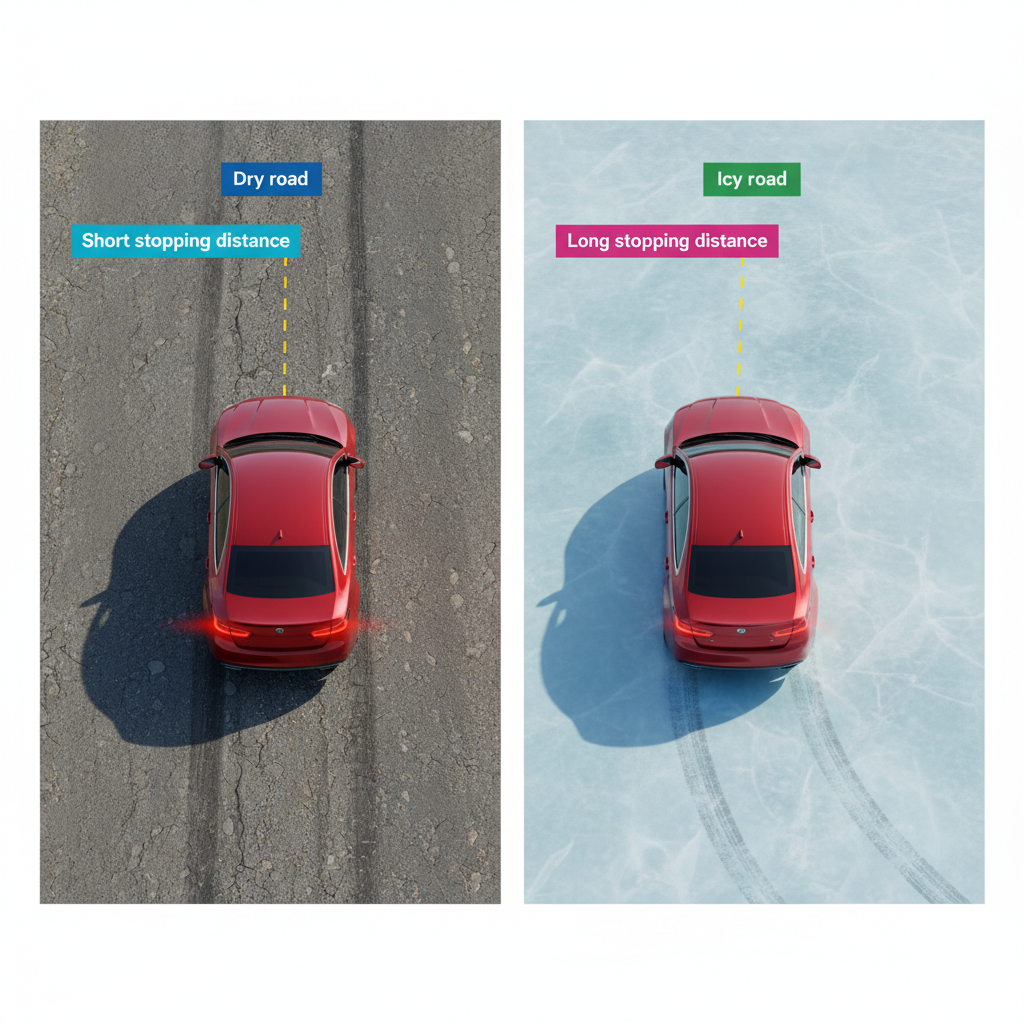
A car brakes on a dry road and stops quickly. The same car brakes on an icy road and skids, taking much longer to stop.
a
State what friction is and identify the two surfaces where friction acts when a car brakes. [1]
b
Explain why the car stops safely on the dry road but skids on the icy road. [2]
c
A driver claims that doubling their speed will double their stopping distance on ice. Using your understanding of friction, assess whether reducing friction has a greater effect on stopping distance than increasing speed. Justify your answer. [1]
Solutions
3QuestionAdvantages and Disadvantages of FrictionAssessment Practice
5 marks~8 minCriterion D
A car manufacturer tests two brake pad materials. Pad A stops a car in 4.2 seconds; Pad B stops the same car in 6.8 seconds. Pad A wears out after 18 months; Pad B lasts 36 months.
a
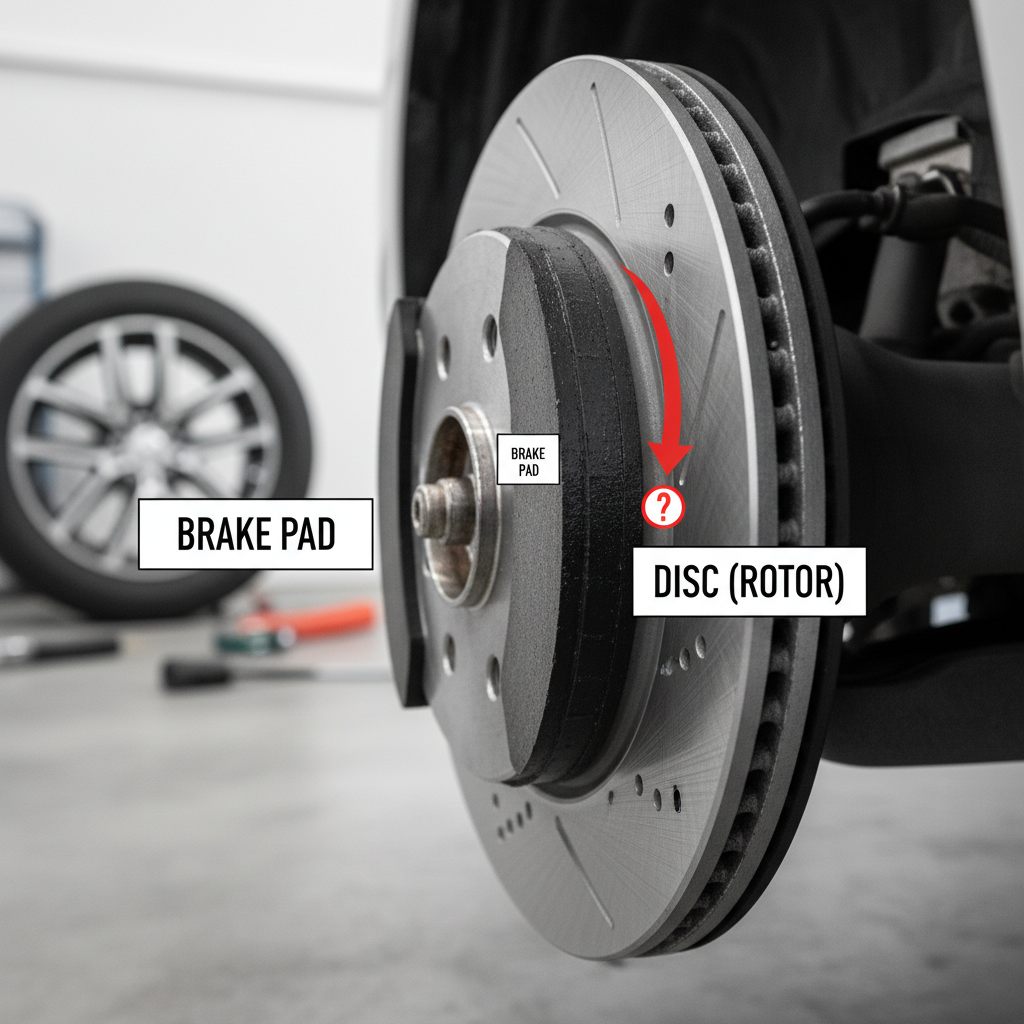
Explain how friction between a brake pad and the disc brings a moving car to a stop. [1]
b
Describe one disadvantage of using high-friction brake pads in a braking system, and explain one consequence of this disadvantage. [2]
c
Using the data above, analyse the trade-off a vehicle designer must consider when choosing between Pad A and Pad B. [2]
Solutions
4QuestionFactors Affecting Air and Water ResistanceAssessment Practice
6 marks~9 minCriterion B
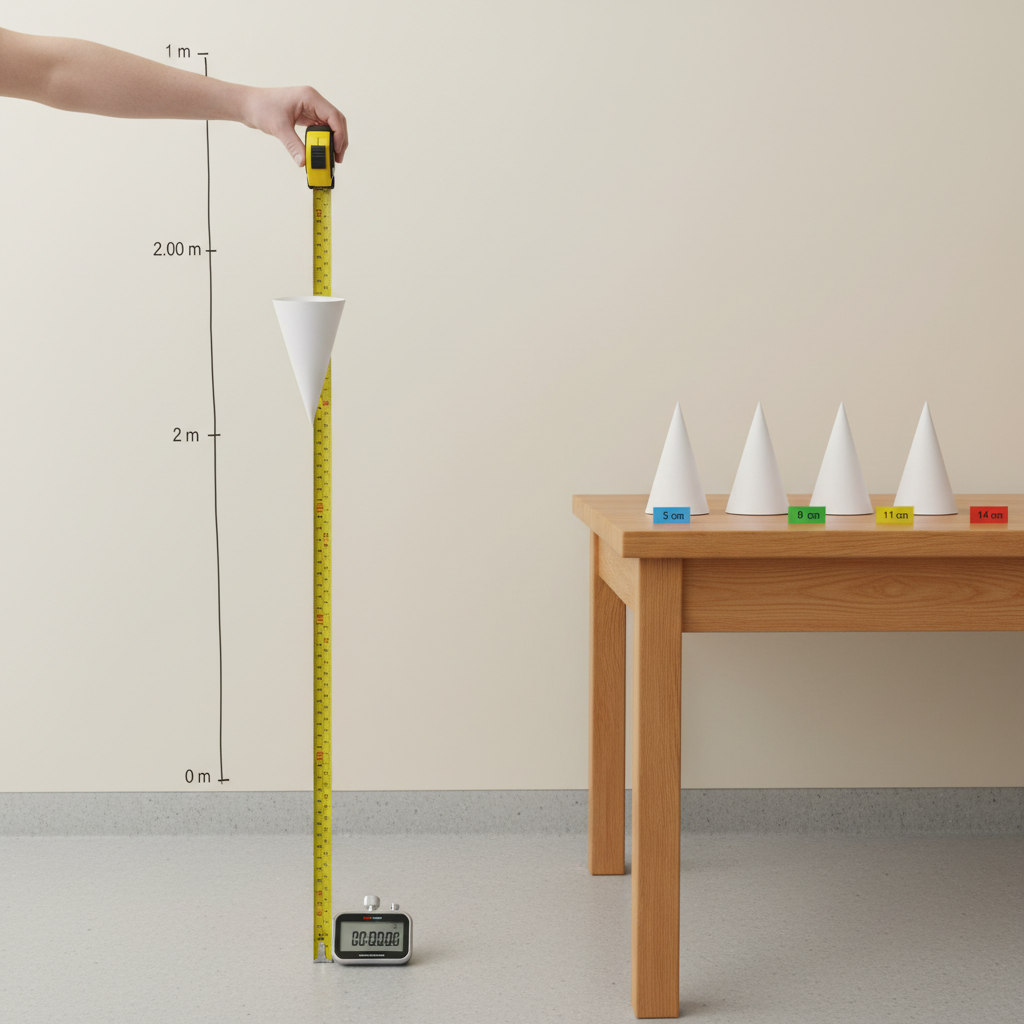
A student drops paper cones of the same mass from a height of 2 m. Each cone has a different base diameter. The results are shown below.
| Base diameter (cm) | 5 | 8 | 11 | 14 |
|---|---|---|---|---|
| Fall time (s) | 1.2 | 1.5 | 1.9 | 2.4 |
a
Describe the relationship between base diameter and fall time shown in the data. [1]
b
Explain why a larger base diameter causes the cone to fall more slowly. [2]
c
The differences in fall time between consecutive measurements are s, s, and s. Using this pattern, predict the fall time for a cone with a base diameter of 17 cm. Justify your prediction. [3]
Solutions
That's every free question here — 4 of 75.
+71 more questions, plus Mock Papers & Worksheets, are waiting in Premium.