You're viewing free preview questions — 4 questions previewing here — subscribe to unlock 72 more, plus the Full Question Bank, Mock Papers & Worksheets.Upgrade
Sound Waves and Vibrations — Free MYP3 Sciences Practice Questions

1QuestionEchoes and ReverberationConcept Practice
2 marks~3 minCriterion A
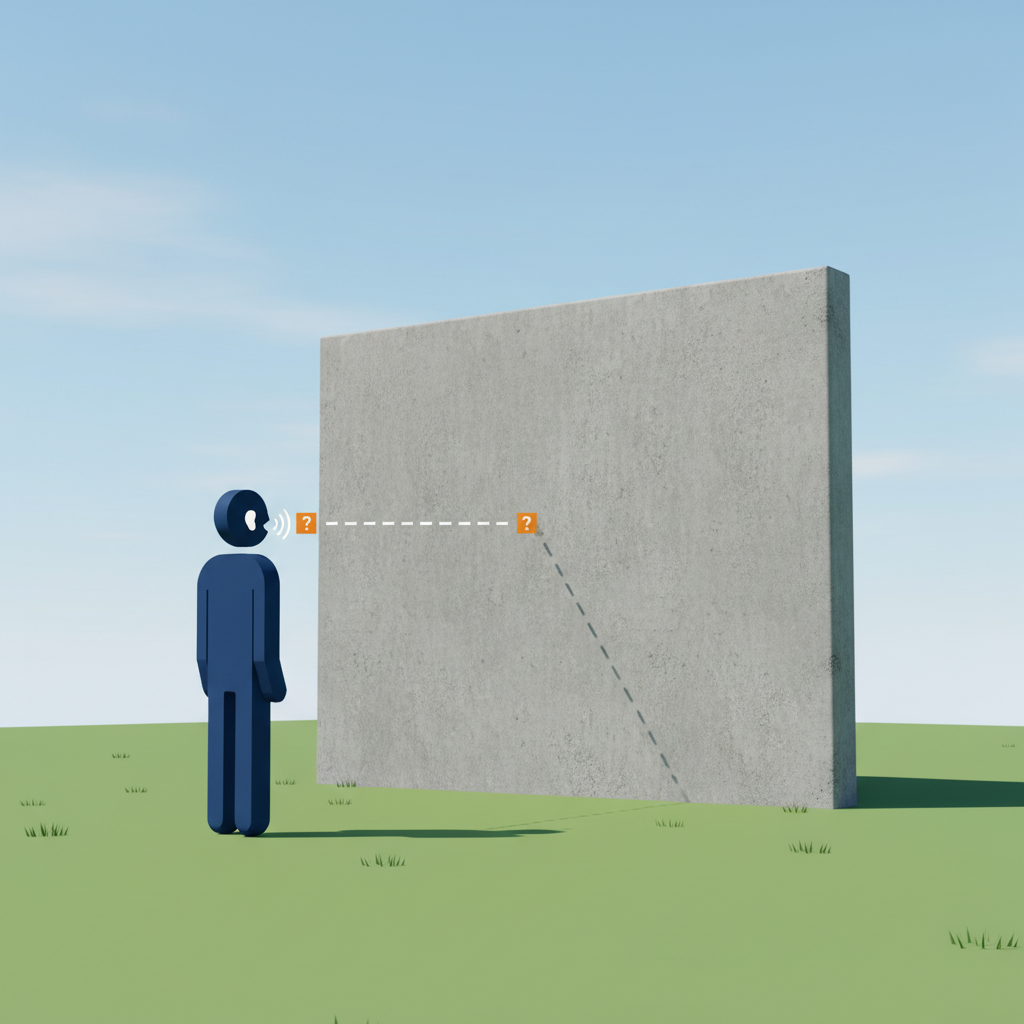
A person standing 85 m from a large wall shouts loudly. The sound travels to the wall and reflects back to the person's ear, producing an echo.
Describe the path taken by the sound wave that produces the echo. [2]
Describe the path taken by the sound wave that produces the echo. [2]

Solutions
2QuestionVibrations in Solids Liquids and GasesAssessment Practice
4 marks~6 minCriterion C
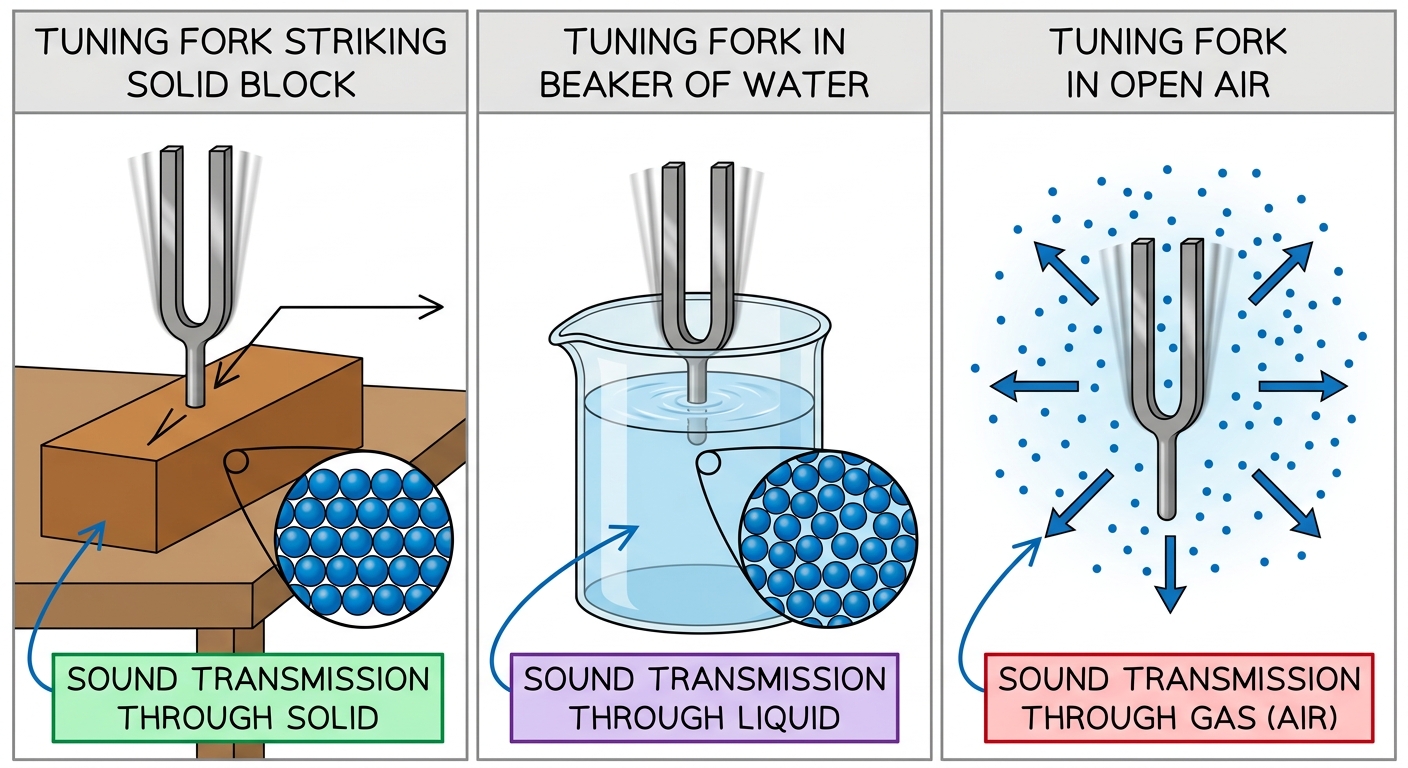
A tuning fork is struck and held against a solid wooden block, then dipped into water, then held in open air. A student observes that the sound heard is loudest when the tuning fork touches the wooden block.
a
Describe the particle arrangement in a solid. [1]
b
Explain why sound travels more effectively through a solid than through a liquid or a gas. [2]
c
A second tuning fork of the same frequency is struck with greater force. The student claims the medium that transmits sound most effectively will change. Assess whether this claim is correct, using evidence from particle theory. [1]
Solutions
3QuestionEchoes and ReverberationAssessment Practice
4 marks~6 minCriterion D
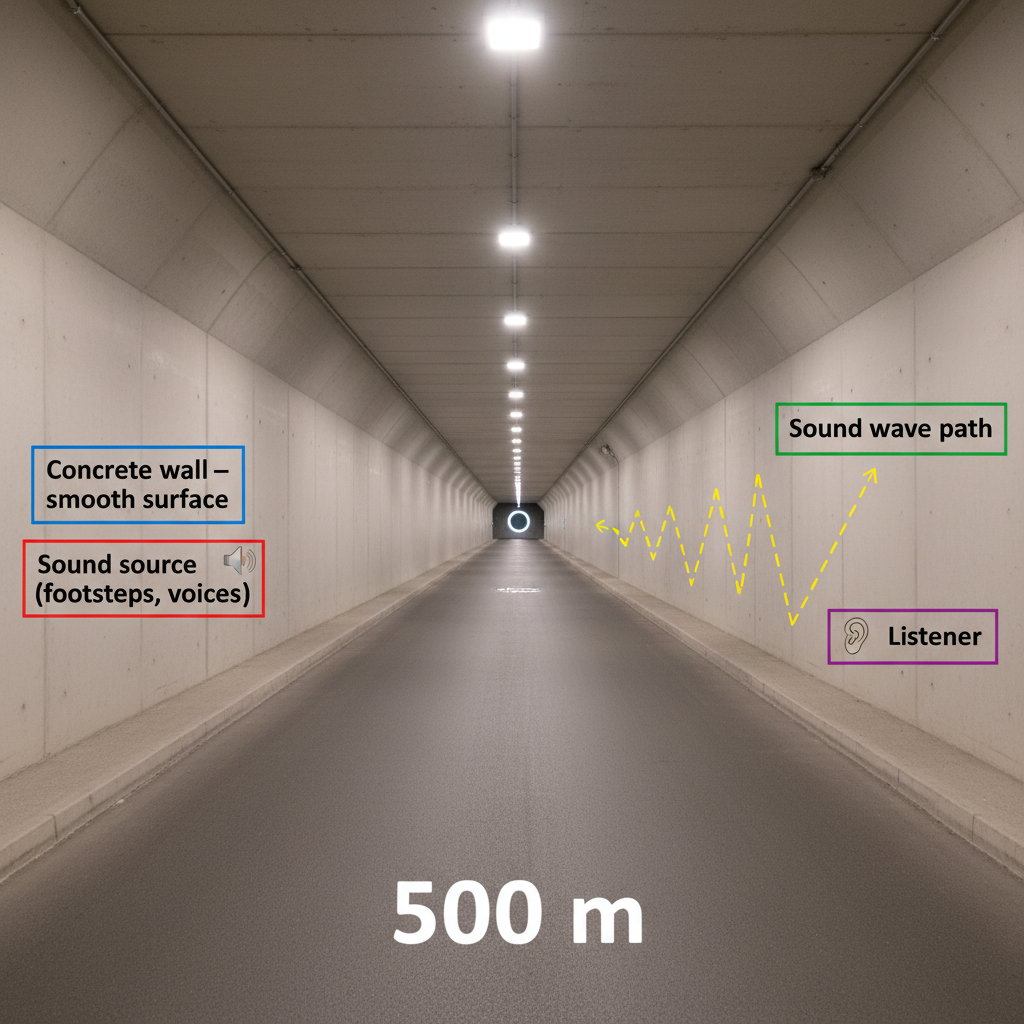
A civil engineer is designing a 500 m pedestrian tunnel through a hill. The tunnel is straight with smooth concrete walls.
a
Apply the concept of reverberation to explain one design choice the engineer could make to improve safety in the tunnel. [2]
b
Explain one limitation of completely eliminating echoes in the tunnel and how this would affect the experience of people using it. [2]
Solutions
4QuestionEchoes and ReverberationAssessment Practice
3 marks~5 minCriterion B
A student tests how quickly an echo fades in a room by replacing the wall material each time.
Echo fade time (seconds):
Foam: 0.9, Carpet: 1.2, Wood: 2.8, Glass: 3.5
Echo fade time (seconds):
Foam: 0.9, Carpet: 1.2, Wood: 2.8, Glass: 3.5
a
Describe the difference in echo fade times between foam and glass. [1]
b
Explain why carpet produces a shorter echo fade time than wood. [1]
c
Analyse the data to determine which property of a material controls how long an echo lasts in a room. Support your answer with evidence from the data. [1]
Solutions
That's every free question here — 4 of 76.
+72 more questions, plus Mock Papers & Worksheets, are waiting in Premium.