You're viewing free preview questions — 4 questions previewing here — subscribe to unlock 75 more, plus the Full Question Bank, Mock Papers & Worksheets.Upgrade
Electronic Configuration and Shell Model — Free MYP4 Chemistry Practice Questions

1QuestionElectron Configuration NotationConcept Practice
3 marks~5 minCriterion A
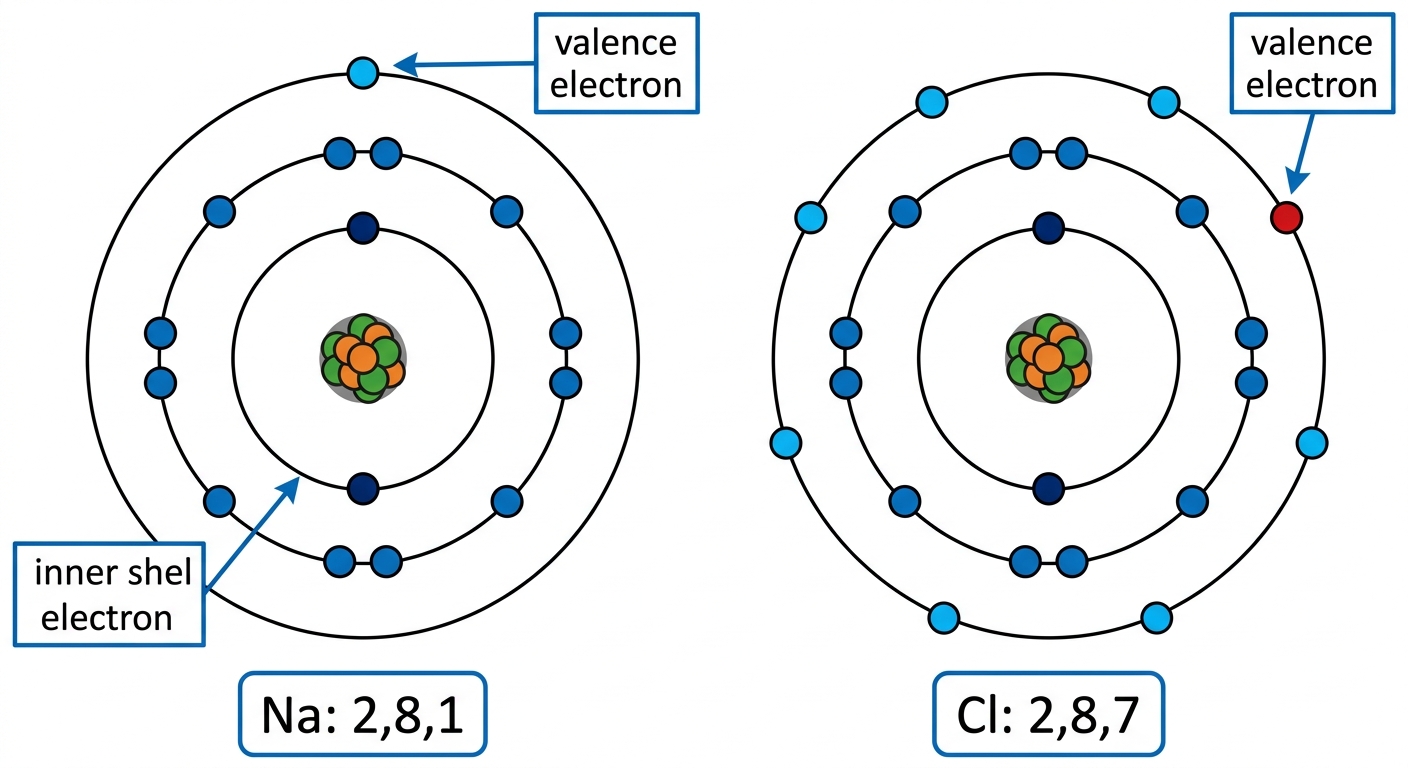
Sodium (Na) has the electron configuration and chlorine (Cl) has the electron configuration .
a
State the electron transfer each atom must undergo to achieve a stable noble gas configuration. [1]
b
Using the octet rule and the electron configurations of Na and Cl, explain why each atom achieves greater stability by the transfer you described in (a) rather than the alternative. [2]

Solutions
2QuestionUnderstanding Electron ShellsAssessment Practice
5 marks~8 minCriterion C
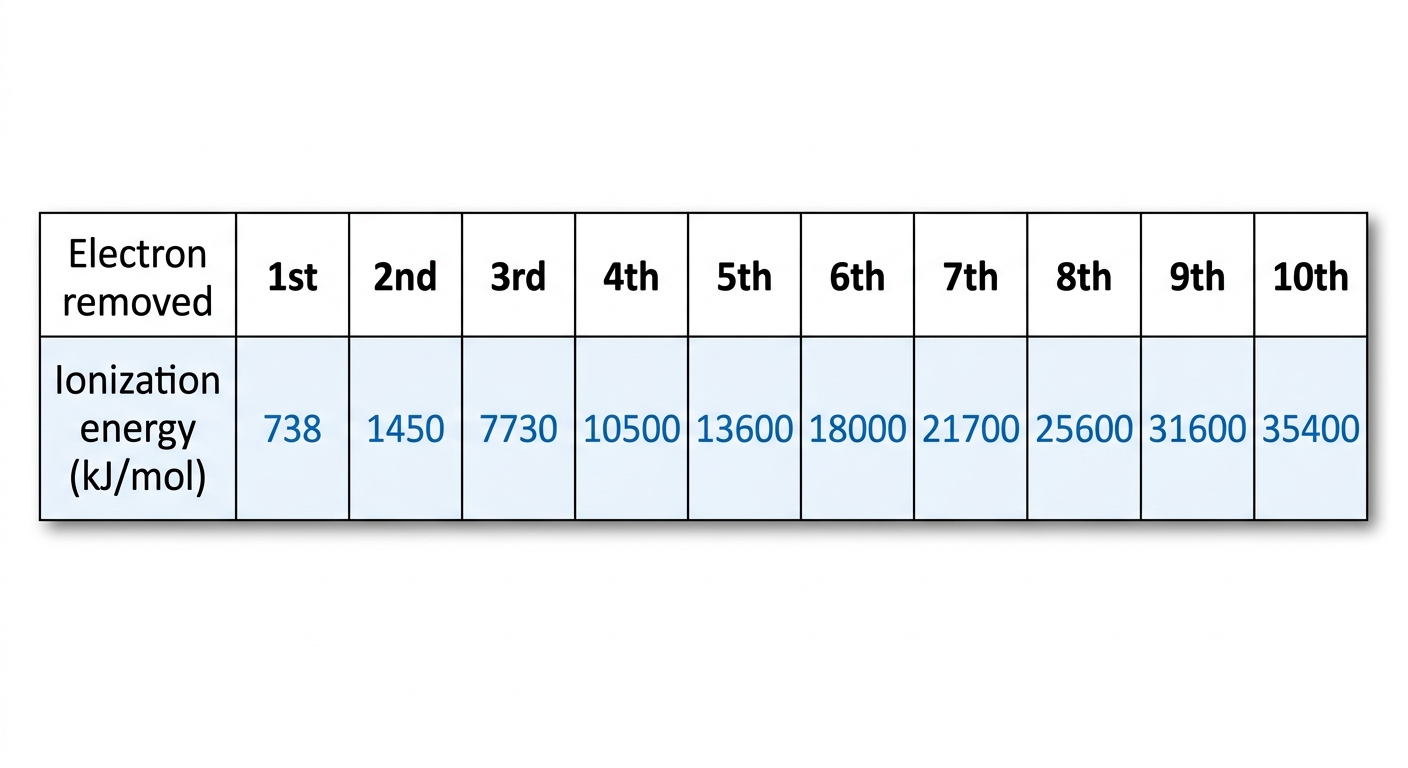
The successive ionisation energies for a magnesium atom are given below.
| Electron removed | 1st | 2nd | 3rd | 4th | 5th | 6th | 7th | 8th | 9th | 10th |
|---|---|---|---|---|---|---|---|---|---|---|
| Ionisation energy (kJ/mol) | 738 | 1450 | 7730 | 10500 | 13600 | 18000 | 21700 | 25600 | 31600 | 35400 |
a
Calculate the difference in ionisation energy between the 2nd and 3rd electrons removed. [1]
b
Magnesium has the electron configuration 2, 8, 2. Using this configuration, explain why the ionisation energy increases more sharply between the 2nd and 3rd electrons than between any two consecutive electrons in the outermost shell. [2]
c
A student claims: "The steady increases seen from the 3rd to the 10th ionisation energies also support the electron shell model." Evaluate this claim, identifying what additional shell boundary is revealed in the data and justifying your reasoning. [2]
Solutions
3QuestionElectron Configuration NotationAssessment Practice
5 marks~8 minCriterion B
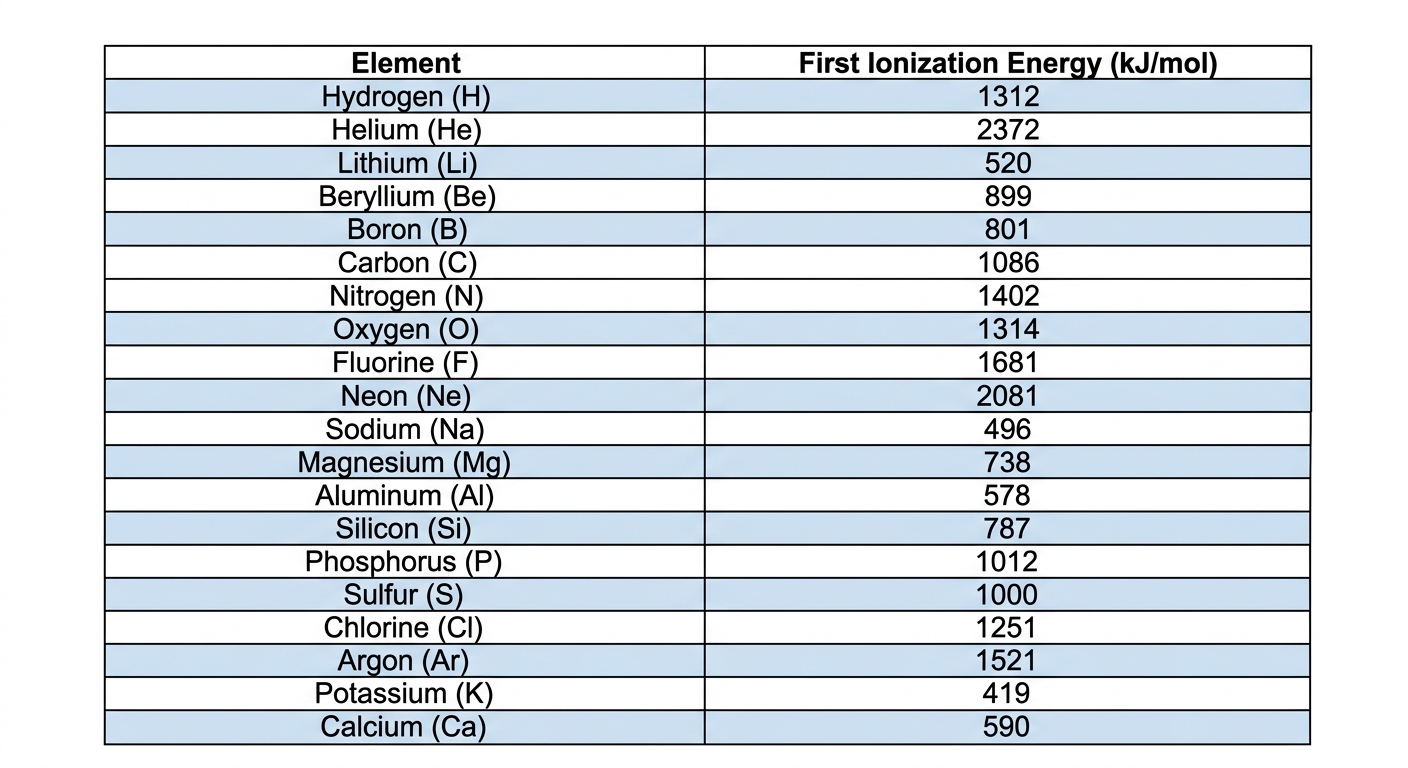
The table below shows first ionisation energies (kJ/mol) for elements to .
H: 1312 — He: 2372 — Li: 520 — Be: 899 — B: 801 — C: 1086 — N: 1402 — O: 1314 — F: 1681 — Ne: 2081 — Na: 496 — Mg: 738 — Al: 578 — Si: 787 — P: 1012 — S: 1000 — Cl: 1251 — Ar: 1521 — K: 419 — Ca: 590
A two-shell hypothesis proposes that the first shell holds 2 electrons and the second shell holds all remaining electrons.
H: 1312 — He: 2372 — Li: 520 — Be: 899 — B: 801 — C: 1086 — N: 1402 — O: 1314 — F: 1681 — Ne: 2081 — Na: 496 — Mg: 738 — Al: 578 — Si: 787 — P: 1012 — S: 1000 — Cl: 1251 — Ar: 1521 — K: 419 — Ca: 590
A two-shell hypothesis proposes that the first shell holds 2 electrons and the second shell holds all remaining electrons.
a
State what the two-shell hypothesis predicts about the trend in first ionisation energy from (Li) to (Ca). [1]
b
Identify two pairs of adjacent elements where the data contradict the two-shell hypothesis, and explain why each drop in ionisation energy indicates the start of a new electron shell. [2]
c
Evaluate whether the ionisation energy data support the modern shell-subshell model (filling pattern 2, 8, 8, 2), using the smaller drops at Be–B, N–O, Mg–Al, and P–S as evidence. [2]
Solutions
4QuestionRelating Configuration to ReactivityAssessment Practice
8 marks~12 minCriterion D
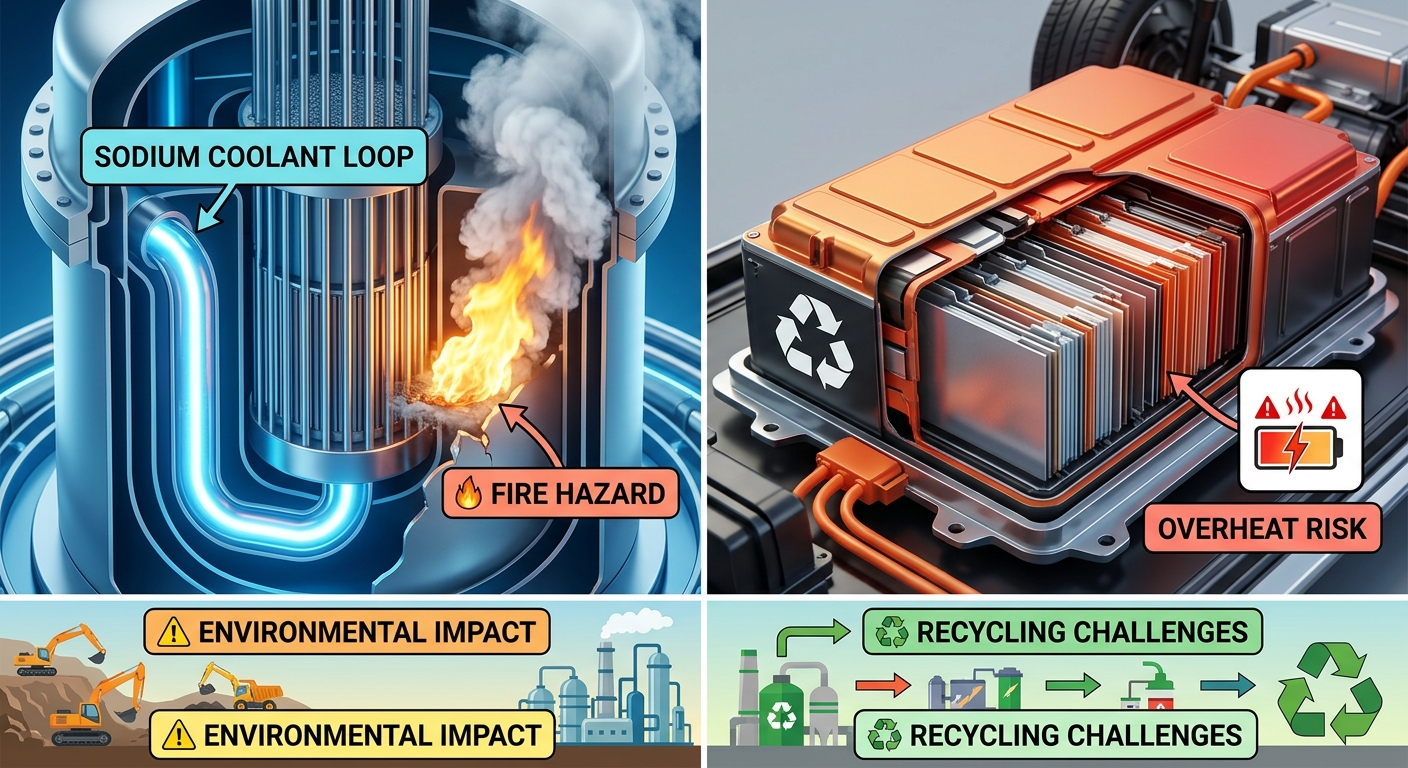
Sodium (Na) is used as a liquid coolant in some nuclear reactors; lithium (Li) powers rechargeable batteries in electric vehicles and portable electronics. Both metals are extracted through mining and chemical processing. Lithium-ion batteries can be recycled, but the process remains inefficient and uncommon. Sodium coolant leaks pose fire and explosion hazards, while damaged lithium batteries can overheat and ignite.
a
State the electronic configurations of Na and Li, and explain why both metals are highly reactive. [2]
b
Compare the societal benefits of sodium-cooled nuclear reactors with those of lithium-ion batteries. [2]
c
Discuss the environmental and safety limitations of both technologies, referring to mining impacts, recycling challenges, and fire hazards. [3]
d
Evaluate which technology presents a better overall balance of benefits and limitations, justifying your conclusion. [1]
Solutions
That's every free question here — 4 of 79.
+75 more questions, plus Mock Papers & Worksheets, are waiting in Premium.