You're viewing free preview questions — 4 questions previewing here — subscribe to unlock 87 more, plus the Full Question Bank, Mock Papers & Worksheets.Upgrade
Financial Mathematics — Free MYP4 Mathematics (Standard) Practice Questions

1QuestionSimple and Compound InterestConcept Practice
2 marks~3 minCriterion A
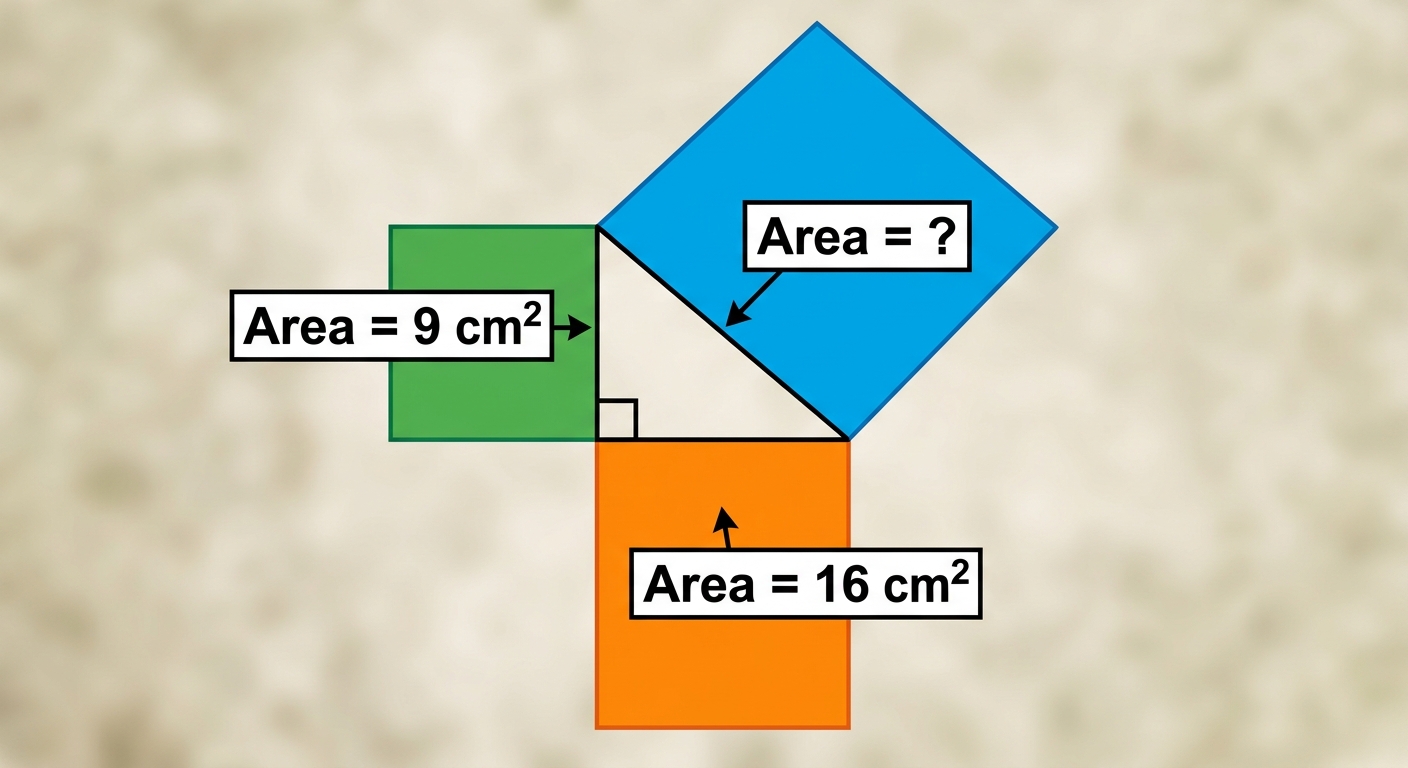
A property developer is fencing a triangular plot of land. The plot is right-angled, and surveyors have confirmed that the two shorter boundary lengths satisfy and .
a
Calculate the area of the square on the longest boundary. [1]
b
The developer claims the longest boundary exceeds 65 m, so a more expensive fencing grade is required. Justify whether this claim is correct, using your result from part (a). [1]

Solutions
2QuestionSolving Real-World Finance ProblemsAssessment Practice
4 marks~6 minCriterion D
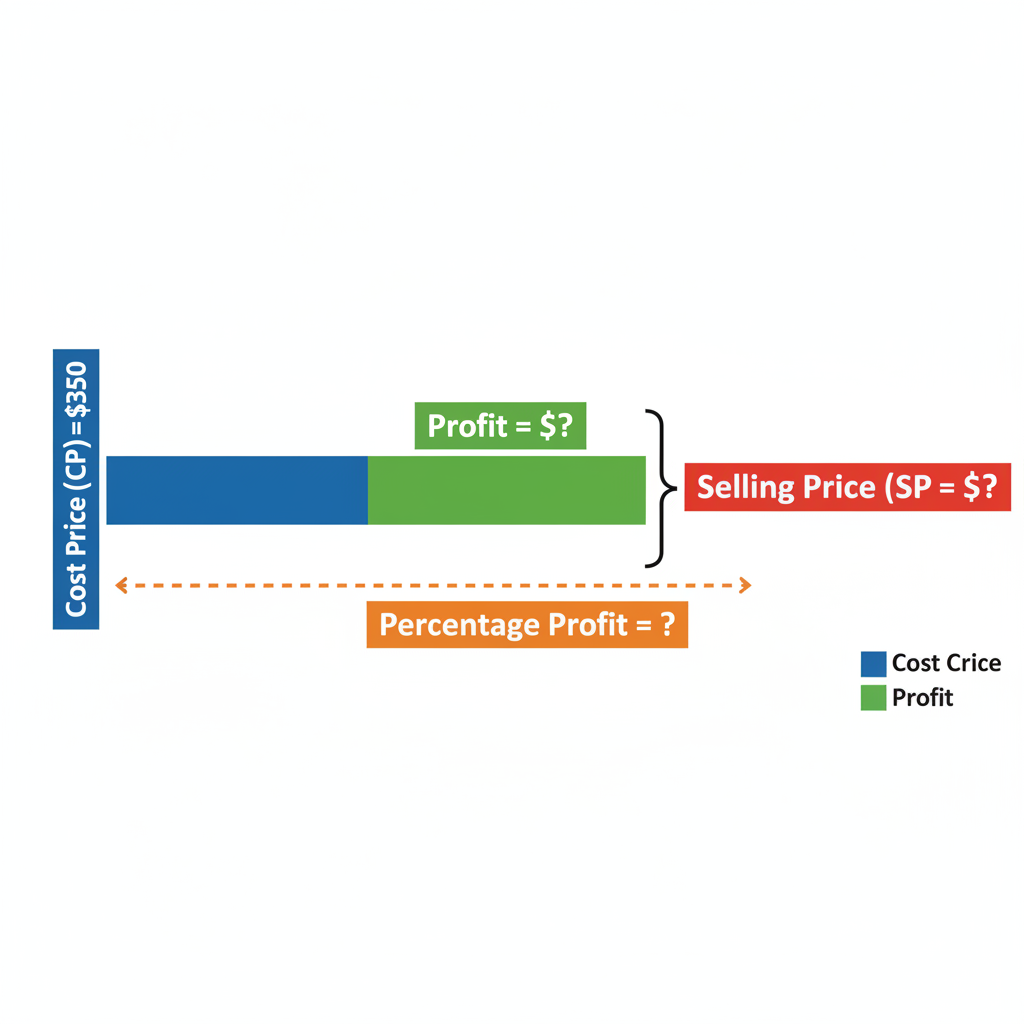
A retailer purchases goods for 350 dollars and sells them at a marked price.
a
Write the formula for percentage profit. [1]
b
Determine the selling price if the retailer targets a 40% profit on the cost price. [1]
c
The retailer's supplier raises the cost price by 15%, but the selling price remains at 490 dollars. Advise the retailer whether the selling price should be renegotiated, using your calculated percentage profit to support your recommendation. [2]
Solutions
3QuestionProfit Loss and Discount CalculationsAssessment Practice
4 marks~6 minCriterion C
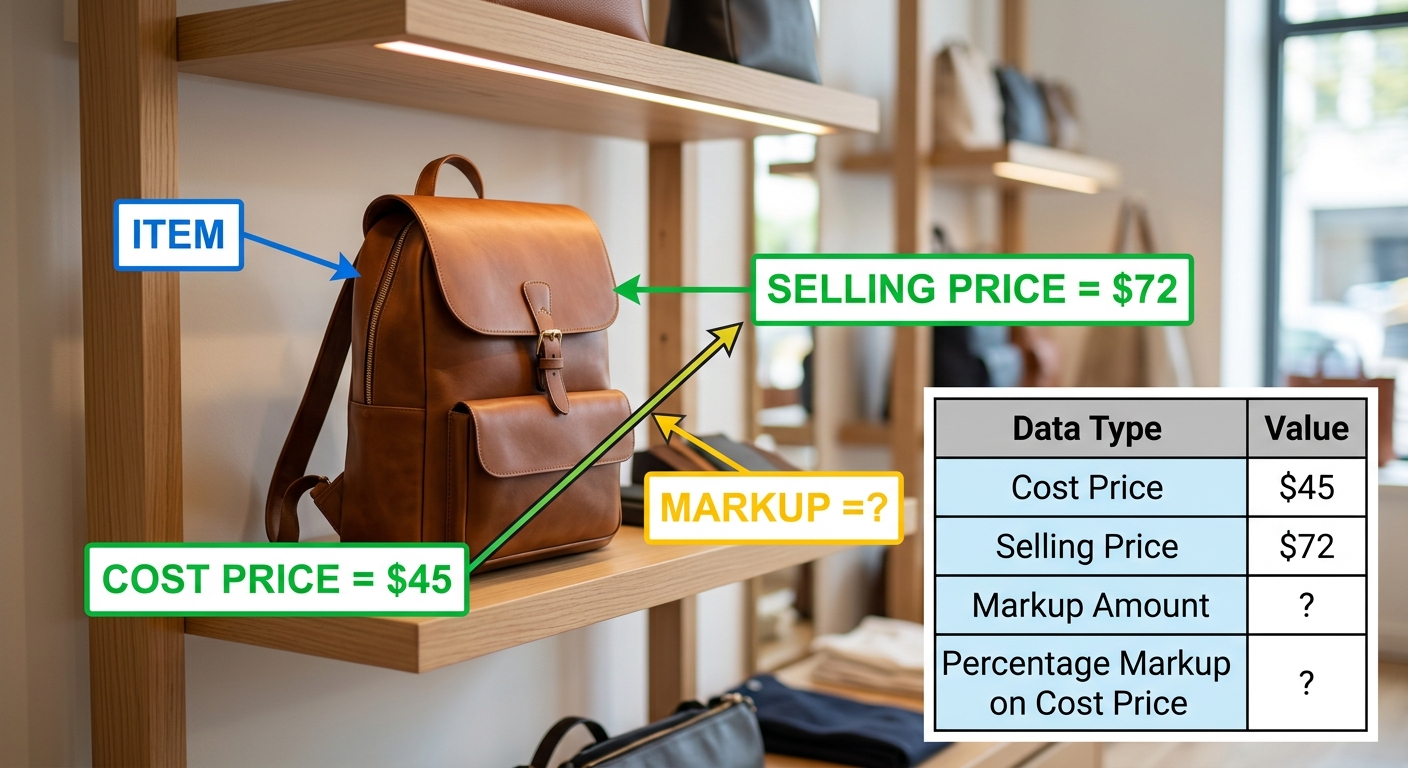
A retailer purchases a jacket at a cost price of 45 dollars and sells it for 72 dollars.
a
Calculate the markup amount on the jacket. [1]
b
Deduce the percentage markup based on the cost price. [1]
c
The retailer claims: "A markup of over 50% on cost price means I am making more than 50 cents profit on every dollar of revenue I receive."
Assess whether this claim is correct, supporting your answer with a calculation. [2]
Assess whether this claim is correct, supporting your answer with a calculation. [2]
Solutions
4QuestionProfit Loss and Discount CalculationsAssessment Practice
6 marks~9 minCriterion B
A retail store runs a "Buy 1 Get 1" promotion in which the second item is discounted. Three schemes are available:
Scheme A: 50% off the second item
Scheme B: 40% off the second item
Scheme C: 30% off the second item
A storewide flat 10% discount also applies and may be used either before or after the scheme discount.
Scheme A: 50% off the second item
Scheme B: 40% off the second item
Scheme C: 30% off the second item
A storewide flat 10% discount also applies and may be used either before or after the scheme discount.
a
Calculate the overall discount percentage on the total cost of two items for all six combinations (three schemes × two orders of application). [2]
b
Show that, for any scheme discount fraction and flat discount fraction , the overall discount fraction on two items is , regardless of the order in which the discounts are applied. [3]
c
A consumer watchdog claims that stores deliberately advertise the order of discounts to make savings appear larger than they are. Using your result from (b), assess whether this claim has mathematical merit. [1]
Solutions
That's every free question here — 4 of 91.
+87 more questions, plus Mock Papers & Worksheets, are waiting in Premium.