You're viewing free preview questions — 5 questions previewing here — subscribe to unlock 148 more, plus the Full Question Bank, Mock Papers & Worksheets.Upgrade
Nuclear Stability & Isotopes — Free MYP4 Physics Practice Questions

1QuestionBinding energy (qualitative)Concept Practice
2 marks~3 minCriterion A
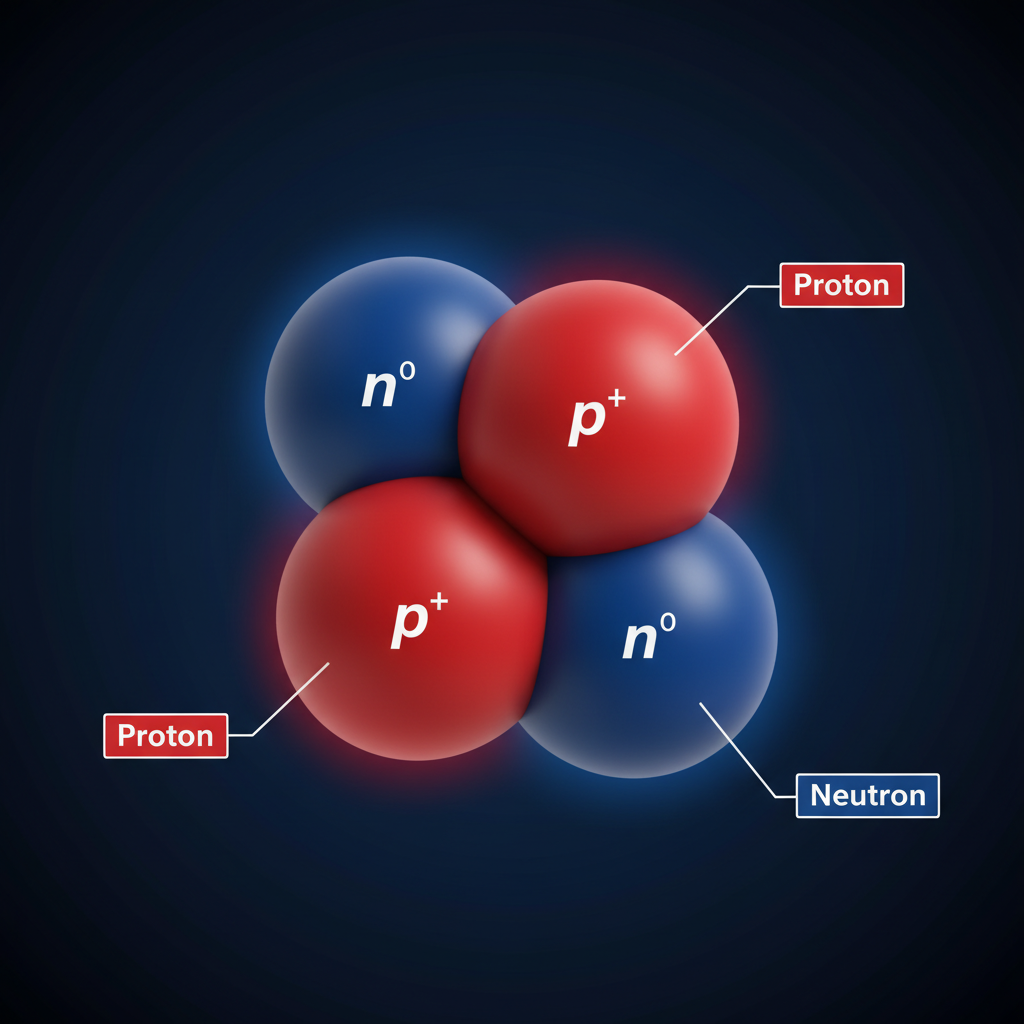
A helium-4 nucleus (He) contains two protons and two neutrons packed into a diameter of approximately m.
a
Identify the fundamental force that holds the nucleons together inside the helium-4 nucleus. [1]
b
Explain why this force is necessary for the nucleus to remain stable, given that the nucleus also contains two positively charged protons. [1]

Solutions
2QuestionRadioactive vs stable isotopesAssessment Practice
3 marks~5 minCriterion A
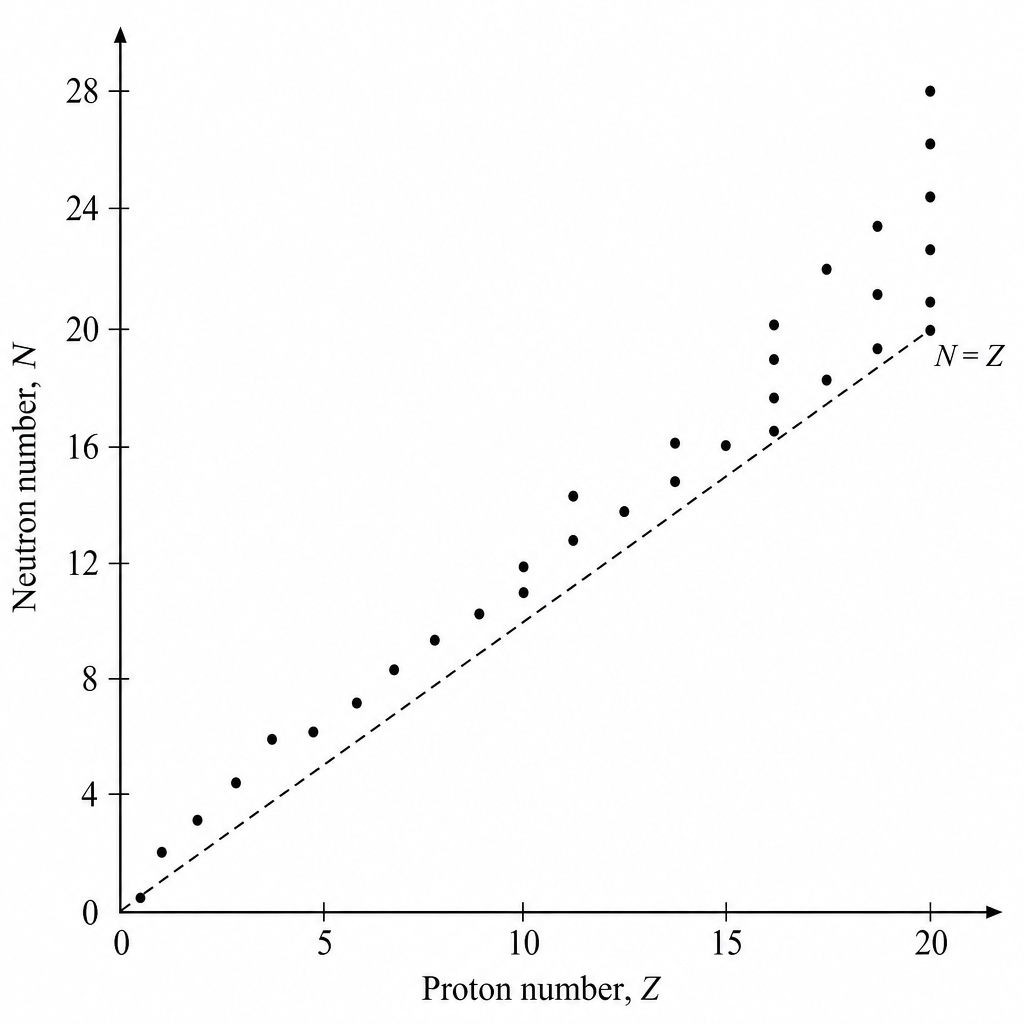
The graph below shows the number of neutrons () plotted against the number of protons () for stable isotopes of elements from hydrogen to calcium ( to ). The dashed line shows for reference.
a
Describe the trend in the neutron-to-proton ratio () for stable isotopes as increases from 1 to 20. [1]
b
Explain why light stable isotopes () cluster near . [1]
c
Explain why heavier stable isotopes require progressively more neutrons than protons to remain stable. [1]
Solutions
3QuestionNotation of isotopes (e.g., ¹⁴C)Concept Practice
2 marks~3 minCriterion D
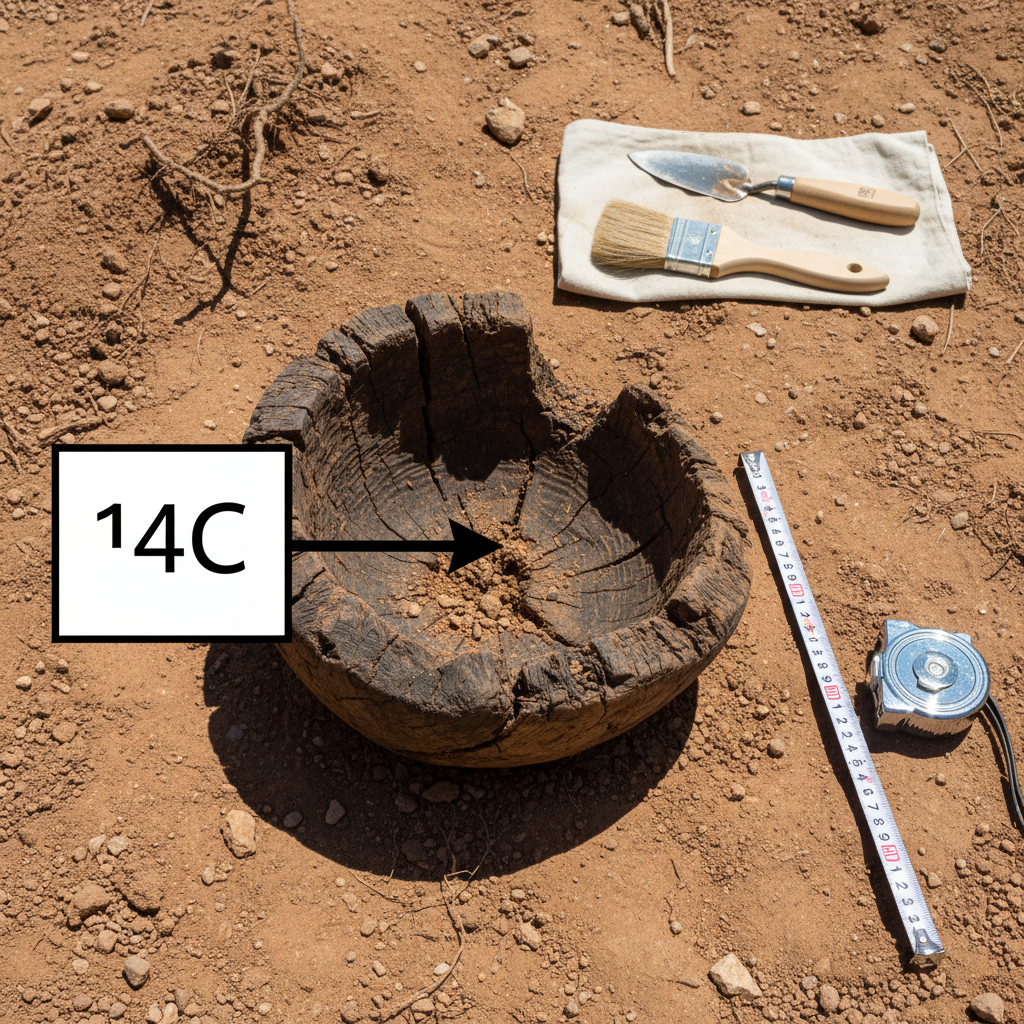
Archaeologists use radiocarbon dating to determine the age of organic artefacts. The method relies on the known half-life of (approximately 5 730 years) and the ratio of to remaining in a sample.
a
Describe one real-world application of in archaeology. [1]
b
Explain one limitation of this application that could affect the reliability of the age determined. [1]
Solutions
4QuestionBinding energy (qualitative)Assessment Practice
6 marks~9 minCriterion D
Data
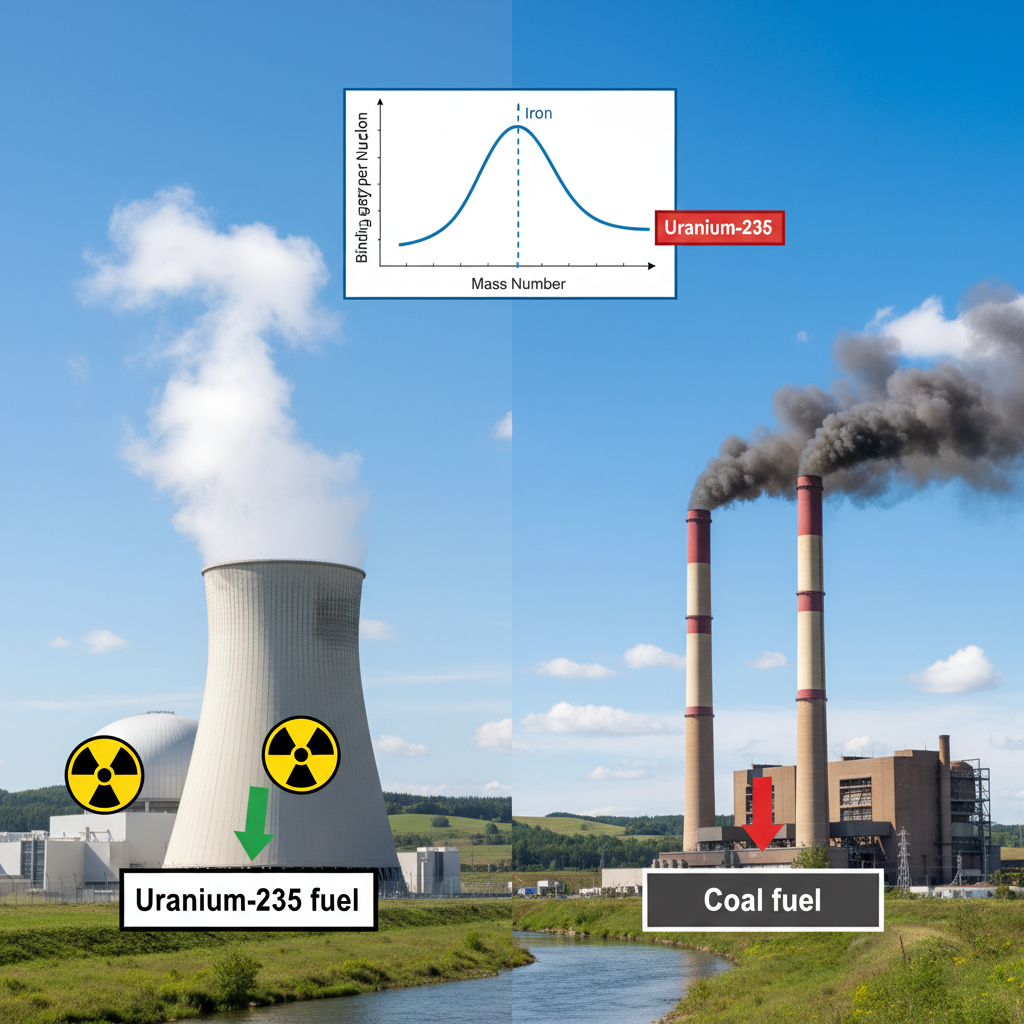
binding energy per nucleon of uranium-235 ≈ 7.6 MeV; average binding energy per nucleon of fission products ≈ 8.4 MeV; energy released per coal combustion reaction ≈ 4 eV per carbon atom.A government must choose between a uranium-235 fission power plant and a coal-fired power plant to meet future energy demands.
a
Using the data above, calculate the energy released per fission event of uranium-235. [2]
b
Explain why nuclear fuel releases significantly more energy per kilogram than coal. [2]
c
Evaluate the ethical trade-offs a government must consider when choosing between these two energy sources, addressing intergenerational equity in your answer. [2]
Solutions
5QuestionNotation of isotopes (e.g., ¹⁴C)Assessment Practice
12 marks~18 minCriterion D
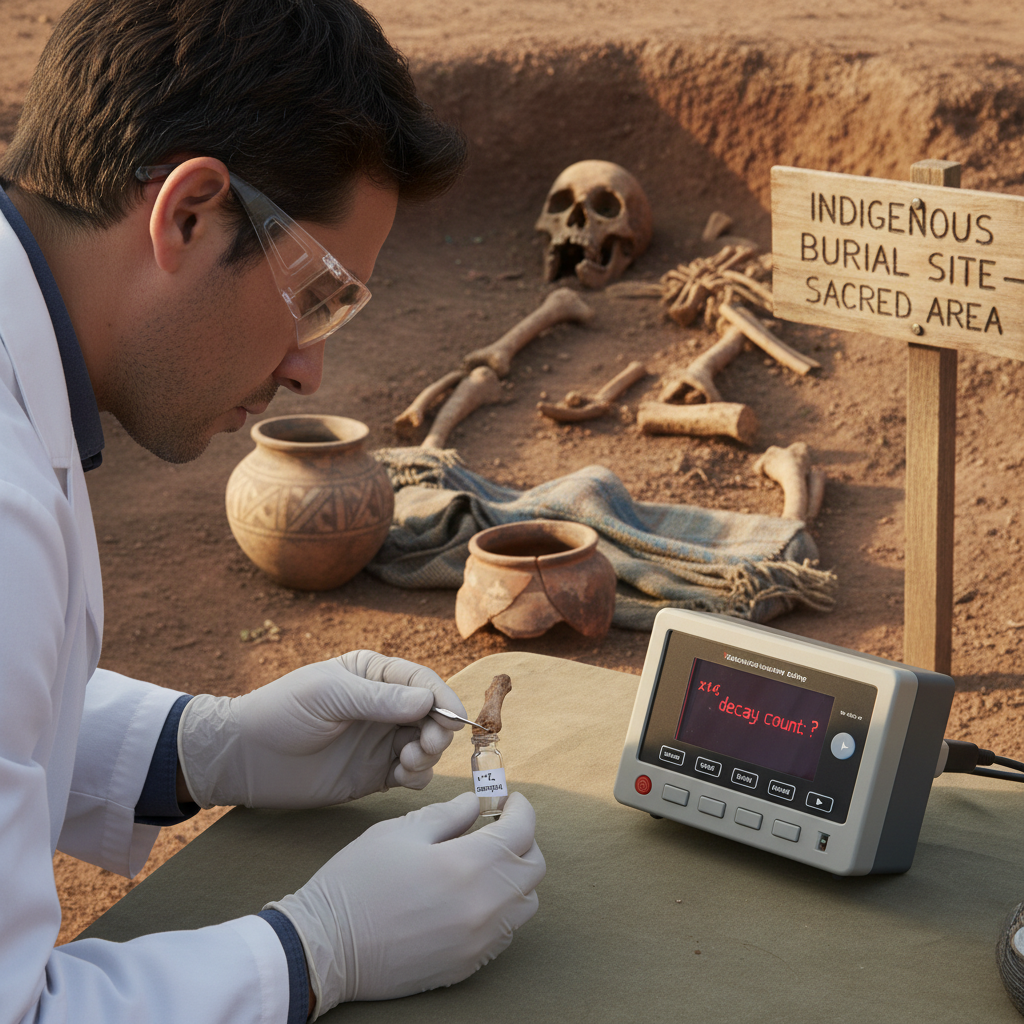
Carbon-14 dating estimates the age of archaeological material by measuring the radioactive decay of C. Living organisms continuously exchange carbon with the atmosphere, maintaining a constant C/C ratio. After death, C decays with a half-life of approximately 5730 years, while C remains stable. Dating requires destroying a small sample, which raises serious concerns when applied to Indigenous burial sites, where ancestral remains are considered sacred.
a
Explain what the notation C communicates about the structure of this isotope and why this structure makes it suitable for dating. [2]
b
Discuss the ethical conflict that arises when C dating is applied to Indigenous burial sites, addressing both the scientific value of the technique and the cultural concerns of affected communities. [4]
c
Analyse how the limitations of C dating — including contamination, calibration uncertainty, and assumptions about past atmospheric C levels — affect the reliability of age determinations from burial sites. [4]
d
Evaluate whether the use of C dating on human remains from Indigenous burial sites can be justified. [2]
Solutions
That's every free question here — 5 of 153.
+148 more questions, plus Mock Papers & Worksheets, are waiting in Premium.