You're viewing free preview questions — 5 questions previewing here — subscribe to unlock 60 more, plus the Full Question Bank, Mock Papers & Worksheets.Upgrade
Muscular System — Free MYP5 Biology Practice Questions

1QuestionCommon problemsConcept Practice
2 marks~3 minCriterion A
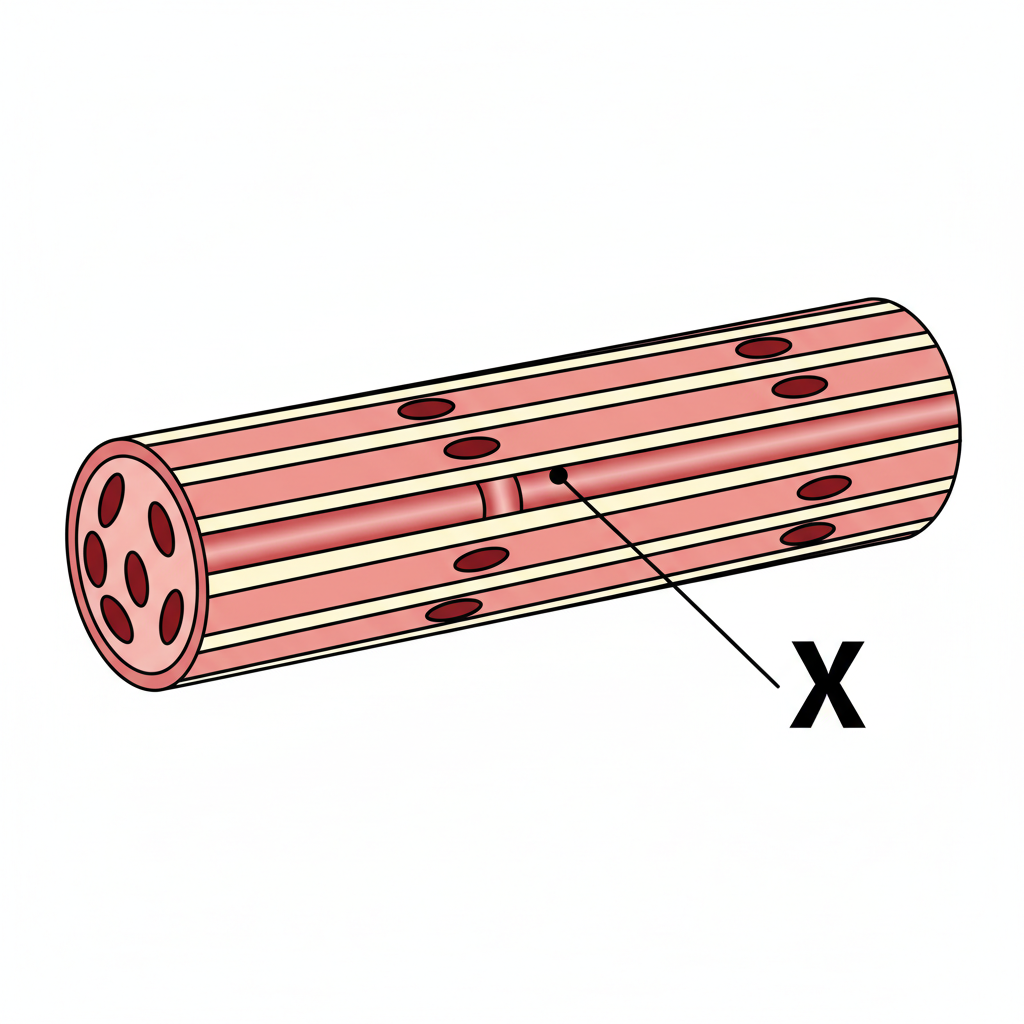
During intense exercise, skeletal muscle fibres are repeatedly stimulated, causing sustained contraction. A student examining an electron micrograph of a skeletal muscle fibre identifies structure X, the repeating unit bounded by two Z-lines.
a
Identify structure X. [1]
b
Explain how structure X shortens during muscle contraction. [1]

Solutions
2QuestionCommon problemsAssessment Practice
3 marks~5 minCriterion A
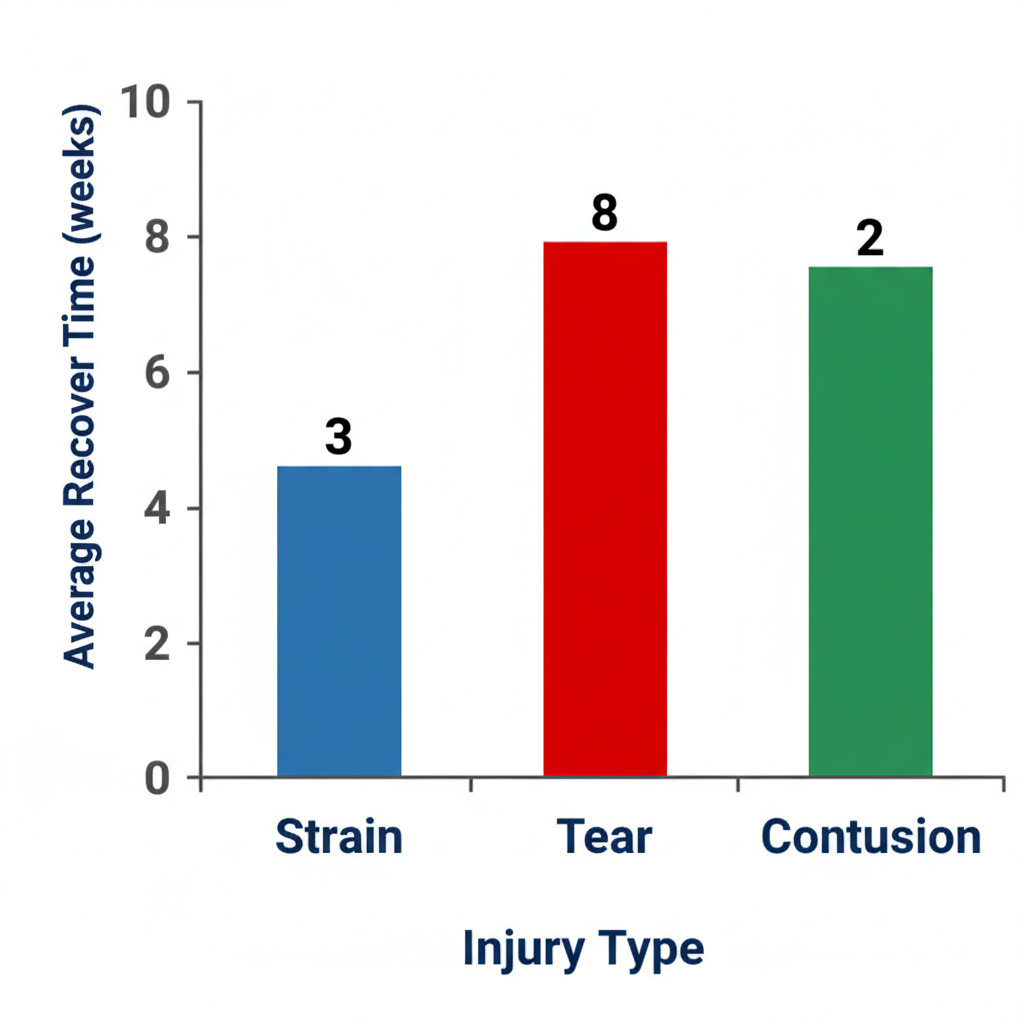
A sports physiotherapist records the average recovery time for three common muscle injuries:
Contusion: 2 weeks
Strain: 3 weeks
Tear: 8 weeks
Contusion: 2 weeks
Strain: 3 weeks
Tear: 8 weeks
a
State the injury with the shortest recovery time. [1]
b
Explain why a muscle strain heals more quickly than a muscle tear. [1]
c
A patient with a muscle tear is advised that recovery time may extend beyond 8 weeks if scar tissue forms incorrectly. Explain how abnormal scar tissue formation could impair muscle function during the remodelling phase. [1]
Solutions
3QuestionCommon problemsAssessment Practice
6 marks~9 minCriterion C
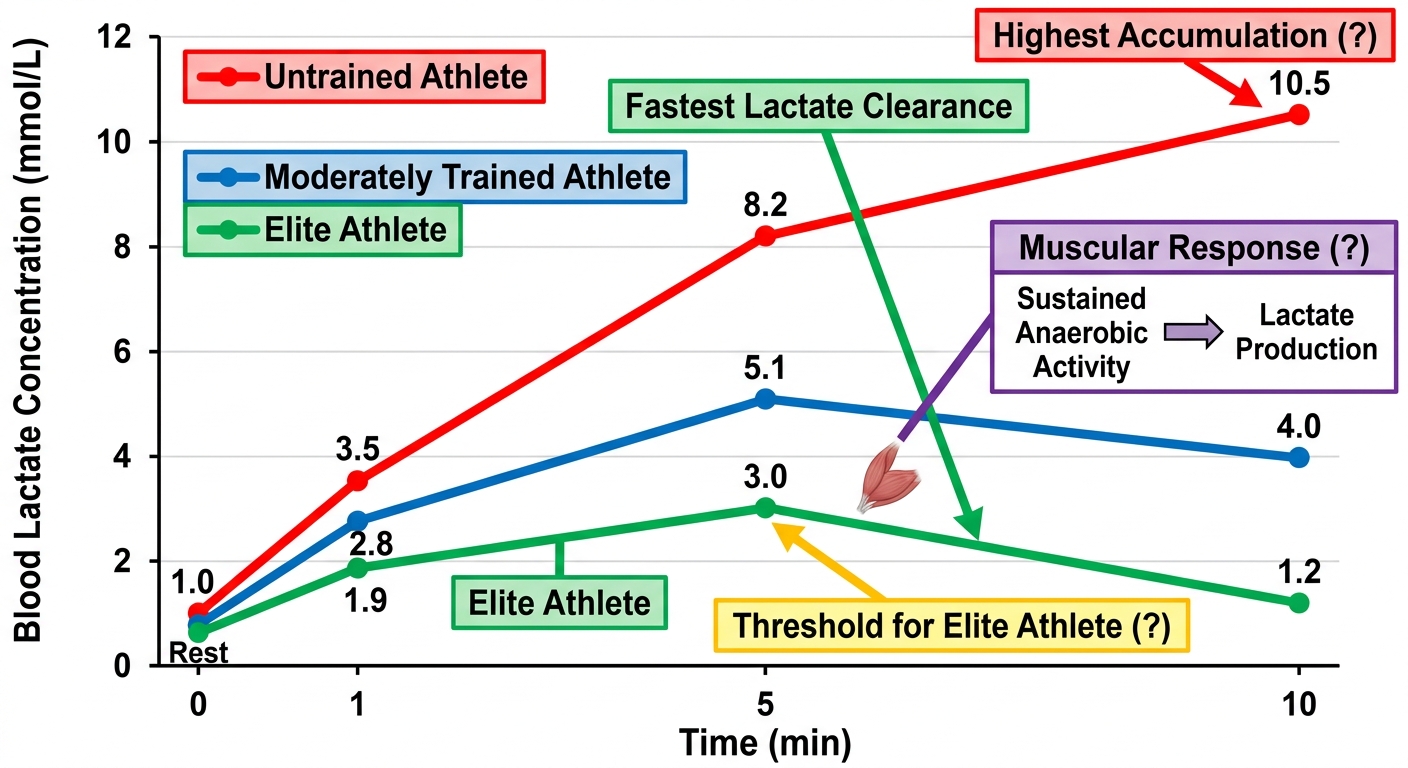
During a high-intensity cycling test, blood lactate concentration (mmol/L) was recorded for three athletes:
Time — Untrained — Moderately Trained — Elite
Time — Untrained — Moderately Trained — Elite
| Rest: 1.0 | 0.8 | 0.6 |
|---|---|---|
| After 1 min: 3.5 | 2.8 | 1.9 |
| After 5 min: 8.2 | 5.1 | 3.0 |
| After 10 min: 10.5 | 4.0 | 1.2 |
a
Describe the pattern of blood lactate accumulation for the untrained athlete over the 10-minute exercise period, using data from the table. [2]
b
Identify which athlete demonstrates the fastest lactate clearance after the 5-minute peak and explain how training level correlates with this ability. [2]
c
Analyse how the muscular system responds to sustained high-intensity exercise to produce lactate, and evaluate why lactate accumulation is greater in untrained athletes. [2]
Solutions
4QuestionCommon problemsAssessment Practice
6 marks~9 minCriterion D
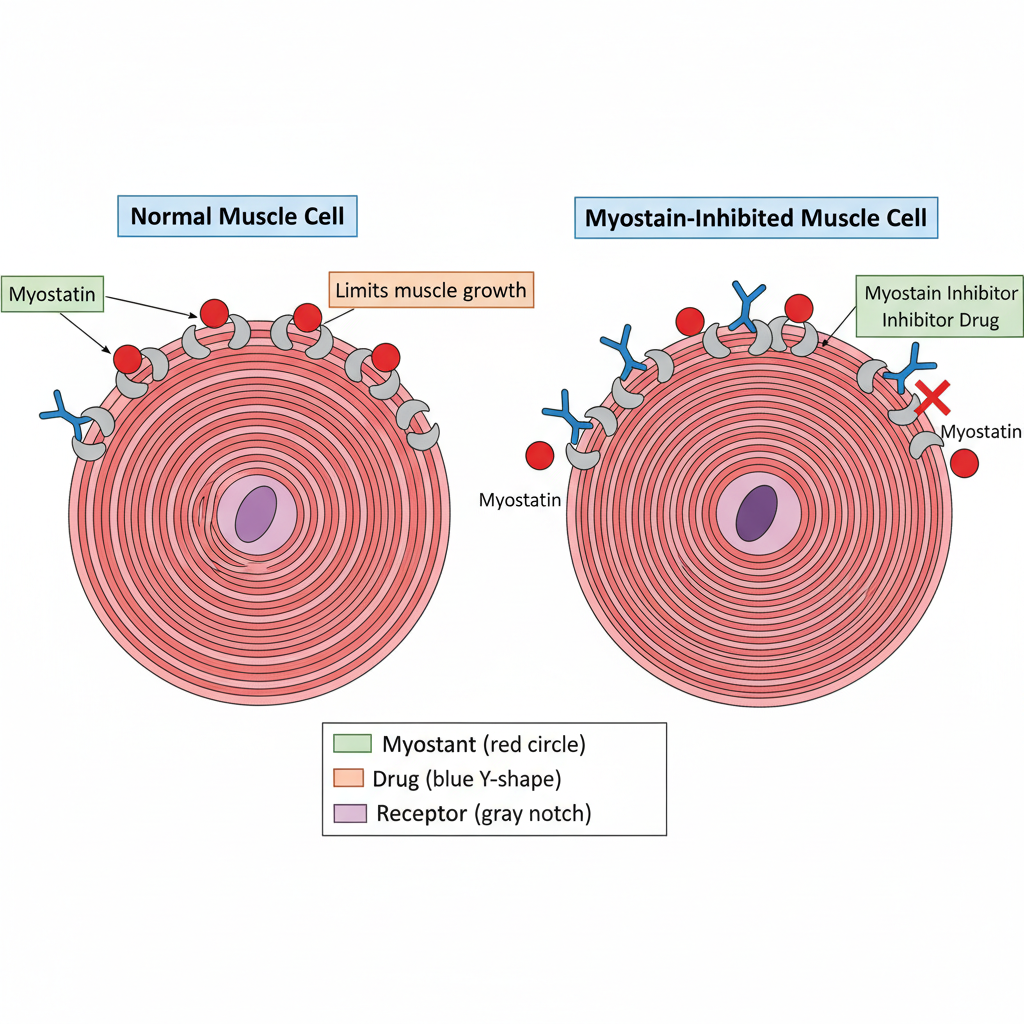
A pharmaceutical company has developed a myostatin-inhibitor drug. Myostatin is a protein that normally limits muscle growth. Clinical trials show the drug effectively prevents muscle wasting in bedridden patients. However, healthy athletes have begun requesting the drug to enhance performance and muscle appearance. The company is now lobbying regulators to approve the drug for non-medical use.
a
State one ethical concern raised by prescribing this drug to healthy athletes for performance enhancement. [1]
b
Explain one potential health risk associated with long-term suppression of myostatin in the human body. [2]
c
Evaluate whether this drug should be restricted to medical use only, or also permitted for cosmetic and performance purposes. [3]
Solutions
5QuestionCommon problemsAssessment Practice
6 marks~9 minCriterion D
Powered exoskeletons are robotic suits that assist movement by compensating for weakened skeletal muscle. Sarcopenia — the progressive, age-related loss of muscle mass and strength — affects approximately 10–30% of adults over 60, increasing fall risk and dependence on care.
a
Explain how sarcopenia affects skeletal muscle at the cellular level, and describe one way a powered exoskeleton compensates for this loss. [2]
b
Analyse one environmental concern arising from the widespread adoption of powered exoskeletons in elderly care. [2]
c
Evaluate whether the societal benefits of large-scale exoskeleton use outweigh its environmental costs, proposing one evidence-based strategy to reduce those costs. [2]

Solutions
That's every free question here — 5 of 65.
+60 more questions, plus Mock Papers & Worksheets, are waiting in Premium.