You're viewing free preview questions — 4 questions previewing here — subscribe to unlock 106 more, plus the Full Question Bank, Mock Papers & Worksheets.Upgrade
Homologus Series and Functional Groups — Free MYP5 Chemistry Practice Questions

1QuestionCommon functional groups:Alkane (-C-C-) , Alkene (-C=C-), Alcohol (-OH), Carboxylic acid (-COOH), Ester (-COO-)Concept Practice
2 marks~3 minCriterion A
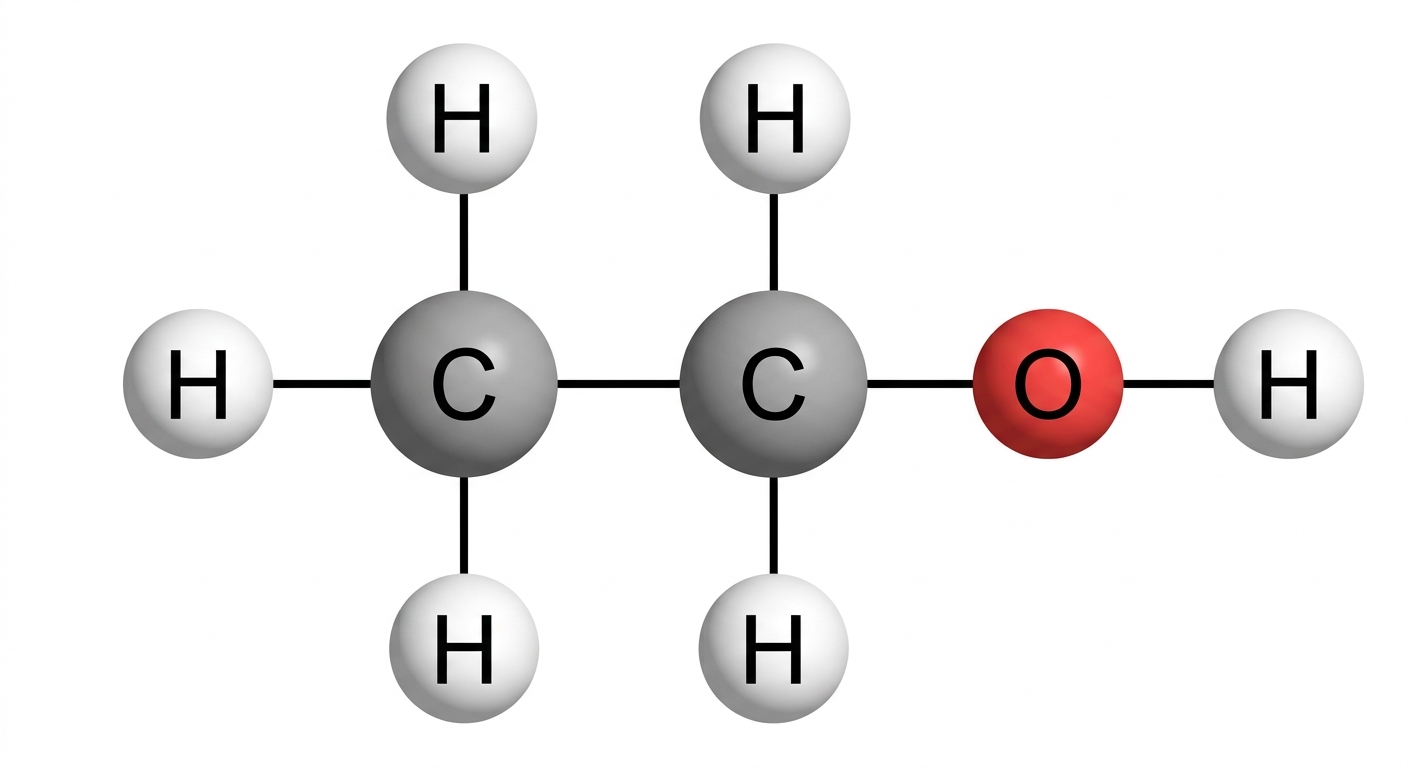
The displayed formula below shows a molecule containing two carbon atoms.
Identify the functional group present in this molecule. [2]
Identify the functional group present in this molecule. [2]

Solutions
2QuestionCommon functional groups:Alkane (-C-C-) , Alkene (-C=C-), Alcohol (-OH), Carboxylic acid (-COOH), Ester (-COO-)Assessment Practice
2 marks~3 minCriterion D
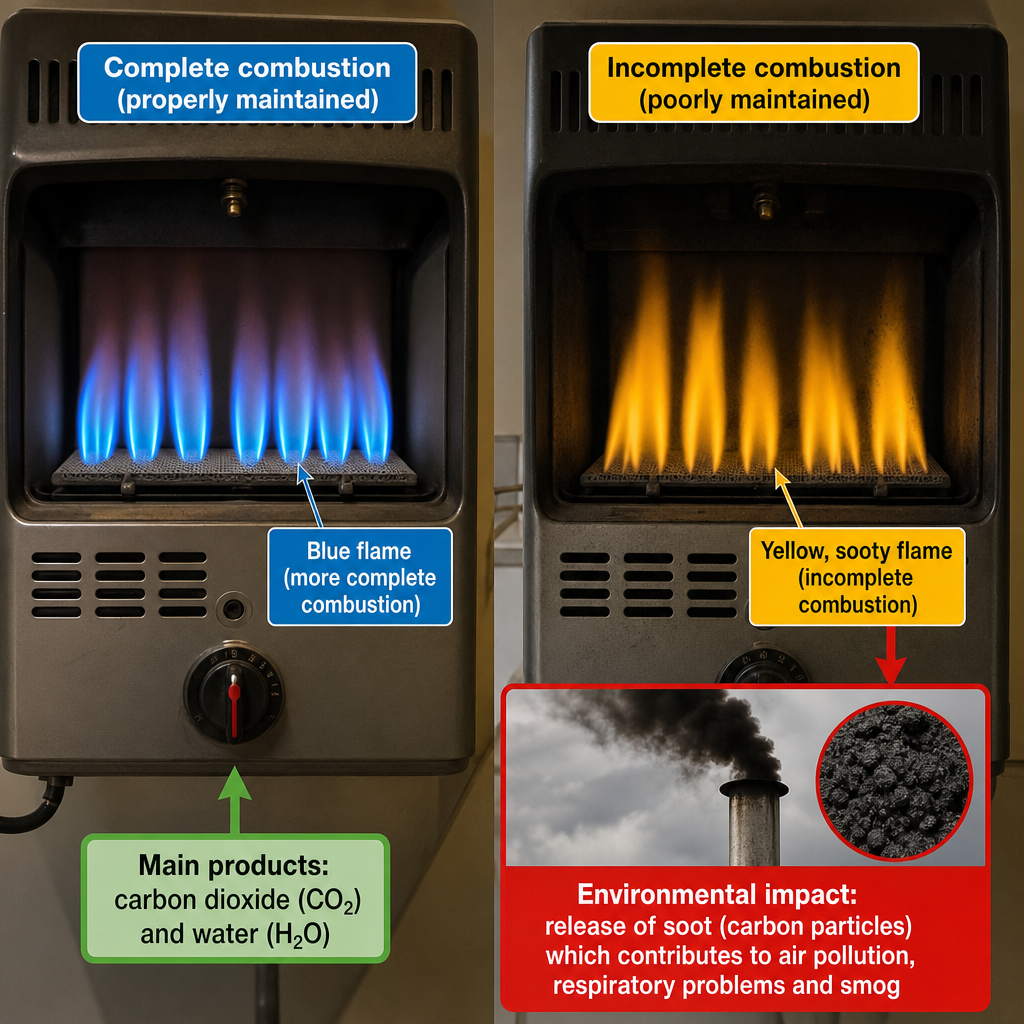
A poorly maintained gas heater produces a yellow, sooty flame, indicating incomplete combustion of the alkane fuel.
Describe one environmental impact of incomplete combustion of alkanes in this appliance. [2]
Describe one environmental impact of incomplete combustion of alkanes in this appliance. [2]
Solutions
3QuestionCommon functional groups:Alkane (-C-C-) , Alkene (-C=C-), Alcohol (-OH), Carboxylic acid (-COOH), Ester (-COO-)Assessment Practice
3 marks~5 minCriterion C
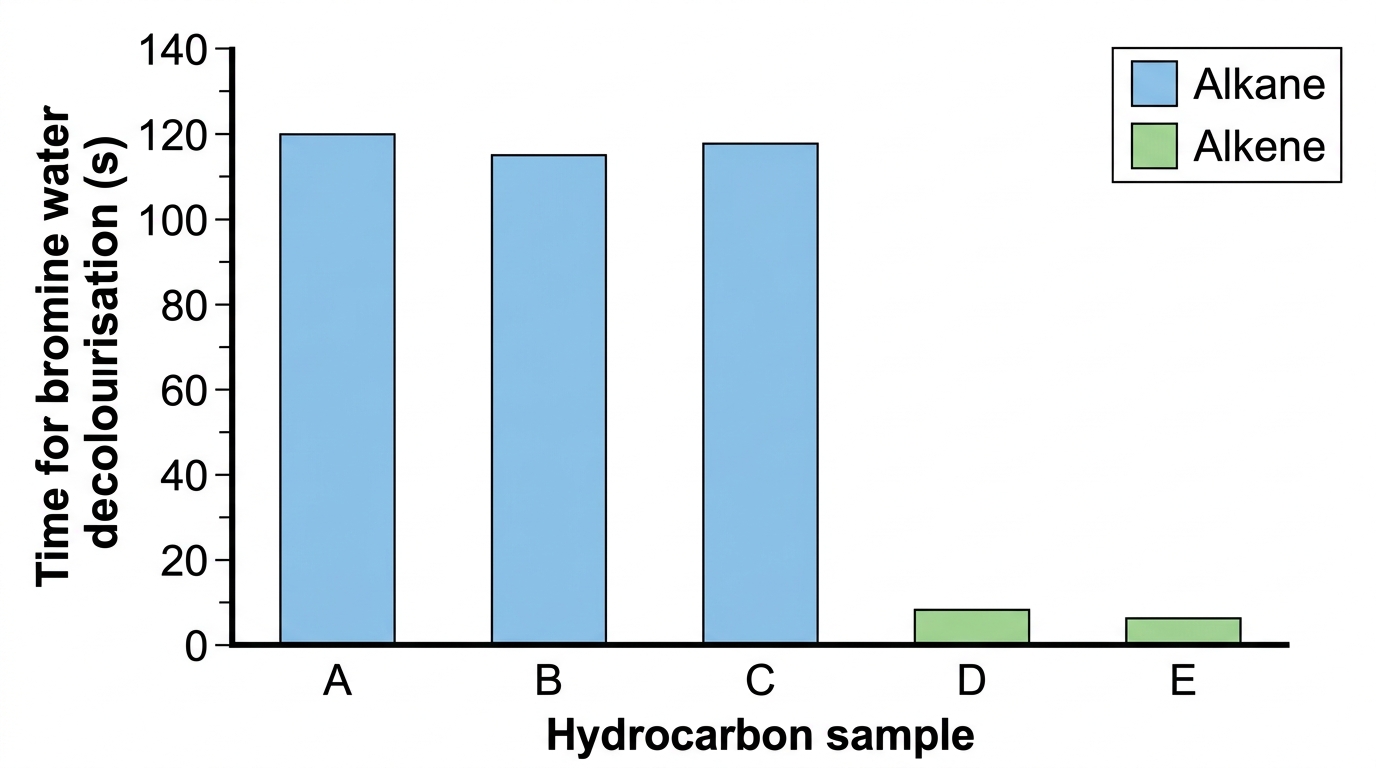
The table below shows the time taken for bromine water to decolourise when added to five hydrocarbon samples.
Hydrocarbon A (s): 120
Hydrocarbon B (s): 115
Hydrocarbon C (s): 118
Hydrocarbon D (s): 8
Hydrocarbon E (s): 6
Hydrocarbons A, B, and C are alkanes; D and E are alkenes.
Hydrocarbon A (s): 120
Hydrocarbon B (s): 115
Hydrocarbon C (s): 118
Hydrocarbon D (s): 8
Hydrocarbon E (s): 6
Hydrocarbons A, B, and C are alkanes; D and E are alkenes.
a
Identify the trend shown in the data. [1]
b
Explain how the functional groups present in alkanes and alkenes account for this trend. [1]
c
A student claims that alkanes do not react with bromine water at all. Evaluate this claim using your knowledge of the reactions of alkanes and alkenes. [1]
Solutions
4QuestionCommon functional groups:Alkane (-C-C-) , Alkene (-C=C-), Alcohol (-OH), Carboxylic acid (-COOH), Ester (-COO-)Assessment Practice
7 marks~11 minCriterion B
The table below shows balanced combustion equations for four organic compounds from different homologous series.
Compound — Balanced combustion equation
Methane ():
Ethene ():
Ethanol ():
Ethanoic acid ():
Compound — Balanced combustion equation
Methane ():
Ethene ():
Ethanol ():
Ethanoic acid ():
a
Calculate the ratio of molecules produced per carbon atom for each compound, and deduce the pattern. [2]
b
Explain why the number of molecules produced per carbon atom differs between ethene, ethanol, and methane, linking your answer to molecular composition. [2]
c
Methyl ethanoate () is an ester used as a solvent in nail-polish remover. Construct the balanced combustion equation for methyl ethanoate and justify each step using the patterns identified above. [3]
Solutions
That's every free question here — 4 of 110.
+106 more questions, plus Mock Papers & Worksheets, are waiting in Premium.