You're viewing free preview questions — 4 questions previewing here — subscribe to unlock 79 more, plus the Full Question Bank, Mock Papers & Worksheets.Upgrade
Everyday Chemical Changes — Free MYP3 Sciences Practice Questions

1QuestionChemical Reactions in CookingConcept Practice
2 marks~3 minCriterion A
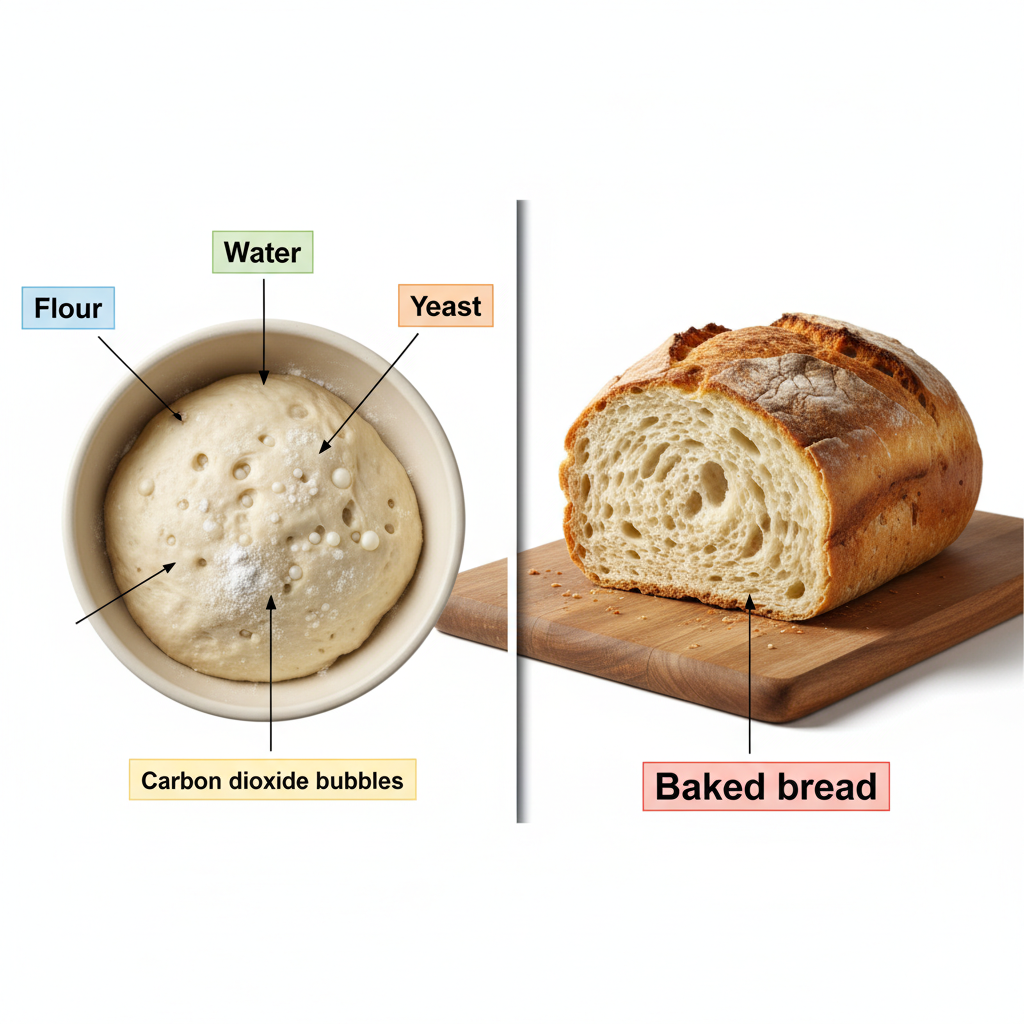
The diagram below shows the ingredients used to make bread dough and the substances present after baking.
Diagram labels: Flour, Water, Yeast, Carbon dioxide bubbles, Baked bread.
(a) Identify the reactants and the products shown in the diagram. [2]
Diagram labels: Flour, Water, Yeast, Carbon dioxide bubbles, Baked bread.
(a) Identify the reactants and the products shown in the diagram. [2]

Solutions
2QuestionChemistry in Cleaning ProductsAssessment Practice
4 marks~6 minCriterion D
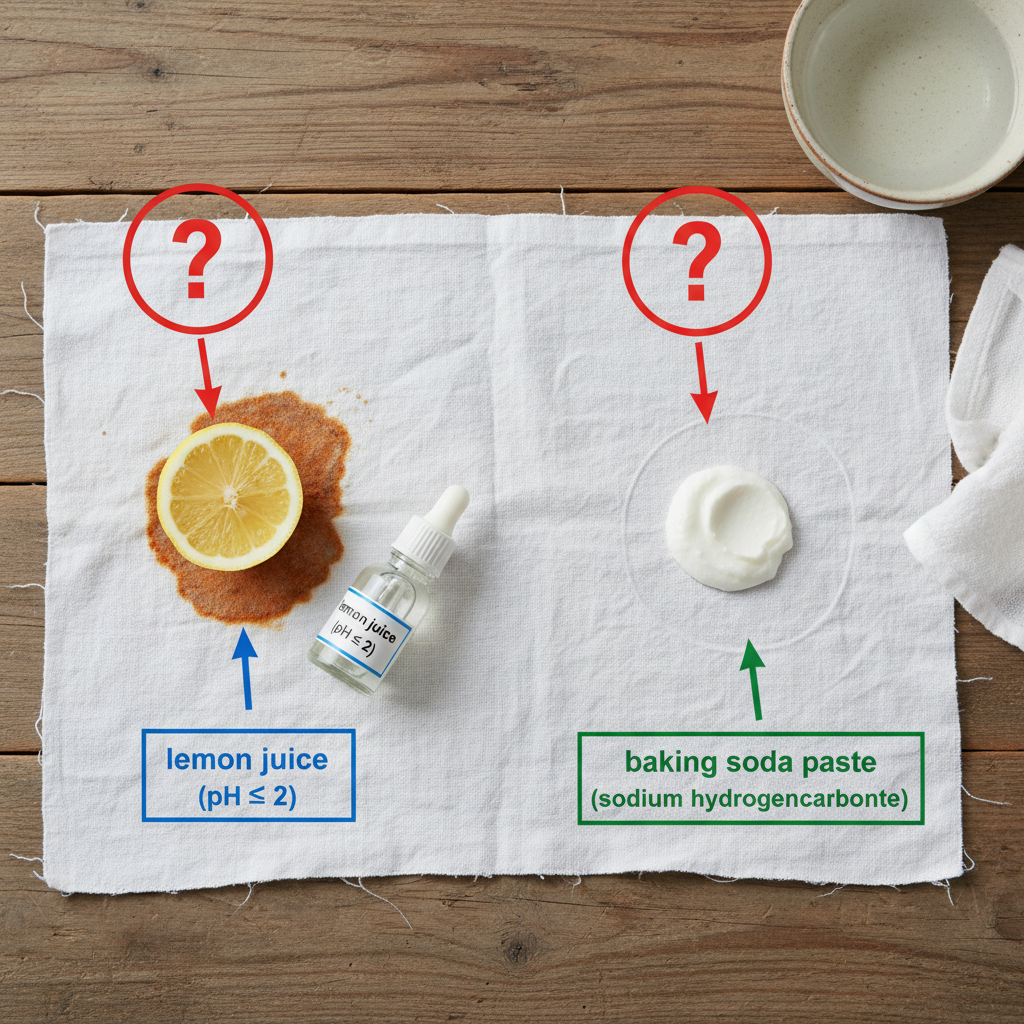
A student removes a rust stain from white cotton fabric using lemon juice (pH ≈ 2). She then applies a baking soda () and water paste to neutralise any remaining acid before rinsing and drying the fabric.
a
Identify one advantage of using lemon juice or baking soda for cleaning instead of a commercial stain remover. [1]
b
Explain one limitation or risk of this cleaning method, referring to the properties of lemon juice or baking soda. [2]
c
The student tests the fabric after rinsing and finds the pH is still 4. Describe what this result tells her about the neutralisation step and what she should do next. [1]
Solutions
3QuestionChemical Reactions in CookingAssessment Practice
6 marks~9 minCriterion C
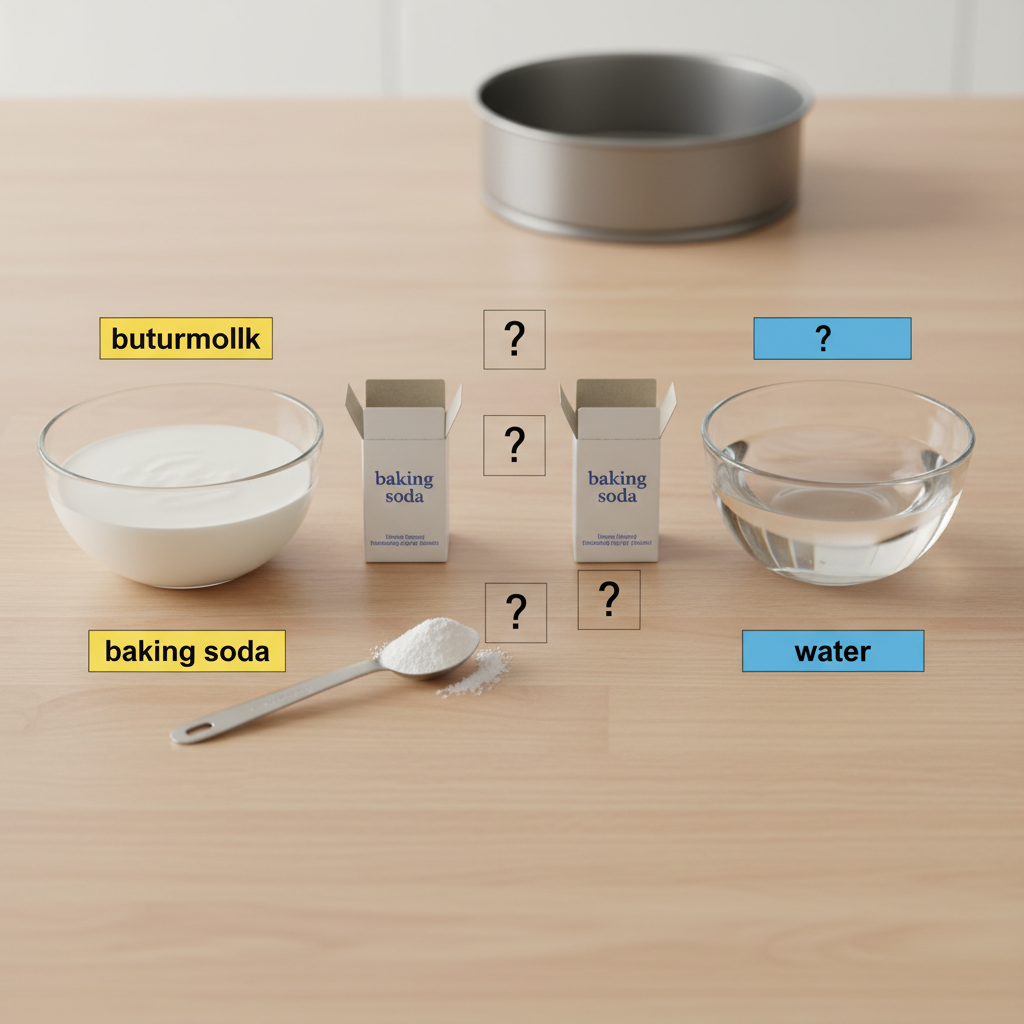
A student bakes a cake using buttermilk (an acid) and baking soda (, a base). Together they react to produce gas, which makes the cake rise. Running out of buttermilk, the student substitutes an equal volume of water.
a
Describe the type of chemical reaction that occurs between buttermilk and baking soda, and identify the gas produced. [2]
b
Explain why substituting water for buttermilk reduces the amount of produced. [2]
c
A classmate suggests the cake will turn out the same because the same volume of liquid is used. Analyse this claim using your knowledge of acid-base reactions. [2]
Solutions
4QuestionChemistry in Cleaning ProductsAssessment Practice
5 marks~8 minCriterion B
A student investigates how water temperature affects the cleaning power of a laundry detergent. The same amount of detergent is used to clean identical stains on five fabric samples at different water temperatures.
A score of 0 means no stain removed; a score of 10 means complete removal.
| Temperature (°C) | 20 | 30 | 40 | 50 | 60 |
|---|---|---|---|---|---|
| Stain-removal score | 3 | 4 | 6 | 7 | 9 |
A score of 0 means no stain removed; a score of 10 means complete removal.
a
Describe the relationship between water temperature and stain-removal score shown in the data. [2]
b
Predict the stain-removal score at 70°C and explain your reasoning using the data. [2]
c
Analyse why the positive relationship between temperature and stain-removal score may not continue beyond 70°C. [1]
Solutions
That's every free question here — 4 of 83.
+79 more questions, plus Mock Papers & Worksheets, are waiting in Premium.