
Biology: Excretion and Homeostasis: Urea Removal Explained
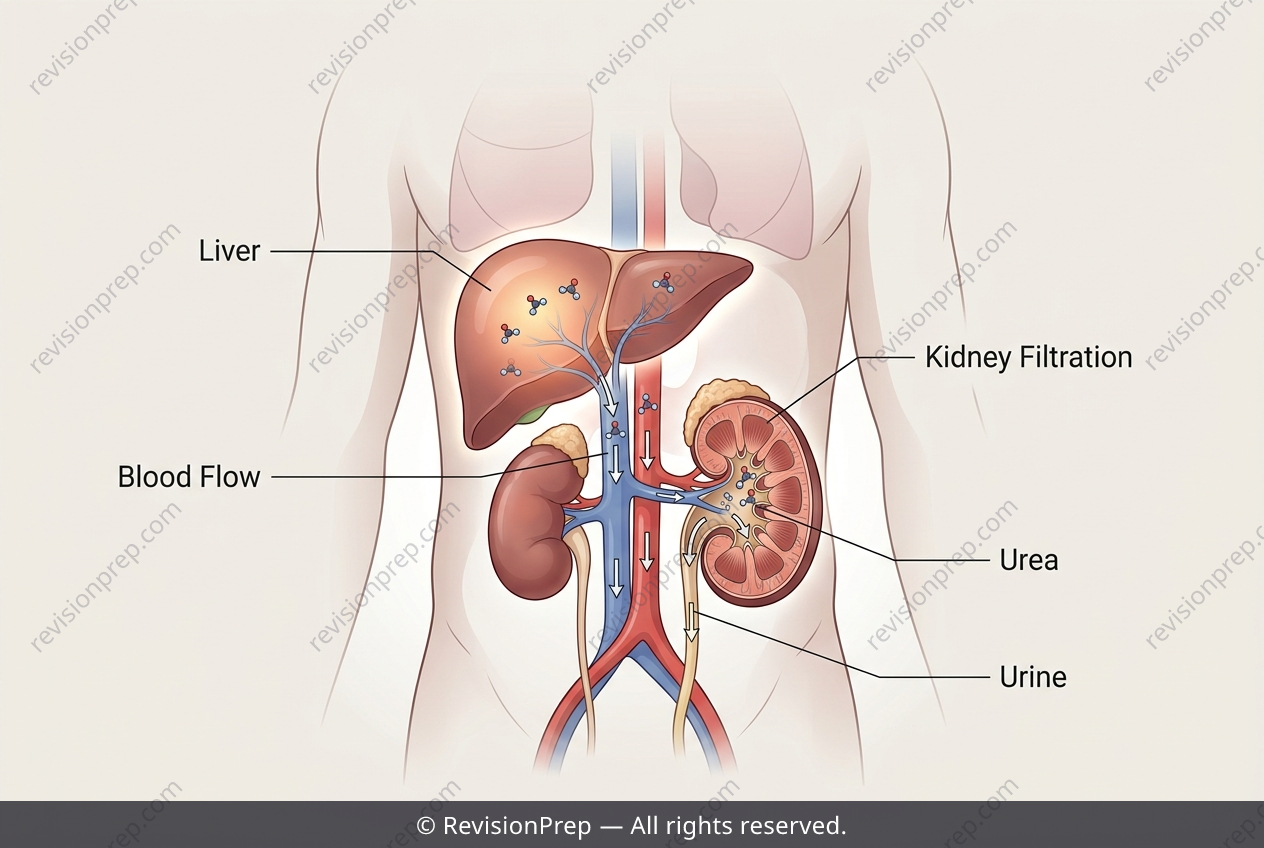
Every second of every day, your cells are running chemical reactions that keep you alive—but those reactions produce waste. One such by-product is urea, a nitrogen-containing compound formed in the liver when it breaks down excess amino acids from protein. Unlike carbon dioxide, which you exhale, urea is water-soluble and highly toxic if allowed to accumulate. This is where the principle of excretion meets homeostasis: the body must actively remove this waste while simultaneously maintaining a stable internal environment—a balance of water, salts, and pH that your cells depend on. The kidneys are the master filters here. They receive blood under pressure, extract urea along with excess water and ions, and excrete them as urine. But removal isn’t just about “getting rid of stuff”—it’s about regulation. If urea builds up, it disrupts the osmotic balance of your blood and poisons cellular enzymes, leading to tissue damage. By continuously filtering and adjusting what is reabsorbed, the kidneys keep the blood’s composition steady. This dual role—waste removal and balance maintenance—is the essence of homeostasis. Without it, your internal environment would drift into chaos, and your cells would quickly fail.
Start practising IB questions today
150,000+ IB-styled questions, criteria-mapped and instantly accessible.