
Biology: Mitochondria—Ancient Origin, Modern Power
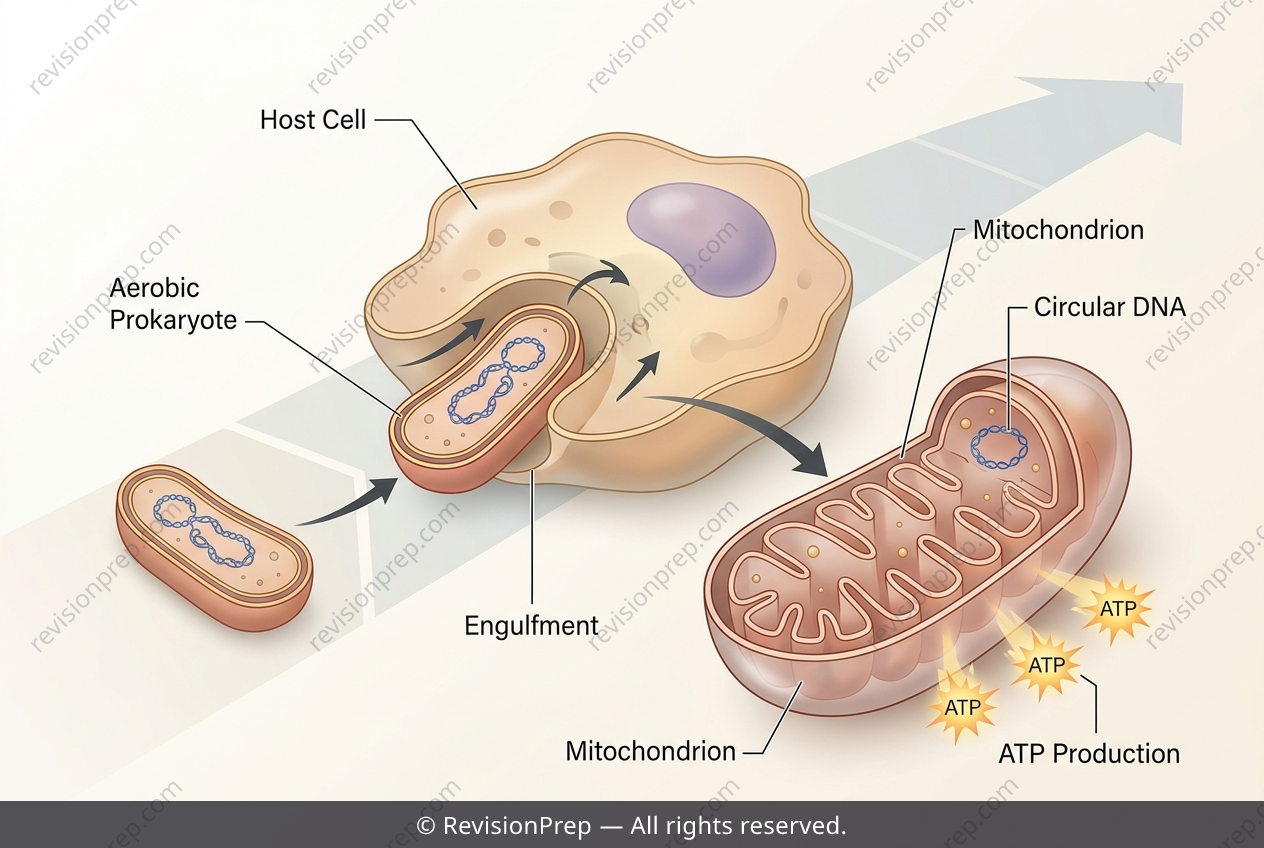
The mitochondrion is the cell’s power plant, and its story begins with a bacterial ancestor. At its core, this organelle is defined by a double membrane system and a unique set of genetic machinery—small circular DNA and 70S ribosomes—that set it apart from the rest of the eukaryotic cell. Its primary function is to drive aerobic respiration, producing ATP through oxidative phosphorylation, a process that hinges on the highly folded inner membrane where the electron transport chain and ATP synthase reside. This structure is no accident; it is a living fossil of endosymbiosis. The presence of circular DNA and prokaryotic-sized 70S ribosomes (as opposed to the 80S ribosomes in the cytoplasm) directly mirrors the genome of free-living bacteria, suggesting the mitochondrion was once an engulfed prokaryote that formed a mutually beneficial partnership with its host. Because these ribosomes are essential for translating key subunits of the respiratory chain, disrupting them—say, with an antibiotic—halts the production of these proteins, crippling oxidative phosphorylation and collapsing the cell’s ATP supply. In this way, the organelle’s ancient origin is inseparable from its modern bioenergetic role.
Start practising IB questions today
150,000+ IB-styled questions, criteria-mapped and instantly accessible.