
Biology: Muscle-Skeletal Interaction for Movement and Functional Capacity
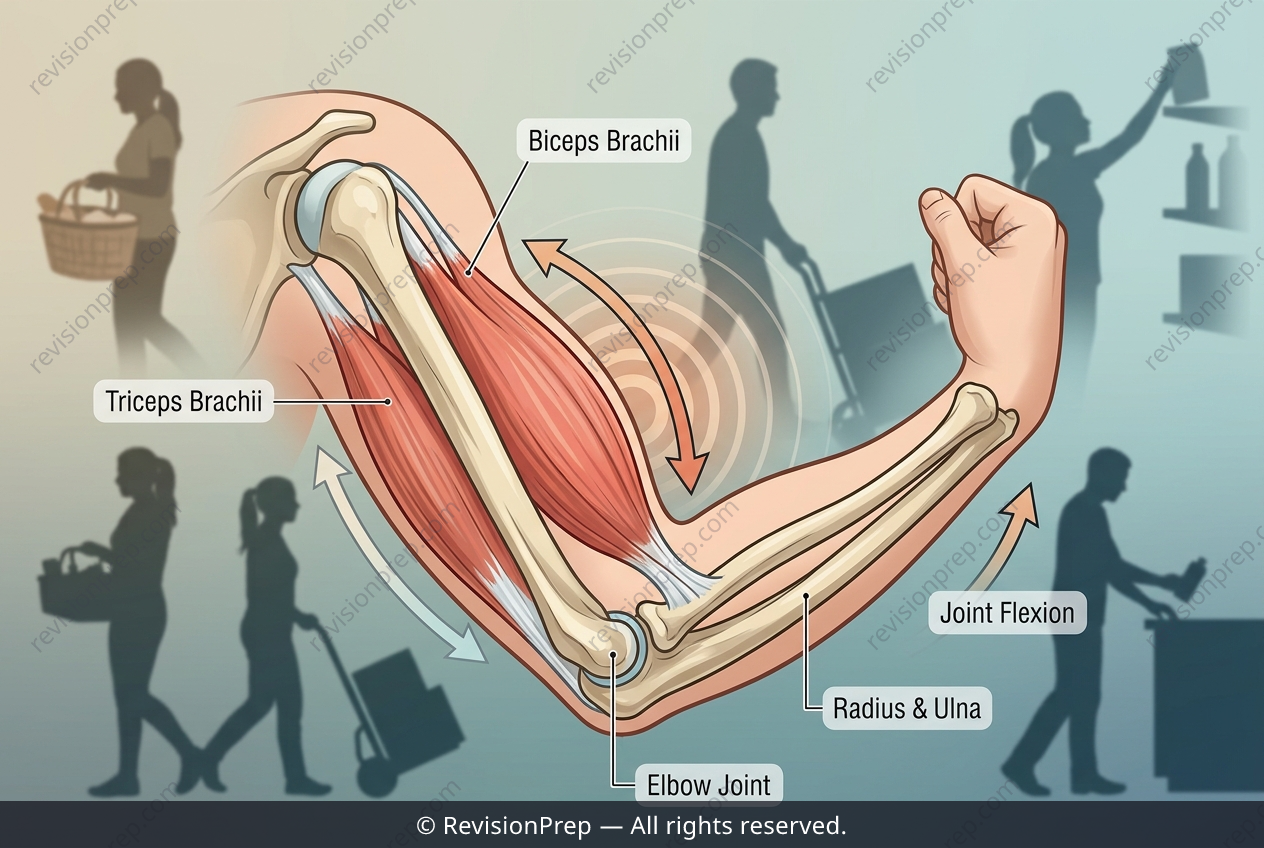
The human body is a marvel of mechanical engineering, and nowhere is this clearer than in the interaction between the skeletal and muscular systems. At its core, this partnership transforms chemical energy into controlled, purposeful movement. When you flex your arm to lift a heavy object, you are witnessing a precise chain of events: your brain sends a signal, your biceps muscle contracts, and it pulls on the bones of your forearm across the elbow joint. This simple action—bending the arm—is the foundation for countless daily tasks, from carrying groceries to picking up a school bag. Understanding this interaction is not just about anatomy; it’s about functional capacity. The strength of a muscle directly dictates how easily you can overcome gravity and inertia. A weak biceps, for instance, cannot generate sufficient force to bend the arm effectively, making a simple lift feel exhausting or even impossible. This highlights a key relationship: muscle force must exceed the load’s resistance to produce movement. When that force falls short, the activity becomes a struggle, and the muscle tires rapidly, compromising your ability to hold or carry. Thus, the skeletal system provides the rigid lever, and the muscular system provides the pulling power—together, they define your physical limits.
Start practising IB questions today
150,000+ IB-styled questions, criteria-mapped and instantly accessible.