
Biology: Socioscientific Issues in Healthcare Policy for IB Biology
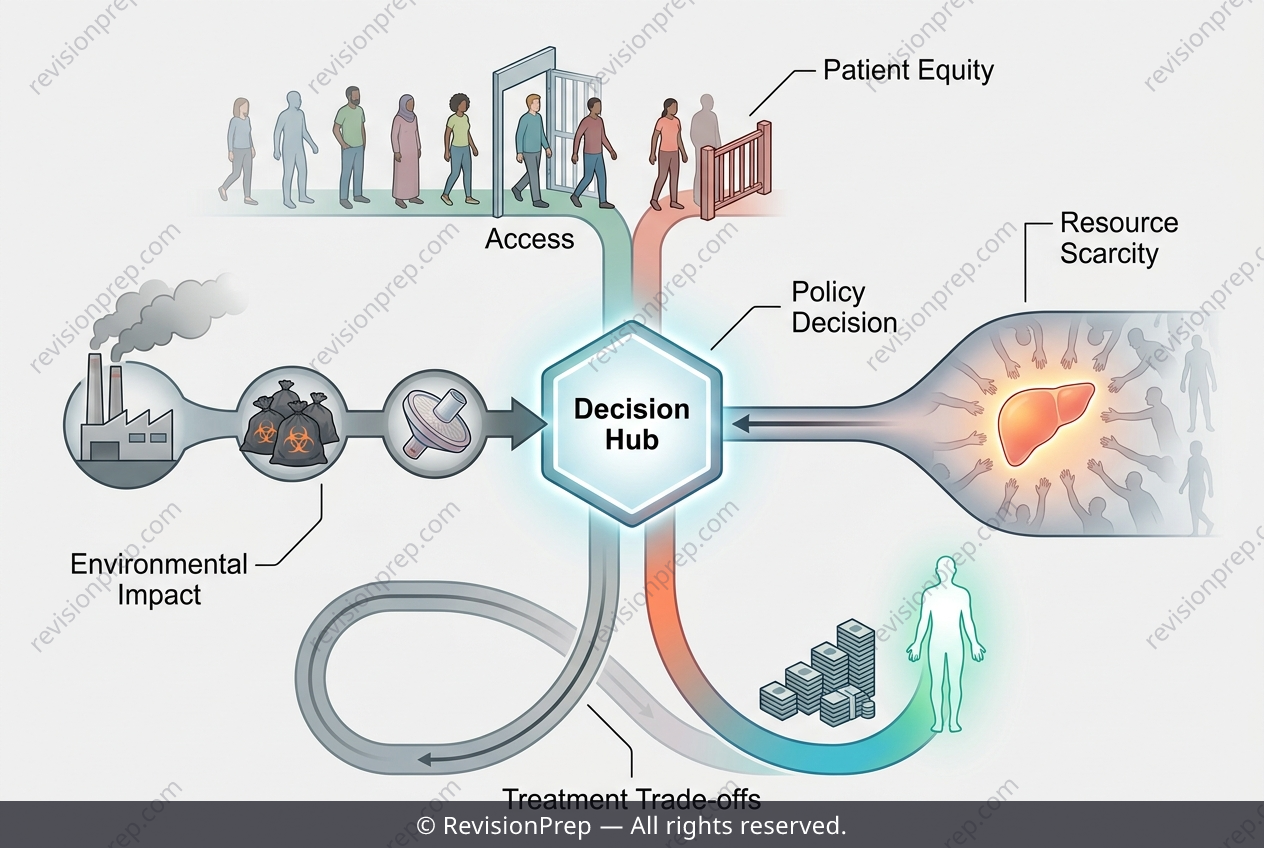
Homeostasis is the body’s relentless drive to maintain a stable internal environment, and excretion—removing metabolic waste like urea—is its frontline worker. When kidneys fail, that balance collapses, forcing a choice between two very different lifelines: dialysis, a resource-hungry machine that filters blood several times weekly, and transplantation, a one-time surgical fix that restores natural function. This decision is not purely medical—it’s a socioscientific issue where biology meets ethics and economics. Dialysis consumes roughly 150 litres of purified water and significant electricity per session, multiplying environmental harm across thousands of patients. Meanwhile, transplants face a brutal scarcity: donor kidneys are far fewer than recipients, so waiting lists stretch for years, and survival can hinge on geography or luck rather than urgency. The hospital’s budget dilemma—more machines versus more transplants—forces us to weigh immediate, broad reach (dialysis treats many patients consistently) against long-term, high-impact cure (a transplant can function 10–20 years). Understanding these trade-offs—resource cost, equity, and sustainability—is essential for any future healthcare policymaker.
Start practising IB questions today
150,000+ IB-styled questions, criteria-mapped and instantly accessible.