
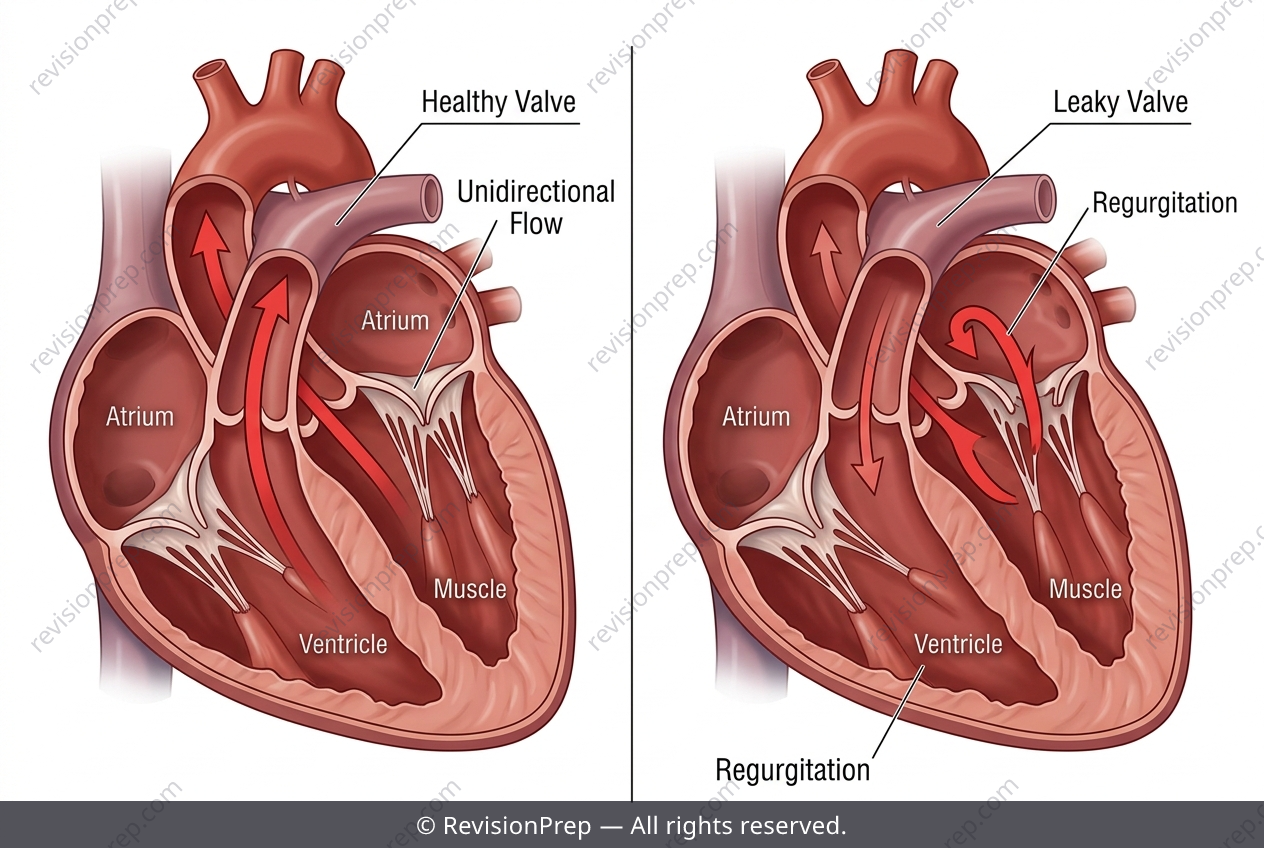
Biology: Structure-Function: Heart Valves and Leaky Blood Flow
The human body is a masterclass in structure-function relationships, where every anatomical feature exists to serve a precise physiological role. Nowhere is this more evident than in the circulatory system, where the heart’s four chambers and their valves work as a coordinated pump to deliver oxygen to every tissue. When this design is compromised, the consequences ripple outward, affecting energy levels, endurance, and overall health. Consider a faulty heart valve that fails to close completely. This structural defect allows blood to leak backward, meaning each heartbeat delivers a reduced volume of oxygenated blood to the body. The immediate functional result is a drop in tissue oxygenation, which manifests as fatigue or breathlessness during exertion. In a healthy valve, however, the thin, flexible cusps close tightly and completely after each contraction. This precise structural fit creates a one-way seal, ensuring blood flows forward only. The relationship is direct: the valve’s shape guarantees unidirectional flow, which in turn maintains efficient oxygen delivery — a perfect example of how form dictates function in biology.
Start practising IB questions today
150,000+ IB-styled questions, criteria-mapped and instantly accessible.