
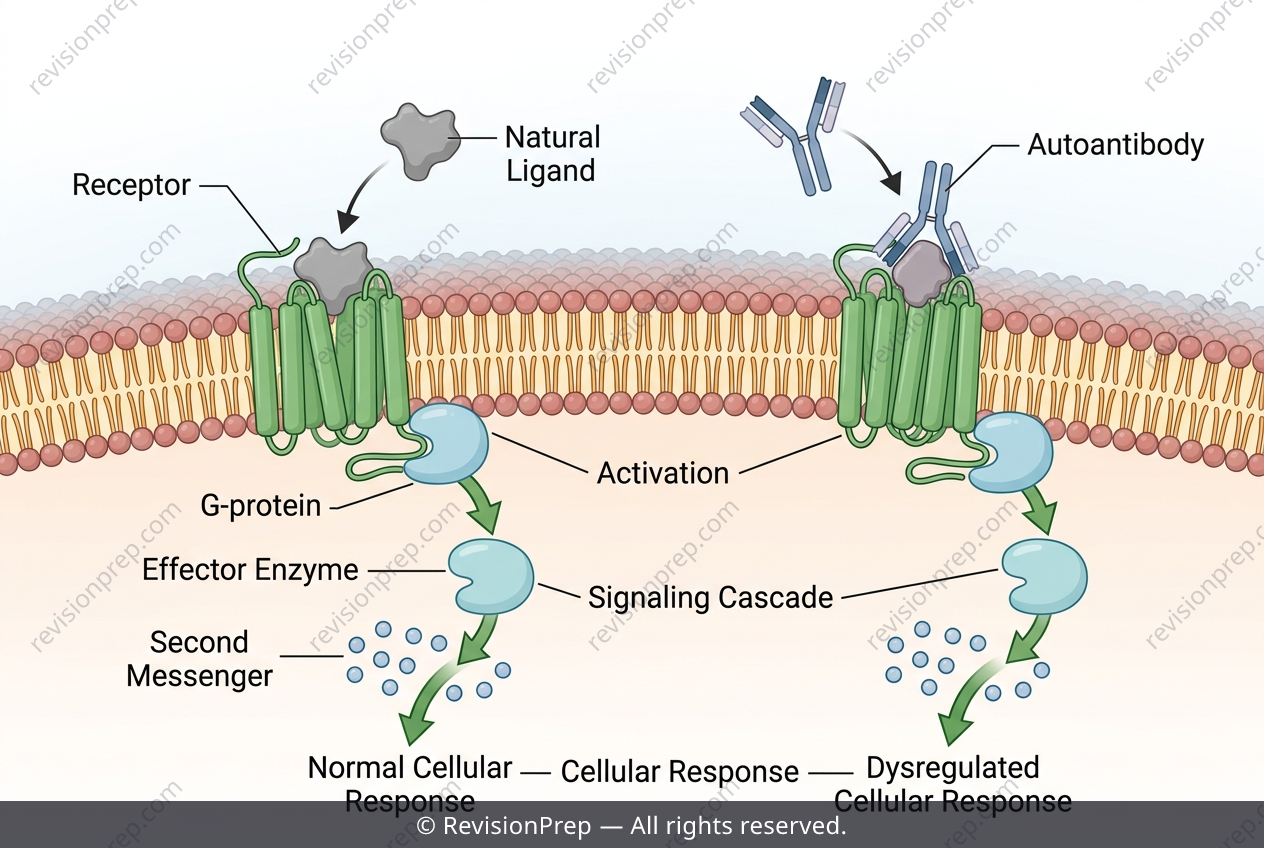
Biology: When Antibodies Hijack a Receptor
Cell signaling is the language of the body, and ligand-receptor interactions are its grammar. At its core, this concept describes how a signaling molecule—a ligand—binds to a specific receptor protein on a target cell, triggering a conformational change that initiates an intracellular cascade. This process is fundamental to homeostasis, governing everything from metabolism to growth, and its disruption lies at the heart of many diseases. The key to understanding this system lies in the distinction between agonists and antagonists. An agonist is a ligand that binds to a receptor and activates it, mimicking the natural ligand’s effect. An antagonist, conversely, binds without activating, blocking the natural signal. In Graves' disease, autoantibodies act as rogue agonists: they bind to the TSH receptor on thyroid follicle cells and continuously stimulate it, mimicking TSH itself. This relentless activation bypasses the body's negative feedback loops, driving unchecked thyroid hormone production and resulting in hyperthyroidism. The mechanism is not about blocking the receptor, but about hijacking it—a subtle yet critical distinction that explains the disease’s pathology.
Start practising IB questions today
150,000+ IB-styled questions, criteria-mapped and instantly accessible.