
Chemistry: Dissolved Oxygen Dynamics in Wastewater Treatment
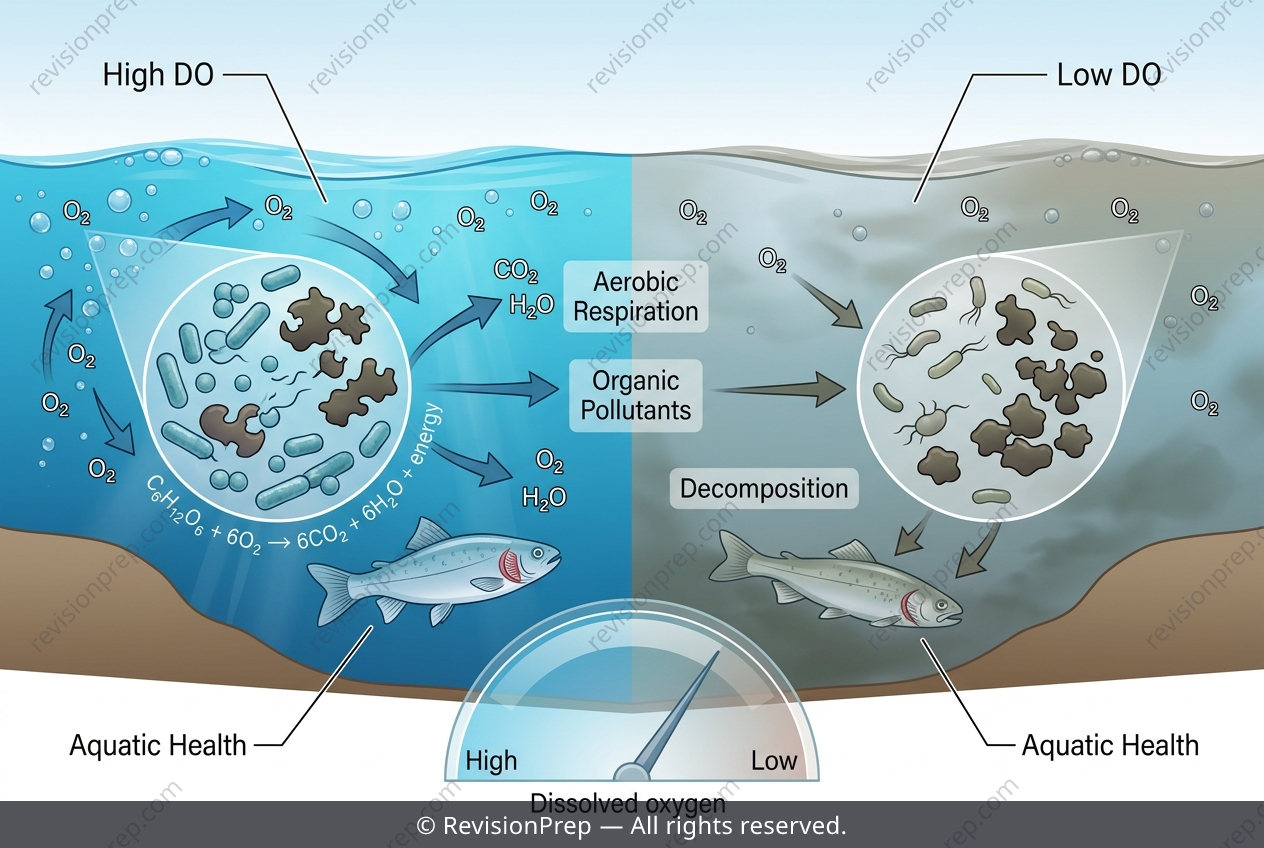
The composition of Earth’s atmosphere is a delicate balance, but its most biologically critical component for life is often the oxygen dissolved within water—not the gas we breathe. In aquatic systems, this dissolved oxygen (DO) is the fuel for aerobic respiration, the process by which organisms like bacteria convert organic matter into energy, releasing carbon dioxide and water. While the atmosphere provides a constant supply of oxygen to land-dwellers, water holds far less of it, making DO a limiting resource that must be actively managed. This dynamic is nowhere more evident than in wastewater treatment, where engineered aeration systems artificially pump air into tanks to maintain DO levels. Here, aerobic bacteria perform cellular respiration to decompose organic pollutants like sewage, effectively reducing the biological oxygen demand (BOD) of the effluent. If DO drops below the aerobic threshold, the microbial community shifts to anaerobic pathways, producing toxic gases like methane (CH₄) and hydrogen sulfide (H₂S). This not only compromises treatment but also risks downstream eutrophication—where excess nutrients trigger algal blooms, further depleting oxygen, leading to hypoxia and fish kills. Understanding this oxygen–respiration link reveals how a single gas governs both industrial efficiency and ecosystem health.
Start practising IB questions today
150,000+ IB-styled questions, criteria-mapped and instantly accessible.