
Physics: Why a Clap Sounds Like Noise, Not Music
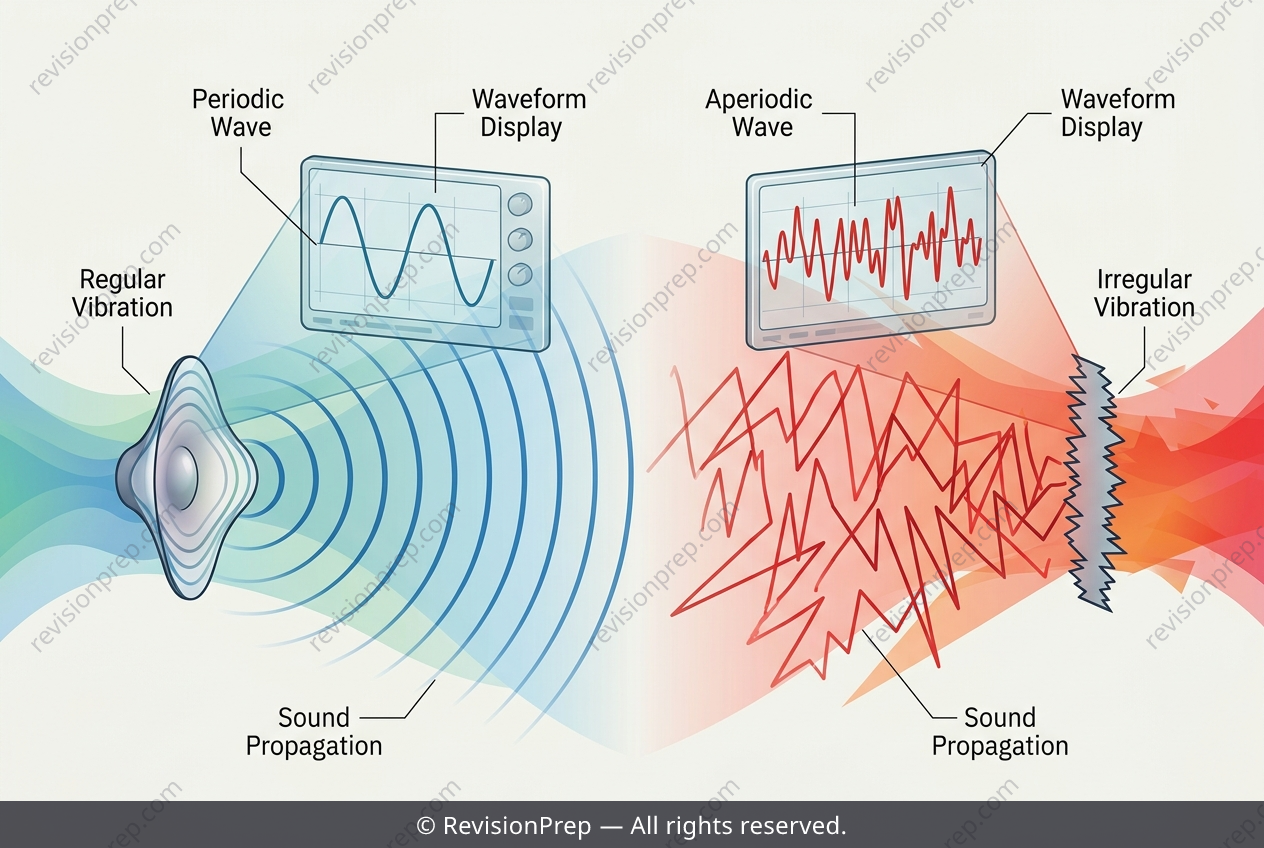
When you clap your hands, the sound you hear is a sharp, transient burst—a collection of many different frequencies that arrive together and decay almost instantly. In contrast, when someone plays a recorder, the tone is sustained and pure, repeating a clear, identifiable pitch. This fundamental difference between the two sounds is not just about how they feel to the ear; it is rooted in the physical shape of the sound waves themselves. The core distinction lies in whether those waves are periodic or aperiodic. Periodic waves, like those from a recorder, repeat a consistent pattern over time, which allows your brain to perceive a definite pitch and classify the sound as music. Aperiodic waves, like those from clapping, are irregular and non-repeating, lacking a stable frequency, which we perceive as noise. This matters because our entire auditory system—from the vibration of the eardrum to the firing of hair cells in the cochlea—is built to decode these patterns. While both sounds travel at the same speed (v = fλ), the key difference is that the recorder’s wave has a constant frequency (f) and wavelength (λ), whereas the clap’s wave is a chaotic jumble of changing frequencies, making it impossible to assign a single pitch. Understanding this contrast is the first step to grasping how we distinguish harmony from clutter in the world around us.
Start practising IB questions today
150,000+ IB-styled questions, criteria-mapped and instantly accessible.